

British Marine Seascape
A british marine seascape captures coastal life, bustling harbours, and open water through the eyes of artists drawn to the changing tides.
British Marine Seascape
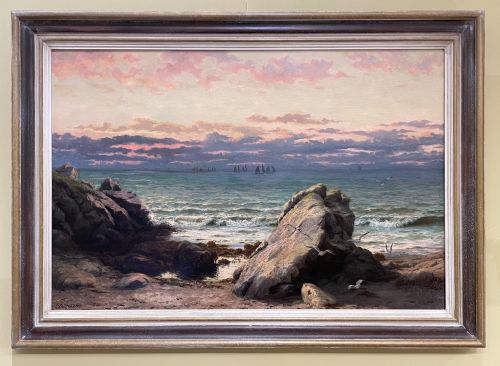
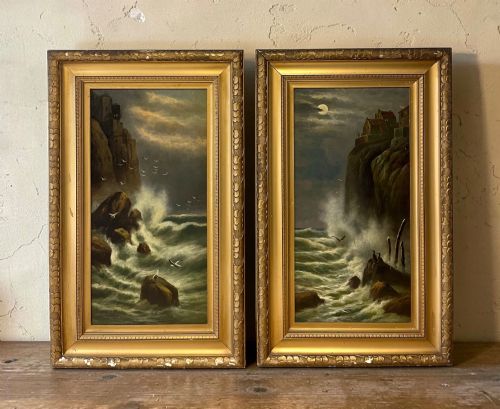
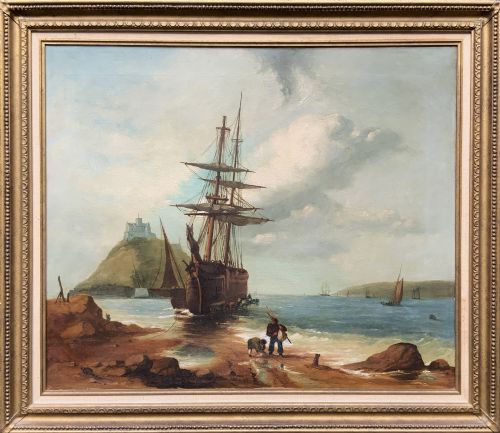
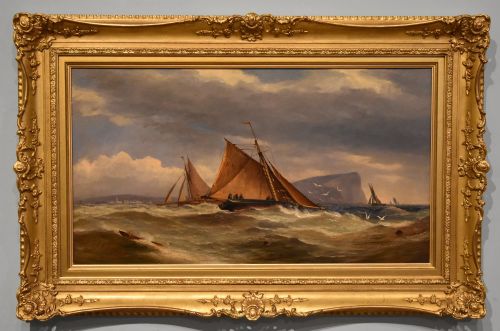
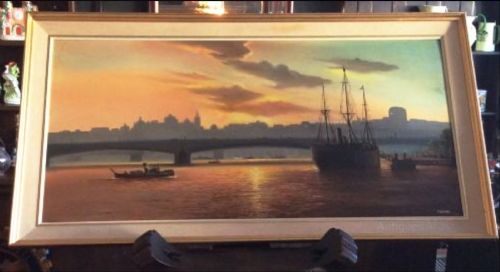
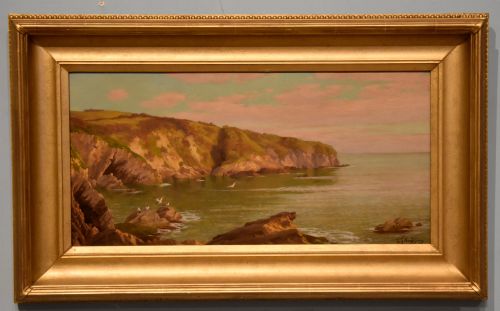
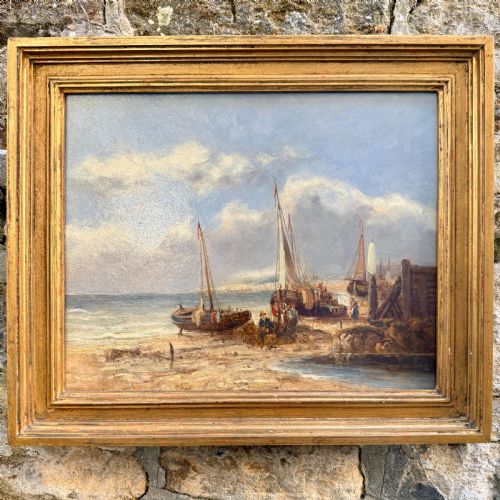
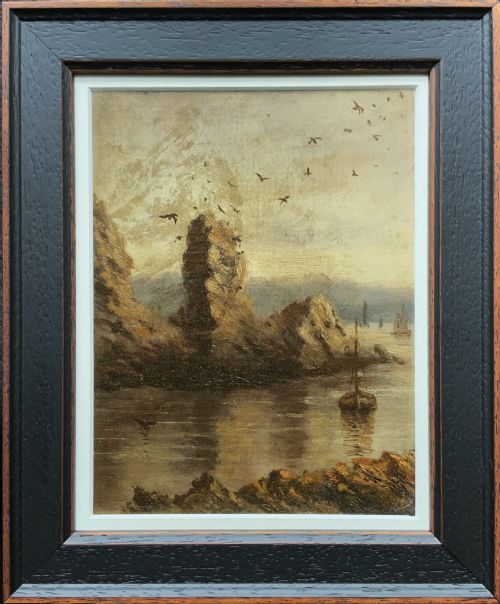
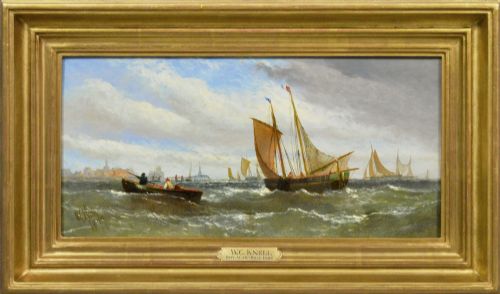
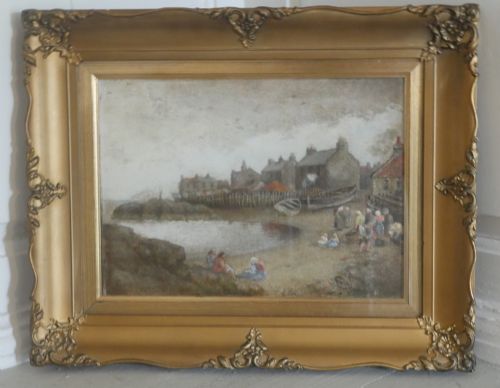
A british marine seascape brings together historical coastal views, harbour scenes, and open water studies produced across the nineteenth and twentieth centuries. These paintings focus on coastal shipping, fishing boats, and panoramic river vistas from locations ranging from Cornish ports to the River Thames.
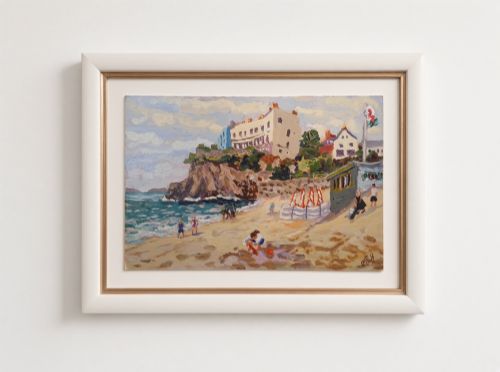
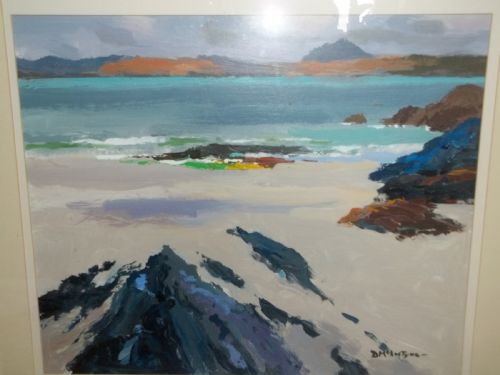
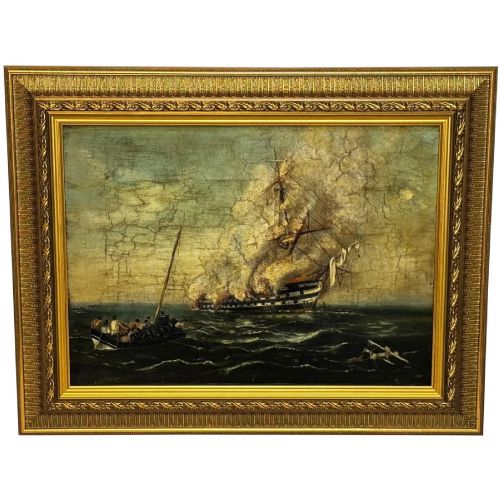
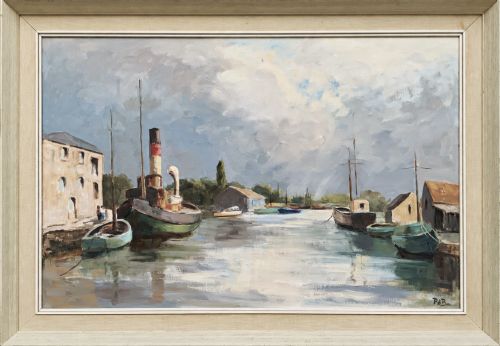
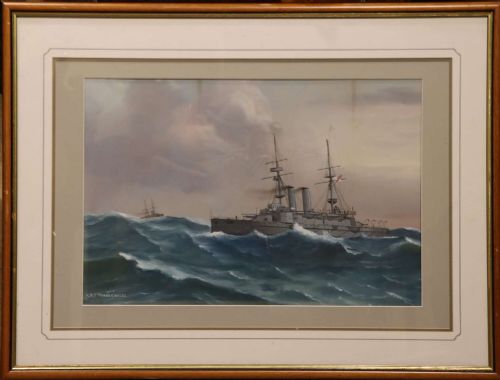
The versions most commonly found here include Victorian oil paintings and watercolours depicting traditional maritime subjects, alongside mid-century interpretations influenced by British Impressionism. Works span detailed historical depictions of naval vessels to quieter en plein air studies of the shoreline.
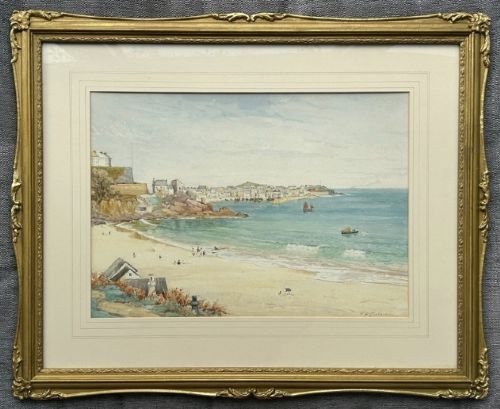
Collectors encounter diverse formats, from miniature cabinet pieces to large framed canvases. Each piece records specific locations such as St Ives, Brighton Beach, and various regional harbours along the British coast.
Materials and technique
Artists relied primarily on oil paint applied to canvas or wood panels, and transparent watercolours worked on paper. Oil pigments allowed for textured, layered depictions of turbulent water and changing weather, while watercolour suited swift, atmospheric sketches captured on location.
Many works incorporate traditional framing in gilt wood, which protects the paper or canvas and complements the tonal palette of the painting. Support materials range from heavy woven canvas to prepared boards and quality art papers.
British Marine Seascape Retail Price Guide 2026
Typical asking prices for british marine seascape among the pieces listed under this phrase on Sellingantiques today, from the lower quarter to the upper quarter. They describe what is for sale here now, not the wider market.
Listings feature works spanning the nineteenth century through the 1960s, executed in oil and watercolour on canvas, paper, and wood.
Evaluating the range
Quality rests on the artist's ability to render light, movement, and atmosphere convincingly across water and sky. Stronger examples demonstrate confident brushwork, accurate perspective of vessels, and a coherent sense of place.
The distinction between standard decorative work and finer pieces often lies in the observation of natural phenomena, such as the reflection of sunlight on coastal waves or the precise rigging of shipping vessels.
William Calcott Knell·Thomas Bush Hardy·John Wilson Carmichael·Charles Napier Hemy·Frederick John Aldridge
The British Marine Seascape Glossary
- En plein air
- Painting outdoors to capture natural light and direct observations of the coastal landscape. This method became particularly popular among nineteenth and twentieth-century impressionist artists.
- Gouache
- An opaque watercolour medium used by artists to add dense highlights and solid colour areas to maritime works. It provides a flat, matte finish.
- Watercolour
- A paint consisting of pigment suspended in a water-based solution, traditionally applied to paper. It allows for delicate washes and translucent effects.
- Oil on canvas
- Pigment bound in a drying oil applied to a stretched woven fabric support. This combination offers durability and rich texture.
- Gilt wood
- Wood coated with a thin layer of gold leaf or metallic gilt paint, commonly used for decorative antique picture frames.
British Marine Seascape: Frequently Asked Questions
How do I date a marine painting?
Dating relies on stylistic evidence, artist signatures, framing materials, and clues within the subject matter such as vessel types or clothing styles. Comparing known works by the same hand often narrows the production period.
Examining the reverse of the canvas or paper can also reveal period labels, exhibition stamps, or inscriptions left by the artist or previous owners.
What subjects are most common?
Coastal shipping, fishing boats returning to harbour, and dramatic views of cliffs and estuaries dominate these works. Scenes frequently feature recognizable British locations like the Thames or Cornish fishing villages.
Artists also recorded historical naval subjects and quiet shoreline moments, reflecting the nation's maritime heritage.
How should I display watercolour art?
Watercolours require protection from direct sunlight to prevent the pigments and paper from fading over time. Hanging them in rooms with stable light levels preserves their delicate tones.
Using conservation-grade framing materials and UV-filtering glass further protects works on paper from environmental damage.
What is British Impressionism?
British Impressionism refers to a style influenced by continental movements where artists prioritized loose brushwork and the play of natural light. In marine art, this approach captures transient weather effects and shifting sea conditions.
Parks, coastal towns, and estuaries served as primary subjects for artists working in this expressive manner.