





Nineteenth Century Sea Painting
Nineteenth century sea painting works bring coastal weather and shipping right into a room.
Nineteenth Century Sea Painting
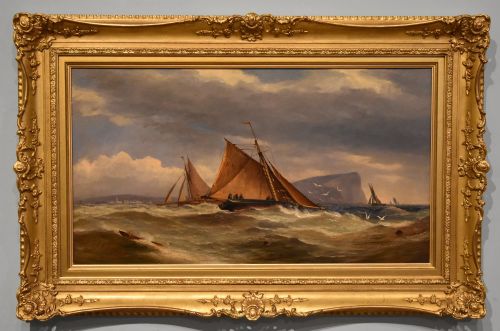
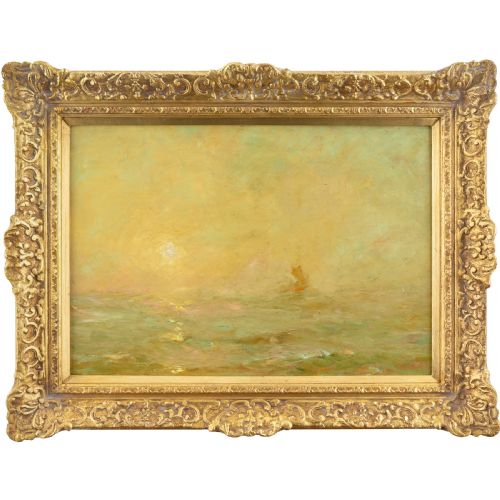
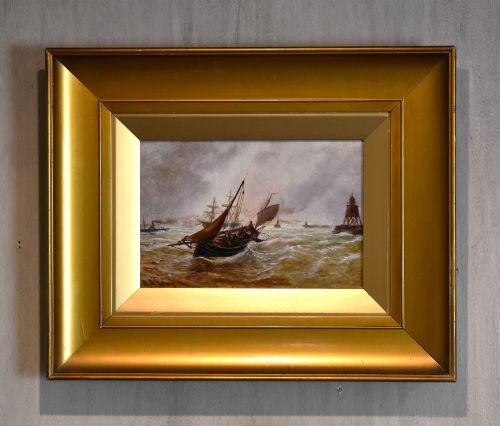
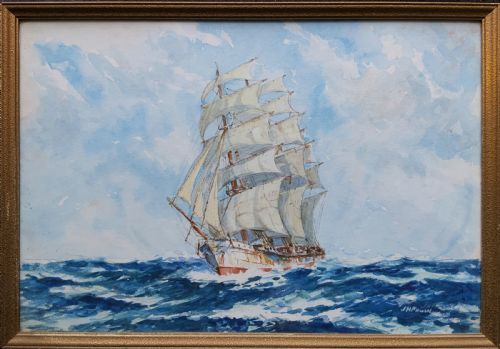
Nineteenth century sea painting encompasses oil paintings, watercolours and framed art depicting coastal shipping, masted ships and marine scenes. These works capture maritime subjects through Victorian maritime, impressionism, post-impressionism and Victorian realism styles.
The pieces on this page originate primarily from the nineteenth century, including specific dates around eighteen ninety, nineteen hundred and nineteen ten. Forms range from individual framed works and pairs of scenes to storage chests associated with the period.
Buyers encounter subjects varying from Cornish sea fishermen and Isle of Man coastal landscapes to French coastal views of Marseille. Works span British and French origins, reflecting diverse regional approaches to marine art.
Materials and Technique
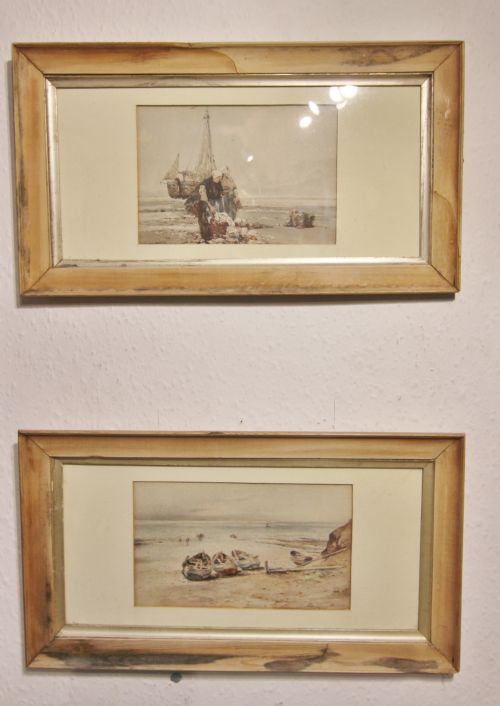
Artists painted primarily in oil on canvas or applied watercolour on paper, capturing maritime scenes with fluid brushwork. Canvases and papers capture the shifting light of choppy seas and coastal air.
Frames utilise wood, gilt wood and gesso to enclose the paintings under glass or in open pine frames. These traditional surrounds protect the delicate surfaces of canvas and paper works.
Nineteenth Century Sea Painting Retail Price Guide 2026
Typical asking prices for nineteenth century sea painting among the pieces listed under this phrase on Sellingantiques today, from the lower quarter to the upper quarter. They describe what is for sale here now, not the wider market.
Listings feature oil on canvas, watercolour on paper, and wooden storage chests spanning the nineteenth century and the early nineteen hundreds.
Assessing Quality
Quality rests in the handling of light and water, where skilled brushwork distinguishes a lively expanse of sea from a static surface. Handled well, oils and watercolours convey the movement of waves and coastal atmosphere with conviction.
Framing and preservation shape the character of each piece, from robust gilt wood surrounds to simple pine frames. Original mountings and good preservation of the painted surface elevate the piece.
Frederick John Aldridge·William Ayerst Ingram·Bernard Benedict Hemy·Jean-Baptiste Olive·Charles Malfroy·Thomas Rose Miles·Samuel John Milton Brown
The Nineteenth Century Sea Painting Glossary
- Oil on Canvas
- Pigment mixed with drying oil applied to a stretched fabric surface. This combination allows for rich texture and deep colour blending.
- Watercolour
- Pigment suspended in a water-soluble vehicle applied to paper. It creates transparent washes that lend luminosity to marine skies.
- Gesso
- A paint mixture consisting of a binder mixed with chalk or gypsum. It prepares wood and frame surfaces for gilding or painting.
- Barque
- A sailing ship with three or more masts. This vessel type appears frequently in maritime art of the period.
- Newlyn School
- An art colony based in Cornwall focusing on naturalistic plein air painting. Artists in this circle captured local fishermen and coastal life.
Nineteenth Century Sea Painting: Frequently Asked Questions
How do I hang a heavy nineteenth century oil painting?
Secure the hanging wire or brackets directly into wall studs using appropriate fixings rated for the weight of the frame.
Ensure the wall mount is level and positioned securely to support the combined weight of the canvas, stretcher bars and wooden frame.
Where should I place marine art in my home?
Hang these works away from direct sunlight and sources of extreme heat to protect the canvas, paper and pigments from fading.
Rooms with stable humidity levels help preserve both the wooden frames and the oil or watercolour mediums over time.
How do I clean nineteenth century paintings?
Dust frames gently with a dry, soft brush and keep moisture away from exposed canvas surfaces.
Consult a professional conservator for any deep cleaning or repairs to the paint layer or the surrounding gesso and gilt wood.
What is the difference between oil and watercolour marine paintings?
Oil paintings utilise thick pigment on canvas to build texture, depth and rich colour in stormy or calm seas.
Watercolour works employ thin washes on paper, offering a luminous, delicate quality well suited to coastal light.