



British Landscape Canvas
A british landscape canvas brings the shifting light and rural expanse of the British Isles directly to an interior.
British Landscape Canvas
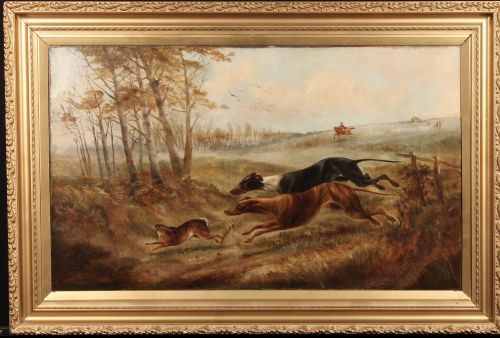
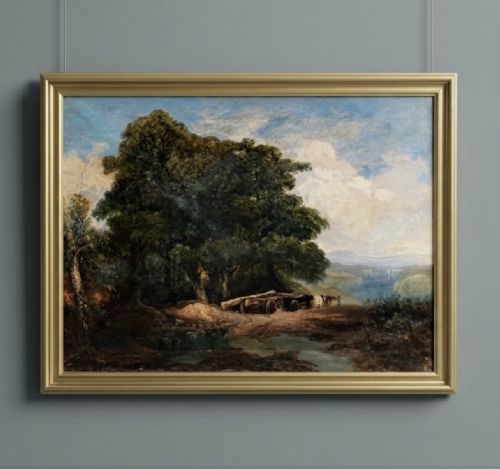
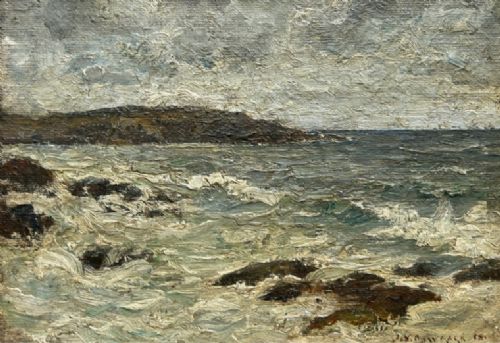
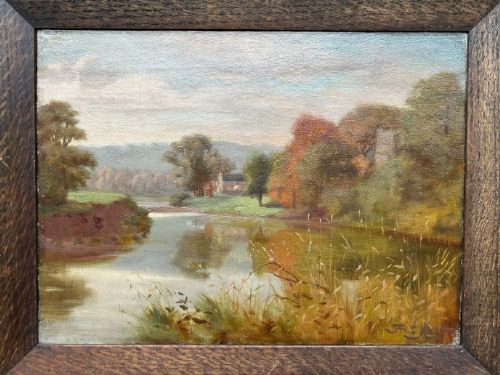
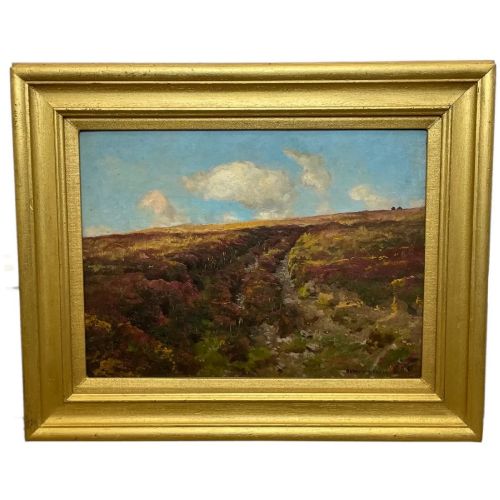
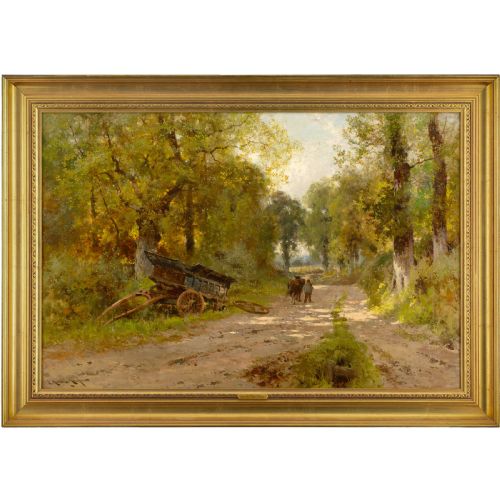
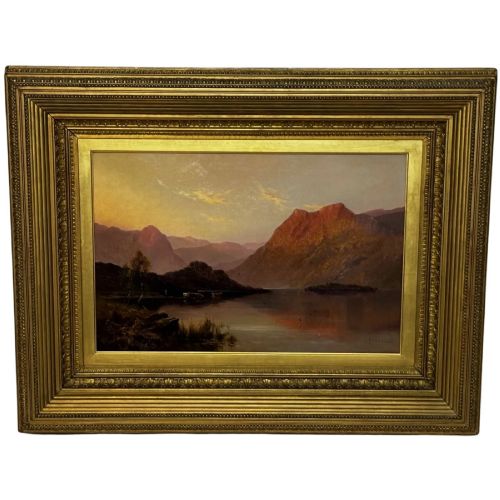
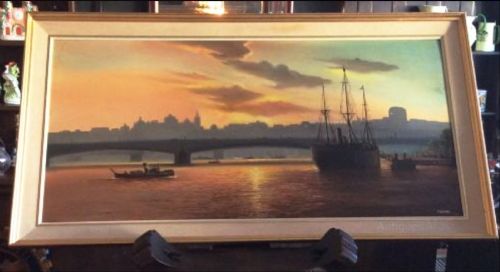
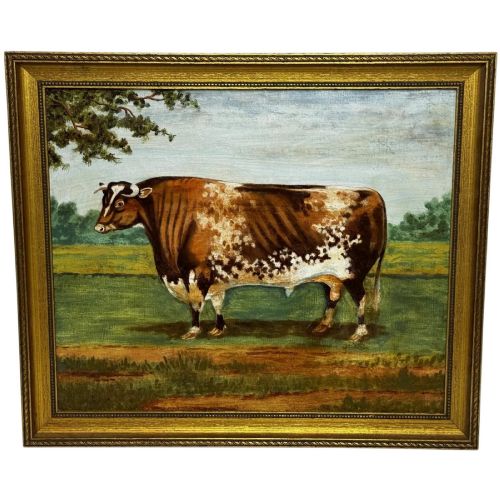
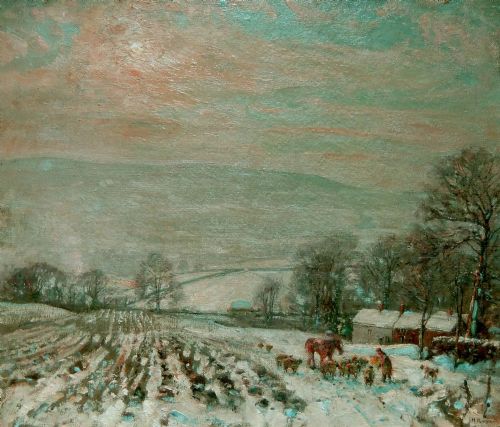
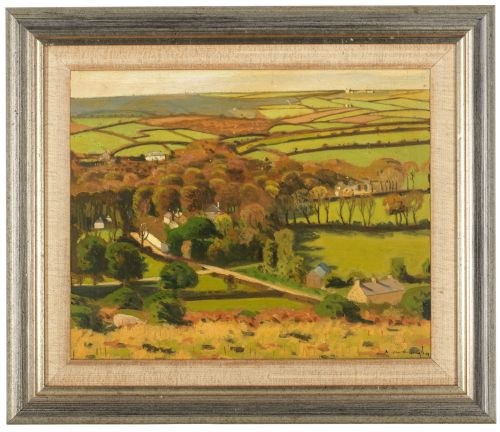
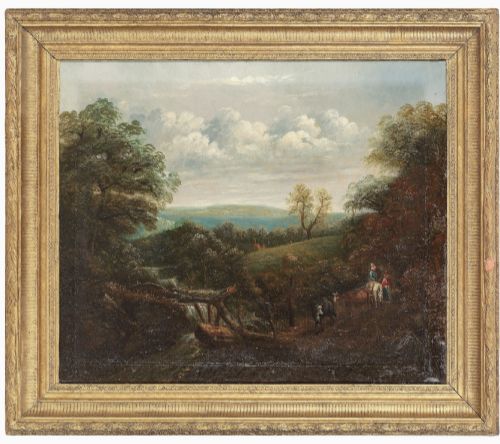
A british landscape canvas captures rural views, coastal scenes, and waterways through the traditional medium of oil paint applied to stretched fabric. These works range from nineteenth-century romantic pastoral scenes to later twentieth-century interpretations, recording the changing moods of the countryside.
The selection encompasses works by identified regional painters alongside pieces from the broader British School. Buyers encounter coastal vistas, woodland paths, and river views framed in period wood mouldings.
Earlier examples typically present detailed topographical or pastoral narratives, whereas later pieces lean towards expressive brushwork and atmospheric colour harmonies.
Materials and Technique
Painters built these compositions using oil-based pigments applied to woven canvas supports, sometimes laid onto board for added stability. The ground layer prepared the fabric to receive successive applications of pigment, allowing artists to build texture and depth.
Gilt wood frames completed the presentation, protecting the edges of the canvas and providing a formal boundary for the view within. Brushwork varied from tight, precise detail in the nineteenth-century works to looser, impasto application in modern compositions.
Materials recorded across the archive include oil paint, canvas, wood, and gilt wood frames.
Evaluating Quality
Quality rests upon the artist's handling of light, atmospheric perspective, and spatial depth within the composition. A superior work demonstrates confident brush control and a deliberate orchestration of tone that creates a convincing sense of place.
The integrity of the canvas support, the stability of the oil paint layer, and the appropriateness of the original wood frame contribute significantly to the standing of any given piece.
Richard Sebastian Bond·David Bates·Thomas Smythe·Robert John Hammond·Herbert Royle
The British Landscape Canvas Glossary
- Impasto
- Paint applied thickly to a canvas, leaving visible brush or palette knife strokes that stand proud of the surface.
- Provenance
- The documented history of ownership surrounding a painting, establishing its authenticity and lineage.
- Stretcher
- The wooden frame upon which a canvas is tensioned before painting begins.
- Ground
- The initial primer layer applied to a raw canvas to prepare it for oil paint.
British Landscape Canvas: Frequently Asked Questions
How do I clean an oil painting?
Surface dust should be removed gently with a soft, dry brush by someone with a steady hand. Chemical cleaners and water must be avoided to protect the delicate pigment layers.
Professional conservators should handle deeper cleaning or the removal of discoloured varnish. Attempting to wash a canvas independently risks irreversible damage to the original paint.
What lighting suits these canvases?
Natural, indirect light reveals the true tonal relationships and subtle colour variations intended by the artist. Direct sunlight causes fading and thermal stress to the oil pigments over time.
Picture lights fitted with cool-running LED bulbs provide controlled illumination during darker hours. Position the fixture to avoid glare bouncing off the varnished surface.
How should I date a painting?
Stylistic clues, costume details of any figures, and the construction methods of the canvas stretcher offer initial chronological markers. Artist signatures, exhibition labels, and inscriptions on the reverse provide further verification.
Comparative analysis with documented works by the same hand helps narrow the period of creation. Physical inspection of the materials assists in confirming the era.
Where should I hang these works?
Interior walls away from direct heat sources, dampness, and strong sunlight provide the most stable environment for canvas preservation. Living rooms and studies with moderate climate control work well.
Ensure the wall fixings match the weight of the frame and canvas combined. Hang the piece at average eye level to appreciate the perspective of the landscape.