



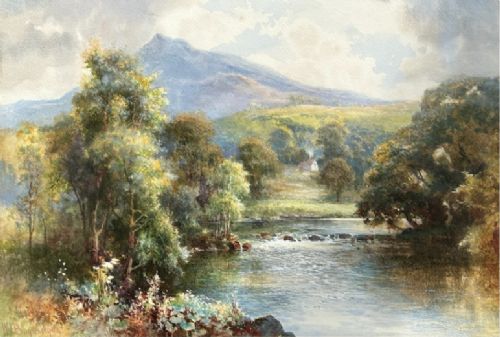
British Landscape Art Paper
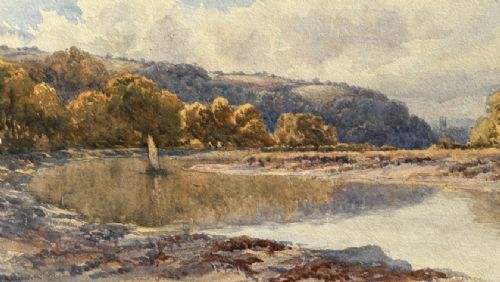
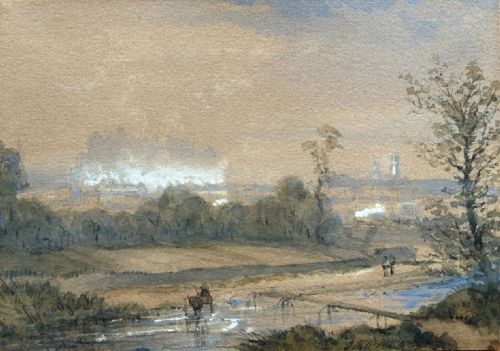
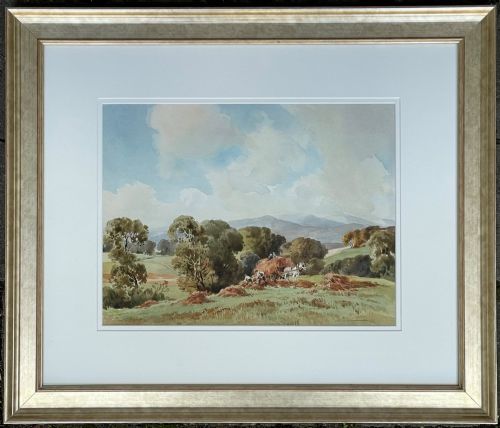
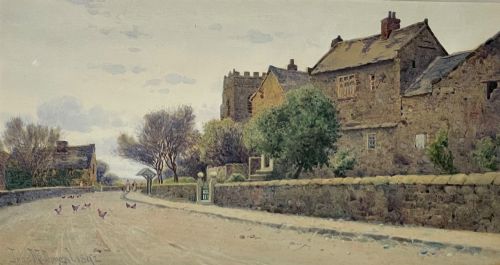
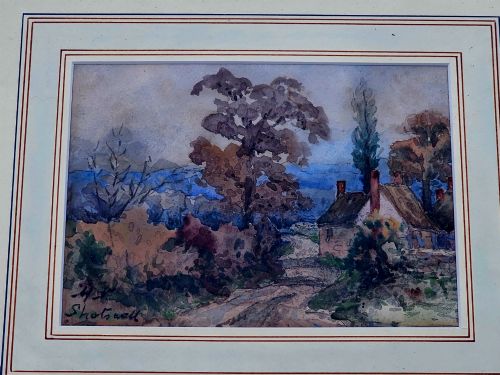
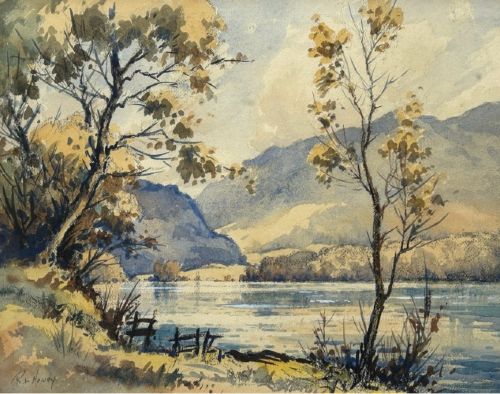
British landscape art paper brings together watercolours, drawings and sketches capturing rural scenes and coastal views across Victorian and 20th-century periods.
British Landscape Art Paper
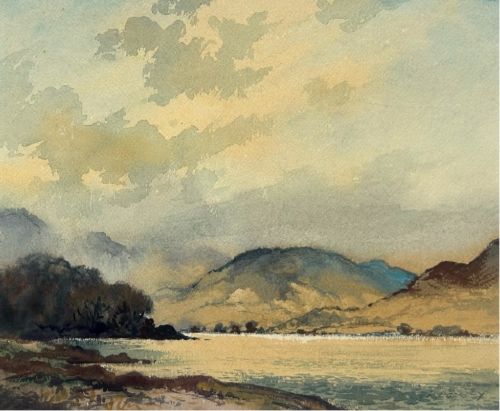
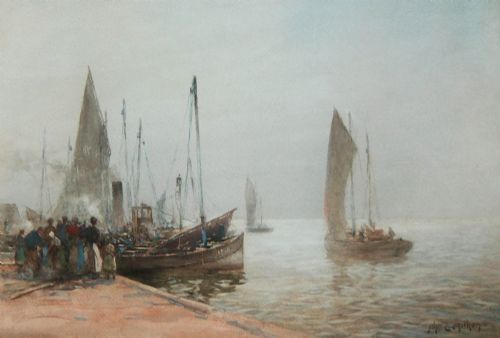
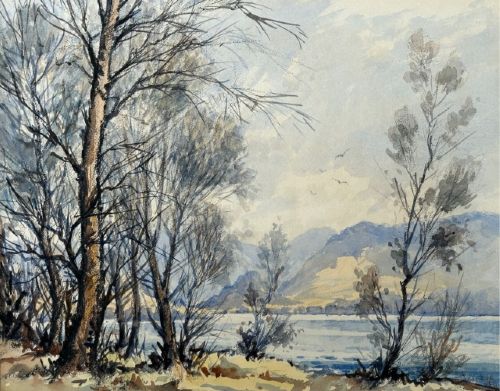
British landscape art paper encompasses original works on paper spanning the nineteenth century through the mid-twentieth century, including Victorian and Edwardian periods. Buyers encounter coastal views, rural fields, and town scenes created by regional artists working across England, Wales, and Scotland.
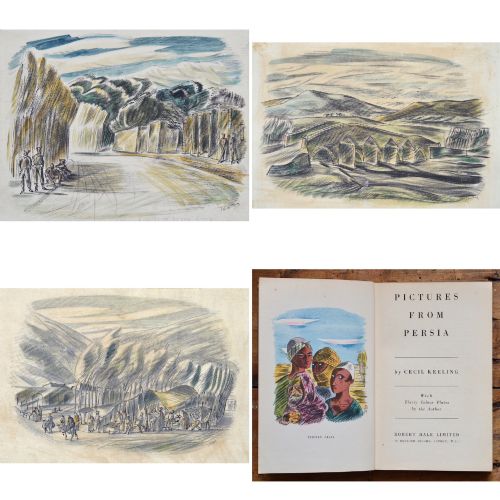
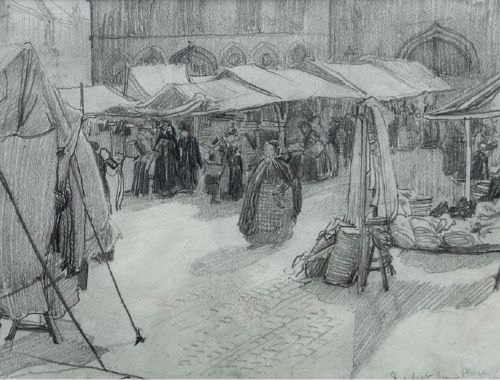
The selections on this page rely heavily on watercolour paintings and pencil or charcoal drawings rather than oils or canvas. These works record topographical views, rural cottages, and maritime harbours across various decades of the 1900s and earlier eras.
How they were made
Artists executed these works using watercolour pigment, ink, graphite, charcoal, and pastel applied directly to paper supports. Framed works often incorporate protective glass alongside wood framing.
Techniques range from tonal washes and precise pencil outlines to expressive early twentieth-century impressionist handling and detailed topographical sketching.
Listings feature works from the Victorian, Edwardian, and mid-twentieth-century periods executed on paper using watercolour and graphite.
What varies in quality
Quality rests upon the sureness of the draughtsmanship and the artist's ability to capture atmospheric light on paper. Stronger examples display confident handling of watercolour wash and botanical or architectural precision.
The distinction between standard topographical records and superior works involves compositional balance and the preservation of pigment vibrancy across the paper surface over time.
James Orrock·Henry Percy Huggill·John R Prentice·THOMAS ELLISON·Alfred Young Nutt·Percy Lancaster·John McDougal·Robert Leslie Howey·James E. Aitken·William Joseph Boyes·Muriel Metcalfe·Fred Lawson·John Smith Atherton·HECTOR CAFFIERI·RICHARD HENRY WRIGHT·Thomas Maidment·Alfred G. Morgan·Russell Sidney Reeves·WILLIAM MATTHISON·Charles Edward Wilson·HENRY BARLOW CARTER·F A Roylance·William Greaves·George F Pennington·William Frederick Settle
The British Landscape Art Paper Glossary
- Watercolour
- A painting method where water-soluble pigments are suspended in a water-based solution and applied to paper. It allows for transparent washes and delicate colour blending.
- Topographical
- A style of art dedicated to accurately recording specific geographical locations, buildings, or local landscapes. These works serve as visual documents of historical places.
- Diptych
- An artwork made of two separate painted or drawn panels designed to be displayed together. They often share a common subject or coastal theme.
- Tonalism
- An artistic style focusing on shadow, atmosphere, and muted colour harmonies to evoke a specific mood. It often depicts landscapes during twilight or misty conditions.
British Landscape Art Paper: Frequently Asked Questions
What subjects do these paper works show?
The pieces depict rural countryside, Welsh rivers, Scottish landscapes, and English coastal harbours.
Scenes range from pastoral fields with livestock to historic towns, docks, and architectural landmarks.
How should I frame works on paper?
Works on paper require mounting behind glass to protect the delicate medium from dust and moisture. Professional framing with acid-free materials safeguards the paper over time.
Keeping watercolours away from direct sunlight prevents the pigments from fading.
How do I identify the period of a drawing?
Dating relies on signature styles, clothing styles in figures, and framing clues associated with Victorian or twentieth-century movements.
Artists often inscribed titles, dates, or locations directly onto the margins or reverse of the paper.
What materials are used in these landscapes?
Artists utilised watercolour paint, ink, charcoal, pastel, and graphite upon paper supports.
Many examples feature framing made from wood combined with protective glass.