



British Folk Art
British folk art brings together unpretentious paintings, carved wood and domestic textiles made by hands outside the formal academies.
British Folk Art
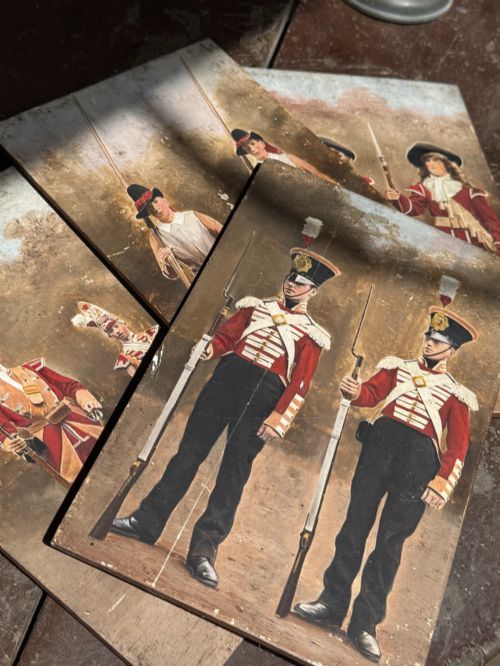
British folk art encompasses oil paintings, naive portraits, sailors' woolwork embroideries, painted wooden panels and carved treen items created across the eighteenth, nineteenth and twentieth centuries. These objects reflect domestic trades, rural life and personal expression without the constraints of academic training.
The most common examples you will encounter include nineteenth-century oil paintings on canvas or panel, detailed woolies depicting sailors and ships, and utilitarian treen such as fruitwood knitting sheaths. Pieces range from intimate child portraits and rustic landscapes to sculptural blacksmith anvils and painted military figures.
How they were made
Makers utilised available materials such as oil paint on canvas and wood panels, dyed wool for textile wall art, and dense fruitwood for carved treen objects. Many pieces incorporate punched decoration, hand-painted details and gilt accents applied with straightforward domestic tools.
The construction relies on vernacular traditions rather than factory production, utilising local timber like fruitwood, natural slate columns, and canvas stretched for provincial portraits and genre scenes.
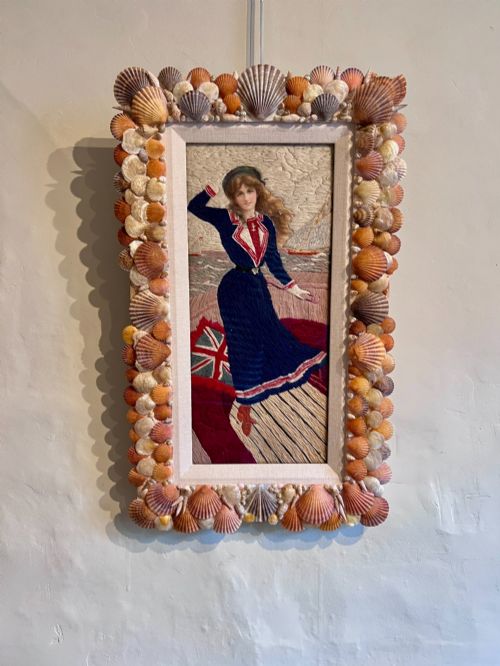
A smiling sailor girl peers out from a woolwork embroidery stitched on the ocean waves.
What varies in quality
Quality rests upon the strength of the primitive perspective and the character captured in painted faces and rural scenes, where confident handling outweighs strict anatomical correctness. The depth of detail in woolwork embroideries and the crispness of punchwork on carved treen separate the finer examples from ordinary output.
Condition and originality play a significant part, preserving the original uncleaned painted surfaces, untouched fruitwood patination, and period framing without later restoration.
J Brown·E H Windred·Gertrude Halsband·James Kyd·Thomas James Lloyd·William Shayer·E Baker
The British Folk Art Glossary
- Treen
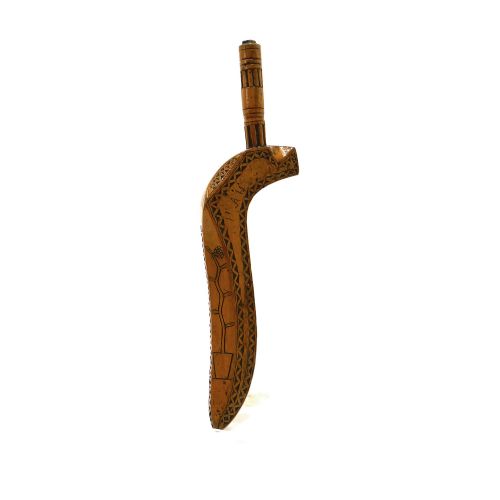
- Small handmade wooden household objects carved by local craftspeople or individuals. Examples include fruitwood knitting sheaths with punchwork decoration.
- Woolie
- Embroidered pictures made by sailors using coloured wools on canvas. These typically depict sailing ships, marine scenes, or domestic figures.
- Naive
- A style of art produced by self-taught makers prioritising expressive character over formal perspective. It is seen in provincial portraits and rural landscapes.
- Vernacular
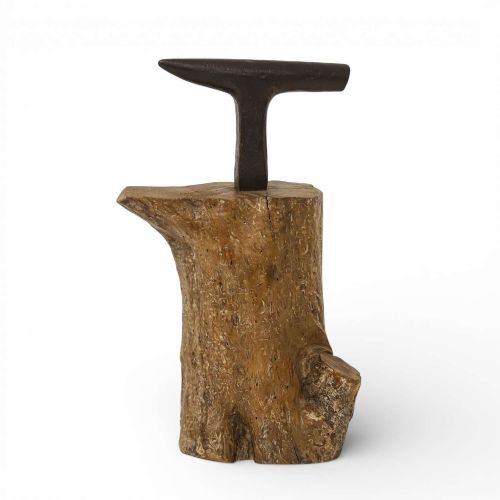
- Everyday objects built for practical use by regional makers rather than professional designers. Farrier's anvils and utility wares fall into this category.
British Folk Art: Frequently Asked Questions
What is British folk art?
British folk art comprises utilitarian objects, paintings, and textiles made outside the formal academic traditions of the eighteenth through twentieth centuries. It reflects regional trades, domestic life, and personal creativity.
The category includes naive oil portraits, sailors' woolwork pictures, painted wooden panels, and carved treen items like knitting sheaths.
Where did knitting sheaths come from?
Knitting sheaths were carved by regional craftspeople, particularly in areas like Cumbria and Durham, to hold a knitting pin steady during handwork. Makers often used dense fruitwood.
Carvers decorated these practical tools with punchwork patterns and geometric incisions, turning everyday utility items into personal tokens.
How do I date naive paintings?
Dating relies on examining the stretcher frames, canvas types, pigments, and the clothing styles worn by sitters in portraits. Costumes and hairstyles offer reliable clues to the decade.
Provincial paintings often retain inscriptions, old labels, or framing methods that point to nineteenth or early twentieth-century origins.