


Brass Weights Longcase Clock
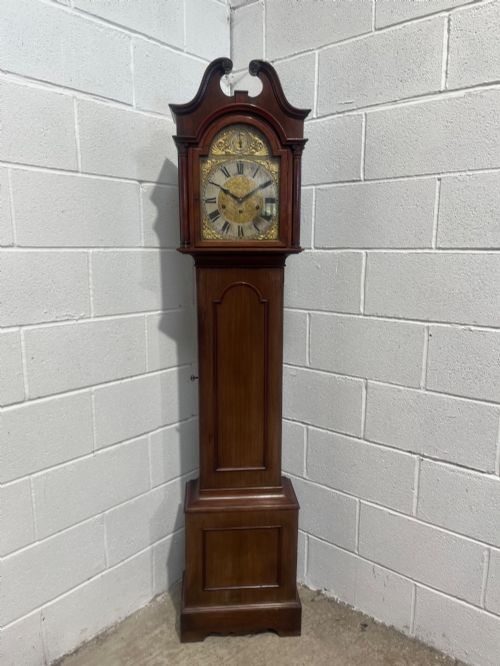
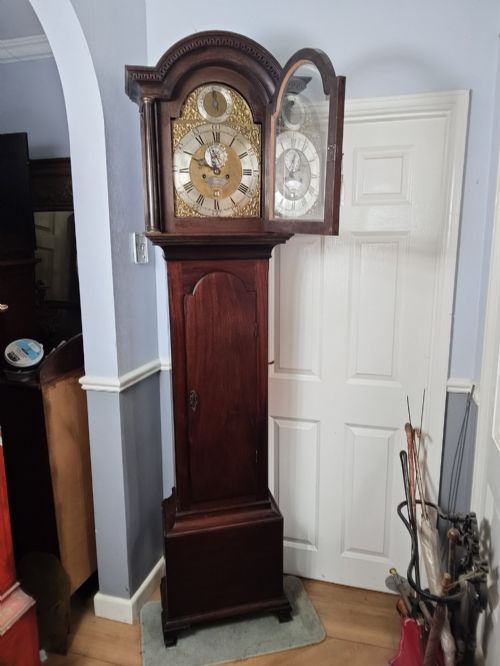
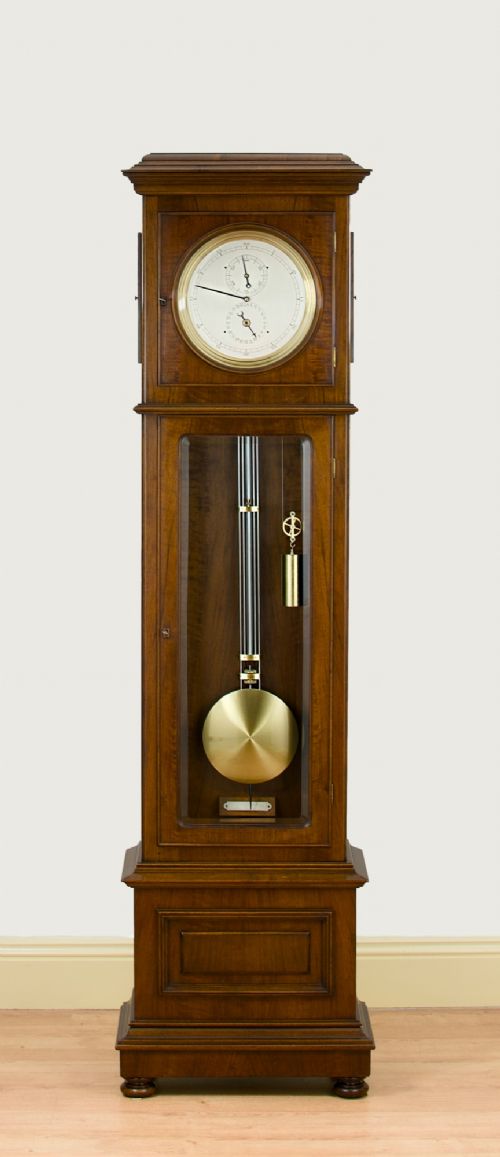
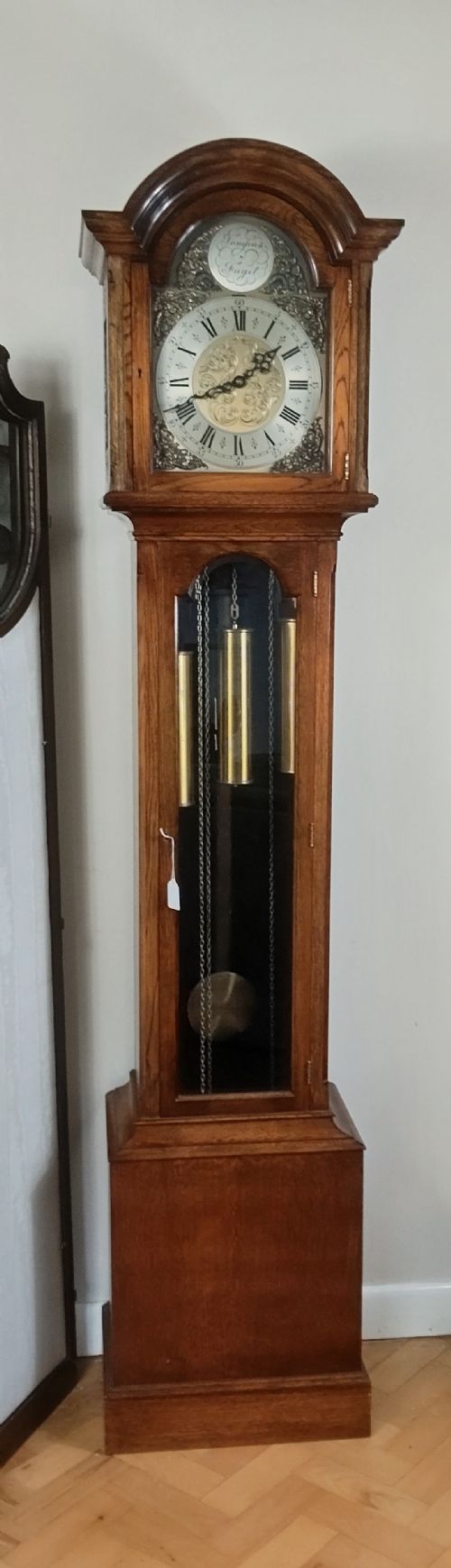
A brass weights longcase clock measures hours through gravity, combining a tall wooden case with metal drives.
Brass Weights Longcase Clock
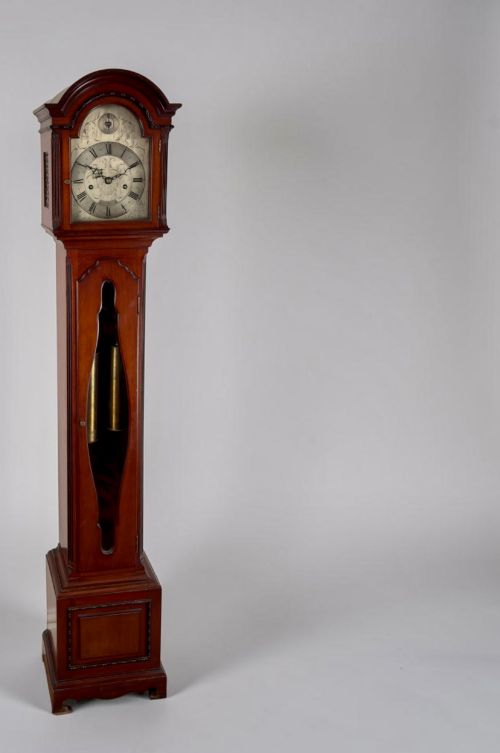
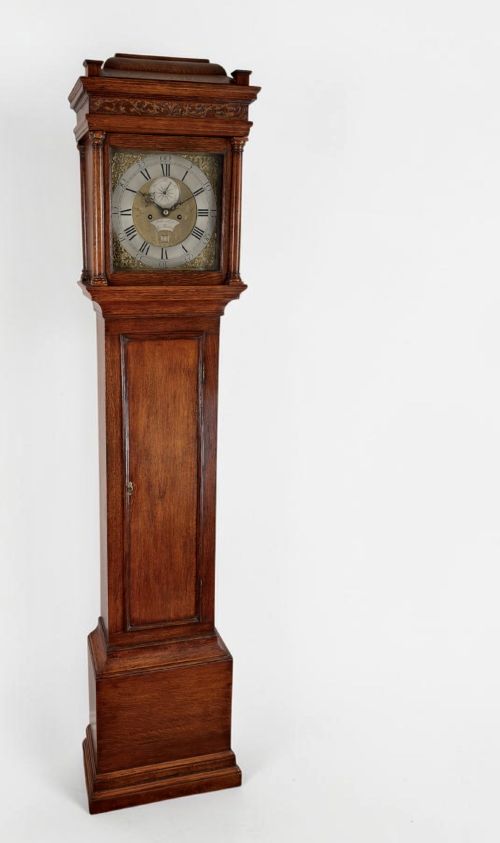
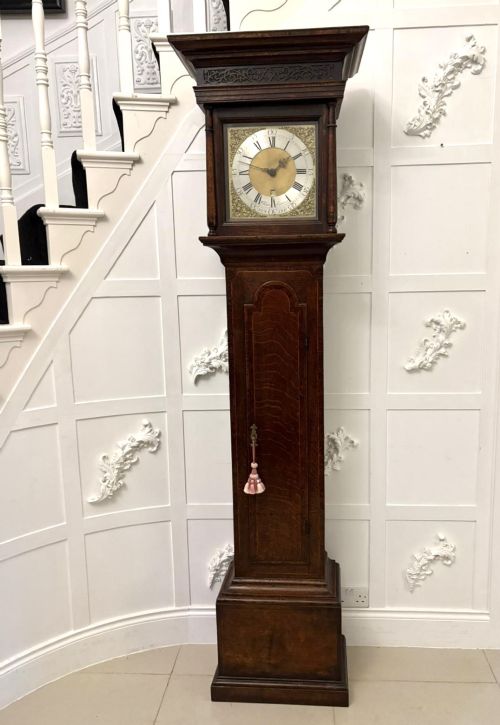
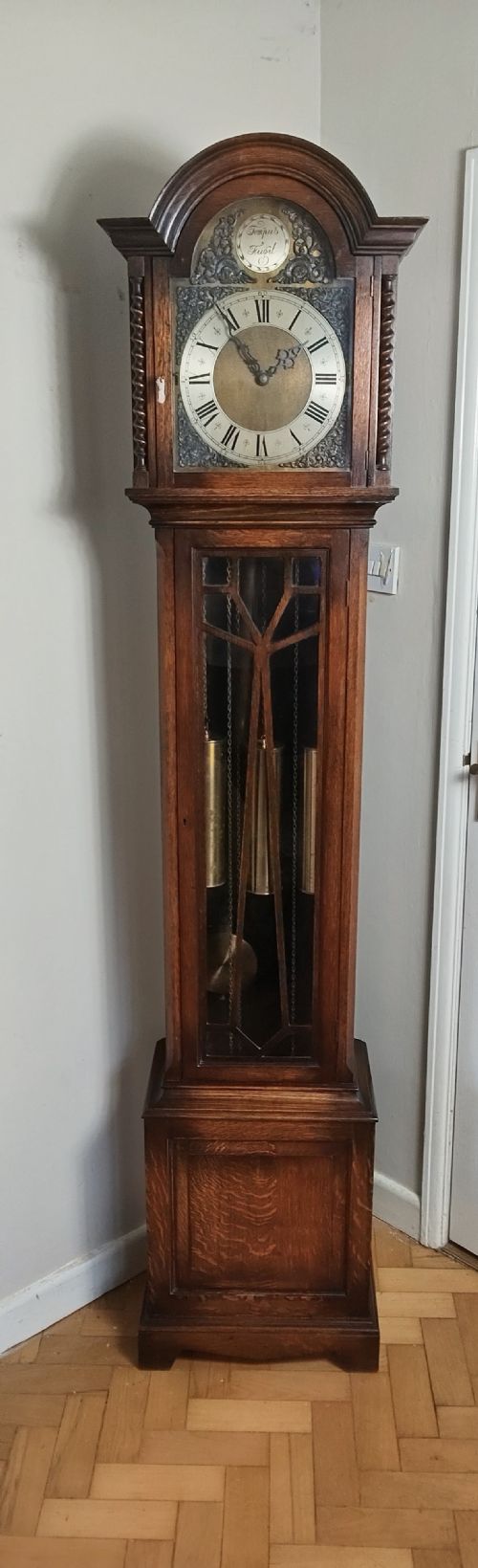
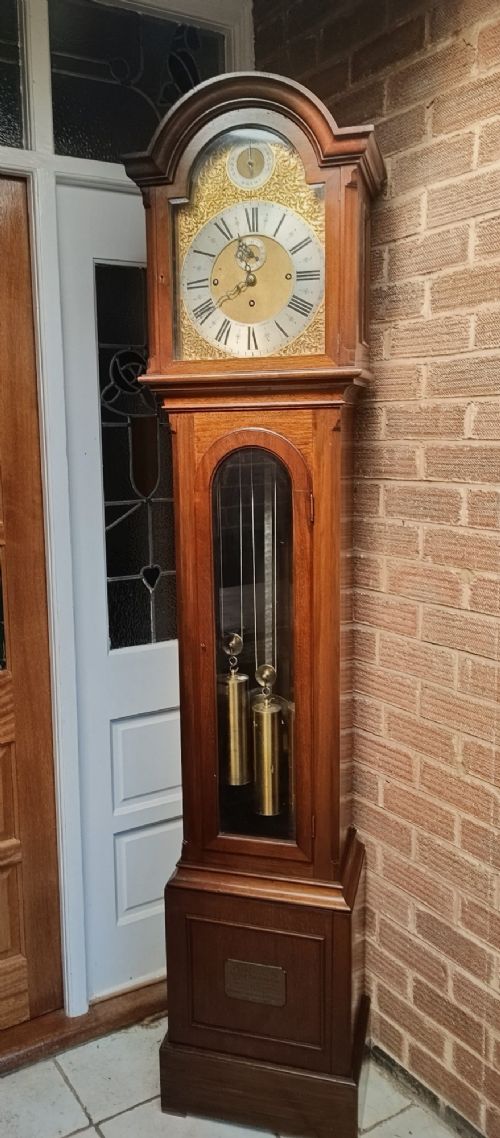
A brass weights longcase clock stands tall on the floor, housing a pendulum and driven by suspended metal masses. Buyers seeking this phrase encounter examples ranging from early eighteenth century oak designs to Edwardian and later twentieth century mahogany and walnut editions.
The selection includes standard grandfather clocks alongside smaller grandmother clocks and precision regulators. Regional English makers from London, provincial towns, and Scotland feature alongside continental pieces from Germany.
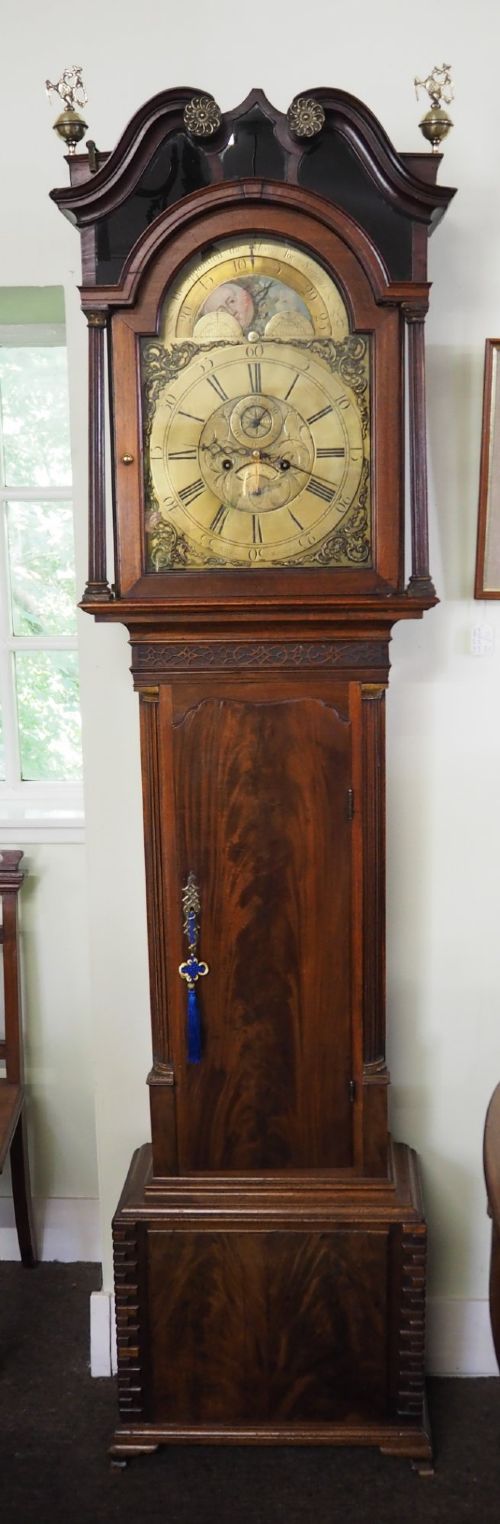
Cases vary from simple painted or polished timber to inlaid Edwardian work and pagoda tops. Alongside complete timepieces, individual components such as cased weights appear within the offerings.
Materials and Construction
Cabinetmakers utilised hardwoods including mahogany, oak, burr oak, walnut, and occasional lacquered finishes to build the tall protective housings. Glass panels protect the dial face, while internal movements incorporate brass and steel components.
Power relies on gravity acting upon heavy metal weights suspended by cords or chains. Master clockmakers housed these movements inside proportioned wooden trunks designed to allow the pendulum and weights free vertical descent.
Listings feature movements spanning the eighteenth, nineteenth, and early twentieth centuries, constructed in oak, mahogany, and walnut.
Distinctions in Execution
The refinement of the movement determines much of the standing, separating standard timekeepers from complex musical or quarter chiming regulators with multiple bells. Precision engineering in the gear train allows for exact timekeeping across extended runs.
Cabinet work separates standard production from superior craftsmanship through timber selection, such as figured mahogany or burr oak, and sophisticated architectural details like pagoda tops and fine inlay.
Gillett and Johnston·Lee of Great Marlow·Elliott·Lenzkirch·Enfield·Francis Perigal·William Wady·Lister and Sons·Benjamin Rogers·Anthony Marsh·Aitchison of Glasgow·Frederick Rowe·JJ Elliot
The Brass Weights Longcase Clock Glossary
- Longcase clock
- A tall pendulum clock enclosed in a wooden case standing directly on the floor. These instruments rely on suspended weights for their power.
- Grandmother clock
- A smaller version of the traditional tall clock, built with reduced dimensions. They suit more compact domestic spaces.
- Regulator
- A precision timekeeper designed for extreme accuracy, often featuring a specialised dial layout. They demand careful setup to maintain exact time.
- Chiming
- An acoustic mechanism that sounds melodies or quarter hours on bells or gongs. Many editions utilise multiple weights to drive these additional musical trains.
Brass Weights Longcase Clock: Frequently Asked Questions
How do brass weights operate the clock?
Heavy metal cylinders hang from cords wound around internal drums inside the trunk. As gravity pulls the weights downward, the stored energy turns the gear train to drive the hands and pendulum.
Owners must periodically wind the cords to draw the weights back to the top of the case. This mechanical setup eliminates the need for springs in traditional longcase designs.
Where should a longcase clock be placed?
These tall instruments require a stable, level floor and a secure fixing to a solid wall to prevent movement. Keeping the case plumb ensures the pendulum swings evenly and the escapement ticks regularly.
Avoid positioning them in areas subject to dampness or extreme temperature fluctuations, which can affect the timber case and internal metal parts.
What maintenance do weight driven clocks need?
Regular winding keeps the movement operational, matching the duration capability of the specific gear train, such as eight day runs. Periodic professional cleaning and oiling ensure the brass wheels and pivots avoid excessive wear.
Checking the suspension spring and keeping the case level helps maintain accurate timekeeping over the years.