
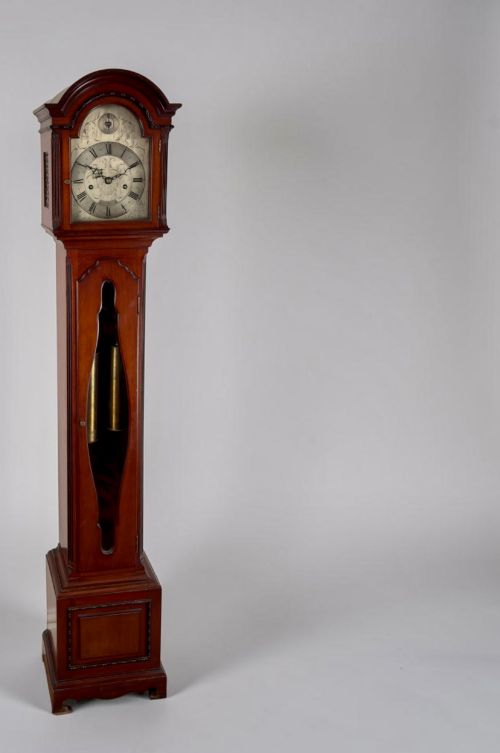
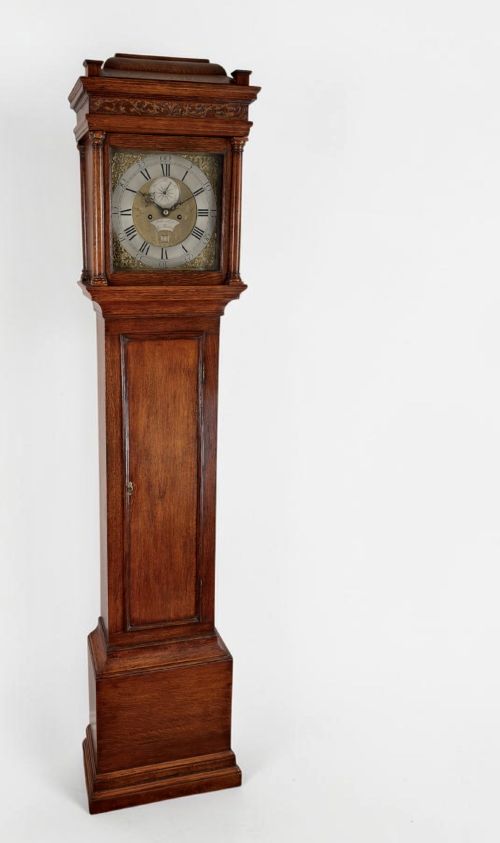
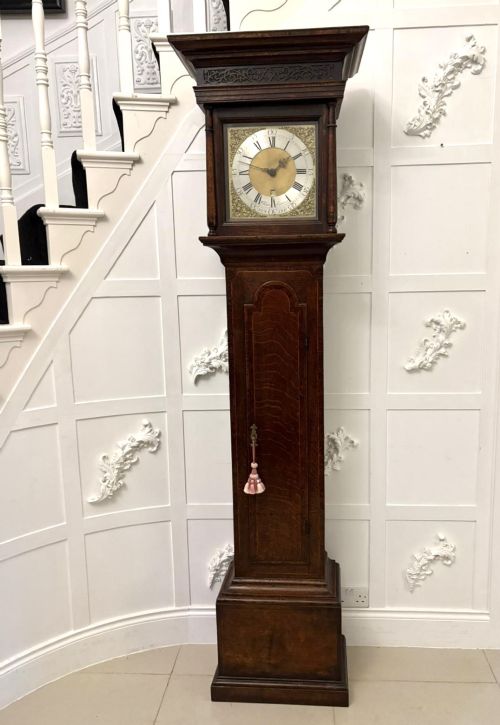
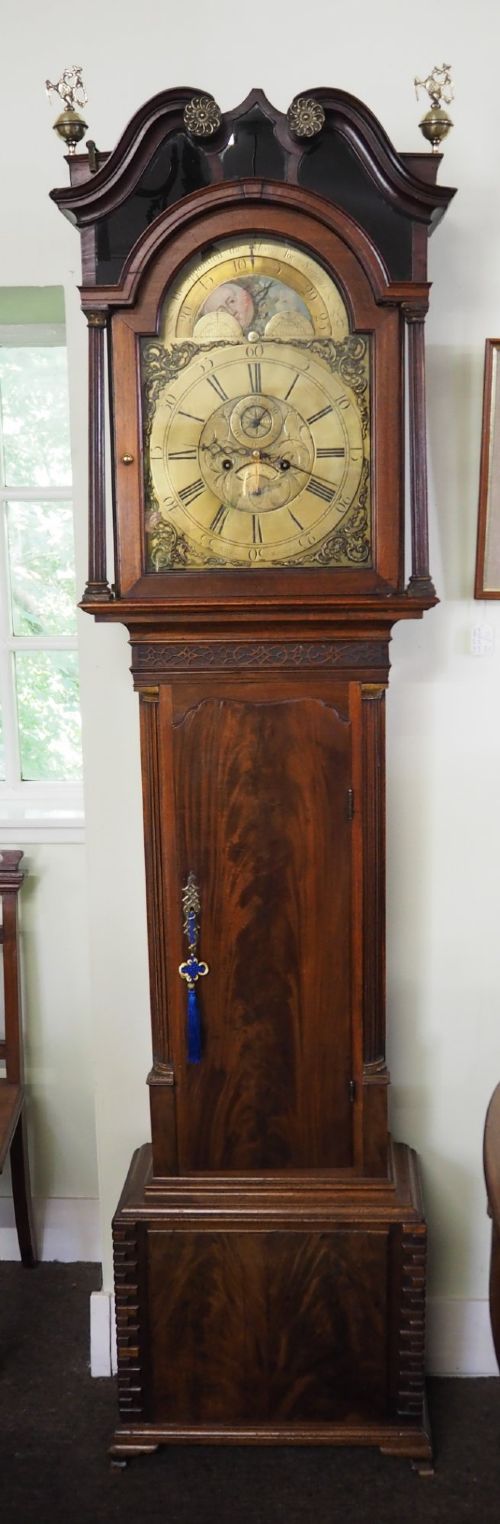
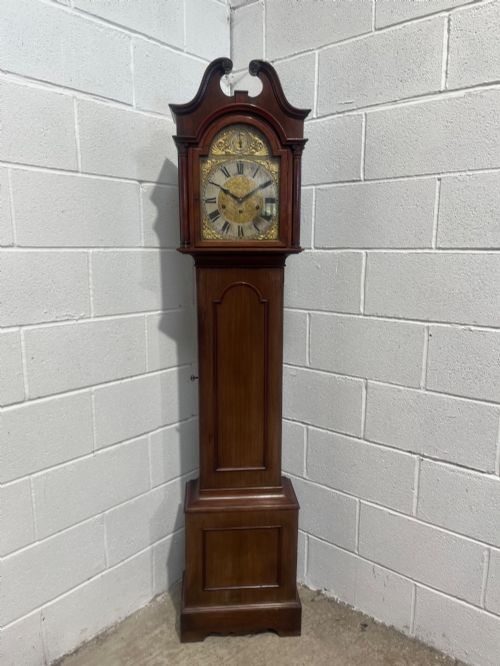
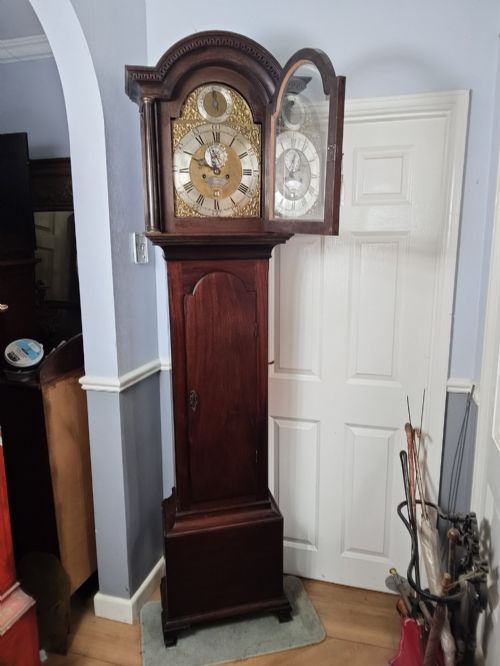
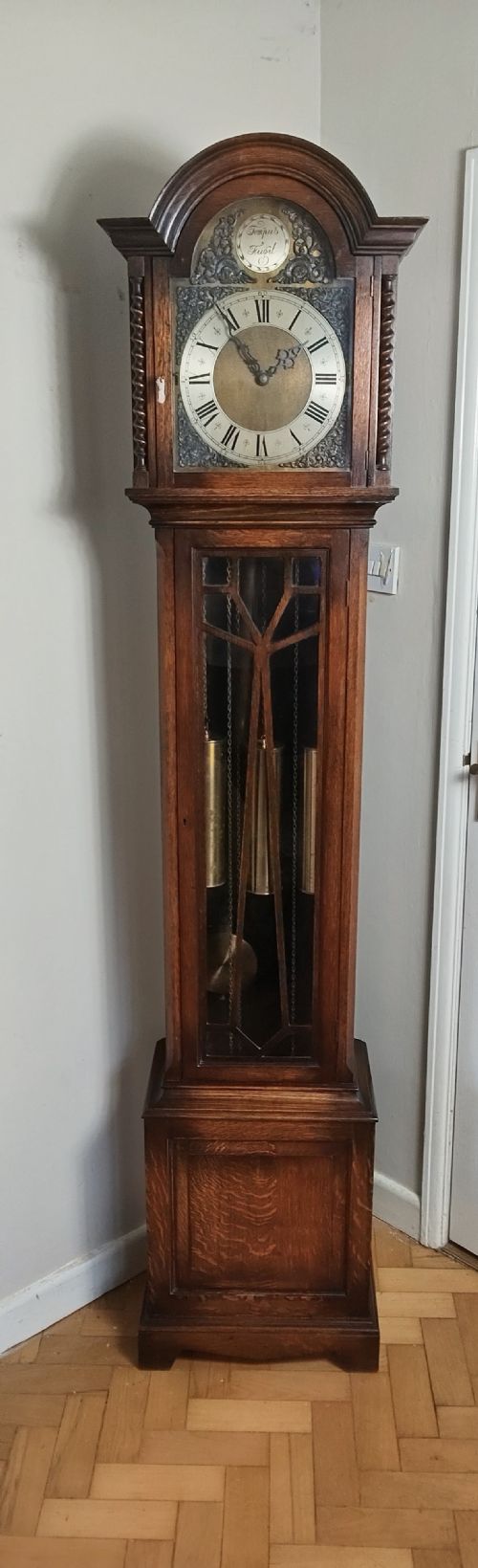
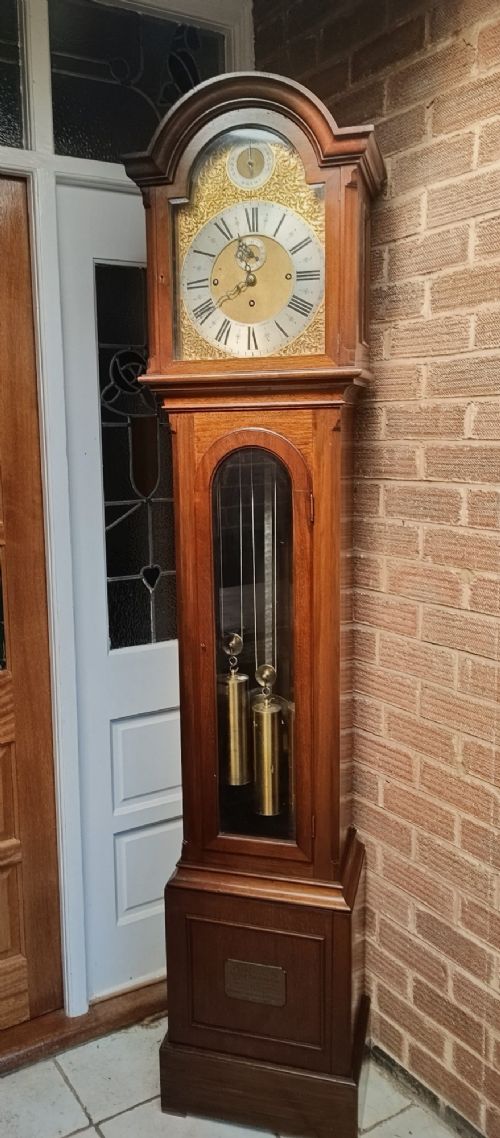
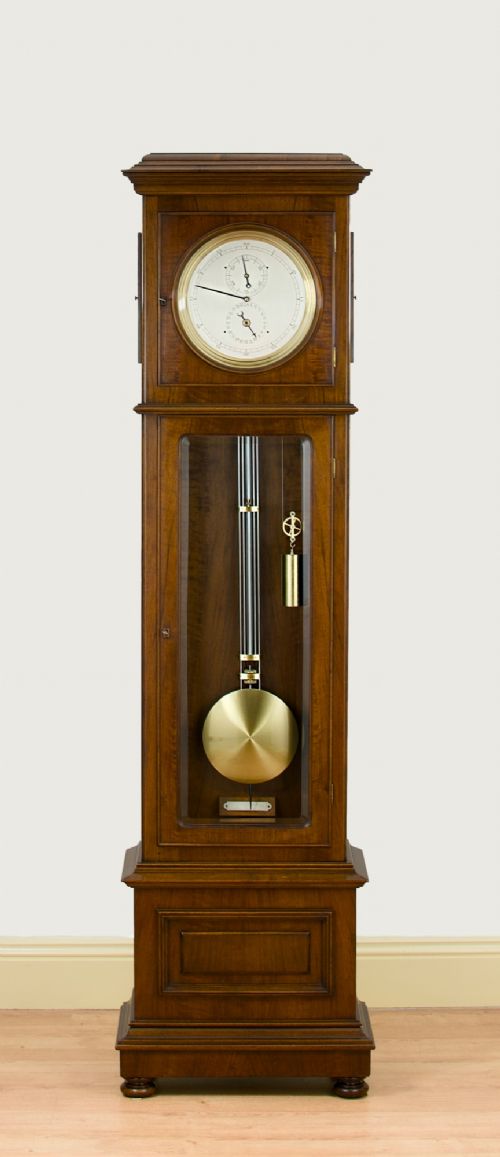
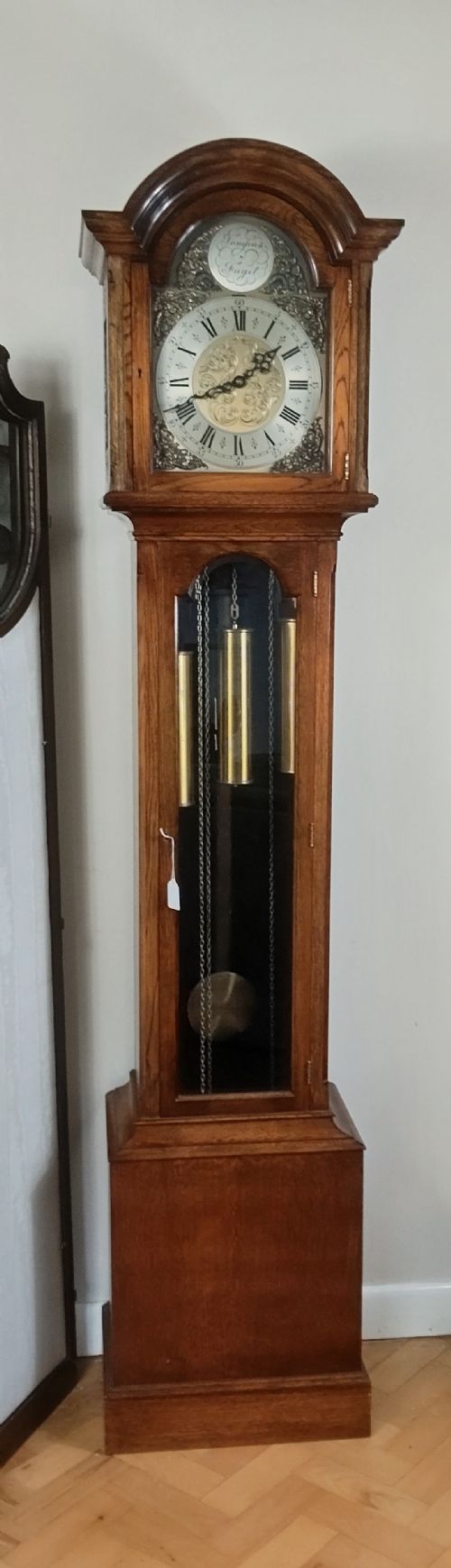


Brass Weight Floor Clock
A brass weight floor clock is a tall domestic timekeeper driven by heavy metal gravity power, offering deep architectural presence and rich mechanical movement.
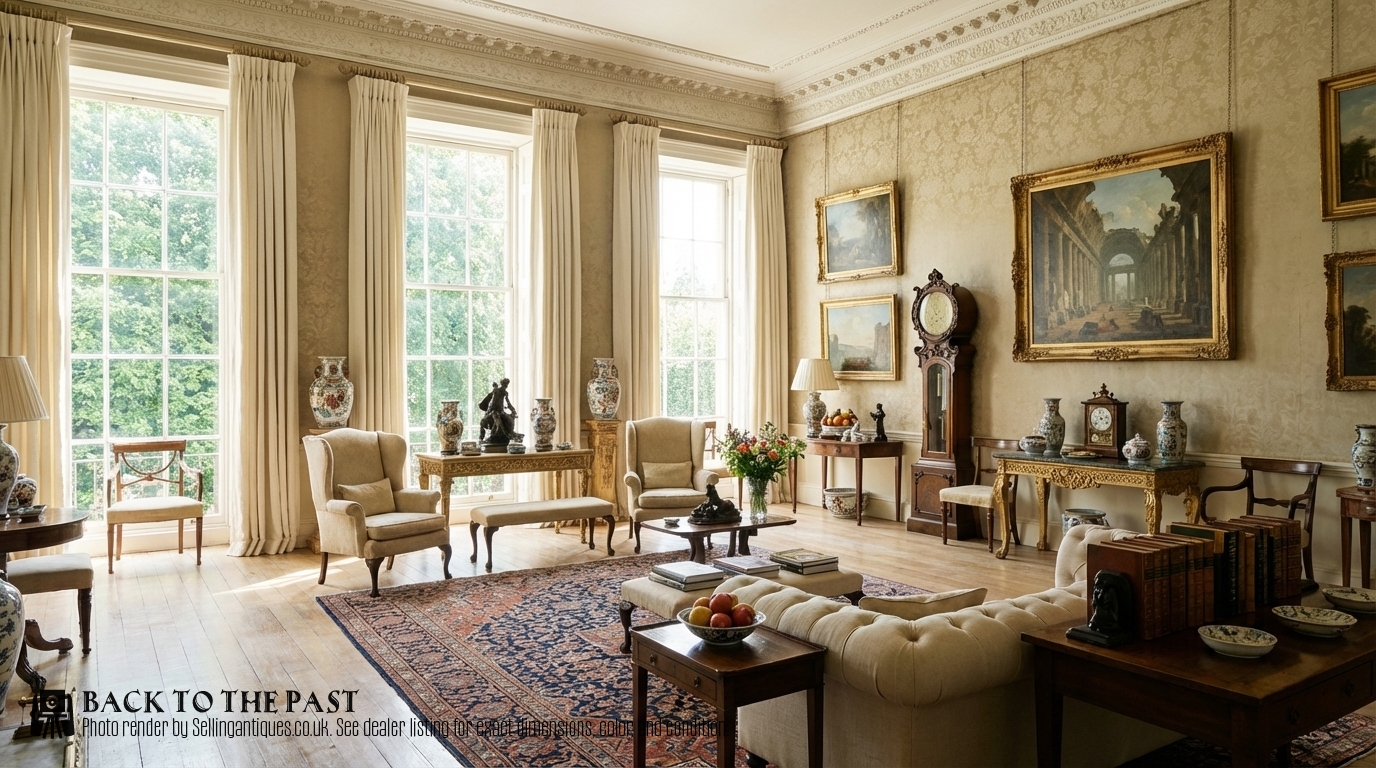
Brass Weight Floor Clock
A brass weight floor clock encompasses tall case timepieces driven by suspended weights rather than springs, including longcase clocks, grandfather clocks, and smaller grandmother clocks. Buyers exploring this category encounter tall floor-standing cabinets housing precise mechanical movements, most commonly originating from the eighteenth century, the Georgian period, and Edwardian eras.
The physical presence of these pieces ranges from imposing eighteenth-century oak and mahogany cases to refined Edwardian examples and compact twentieth-century variations. Cabinet forms span regional English styles, Scottish long case pieces, and continental designs utilising rich timber cases.
Most examples function through weight-driven mechanisms housed within tall wooden trunks, often featuring visible brass dials, pendulum windows, and distinct striking or chiming capabilities. The selection balances robust early provincial craftsmanship with sophisticated later musical and precision movements.
Assessing craftsmanship and execution
Quality separates standard timekeeping cabinets from masterworks through the crispness of dial engraving, the complexity of the movement, and the architectural proportion of the wood case. Finer examples feature intricate mechanical additions such as musical barrels, quarter-chiming bells, or precision deadbeat regulators.
The integrity of the timber selection and secondary woods dictates long-term structural refinement, where figured mahogany or Burr oak veneers demonstrate superior cabinet-making ambition. Furthermore, original signed brass dial faces by established provincial or London makers elevate the historical value above unsigned vernacular pieces.
Available objects range from towering eighteenth-century longcase pieces to compact Edwardian grandmother clocks and precision regulators.
Gillett & Johnston of Croydon·Lee of Great Marlow·Elliott·Lenzkirch·Enfield·Francis Perigal of Bond Street·William Wady of Twickenham·Benjamin Rogers·Anthony Marsh·Aitchison of Glasgow·Frederick Rowe of Great Marlow·JJ Elliot
The Brass Weight Floor Clock Glossary
- Longcase clock
- A tall, weight-driven timekeeper with a pendulum enclosed in a wooden case, commonly called a grandfather clock. These floor-standing instruments evolved significantly in height and dial complexity across the eighteenth and nineteenth centuries.
- Grandmother clock
- A smaller, more slender version of the traditional longcase clock, typically produced during the Edwardian period and early twentieth century. Their reduced scale allowed them to fit comfortably into modern domestic spaces without dominating a hallway.
- Regulator clock
- A high-precision timekeeper designed to keep exceptionally accurate time, often featuring a heavy brass pendulum and a clean dial layout. These specialised movements were utilised as reference clocks in workshops and affluent households.
- Quarter chiming
- A mechanical capability allowing the clock to strike musical notes or multiple bells at every quarter-hour interval. This complex feature requires additional gear trains and specialised chime barrels or bell arrays.
Brass Weight Floor Clock: Frequently Asked Questions
How do brass weight floor clocks work?
These timepieces operate through gravity, utilising heavy metal weights suspended on lines that slowly descend inside the wooden trunk to turn the internal brass gear train. As the weights pull downward, they drive the escapement and move the hands across the dial.
Maintaining the clock requires periodically pulling the chains or winding cords to draw the weights back up to the top of the case. The descending weights must have adequate vertical clearance inside the trunk to complete their multi-day or eight-day cycle.
Where should I place a grandfather clock?
A grandfather clock requires a stable, vibration-free interior location away from direct sunlight, heating vents, and damp exterior walls to protect the timber case and delicate movement. Placing the clock against a solid structural wall ensures the heavy cabinet remains upright and secure.
The tall case needs adequate ceiling height and enough floor space to allow the heavy brass weights and pendulum to hang freely without obstruction. Proper positioning also ensures the sound of the bell strikes carries pleasantly throughout the living space.
How do I tell an 18th century clock apart from later ones?
Eighteenth-century examples typically display hand-engraved brass dial plates, distinct regional cabinet proportions, and solid secondary woods suited to vernacular workshops. The construction of the hood and movement layout often reveals simpler, hand-finished components unique to early provincial production.
Later Edwardian and twentieth-century pieces often incorporate standardised mass-produced movement plates, specialised quarter-chiming sequences, and refined veneering techniques. Examining the interior construction marks, dial architecture, and signature styles helps establish the chronological era.
What is the difference between a longcase and grandmother clock?
A traditional longcase clock stands impressively tall, usually housing an eight-day weight-driven movement designed for grand hallways and large domestic rooms. Their substantial proportions reflect the architectural demands of Georgian and eighteenth-century interiors.
A grandmother clock is a scaled-down version that appeared in greater numbers during the Edwardian and early twentieth century. This diminutive format provides the mechanical charm of a weight-driven floor clock within a much shorter and narrower cabinet.