
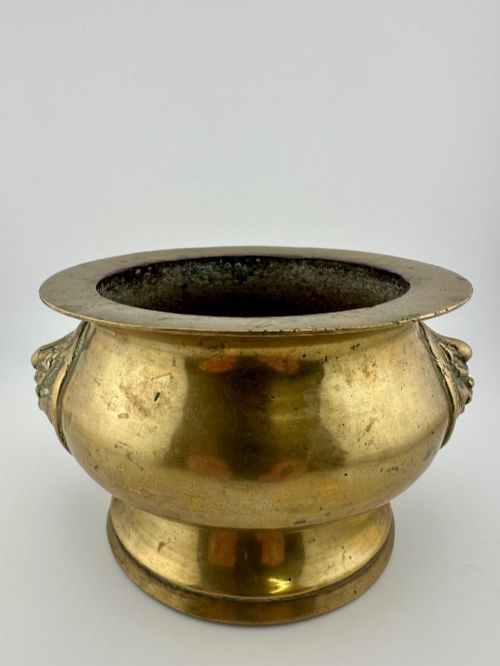
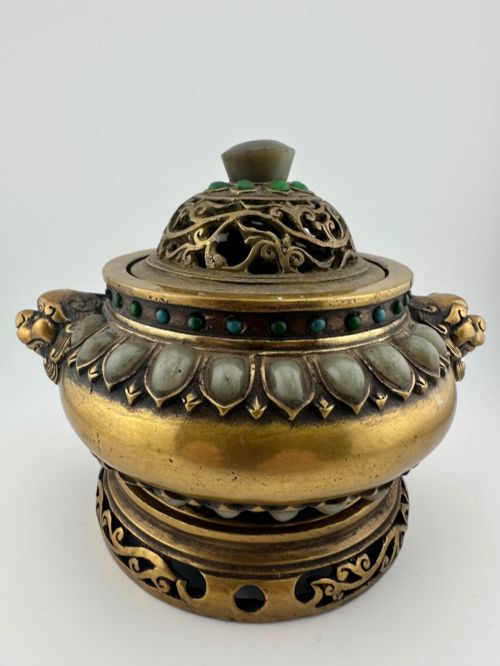
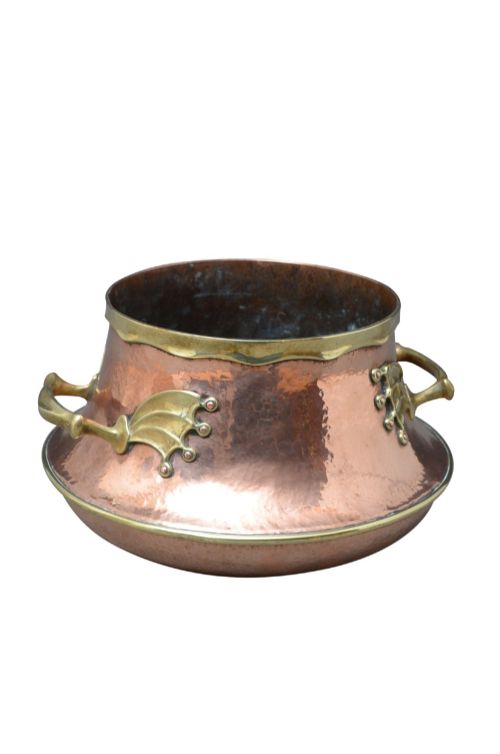
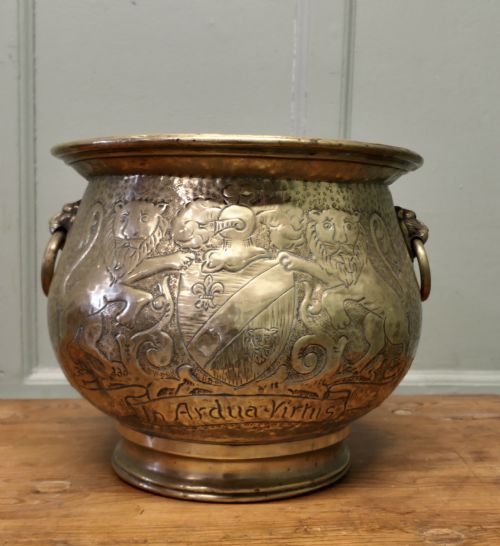
Brass Vessel with Handles
These brass vessel with handles examples span centuries of metalwork, offering both utility and decorative presence for the home.
Brass Vessel with Handles
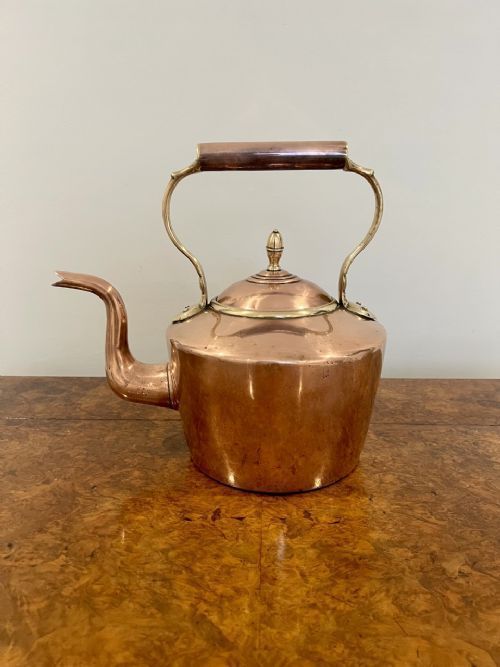
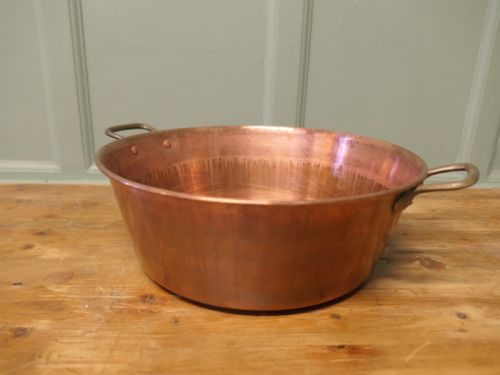
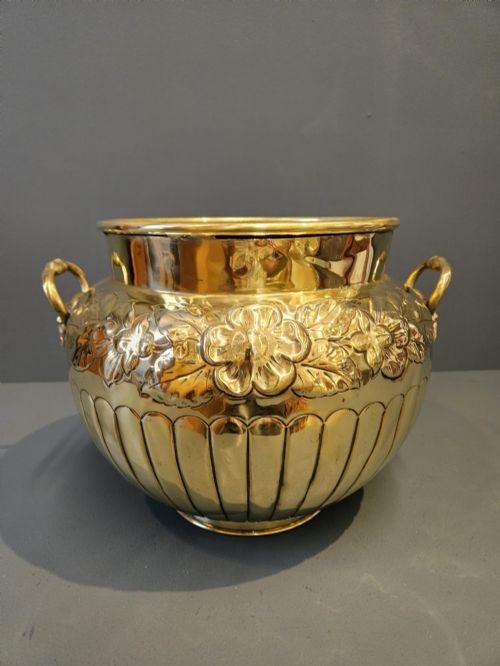
When you search for a brass vessel with handles, you encounter a diverse array of utilitarian and decorative objects spanning multiple centuries. The selection encompasses functional household items alongside ornamental pieces designed for display.
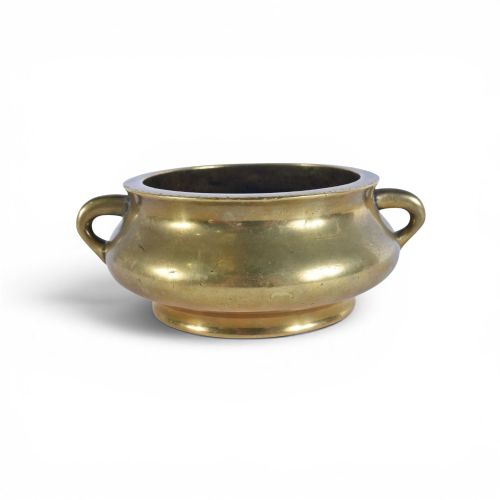
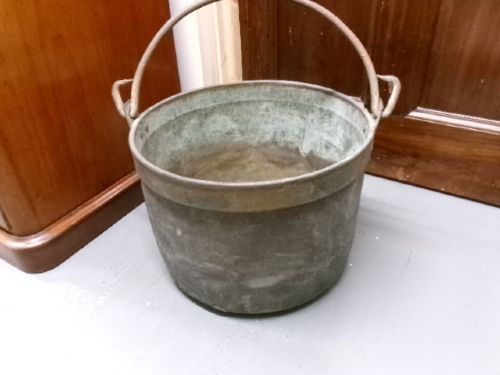
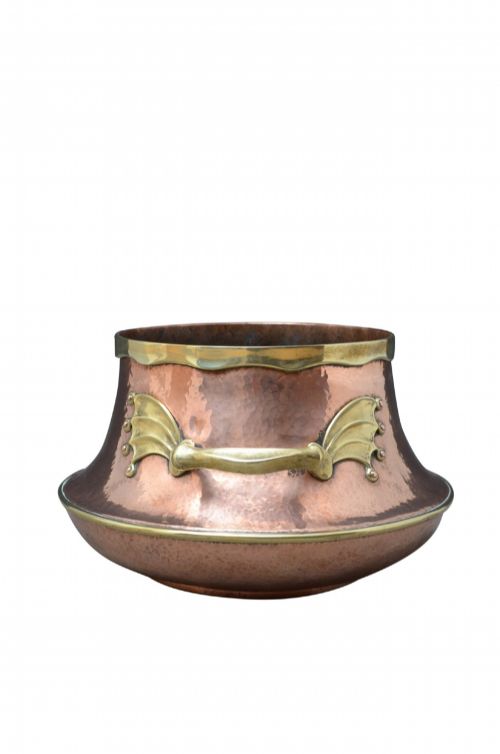
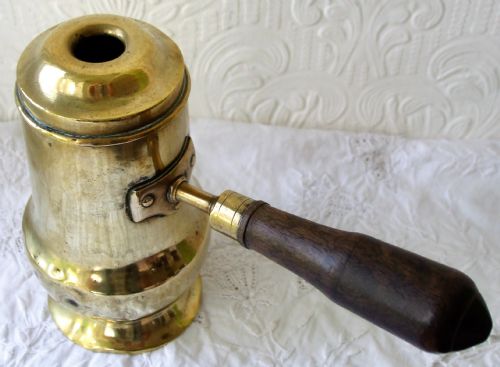
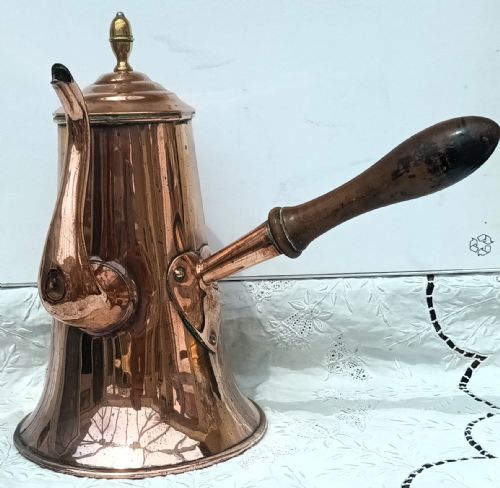
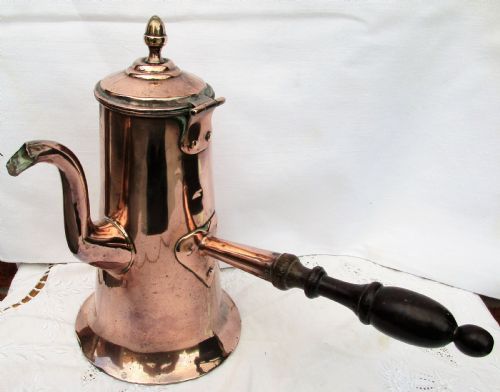
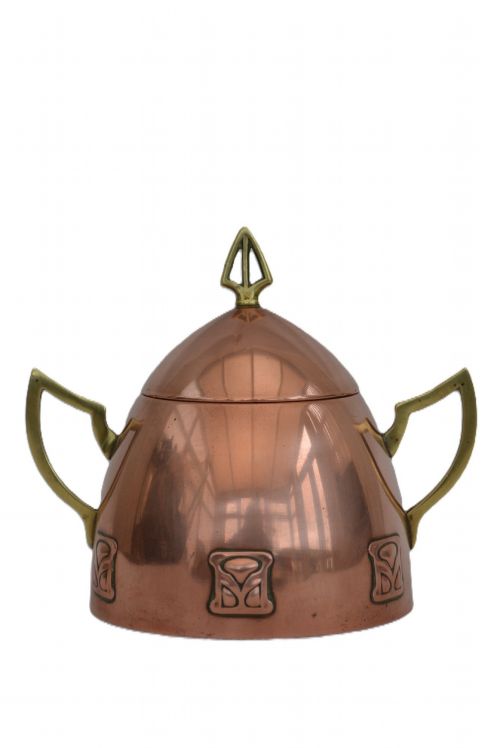
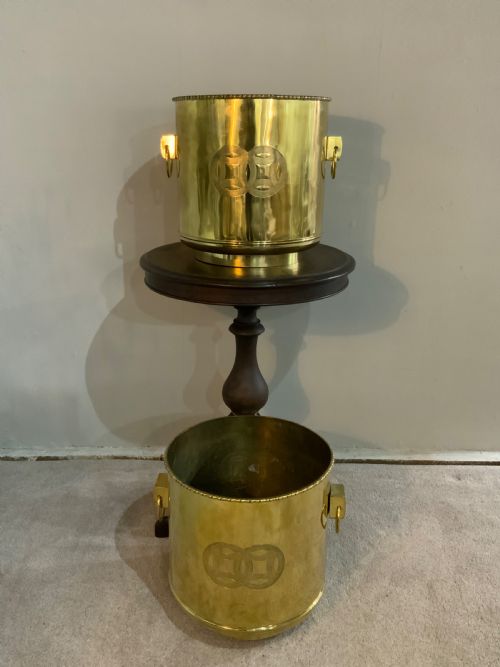
Jardinieres, coffee pots, urns, and incense burners form the core of what appears on this page. These items draw from varied origins, including 18th-century British examples and Asian revival pieces.
Stylistic influences range from Gothic Revival and Neoclassical to Victorian and Qing Dynasty aesthetics. Such variety ensures that collectors find both everyday domestic copperware and formal decorative vessels.
How They Were Made
Metalworking techniques rely heavily on the manipulation of brass, copper, and bronze. Artisans shaped these primary metals through casting, hammering, and joining.
Selected pieces incorporate secondary materials such as wood, jade, and hardstone for handles, inlays, or structural support. Surface decoration often involves polishing, engraving, or applied figural elements.
A German shell case from 1915 transforms wartime artillery into decorative trench art bearing the British Royal Artillery coat of arms.
What Varies in Quality
The standard of a vessel depends upon the weight of the metal and the crispness of its cast or chased details. Heavier castings and well-defined figural handles indicate superior craftsmanship.
Proportion and the integrity of construction separate ordinary domestic items from exceptional decorative works. Original mounts, intact lids, and uncompromised structural joins determine the standing of each piece.
William Soutter And Sons
The Brass Vessel with Handles Glossary
- Jardiniere
- An ornamental pot or stand for holding plants or flowers. These items often feature integrated handles and decorative metalwork.
- Censer
- A vessel used for burning incense, frequently fitted with a cover and supported by a stand. Many historical examples originate from Asian workshops.
- Ewer
- A large pitcher with a wide spout and a handle, traditionally used for pouring water. Victorian and earlier iterations often display elaborate figural handles.
- Mortar and pestle
- A heavy bowl and club-shaped tool used for grinding substances. Metal versions from the 1700s are valued for their solid construction.
- Trench art
- Decorative items made by soldiers from war scrap materials. These objects often incorporate shell cases and regimental markings.
Brass Vessel with Handles: Frequently Asked Questions
What were these brass vessels used for?
These items served a multitude of domestic, ritual, and decorative functions over the centuries. Uses ranged from brewing coffee and heating coal to burning incense and displaying interior plants.
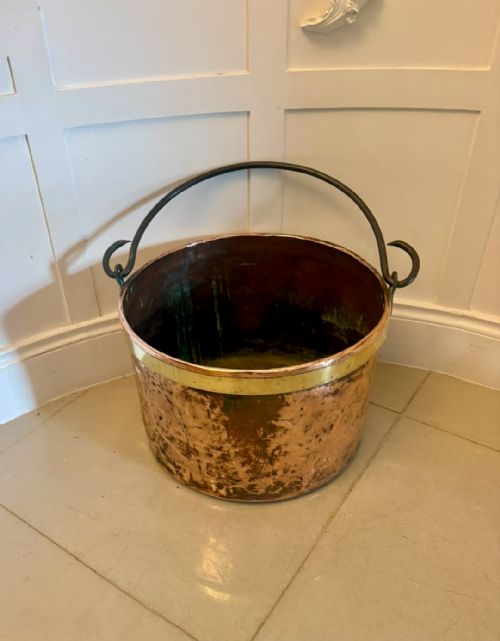
Larger vessels functioned as cauldrons or heavy planters, while smaller urns and ewers existed primarily for visual display within formal rooms.
How do I clean an antique brass vessel?
Cleaning depends entirely on the desired appearance and the historical sensitivity of the metal surface. Many collectors prefer to leave natural patina intact rather than polish the metal to a bright shine.
If cleaning is necessary, use mild soap and warm water with a soft cloth. Avoid harsh chemical abrasives that strip the aged surface layer.
How can I tell the period of a vessel?
Dating relies on stylistic clues, manufacturing techniques, and specific design motifs associated with periods like the Georgian era or the Victorian age. Heavy casting marks, hand-beaten seams, and distinct maker stamps offer further chronological evidence.
Comparing the decorative style, such as Gothic Revival or Neoclassical elements, helps narrow down the probable decade of manufacture.
Are these vessels suitable for daily use?
While many pieces were built for rigorous daily tasks like coffee preparation or mortar grinding, their current condition dictates their utility. Fragile inlays or historical wear mean modern use is generally restricted to decorative display.
Sturdier items such as heavy brass bowls or large planters can still function practically in a contemporary home.