



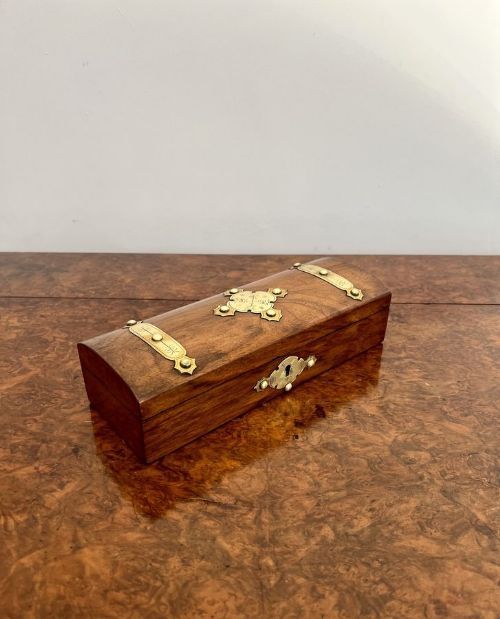
Brass Vanity Casket
A brass vanity casket is a sturdy container holding personal treasures, chosen for intricate metalwork and lasting elegance.
Brass Vanity Casket
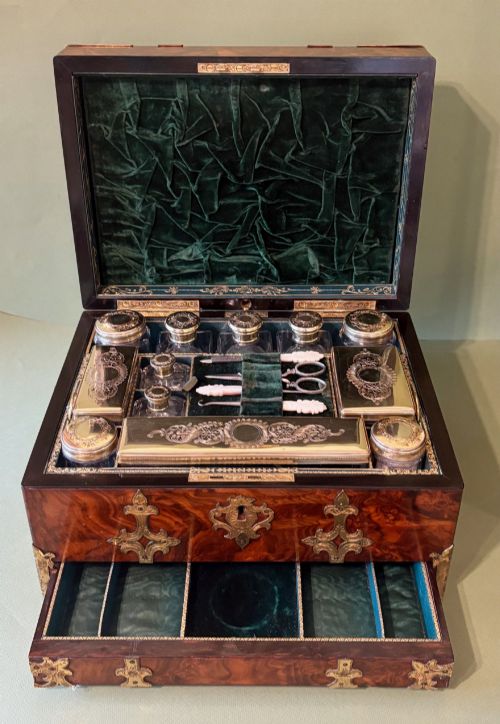
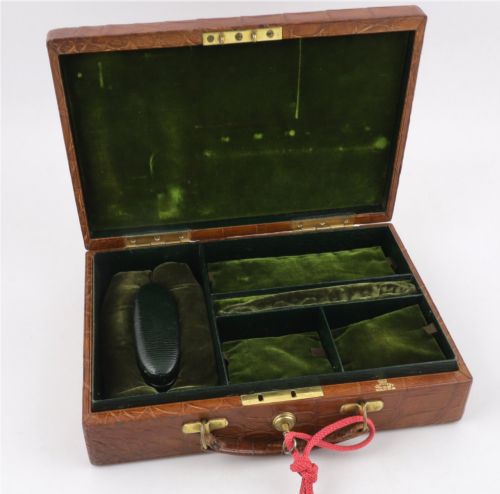
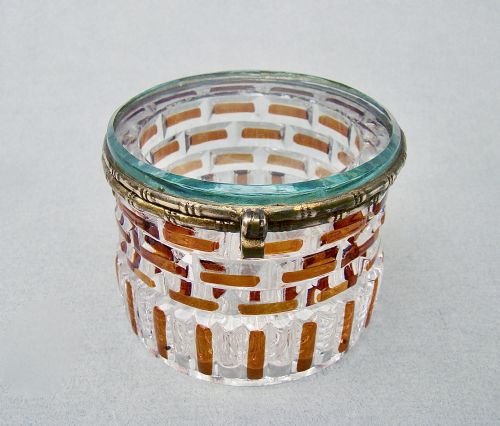
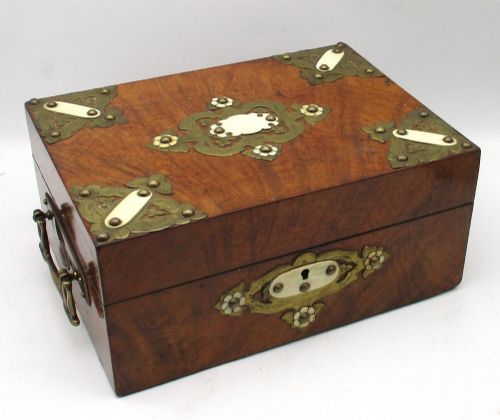
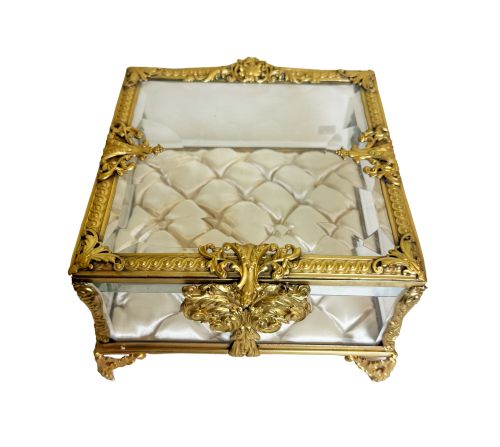
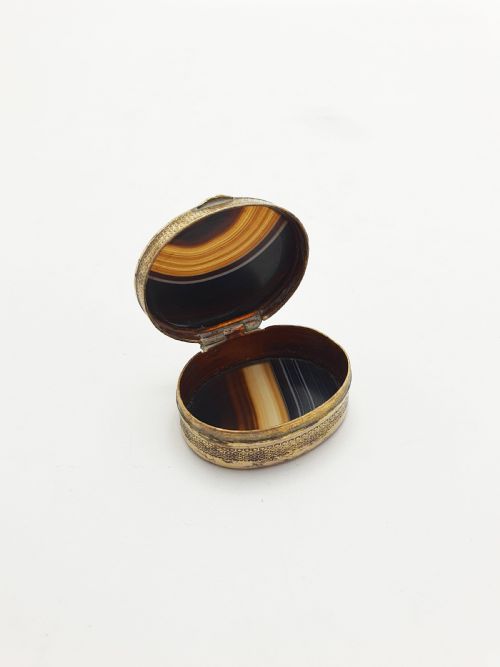
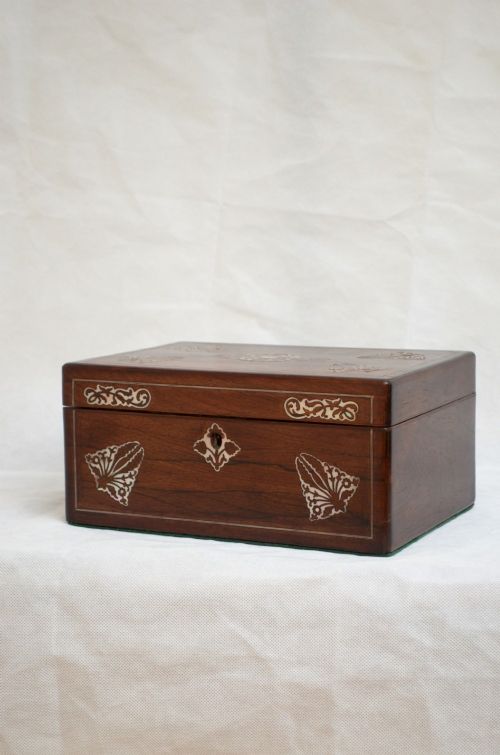
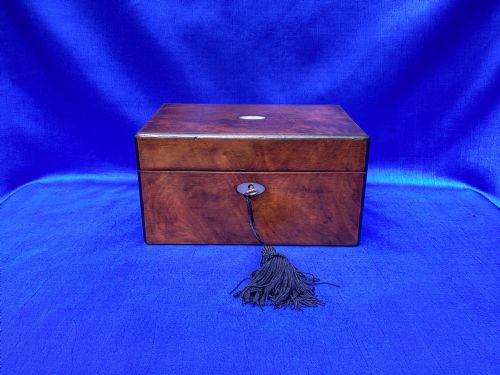
A brass vanity casket serves as a sophisticated desktop or dressing table container designed to safeguard precious personal belongings, letters, and accessories. When exploring the category of a brass vanity casket, buyers encounter pieces originating primarily from Victorian and Regency periods, alongside later examples from around nineteen hundred. These items span various forms including jewellery boxes, trinket boxes, and fitted workboxes.
The objects seen here reflect a diverse range of stylistic influences such as French Belle Epoque, Gothic Revival, and Arts and Crafts movements. Many incorporate hinged lids and secure compartments intended for everyday use or safe storage of valuables. Selecting a specific model involves weighing historical period against utilitarian function and decorative appeal.
How they were made
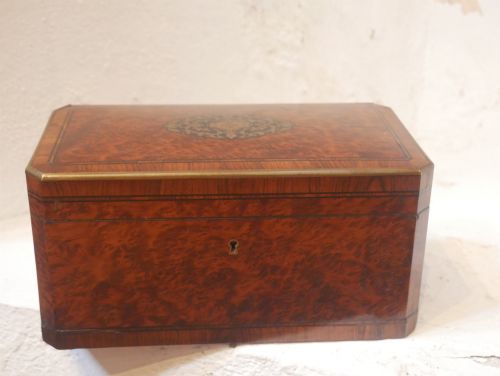
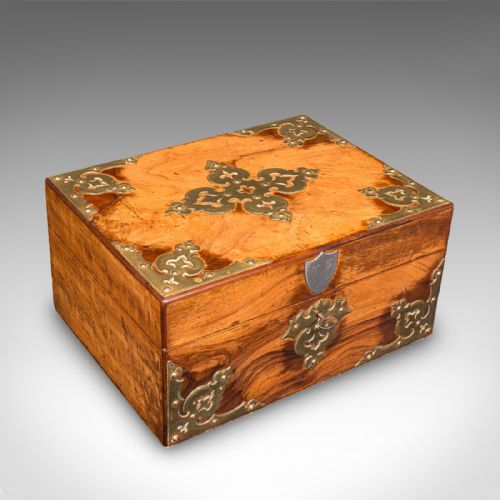
Construction relies heavily on durable hardwoods like rosewood, walnut, and coromandel, combined with structural brass mounts, gilt bronze frames, and cast brass elements. Artisans employed traditional joinery techniques alongside metal casting and electro-forming to shape detailed surface ornamentation.
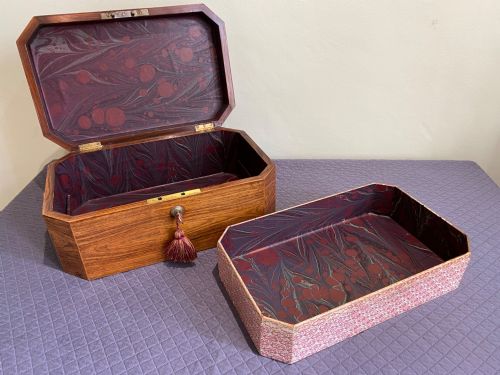
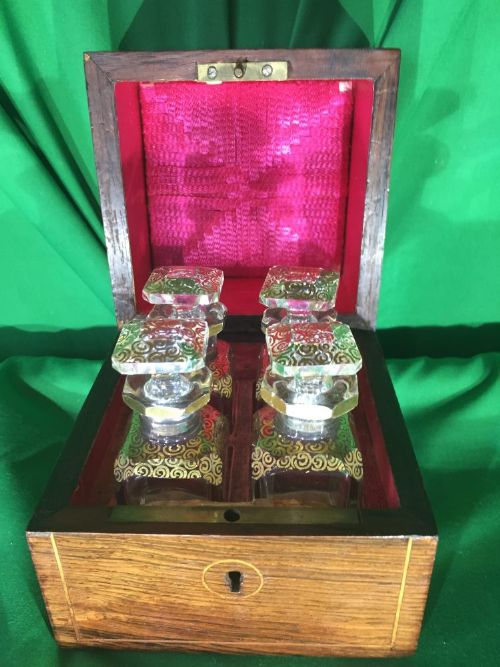
Interiors frequently feature linings of velvet, silk, or leather, paired with fitted compartments designed to hold glass scent bottles or small tools. Exterior surfaces often showcase brass banding, inlay, or leather binding to reinforce corners and edges.
One unexpected box conceals perfume bottles alongside secret drawers, proving that Victorians loved a locked compartment.
What varies in quality
Superior examples of a brass vanity casket display precise metal casting, crisp chasing on mounts, and tight, seamless joinery in the underlying timber or leather carcase. The integrity of internal fabric linings and the original operation of hinges and locks distinguish finer work from standard production.
The complexity of internal fittings, such as removable trays or integrated glass scent bottles, separates utilitarian containers from luxury items. Preservation of original surface finishes and authentic mounts further determines the standing of an individual piece.
Tahan Paris·J C Vickery·Trussell Brighton
The Brass Vanity Casket Glossary
- Ormolu
- Gilded bronze or brass applied as a decorative mount onto furniture and boxes. This technique was popular in nineteenth-century decorative arts.
- Coromandel
- A dense, dark brown timber with contrasting black streaks imported from Asia. It provides a striking surface for high-end nineteenth-century caskets.
- Writing slope
- A portable desk featuring a sloping lid that opens to reveal a slanted writing surface and stationery compartments. Many double as jewellery or document boxes.
- Scent casket
- A specialised box partitioned to securely hold multiple glass perfume bottles. These often feature locking mechanisms to protect fragile glass vessels during travel.
Brass Vanity Casket: Frequently Asked Questions
What is a brass vanity casket used for?
These boxes serve to organise and protect small personal items such as jewellery, letters, and sewing accessories on a dressing table. Their compartmentalised interiors keep delicate objects separated and secure.
Historically, owners stored daily trinkets and sentimental keepsakes inside them. Today, they function both as decorative storage and as examples of period craftsmanship.
How do I date a brass vanity casket?
Dating relies on identifying stylistic markers, construction methods, and materials associated with periods like the Regency or Victorian eras. Examining lock types and hinge styles can also provide clues to the manufacturing decade.
Makers' marks or engraved inscriptions on interior shields sometimes offer definitive dates. Comparing wood types, such as rosewood or burr walnut, helps narrow down the timeframe.
Are the interiors usually original?
Many surviving caskets retain their original silk, velvet, or leather linings, though wear from use often necessitates professional restoration. Replacement linings are common in pieces that saw heavy daily service.
Checking the fit and wear patterns helps determine whether the interior fabric dates to the manufacture of the box. Original fittings like glass scent bottles add significantly to the integrity of the piece.
How should I care for wood and brass?
Wood surfaces benefit from occasional light waxing to maintain the lustre of rosewood, walnut, or coromandel without building up heavy residue. Brass mounts require gentle dusting and should be kept free from abrasive cleaning agents.
Placing these caskets away from direct sunlight and extreme temperature fluctuations prevents the timber from warping and protects internal fabrics from fading.