
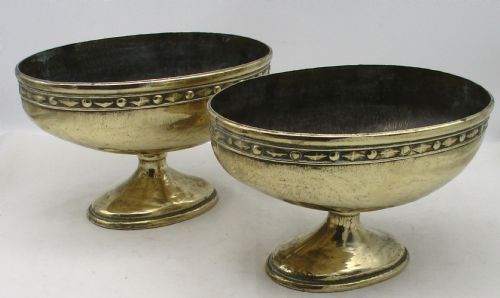
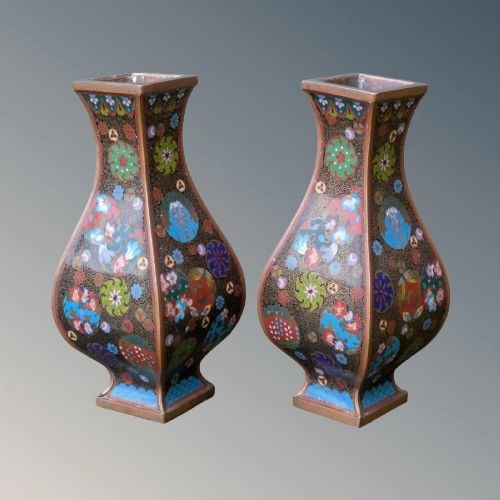
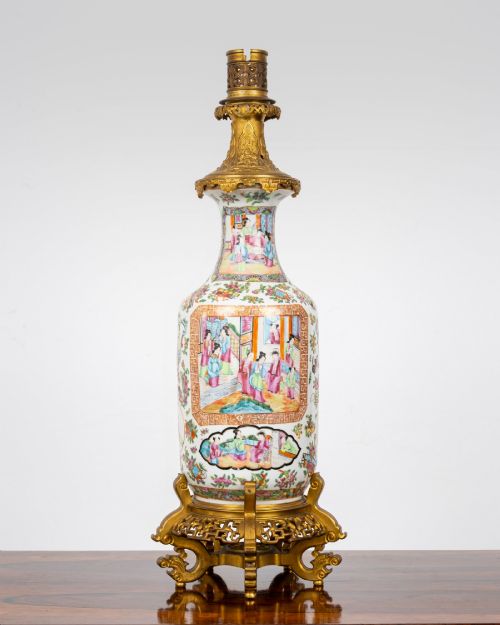
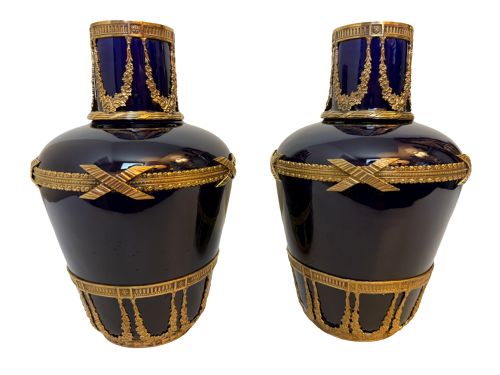

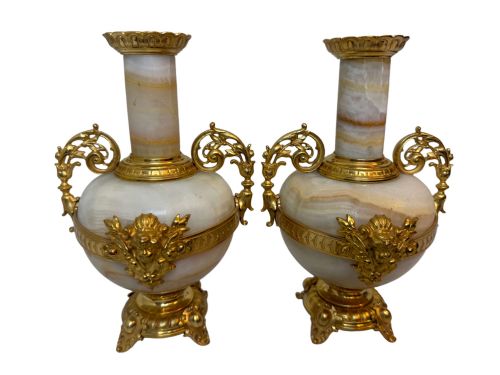


Brass Urn Vase
When seeking a brass urn vase, collectors discover vessels blending utility with decorative metalwork across diverse nineteenth- and twentieth-century traditions.
Brass Urn Vase
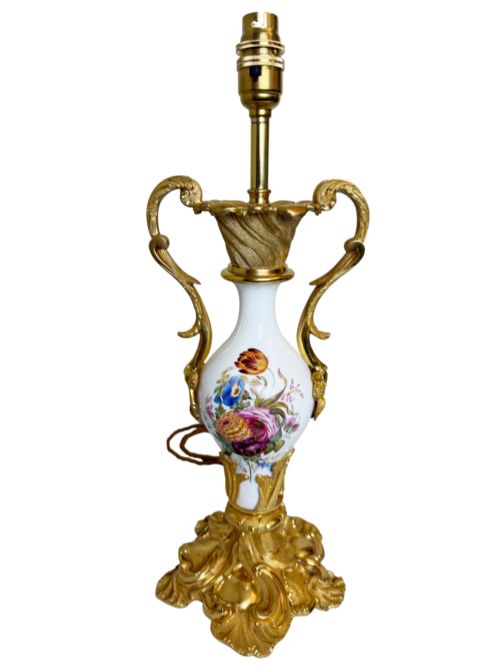
A brass urn vase combines classical vessel shapes with durable metalwork, serving both decorative display and practical floral arrangement. Buyers exploring this category frequently encounter paired items, including altar garnitures, mantel ornaments, and converted lamp bases.
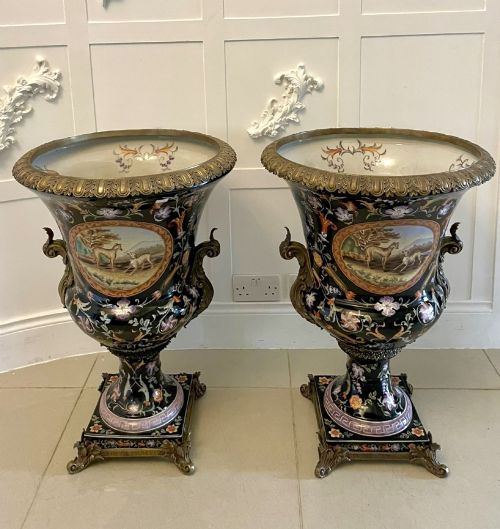
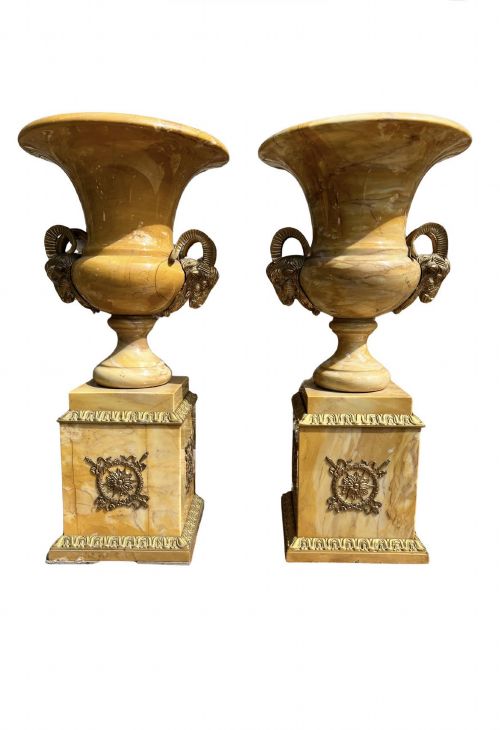
The pieces on this page span the Victorian era, Edwardian period, and early twentieth century, alongside continental European and Asian exports. Forms range from heavy baluster bodies to twin-handled trophy designs and grand tour campana models.
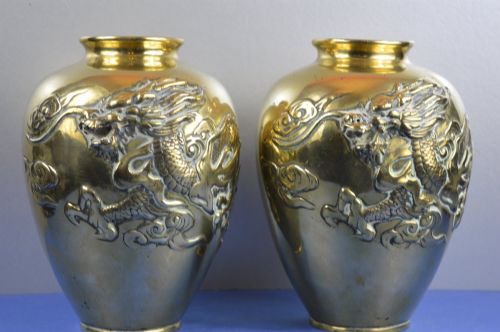
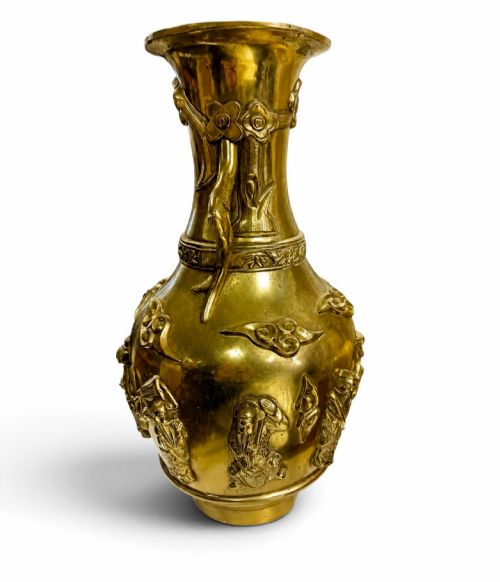
Origin points are remarkably varied, encompassing Chinese cloisonné productions, Japanese bronze works, Indian Raj carvings, and French or Italian mountings. This international scope means buyers can select items ranging from small mantel ornaments to monumental floor-standing pieces.
Materials and methods
Metal fabrication forms the backbone of these pieces, utilising cast brass, hammered copper-alloy, and gilded bronze alongside structural elements like marble, porcelain, and onyx. Artisans employed casting, piercing, and heavy chasing to build rigid, decorative surfaces.
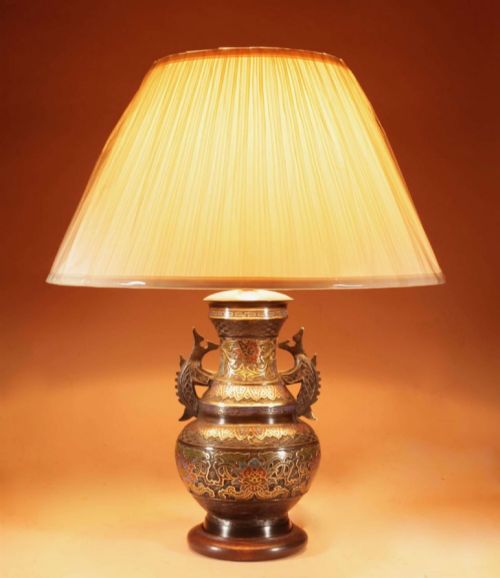
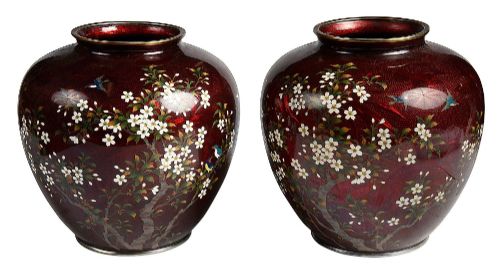
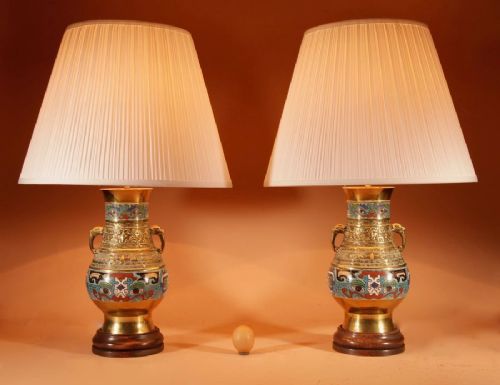
Surface ornamentation often integrates champlevé and cloisonné enamel work, adding vibrant colour fields directly into the metal framework. Hand-carved detailing and engraved motifs bring depth to the metallic bodies, particularly on Asian export and Indian Raj items.
Some antique copper vessels carry secret Jewish inscriptions, whispering centuries of domestic ritual through quiet metal text.
Assessing the craftsmanship
Quality rests in the crispness of the chased decoration and the structural integrity of the mounts, hinges, and handles. Superior examples display deeply carved motifs and well-balanced proportions that maintain visual harmony from base to rim.
The integration of secondary materials, such as fitted porcelain panels, heavy marble plinths, and finely fused enamel work, distinguishes masterwork production from standard commercial output. Weight and metal thickness further indicate the standard of original manufacture.
The Brass Urn Vase Glossary
- Champlevé
- An enamelling technique where depressions are carved into the metal surface and filled with vitreous enamel before firing. This method creates bold, colourful patterns bounded by raised metal lines.
- Campana Urn
- A bell-shaped vessel style inspired by classical antiquity, widely reproduced during the Grand Tour period. These pieces feature a flared rim and a narrow stem set upon a square foot.
- Cloisonné
- A decorative metalwork process utilising thin metal wires soldered to a base to form cells, which are then packed with enamel paste. The object is subsequently fired and polished to a smooth finish.
- Jardiniere
- A large ornamental pot or stand designed to hold live plants or floral displays. They frequently appear in matching pairs alongside related decorative urns.
- Gilt Bronze
- Bronze metal treated with a thin layer of gold to produce a rich, luminous metallic finish. It is commonly utilised for decorative mounts and decorative trim on nineteenth-century vessels.
Brass Urn Vase: Frequently Asked Questions
How were these vessels used historically?
These metal vessels served primarily as interior ornaments, mantel displays, and formal focal points within nineteenth-century drawing rooms. Many functioned as decorative cache-pots for plants or as paired altar garnitures in churches.
Over time, numerous examples found new life when converted into functional table lamps while retaining their original metallic character.
How do I care for antique brass?
Maintenance requires gentle dusting with a soft, dry cloth to preserve the accumulated surface patina built up over decades. Aggressive chemical cleaning should be avoided to protect original patinations and delicate enamel work.
For pieces incorporating marble or porcelain elements, standard non-abrasive surface wipes keep the mixed media secure and stable.
Are these items suitable for fresh flowers?
While many historical pieces were built to hold water and botanicals, older soldered joints and porous metal linings require careful inspection before direct use. Using a discreet internal glass liner protects the antique interior from moisture damage.
Many collectors prefer displaying them dry as sculptural objects or utilising them exclusively with artificial arrangements.
How can I distinguish regional styles?
European examples often draw on classical Neoclassical or French Empire motifs, utilising gilt bronze and marble mounts. Asian export pieces typically showcase distinct techniques like cloisonné enamelling, high-relief casting, and specific base marks.
Examining the weight, tooling marks, and secondary materials provides clear clues to a vessel's geographic origin and period.