




Nineteenth Century Brass Vase
A nineteenth century brass vase brings heavy metalwork and domestic display together, offering domestic interiors solid period weight.
Nineteenth Century Brass Vase
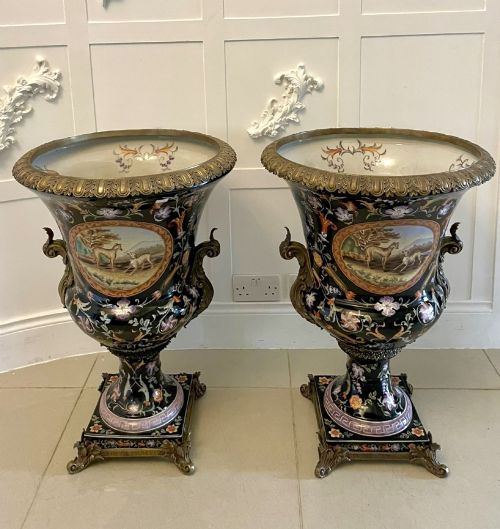
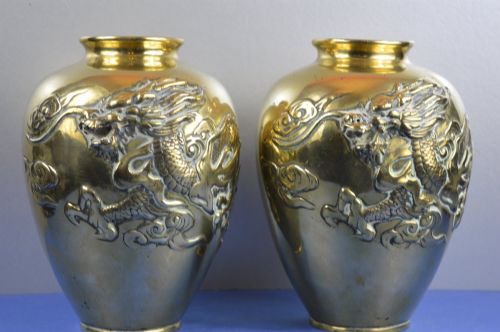
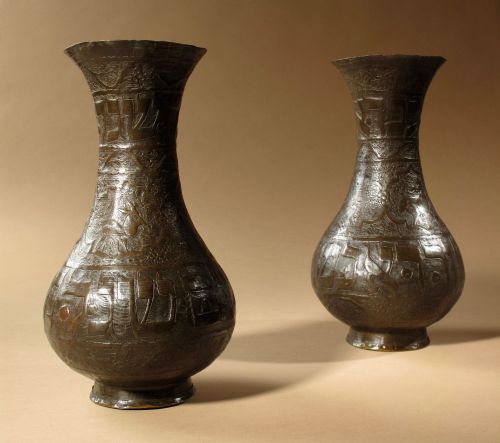
A nineteenth century brass vase takes many forms on this page, shifting between French trophy vessels, Japanese cloisonne pieces, and Chinese gilt bronze examples. Buyers encounter heavy decorative objects that often double as mounted lamps or centrepieces alongside standard mantel displays.
The material vocabulary stretches beyond plain metal to include porcelain, crystal, enamel, and copper. Many pieces carry French Rococo revival mounts or bear Qing dynasty and Meiji period origins.
Victorian examples sit alongside continental and East Asian imports, showing how domestic interiors mixed European metalwork with imported porcelain and bronze. These pieces range from simple two-handled trophy urns to large dragon-embossed decorator items.
Materials and construction methods
Makers shaped these objects using cast brass, bronze, and copper, frequently employing embossing and gilt mounting techniques. Metalwork mounts often secure porcelain bodies or support crystal centrepieces.
Enamel work appears across Japanese and Chinese pieces, utilising cloisonne and famille rose techniques on metal or ceramic bases. Fabric elements and wiring additions often arrive as later adaptations when vessels become lamps.
Object forms span table lamps, jardinieres, mantel clocks, and trophy vases from French and Asian origins.
Judgements of quality
Quality rests on the crispness of the casting and the weight of the metal, distinguishing heavy bronze and brass work from lighter alternatives. Finely chased mounts and detailed surface embossing separate superior pieces from standard production.
The integration of mixed materials dictates distinction, particularly where porcelain bodies meet gilt bronze mounts seamlessly. Preserved surface patination and intact enamel or crystal components define the better specimens.
The Nineteenth Century Brass Vase Glossary
- Cloisonne enamel
- A technique where enamel paste fills wire compartments soldered to a metal base before firing. This method creates detailed colourful patterns across nineteenth century vessels.
- Gilt bronze
- Bronze coated with a thin layer of gold or gold-coloured alloy to give a rich metallic finish. French makers frequently utilised this to mount porcelain vases.
- Famille rose
- A palette of opaque enamels dominated by pink, used on Chinese porcelain. Pieces decorated this way often received European brass or bronze mounts.
- Jardiniere
- An ornamental pot or stand designed to hold plants or flowers. These large vessels frequently share space with standard vases in nineteenth century metalwork.
Nineteenth Century Brass Vase: Frequently Asked Questions
How were these vases used?
These vessels served primarily as decorative ornaments on mantelpieces, sideboards, or central tables within nineteenth century homes. Many functioned as containers for floral arrangements or simply stood alone to display metalwork and ceramic skill.
Over time, numerous examples underwent conversion into table lamps. This adaptation allowed Victorian and later households to retain decorative antique forms while meeting modern lighting needs.
Are these pieces purely European?
The selection includes a strong representation of East Asian craftsmanship alongside European work. Chinese and Japanese imports arrived in large quantities during the nineteenth century, often featuring cloisonne enamel or porcelain bodies.
European workshops frequently added gilt bronze or brass mounts to these imported Asian vessels. This cross-cultural exchange created hybrid pieces that blended Eastern ceramics with Western decorative metalwork.
How do I date a piece?
Dating relies on stylistic markers such as French Rococo revival scrolling, Victorian proportions, or specific East Asian dynastic periods. Materials like crystal, gilt bronze, and specific enamel types also help narrow down the manufacturing decade.
Maker styles and mounting techniques offer further chronological clues. Examining how brass components join ceramic bodies reveals period-specific assembly methods.
Can I use them as lamps?
Many of these vessels function as lamps because previous owners converted them by adding wiring and fabric shades. This practice preserves the decorative body while giving the antique a practical household role.
Buyers find both unconverted vases and pieces already mounted as lamps. Each option retains its original nineteenth century metal or ceramic character regardless of electrification.