




Brass Twin Arm Lamp
A brass twin arm lamp delivers focused double illumination from sturdy metal frames, prized for balancing symmetry with practical reach across desks, walls, and tables.
Brass Twin Arm Lamp
A brass twin arm lamp brings balanced dual lighting to interiors through wall lights, table lamps, and desk lamps. These fixtures appear across Victorian, Edwardian, and twentieth-century periods, reflecting traditional English and French designs.
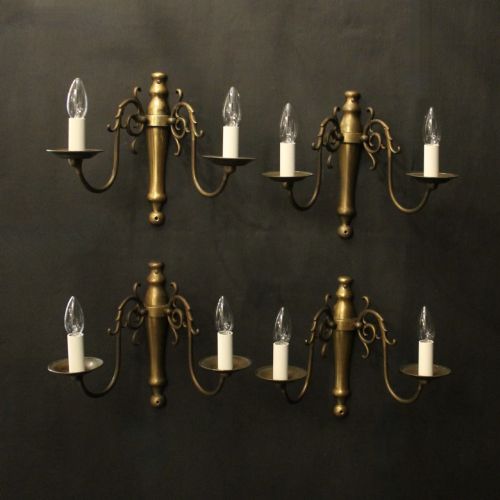
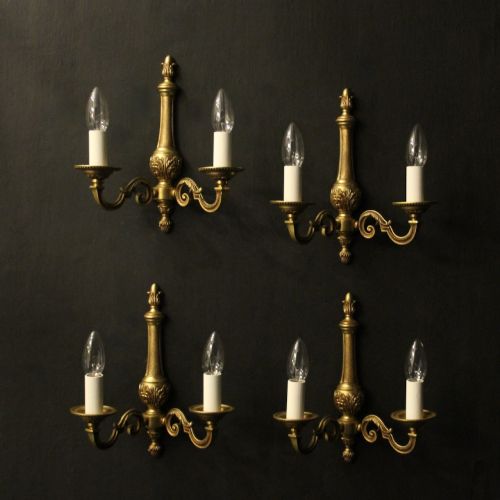
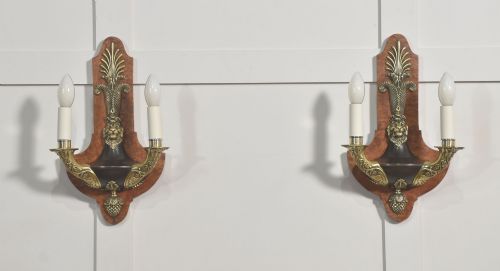
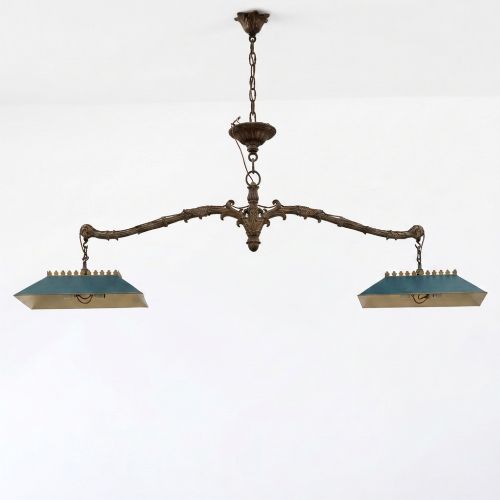
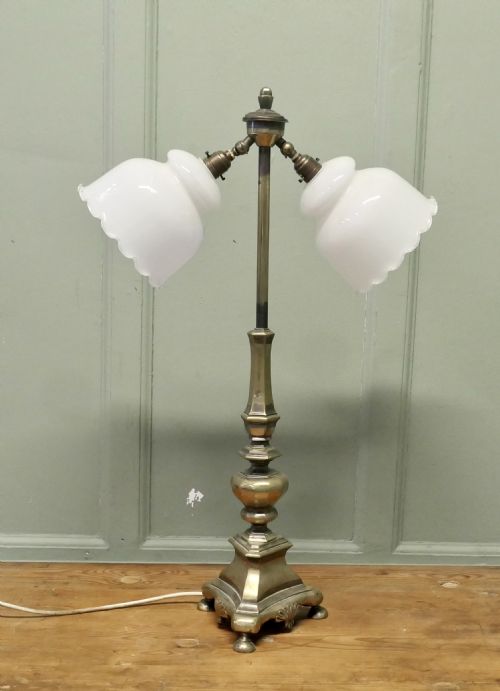
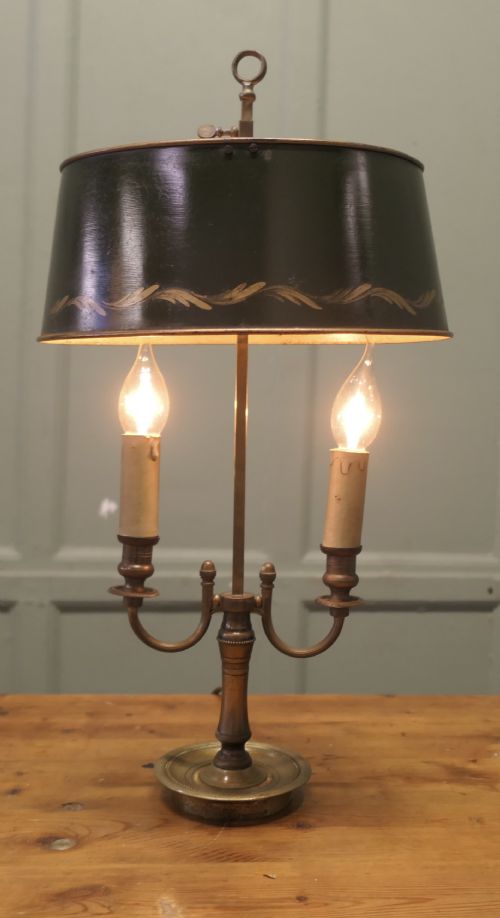
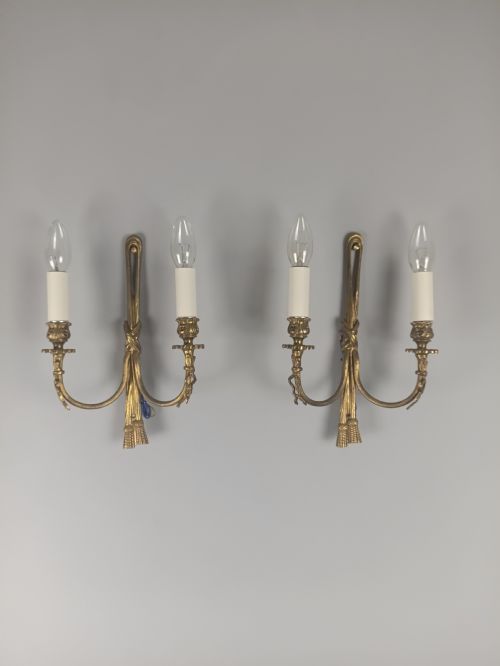
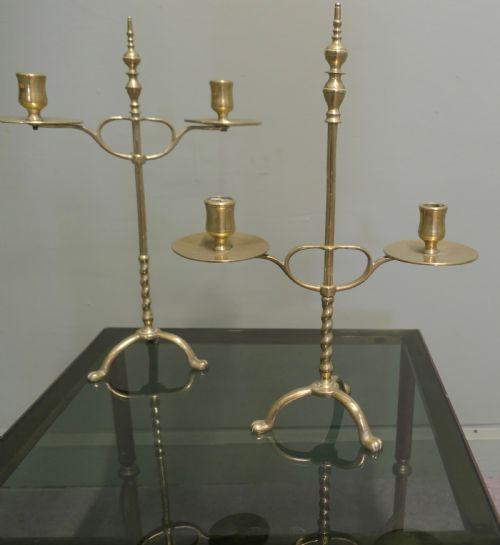
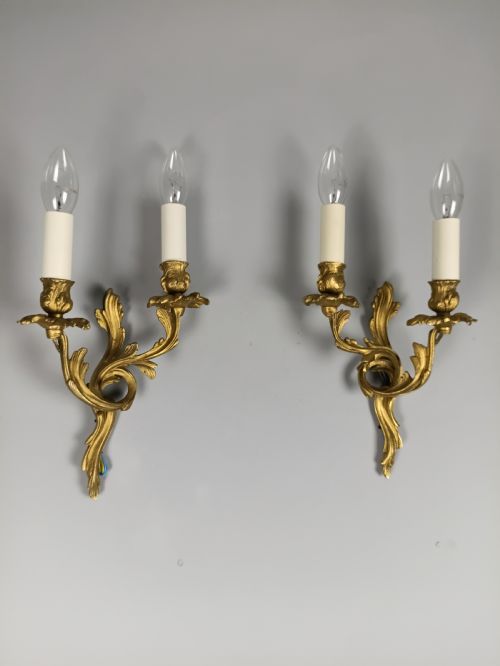
The selections on this page span several distinct forms, including bouillotte desk lamps with green toleware shades, adjustable reading lamps, and pairs of wall sconces. Many examples originate from French workshops adhering to Empire and Rococo styles.
Buyers encounter everything from standard wall lights to large newel post lamps and standard lamps. The materials combine cast and sheet brass with occasional gilt finishes and glass components.
How they were made
Maker workshops utilised cast and sheet brass, forming the rigid frames and twin branches that support the lamp holders. Gilded brass and gilt metal surfaces received thin applications of metallic leaf or wash to enhance warmth.
Toleware shades, painted metal components, and glass elements were integrated to direct light and add contrast. Metalworking techniques involved turning, casting, and hand-finishing joints to secure the dual arms.
Listings feature brass, gilded brass, bronze, and toleware materials across nineteenth-century and early twentieth-century periods.
What varies in quality
Quality rests in the crispness of the brass casting and the integrity of the joints connecting the twin arms. Heavier gauge metal provides stability, particularly on adjustable reading lamps and standard lamps where movement causes wear.
The refinement of surface finishing distinguishes standard production from finer work. Original gilding, subtle chasing on the brass, and well-preserved toleware shades separate everyday utilitarian pieces from decorative focal points.
F. & C. Osler
The Brass Twin Arm Lamp Glossary
- Toleware
- Painted or enamelled sheet metal commonly used for lamp shades. This technique often introduces deep green or black finishes to contrast with polished brass bases.
- Newel Post Lamp
- A decorative lighting fixture mounted to the structural post at the bottom of a staircase. These substantial brass lamps illuminate hallways and entryways.
- Bouillotte Lamp
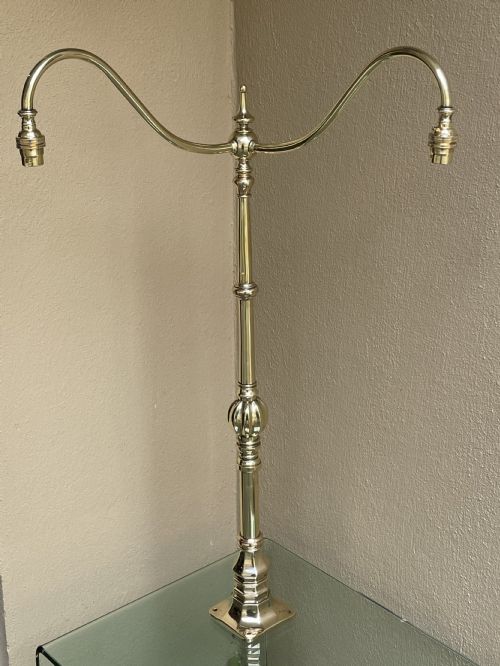
- A traditional desk or table lamp featuring a central shaft, two or more arms, and an adjustable shade. They derive their name from an eighteenth-century card game.
- Gilt Brass
- Brass treated with a gold-coloured finish or thin layer of gold leaf. This method provides the appearance of solid gold while utilising durable base metal.
- Sconce
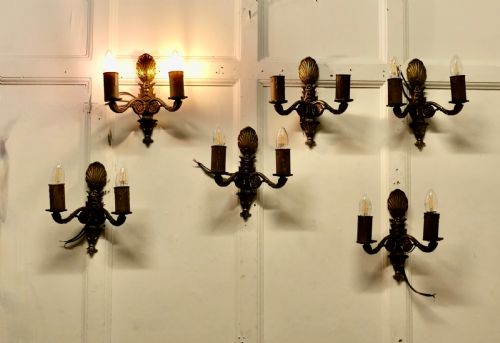
- A wall-mounted lighting fixture designed to hold candles or electric bulbs. Twin arm versions project two distinct light sources from a single backplate.
Brass Twin Arm Lamp: Frequently Asked Questions
Where should I place a brass twin arm lamp?
These fixtures suit locations requiring balanced illumination, such as flanking a mirror, mounting above a desk, or resting on a hall table. Wall sconces work well in pairs along hallways or living spaces.
Table and desk variants provide functional dual-source lighting for reading and writing surfaces. Ensure the scale of the twin arms matches the proportions of the chosen wall or furniture piece.
How do I clean antique brass?
Dust the metal surfaces gently with a soft, dry cloth to prevent the accumulation of grime. Avoid harsh chemical polishes that strip away age-appropriate patination and protective lacquers.
If cleaning is necessary, use a mild soap solution and dry thoroughly immediately afterwards. Preserving the natural tone of the brass maintains the historical character of the piece.
How do I identify French styles?
French pieces often display neoclassical or empire motifs, including classical urn shapes, acanthus leaf chasing, and refined gilt brass surfaces. Toleware shades in deep green paired with brass columns indicate traditional bouillotte designs originating from France.
Examining the construction methods and casting details helps confirm regional manufacturing origins. Comparing decorative motifs against established period styles provides further clarity.