
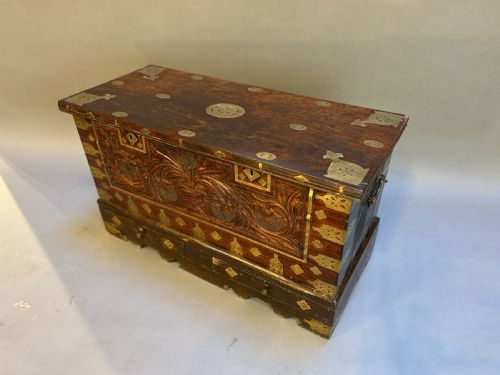

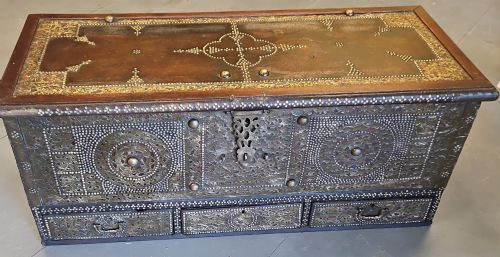


Brass Stud Wooden Chest
These brass stud wooden chest examples bring sturdy travel history into a room, fashioned from dense hardwoods and metal bindings.
Brass Stud Wooden Chest
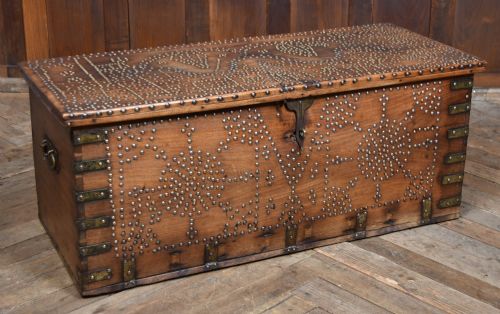
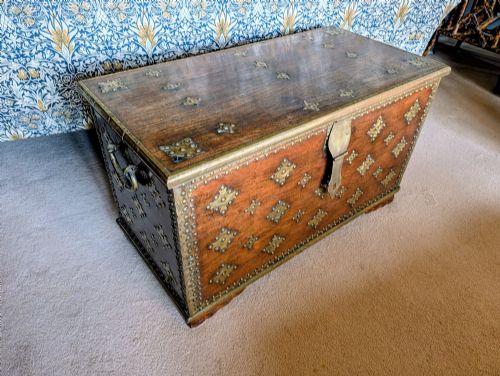
A brass stud wooden chest serves as a robust storage container and travel trunk, originating primarily from 19th-century trade routes and colonial centres. When you search for a brass stud wooden chest, you encounter sturdy blanket boxes, blanket or storage boxes, and traders chests built for endurance. These heavy receptacles protected goods across land and sea.
The versions most common on this page hail from the Victorian period, including Anglo-Indian colonial pieces and Zanzibar forms. Makers utilised resilient woods like teak, padouk, and hardwood, embellished with brass studs and iron mounts. Their forms range from dome-top caskets to substantial kist chests designed for heavy use.
How they were made
Makers constructed these pieces from dense tropical timbers such as teak, camphorwood, padouk, and rosewood, alongside native European woods like pine and burr walnut. These heavy planks were joined to endure long journeys and shifting climates without warping. Hardwood construction provided the structural backbone for every trunk and coffer.
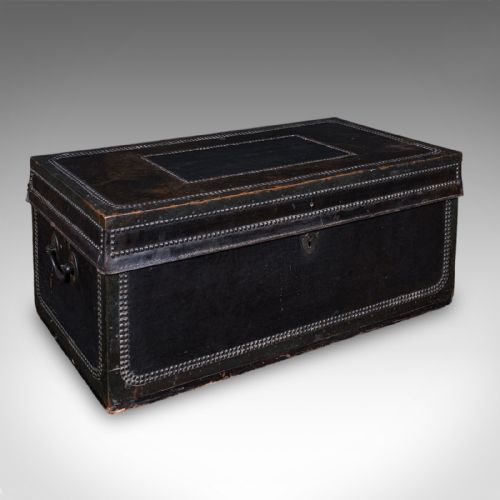
Metalwork formed a crucial part of the construction, employing brass studs, brass capping, and iron bindings to reinforce corners and edges. Artisans hammered decorative stud patterns into hide, leather, or bare wood surfaces. This combination of dense timber and metal reinforcement secured the contents during transport.
Camphorwood chests quietly fought moths for centuries by smelling distinctly medicinal.
What varies in quality
Quality rests heavily on the density and choice of timber, with rich tropical hardwoods like padouk and teak sitting above softer pine or general mixed woods. The weight and thickness of the timber dictate the longevity and substantial feel of the box. Superior examples utilise deeply coloured, well-seasoned woods that hold their structural integrity over generations.
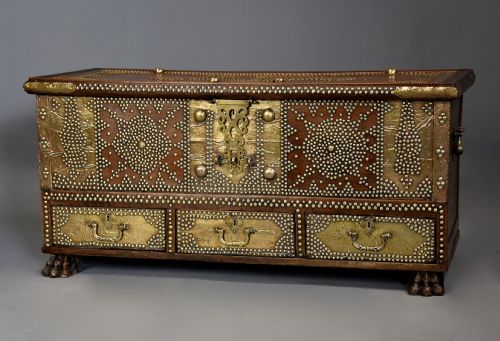
The intricacy and execution of the metalwork distinguish finer pieces from simpler utility trunks. Dense rows of hand-placed brass studs, robust iron bindings, and clean brass capping demonstrate higher craftsmanship. Well-preserved leather or hide coverings and original internal compartments also elevate the standing of a trunk.
Seabrook of St Pauls
The Brass Stud Wooden Chest Glossary
- Zanzibar chest
- A heavy hardwood storage box featuring distinct brass stud decoration and often associated with East African trade routes. These pieces frequently display intricate brass work and substantial lock plates.
- Camphorwood chest
- A storage trunk made from aromatic camphor timber, traditionally chosen to protect textiles from insects. The wood emits a characteristic scent that lingers decades later.
- Kist
- A traditional regional term for a heavy wooden chest or box used for storing household goods and linens. They appear in sturdy pine and dense hardwoods alike.
- Coppa
- An alternative descriptor for a coffer or large chest used for safekeeping valuables and documents. These heavy containers rely on iron bindings and sturdy hinges.
- Padouk
- A dense, reddish-brown tropical hardwood prized for its durability and rich colour. Makers utilised it extensively in colonial furniture and travel trunks.
Brass Stud Wooden Chest: Frequently Asked Questions
What were brass stud wooden chests used for?
These chests served primarily as durable travel trunks and secure storage containers for merchants and travellers navigating international trade routes. Owners packed them with garments, valuables, and textiles for long sea voyages.
At home, they functioned as blanket boxes and heavy storage repositories within domestic quarters. Their robust build protected contents from dust, dampness, and rough handling.
How do I date a brass stud wooden chest?
Dating relies on examining the timber species, construction methods, and the style of the brass and iron hardware. Pieces from the 17th and 18th centuries often display simpler hand-forged iron bindings, while 19th-century Victorian examples frequently showcase elaborate brass stud patterns and tropical hardwoods.
Reference marks, maker labels, and lock types also provide chronological clues. Examining the dovetailing and interior linings helps narrow down the decade of production.
Where were these chests made?
Many originate from trade hubs along maritime routes, notably East Africa, Zanzibar, and Anglo-Indian colonial workshops. Others stem from British and European cabinet makers producing travel luggage for officers and merchants.
Regional preferences dictated the choice of materials, with local hardwoods appearing in colonial pieces and native pines or oak found in European trunks.
How do I live with a heavy wooden chest?
Position the chest as a focal coffee table or at the foot of a bed where it can double as accessible blanket storage. Ensure it rests on level flooring to prevent distortion of the heavy hardwood frame.
Maintain the timber and metal studs with appropriate wax and gentle dusting to preserve the finish. Avoid placing them in direct sunlight or near heat sources that might dry out the old wood.