
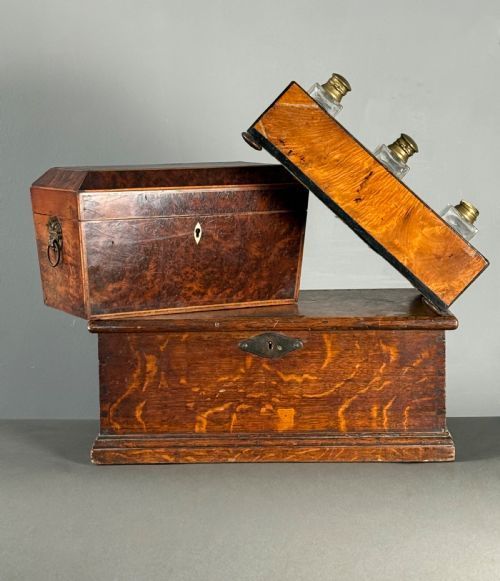


Brass Mounted Tea Caddy
These brass mounted tea caddy pieces are timber storage boxes designed for precious leaf, offering tactile history and period craftsmanship.
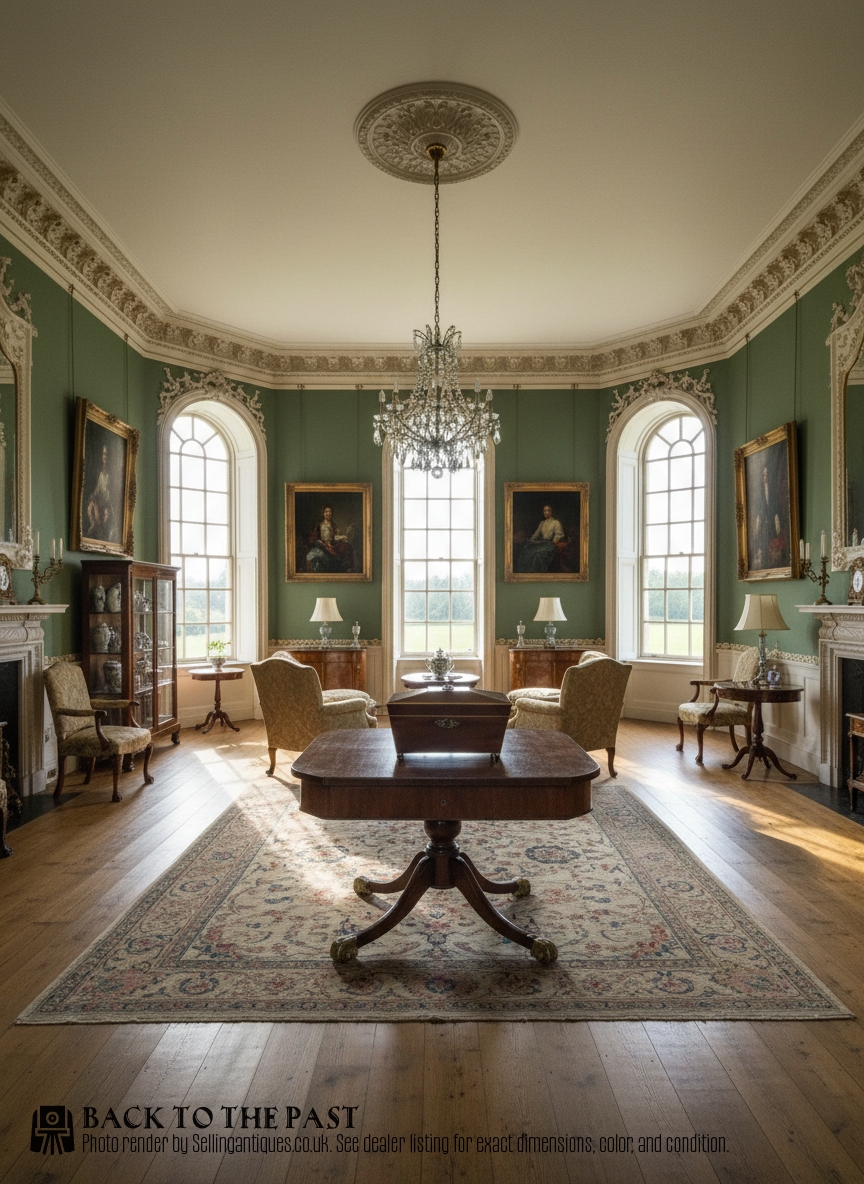
Brass Mounted Tea Caddy
A brass mounted tea caddy is a wooden receptacle historically used for storing loose tea leaves securely under lock and key. The examples found here span the Georgian, Regency, and Victorian eras, taking the form of rectangular boxes, dome tops, and teapoys. Mahogany, walnut, and coromandel wood dominate the selection, frequently displaying period brass mounts.
Buyers meet variations ranging from plain 18th Century mahogany boxes to ornate Victorian specimens in burr walnut with elaborate interiors. Some items cross over into decorative boxes and jewellery boxes, reflecting their secondary domestic uses over the centuries. Complete interiors with original mixing bowls or canisters appear among the pieces.
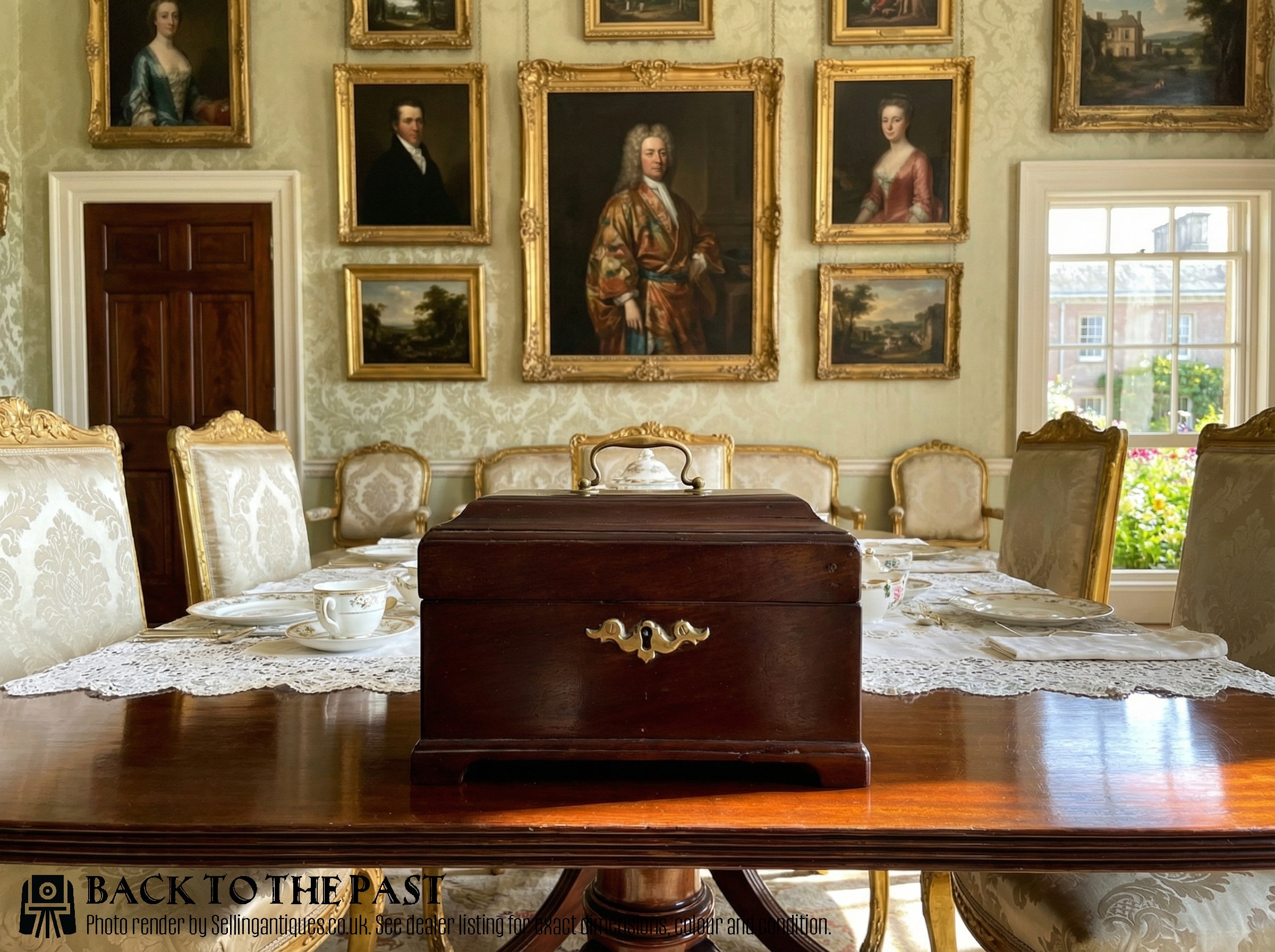
What Varies in Quality
The sophistication of the timber veneer and the precision of the brass hardware distinguish finer pieces from standard domestic boxes. Burr veneers and highly figured coromandel demand skilled cabinetmaking to lay without lifting, while cast brass mounts show crisp detail rather than soft moulding.
Completeness of the internal fittings, such as original glass mixing bowls, secondary lids, and working locks with functional keys, elevates an example. The harmony between the brass mounts and the underlying wood grain indicates deliberate design by the original maker.
Brass Mounted Tea Caddy Retail Price Guide 2026
Typical asking prices for brass mounted tea caddy among the pieces listed under this phrase on Sellingantiques today, from the lower quarter to the upper quarter. They describe what is for sale here now, not the wider market.
Object forms documented here include rectangular tea caddies, dome top boxes, needlework chests, jewellery boxes, and standing teapoys.
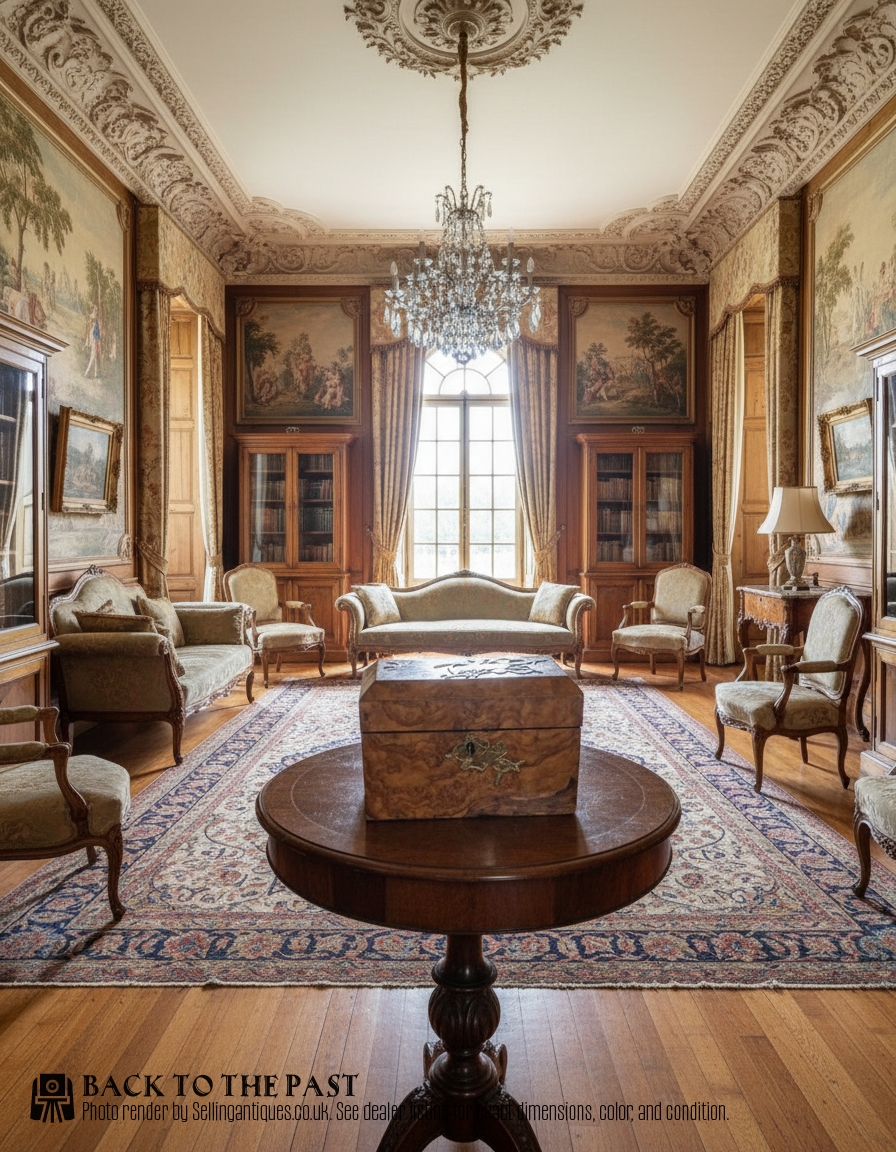
The Brass Mounted Tea Caddy Glossary
- Tea caddy
- A small box or chest designed for storing tea. They originated when tea was an expensive commodity requiring secure domestic storage.
- Teapoy
- A freestanding piece of furniture featuring a tea caddy mounted on a central pillar or legs. They often include internal compartments for multiple varieties of tea.
- Escutcheon
- A protective plate surrounding a keyhole. On these boxes, brass escutcheons frequently serve as both functional reinforcement and decorative focal points.
- Coromandel wood
- A heavy, durable timber from southeast Asia featuring dark brown grain with dramatic black stripes. It was favoured by Victorian cabinetmakers for luxury boxes.
- Padauk
- A dense tropical hardwood with a distinctive reddish hue that deepens with age. It appears in mid 18th century pieces.
Brass Mounted Tea Caddy: Frequently Asked Questions
What were tea caddies used for?
Tea was a heavily taxed and expensive luxury in the 18th and 19th centuries, requiring dedicated storage under lock and key to prevent theft by servants.
Households kept black and green teas separated inside compartmentalised boxes, often mixing them personally or preparing infusions using internal bowls.
How do I date a tea caddy?
Dating relies on timber choices, construction methods, and the style of the brass hardware. Georgian examples favour mahogany and padauk with restrained lines, while Victorian pieces often feature burr walnut or coromandel with heavier mounts.
Internal configurations also shift over time, moving from simple foil-lined wooden wells to fitted glass containers and elaborate satinwood veneered partitions.
Can I still use them for tea?
Modern storage demands airtight seals to preserve loose leaf tea, which antique wooden boxes do not inherently provide. These containers function best as decorative objects or for storing small trinkets and jewellery.
Placing dry tea inside unsealed antique compartments risks loss of flavour or potential contamination from old wood finishes.
How do I care for antique wood?
Keep wooden boxes away from direct sunlight and rapid temperature fluctuations to prevent timber shrinkage and veneer lifting. Occasional dusting with a soft, dry cloth maintains the surface.
Avoid liquid furniture polishes and moisture, which can damage aged French polish or wax finishes on mahogany and walnut.