


Brass Mounted Copper
These brass mounted copper pieces are functional vessels and decorative furnishings, prized for their rich metallic contrast.
Brass Mounted Copper
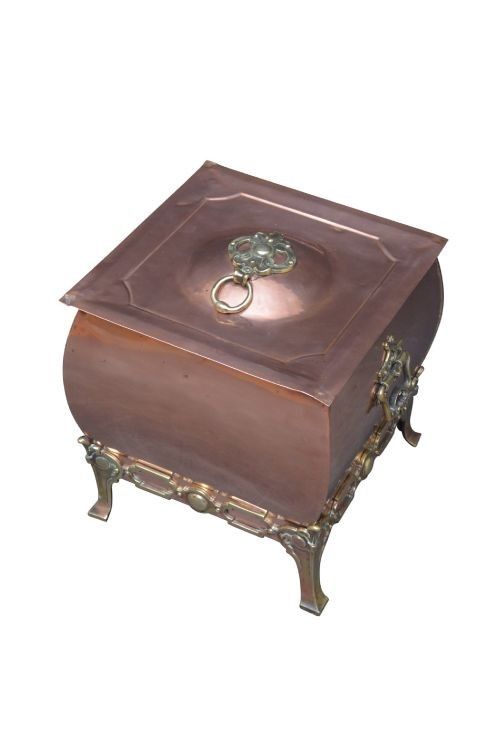
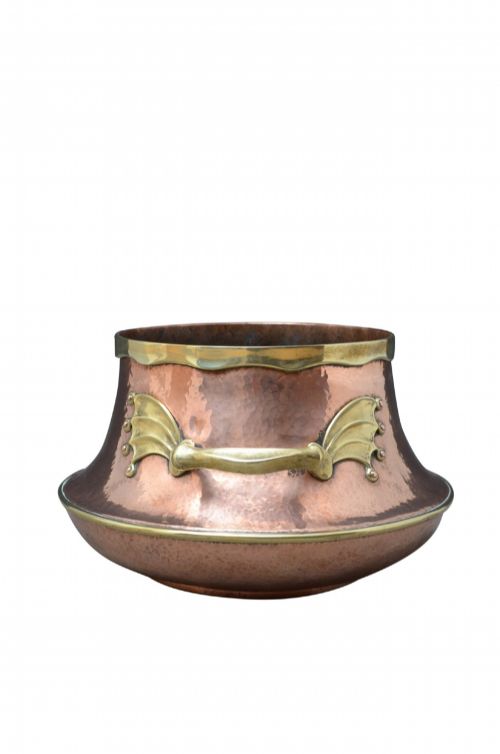
The version you are most likely to meet on this page is from the Victorian era, particularly late nineteenth-century coal scuttles, planters and buckets. These domestic pieces combine warm red metal bodies with bright cast or sheet brass handles, feet, rims and mounts.
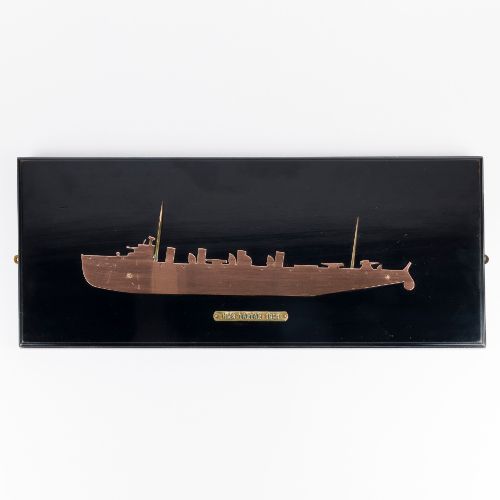
Earlier eighteenth-century examples such as George III kettles and samovars also appear, alongside Edwardian items like destroyer plaques and later twentieth-century half lanterns and measures. Stylistic influences extend from Georgian and Victorian to Arts and Crafts and French Chateau designs.
Assessing quality and craftsmanship
Quality in these pieces rests upon the gauge of the metal and the integrity of the construction. Heavier copper plates and substantial cast brass mounts indicate sturdiness and durability, whereas thin sheet metal bends easily and suggests lesser production standards.
The refinement of the joinery and the finishing of the brass mountings reveal the maker's hand. Cleanly fitted seams, securely anchored handles and crisp detailing on decorative mounts separate superior workshop production from mass-manufactured wares.
At least one destroyer managed to leave a piece of its heart behind on a plaque.
The Brass Mounted Copper Glossary
- Samovar
- A heated metal container traditionally used to boil and heat water in Russia and other countries. These large urns frequently feature brass spigots, handles and mounting details paired with copper bodies.
- Coal Scuttle
- A bucket or box designed to hold coal for a domestic fireplace. Victorian examples in copper with brass mounts were standard hearth accessories in period homes.
- Jardiniere
- An ornamental pot or stand for holding plants or flowers. Large copper planters with brass feet and rims serve this decorative function indoors.
- Cloisonne
- An ancient technique for decorating metalwork objects with colourful material held in place by thin metal strips. Japanese examples from the Meiji period utilise this method on copper bases.
Brass Mounted Copper: Frequently Asked Questions
How do I clean brass mounted copper?
Maintenance requires gentle cleaning with appropriate metal polishes designed specifically for copper and brass surfaces. Avoid abrasive pads that can scratch the softer metals and remove the historical patina.
Preserving the aged finish is generally preferred by collectors over achieving a bright, mirror-like shine. Regular dusting and occasional light waxing protect the metal from further oxidation.
Are these pieces safe to use daily?
Many items such as kettles and samovars were built for active kitchen use. However, modern food safety standards may advise against consuming beverages from antique vessels due to historical linings.
Using them primarily for display or dry storage ensures their preservation. Items like coal scuttles and planters continue to function well in contemporary domestic settings.
How do I date an antique piece?
Dating relies on examining the construction methods, fastener types and stylistic design cues. Hand-beaten surfaces and dovetail joints often point towards earlier eighteenth or nineteenth-century production.
Maker marks, stamps or regional imperial measure verification stamps provide additional chronological clues. Comparing the piece to documented examples from Victorian or Arts and Crafts periods helps narrow the timeframe.