





Brass Mesh Cupboard
A brass mesh cupboard offers the ideal combination of hidden storage and visible display, bringing refined character to any room.
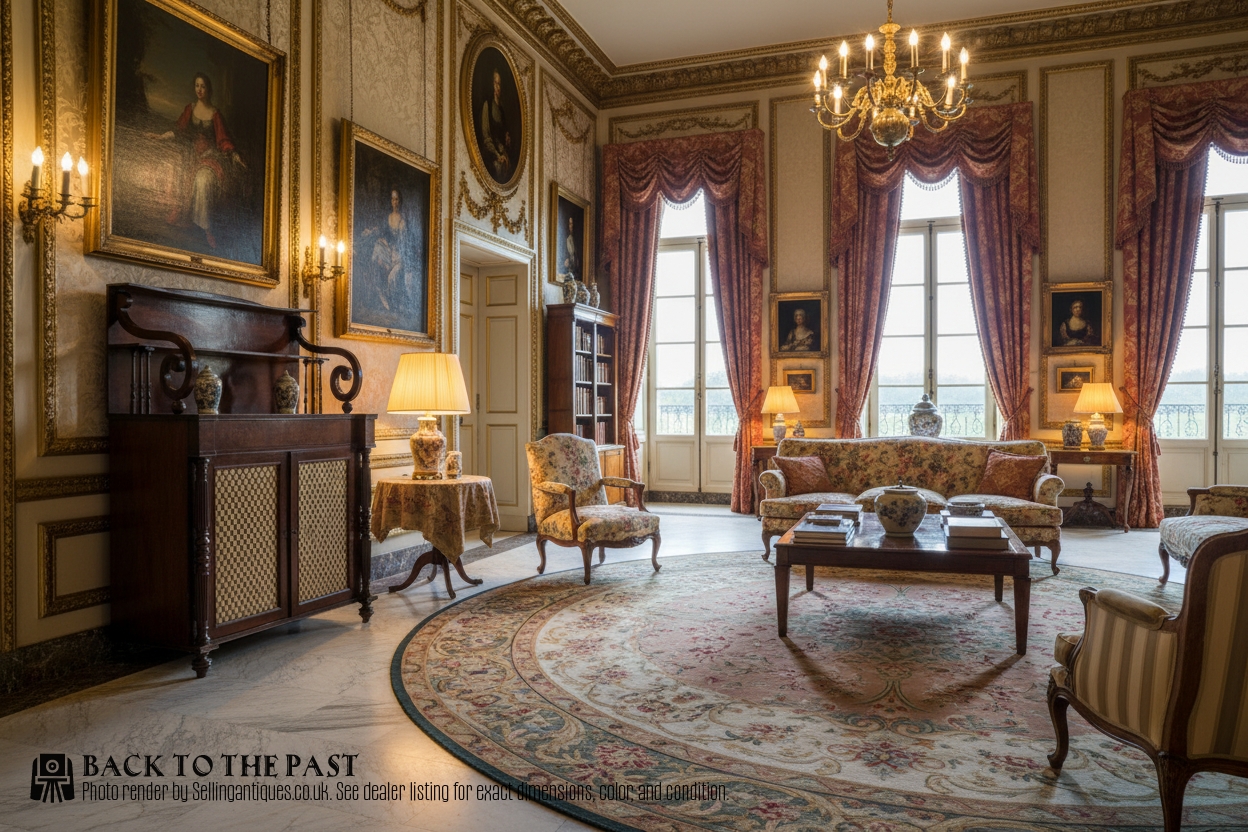
Brass Mesh Cupboard
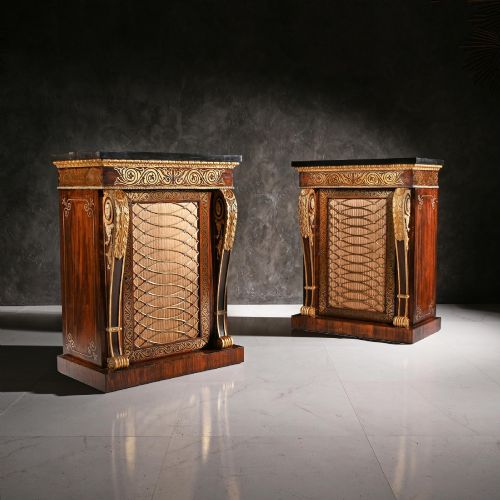
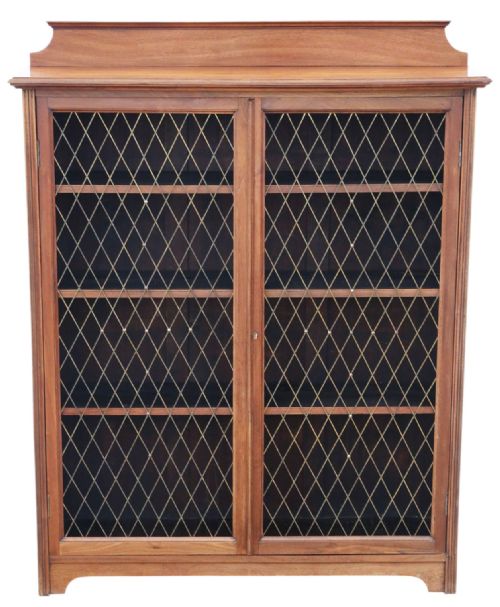
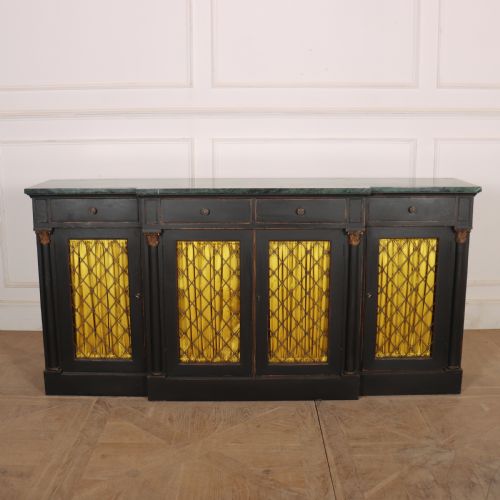
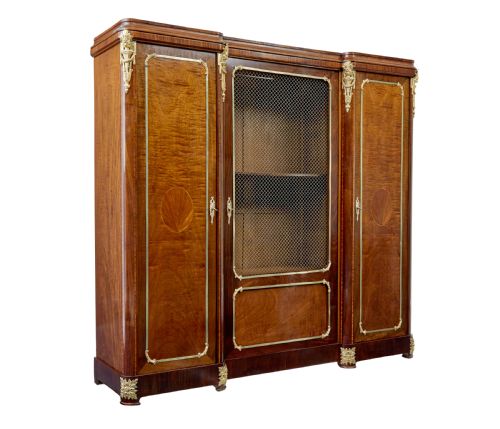
A brass mesh cupboard is a piece of furniture designed for storage and display, appearing across various historical periods including the 18th century, Regency, and Victorian eras. These items typically manifest as side cabinets, bookcases, chiffoniers, and wardrobes rather than a singular standalone form.
The materials used in these constructions include mahogany, rosewood, walnut, and satinwood, occasionally complemented by marble and fabric elements. Pieces span multiple design movements such as Neoclassical, French Empire, and Egyptian Revival.
Buyers browsing this selection will encounter side cabinets and bookcases most frequently, reflecting the traditional utility of integrating woven metal panels into fine timber cabinetry. These items range from matched pairs to individual country house cabinets.
Materials and construction
Cabinet makers utilised dense hardwoods like mahogany, rosewood, walnut, and satinwood for the primary carcass and surface veneers. These timbers provided a stable foundation for intricate decorative details and polished finishes.
Metalwork involved fine wire forming the characteristic mesh panels set into door frames, allowing visibility while protecting the contents within. Artisans incorporated additional decorative elements such as brass inlays and painted surfaces.
The listings here span woods like mahogany, rosewood, walnut, and satinwood, alongside periods from the 18th century through to the 1930s.
Distinctions in quality
Quality in these items is determined by the selection of timber veneers and the precision of the joinery used in the cabinet carcass and door frames. Superior examples display careful grain matching and well-fitted internal shelving.
The refinement of the decorative detailing, from brass inlay work to the integration of the woven mesh, separates standard utilitarian items from high-status furniture attributed to notable makers.
Louis Constantin Le Gaigneur
The Brass Mesh Cupboard Glossary
- Mesh
- A woven metal web fixed into cabinet doors to provide ventilation and visibility. It allows air to circulate while keeping contents enclosed.
- Chiffonier
- A small sideboard or cabinet popular in the 19th century, typically featuring shelves or drawers beneath a enclosed storage section.
- Breakfront
- A piece of furniture where the central section projects forward from the flanking outer sections. This architectural arrangement creates depth and visual interest on large cabinets.
- Satinwood
- A hard, durable timber with a natural golden sheen and smooth grain. It was frequently utilised for fine veneer work on Regency and later furniture.
Brass Mesh Cupboard: Frequently Asked Questions
What rooms suit a brass mesh cupboard?
These cabinets suit dining rooms, libraries, and drawing rooms where organised storage and display are both required.
The glass-free visibility offered by the wire panels makes them practical for housing tableware, books, or linens while maintaining a lighter visual presence than solid wood doors.
How do I care for the timber?
Maintain the wood by keeping the cabinet away from direct sunlight and sudden temperature shifts that cause timber to warp.
Apply suitable wax polish sparingly to nourish rosewood, mahogany, or walnut surfaces without buildup.
Are shelves usually adjustable?
Many cabinets feature adjustable display shelves to accommodate items of varying heights.
Period pieces often employ simple wooden support systems inside the main carcass for this purpose.
How do I identify a Regency period piece?
Regency items often display classical architectural influences, drawing on Neoclassical or Egyptian Revival design motifs.
Look for refined proportions, contrasting timber veneers, and precise brass inlays typical of the early 19th century.