



Brass Marquetry Shelf Clock
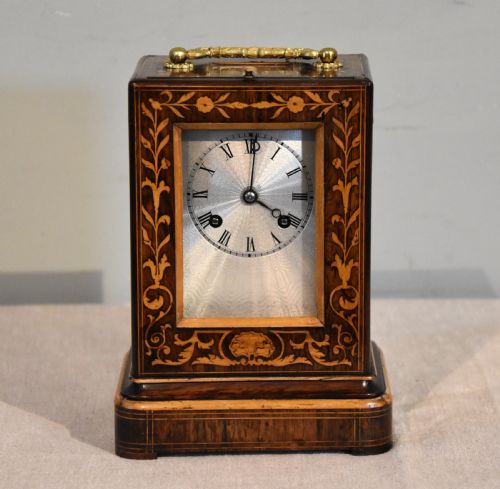
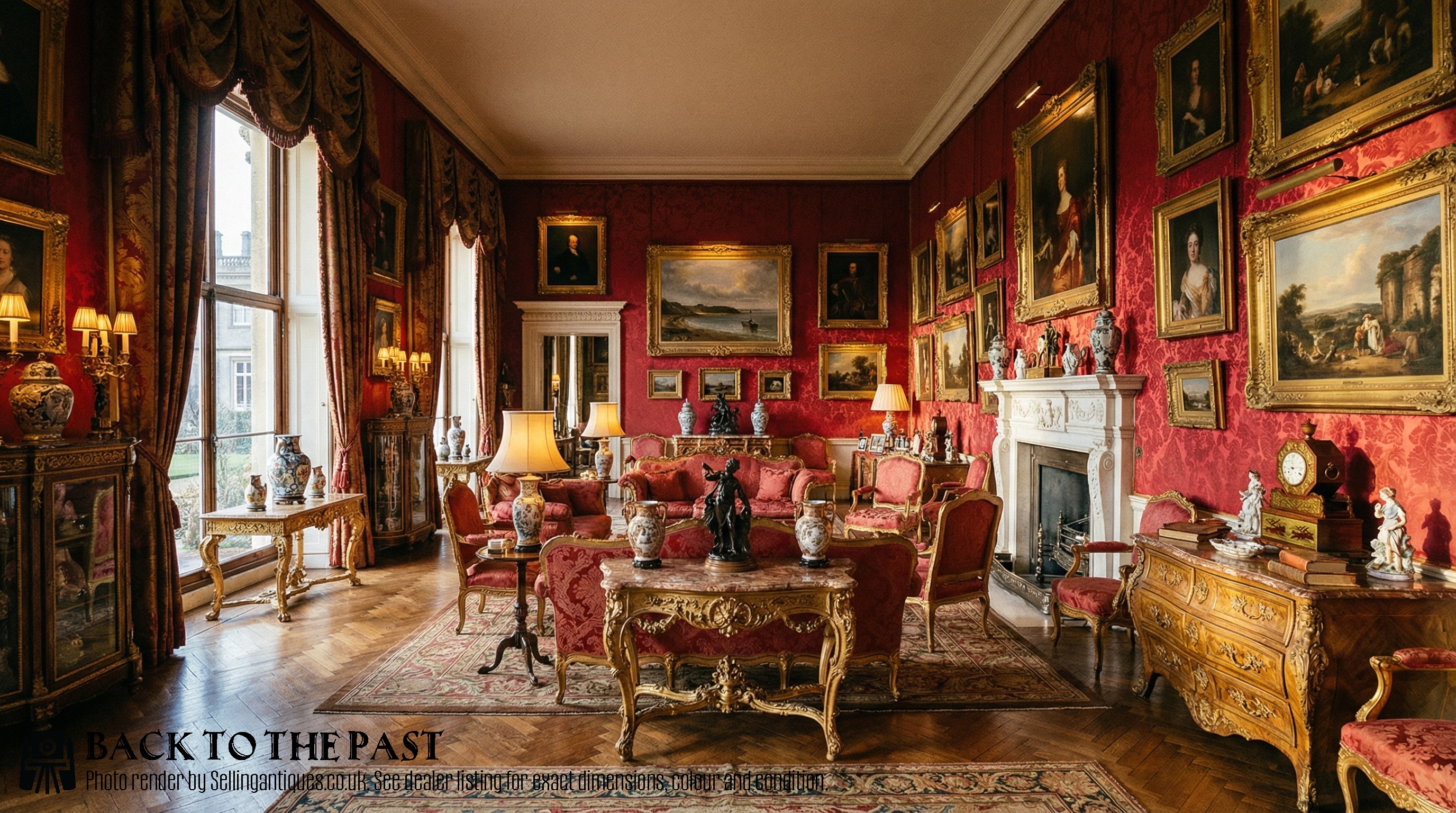
A brass marquetry shelf clock sits on the mantelpiece, bringing precision timekeeping and intricate metal inlay together in one neat domestic object.
Brass Marquetry Shelf Clock
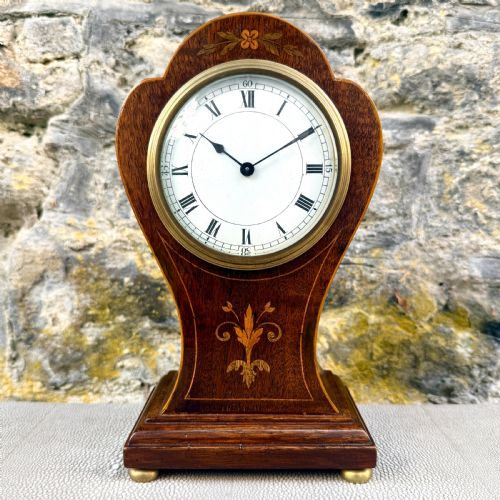
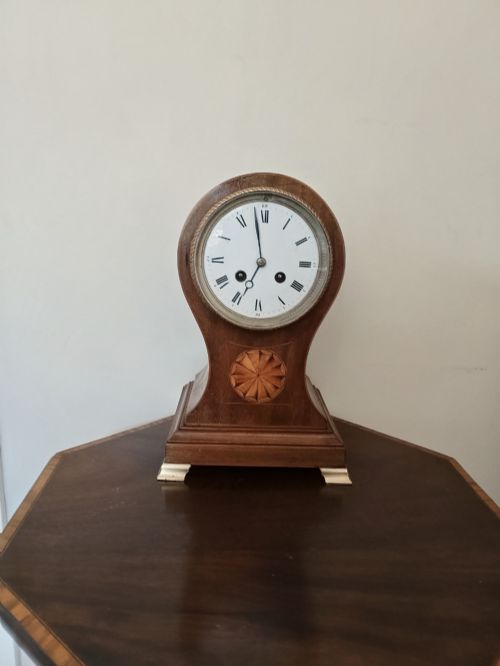
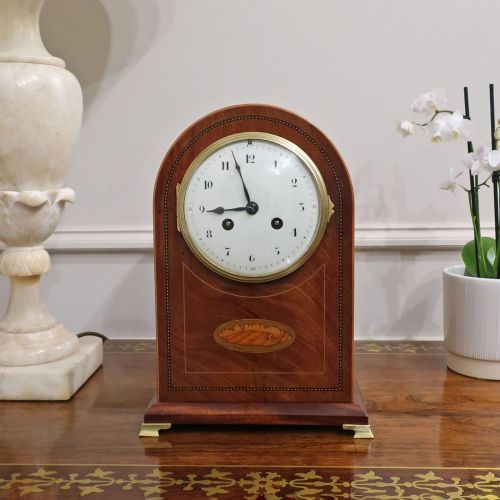
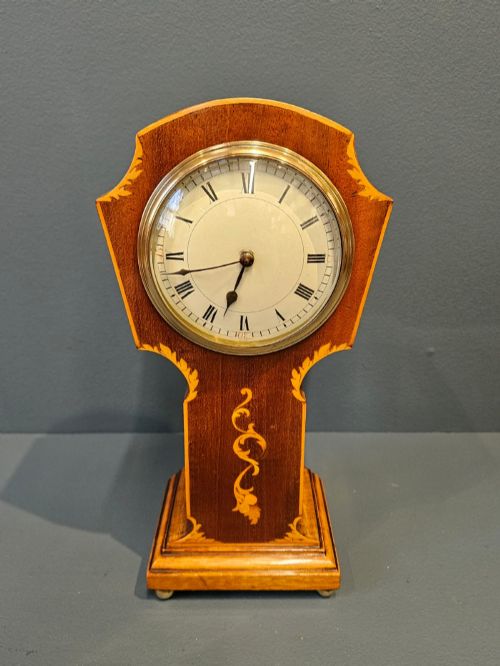
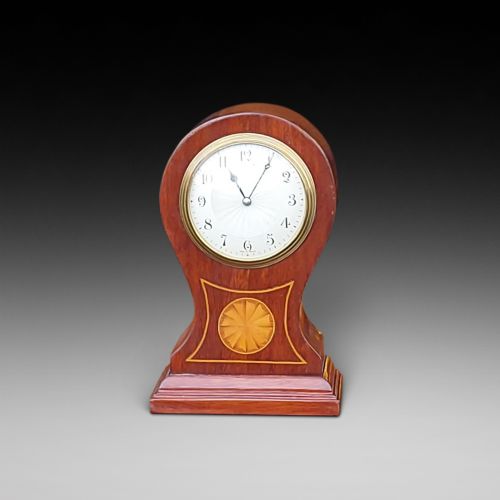
A brass marquetry shelf clock combines a functional timepiece with decorative surface work, designed to stand upon a mantelpiece or bracket. The examples seen here draw primarily from the nineteenth century and the Edwardian period, alongside Regency and later twentieth-century iterations.
The prevailing forms on this page include mahogany and rosewood bodies shaped as balloon, lancet, or dome tops, often housing French or English movements. Makers working in Paris and London produced both eight-day timepieces and striking models to adorn the principal rooms of period homes.
Materials and construction
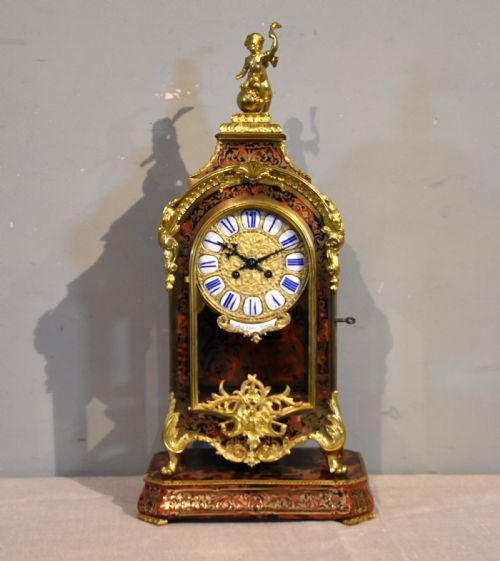
Timbers such as mahogany and rosewood provide the solid foundation for these clock cases, embellished with contrasting stringing or detailed brass and tortoiseshell marquetry. Ormolu mounts and cast brass bezels frame the enamel dials, protecting the glass over the hands.
Cabinetmakers cut precise recesses into the wood veneers to fit thin sheets of brass, boxwood, and satinwood into elaborate floral or geometric patterns. Clockmakers fitted mechanical movements driven by springs or weights, housed securely within the timber housings.
Listings feature brass marquetry shelf clocks spanning the nineteenth century, Edwardian era, and Regency period in mahogany and rosewood.
Distinguishing quality
The refinement of the brass inlay work separates standard production from exceptional examples, noting the crispness of the cutting and the tightness of the fit within the timber veneer. Finer makers integrated delicate engraved lines into the metalwork to add depth to the foliage and scrolls.
The quality of the movement and the integrity of the original case finish dictate the standing of a piece. Original enamel dials, signed backplates, and balanced proportions throughout the mahogany or rosewood housing indicate superior workshop output.
Henry Marc·Thomas A Paris·Savory and Fils A Paris·Malecot of Paris·Seikosha Seiko
The Brass Marquetry Shelf Clock Glossary
- Boulle
- A style of marquetry consisting of brass and tortoiseshell inlay, named after the cabinetmaker André-Charles Boulle. This technique creates a rich tortoiseshell ground punctuated by bright brass scrollwork.
- Marquetry
- The art of applying pieces of veneer to a structure to form decorative patterns and pictures. Craftsmen cut various woods and metals together to ensure seamless joints.
- Ormolu
- Gilded bronze used for decorative mounts and feet on furniture and clock cases. The technique involves applying a mercury and gold amalgam to bronze.
- Mantel clock
- A portable clock designed to sit on the shelf above a fireplace. These domestic timepieces range from simple wooden cases to elaborate inlaid models.
- Bracket clock
- A portable spring-driven clock originally designed to sit on a wall bracket. Many later examples functioned as large mantel clocks.
Brass Marquetry Shelf Clock: Frequently Asked Questions
How do I wind a mantel clock?
Most mechanical shelf clocks require a key inserted into the winding holes on the enamel dial to tension the internal springs. Care must be taken not to overwind the movement.
Turning the key gently until resistance is met ensures the clock maintains its power reserve without damaging the delicate gear train inside.
Where should I place a shelf clock?
These clocks belong on stable surfaces away from direct sunlight, dampness, and extreme temperature fluctuations that can warp timber cases. A level mantelpiece or sideboard keeps the pendulum or balance wheel beating evenly.
Ensuring the clock sits squarely prevents the escapement from ticking unevenly and stopping the movement prematurely.
How do I identify a French movement?
Many nineteenth-century French clock movements bear stamped maker marks and serial numbers on the backplate. These mechanisms often struck the hours and half hours on a bell or gong.
Exported movements were frequently paired with English or French timber cases featuring brass inlay and rosewood veneers.
What is an eight-day clock?
An eight-day clock requires winding approximately once a week to keep the movement running continuously. This convenience made them popular for domestic use in Victorian and Edwardian households.
Spring-driven mechanisms replaced older weight-driven systems, allowing clocks to sit neatly on shallow mantel shelves.