

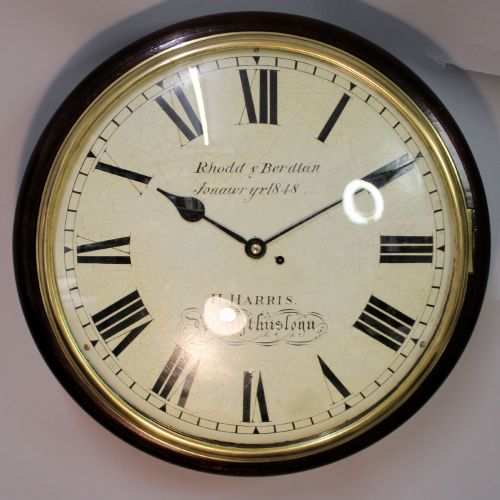
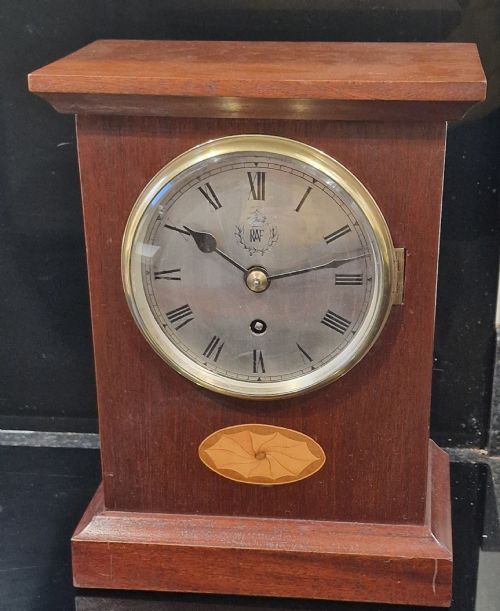

Brass Mahogany Timepiece
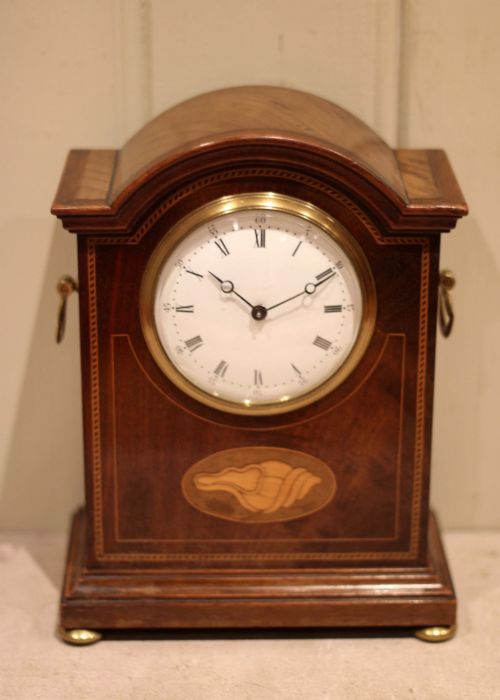
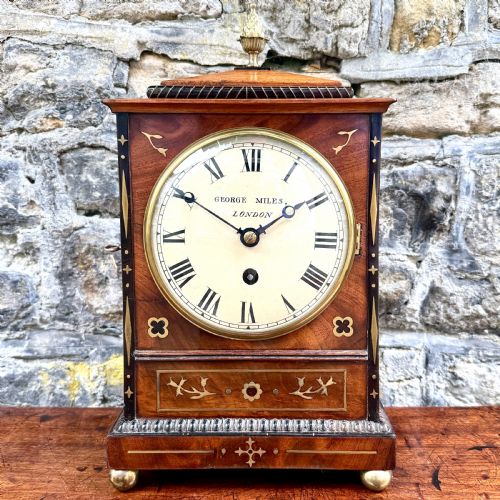
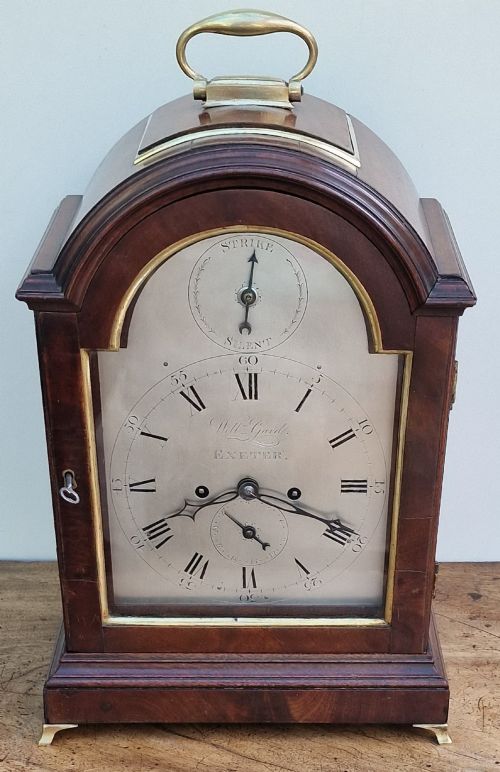
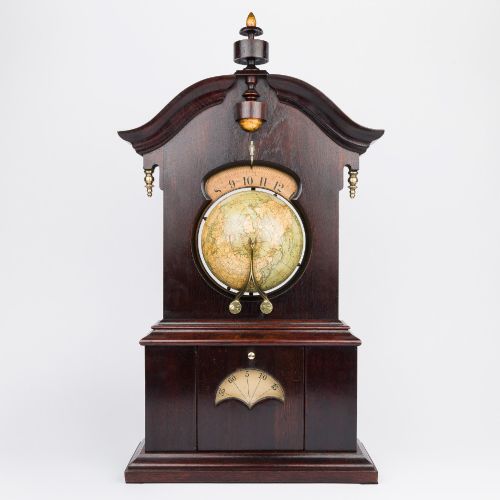
A brass mahogany timepiece brings together warm timber frames and polished brass bezels, offering a precise mechanical heart for any room.
Brass Mahogany Timepiece
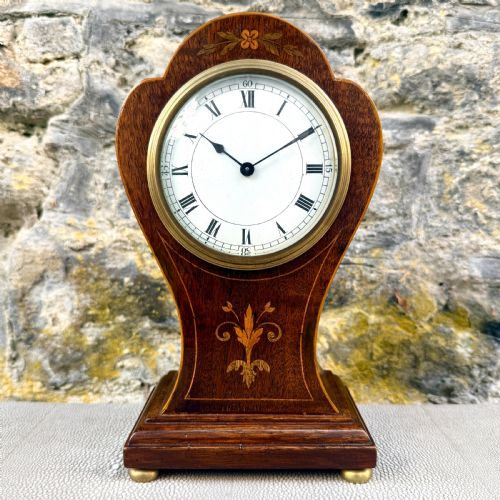
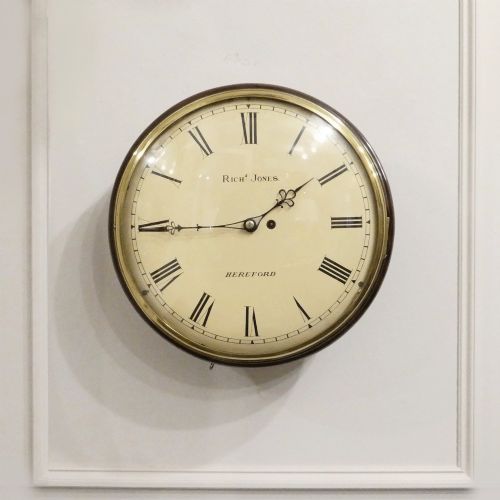
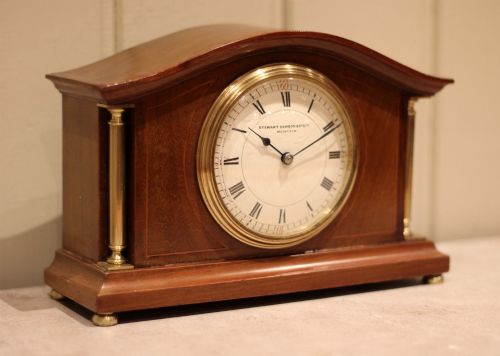
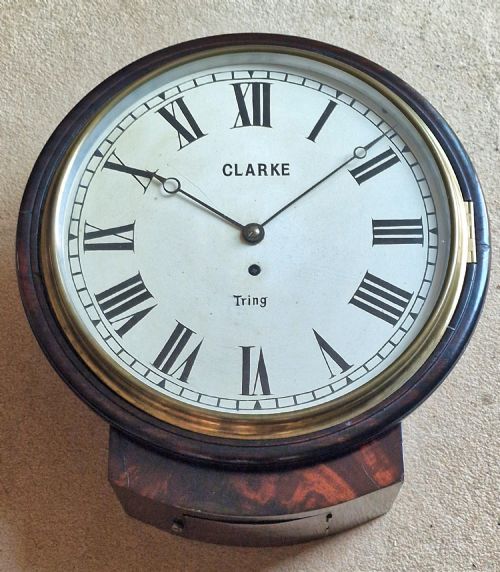
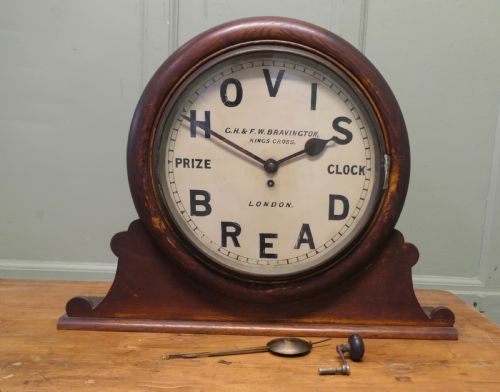
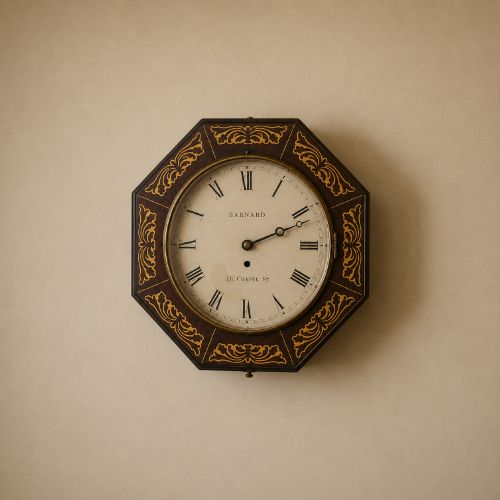
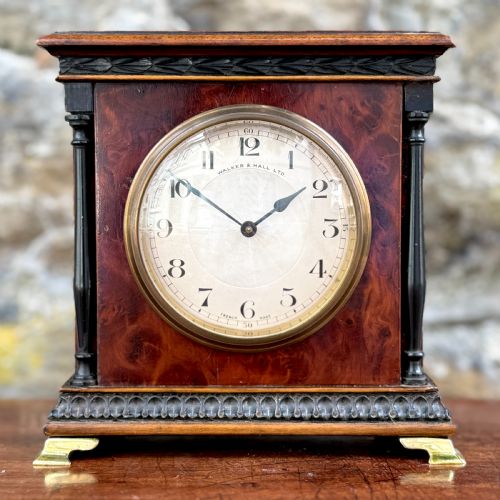
A brass mahogany timepiece encompasses a range of traditional horological forms, from large wall-mounted dial clocks to compact mantel and bracket designs. When searching for this specific combination of materials, a buyer typically encounters pieces spanning the Georgian, Regency, Victorian, and Edwardian periods.
The selection includes railway and station clocks, library pieces, and domestic mantel clocks housed in rich mahogany cases with brass bezels. These functional objects served businesses, railways, and homes alike.
Most examples found in daily trade date from the nineteenth and early twentieth centuries, reflecting the high point of British and European clockmaking craftsmanship.
Materials and Construction
The structural foundation relies on solid or veneered mahogany, frequently chosen for its rich grain, stability, and deep colour. Cases often feature brass bezels, cast mountings, and inlaid details such as satinwood or stringing.
Mechanical interiors utilise brass gear trains and fusee movements driven by cords or chains to maintain steady force as the mainspring unwinds. Dials are constructed from painted metal, wood, or enamel, protected by heavy glass lenses.
Some railway clocks bear station names or company initials, reminding us of travellers rushing for steam trains long ago.
Distinguishing Quality in Horology
Quality rests in the precision and finish of the internal movement, where hand-cut teeth and signed backplates separate standard workshop production from master maker output. Case construction also dictates value, with robust mahogany housings, crisp brass castings, and careful wood selection showing superior pedigree.
Originality of components, from the painted dial to the hands and pendulum, preserves the integrity of the piece. Subtle details, such as inlaid brass work or finely shaped bezels, elevate an ordinary domestic clock into a notable example of period design.
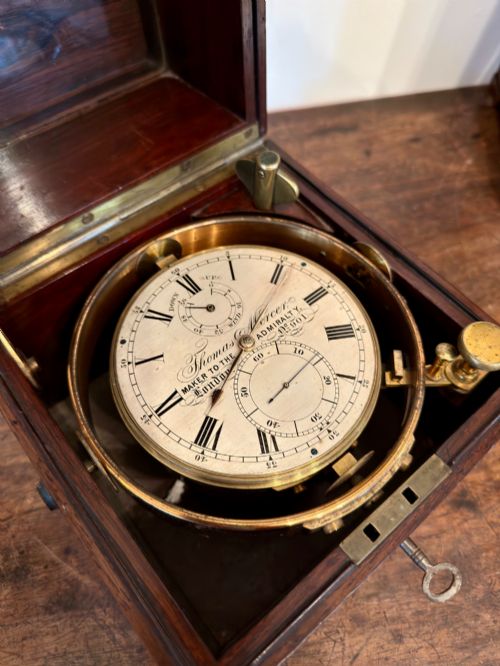
Richard Jones of Hereford·Mercer of London·William Gard·George Clarke·Henry Harris·Bush of London·Webster Cornhill London·Winterhalder & Hofmeier·Taylor of London·William Long
The Brass Mahogany Timepiece Glossary
- Fusee
- A conical pulley used in mechanical clocks to equalise the torque of the mainspring as it runs down. This mechanism ensures consistent timekeeping throughout the duration of the wind.
- Bezel
- The metal rim, typically made of brass, that holds the glass protecting the dial. It often hinges open to allow for hand setting and winding.
- Bracket Clock
- A portable clock traditionally designed to sit on a bracket or table. These pieces often feature fine wood cases and sophisticated striking or timepiece movements.
- Dial
- The face of the clock where hours and minutes are displayed. They appear in painted metal, wood, or enamel, and frequently bear the maker's name.
- Timepiece
- A clock that measures time without a striking mechanism for hours or quarters. These simpler movements focus entirely on accurate timekeeping.
Brass Mahogany Timepiece: Frequently Asked Questions
What is a fusee movement?
A fusee movement uses a conical pulley connected to the mainspring by a cord or chain. This clever device compensates for the dropping tension of the spring as it unwinds.
The result is an even force delivered to the gear train, which greatly improves the accuracy of the timepiece over its entire running cycle.
Where were wall clocks used?
Railway stations, offices, and large public rooms originally relied on dial wall clocks for clear timekeeping. Their bold painted faces ensured readability from a distance.
In domestic settings, smaller versions hung in hallways and kitchens to coordinate daily household schedules.
How do I date a mahogany clock?
Dating relies on stylistic clues such as case shape, dial materials, and the presence of makers' signatures or railway company markings. Regency and Georgian pieces display different woodwork styles compared to later Victorian or Edwardian examples.
Internal movement construction and fastener types also provide reliable chronological markers for the experienced eye.