
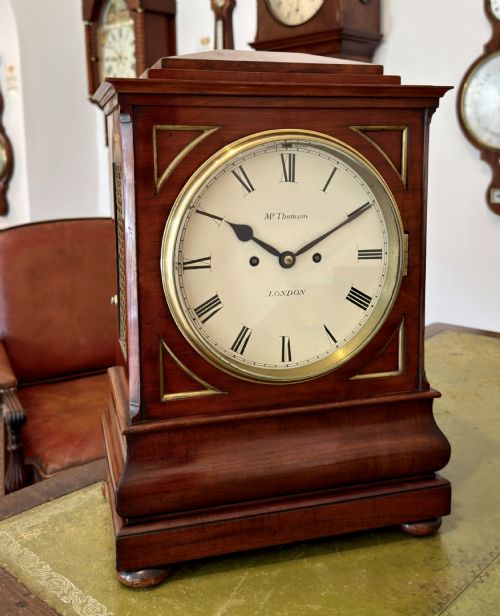
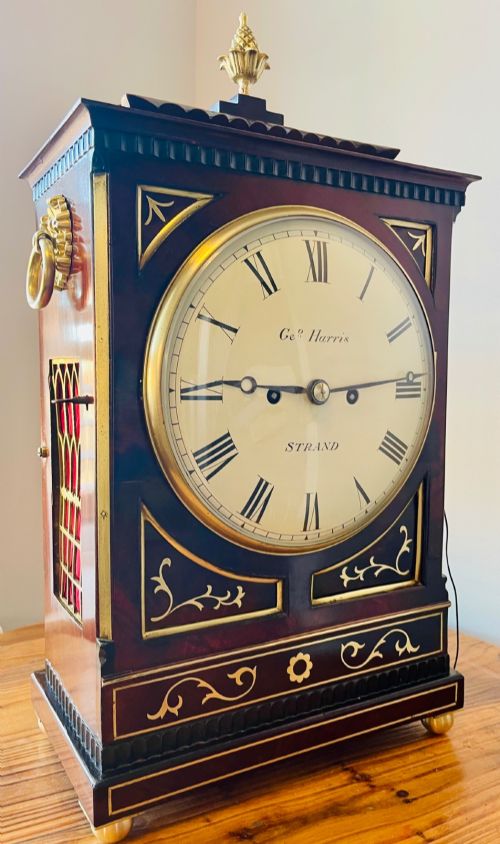
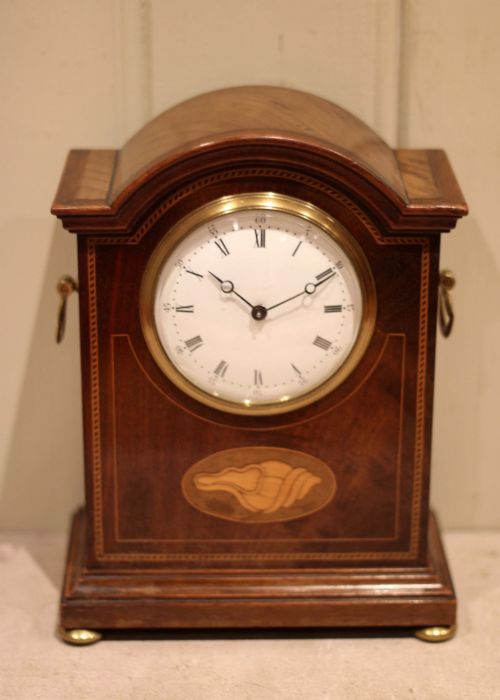
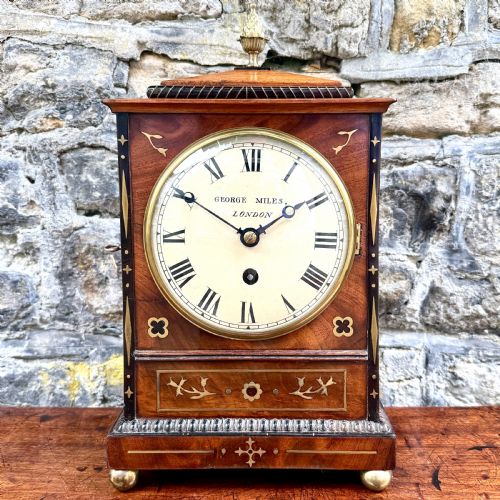
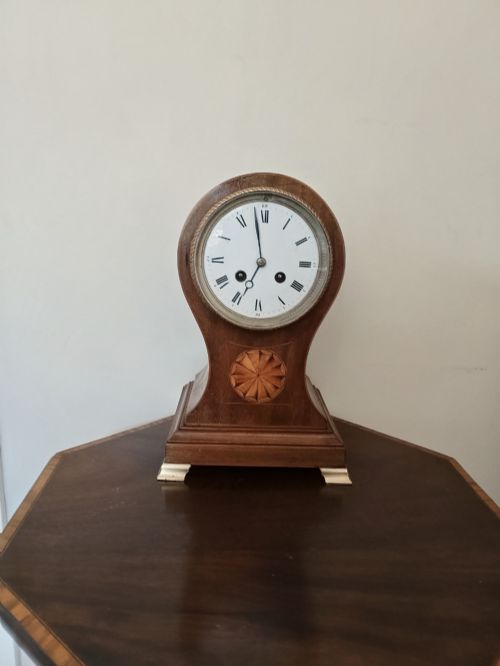
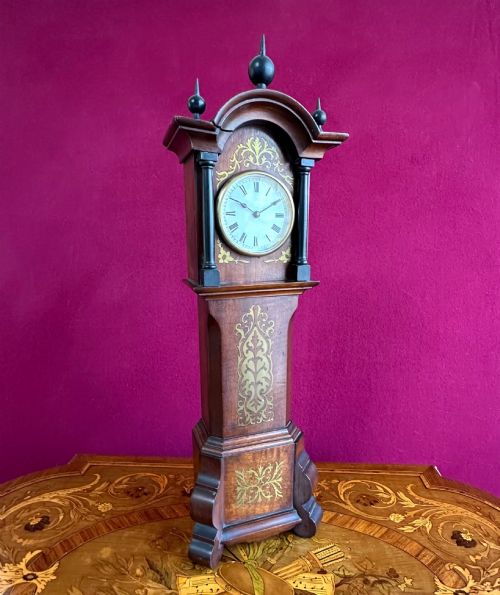
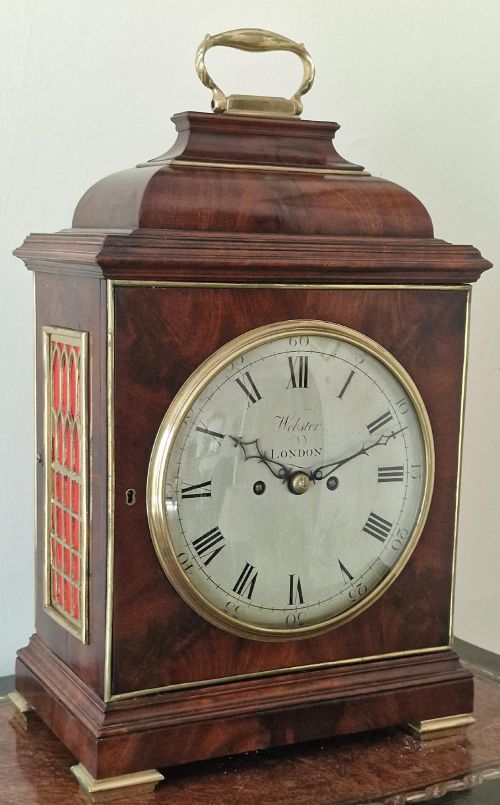
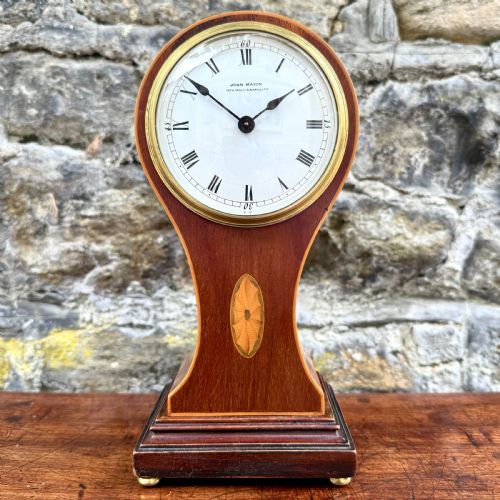
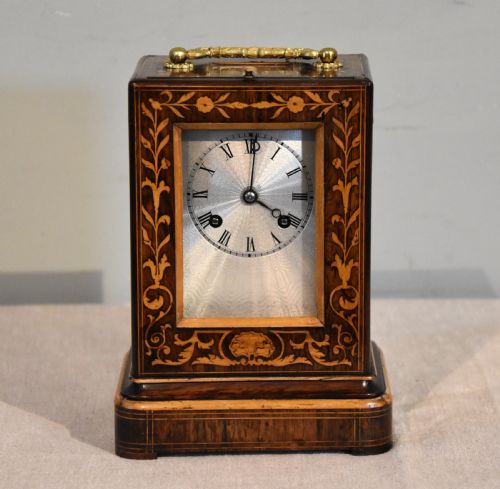
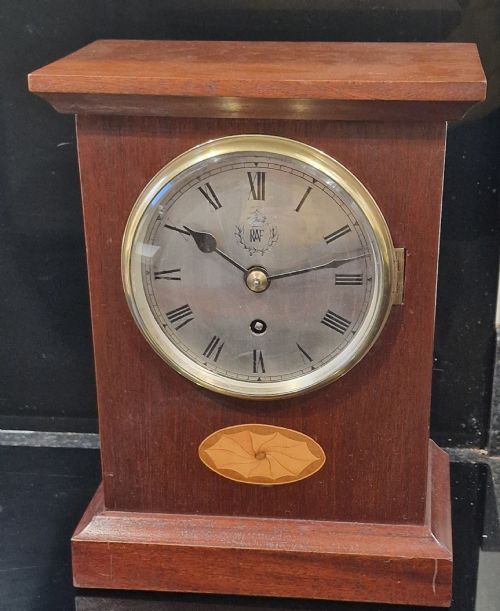
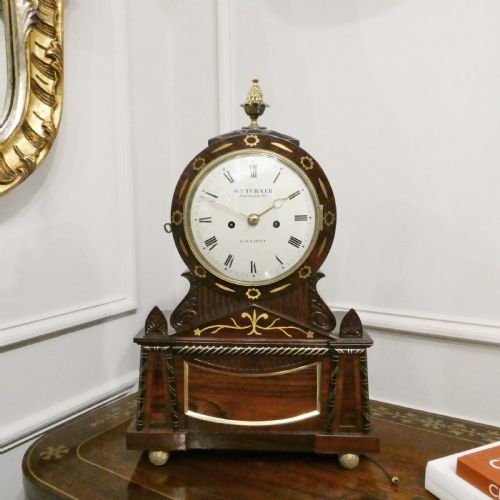
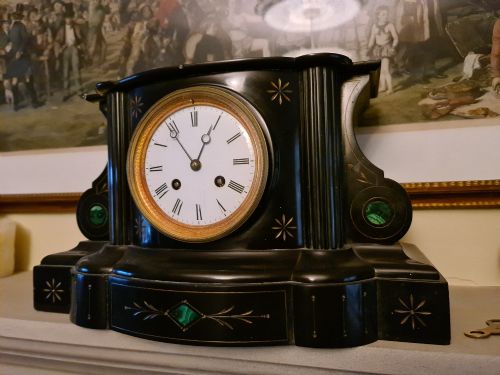
Brass Inlay Mantel Clock
A brass inlay mantel clock brings precision engineering together with intricate metalwork, adding functional elegance to any room.
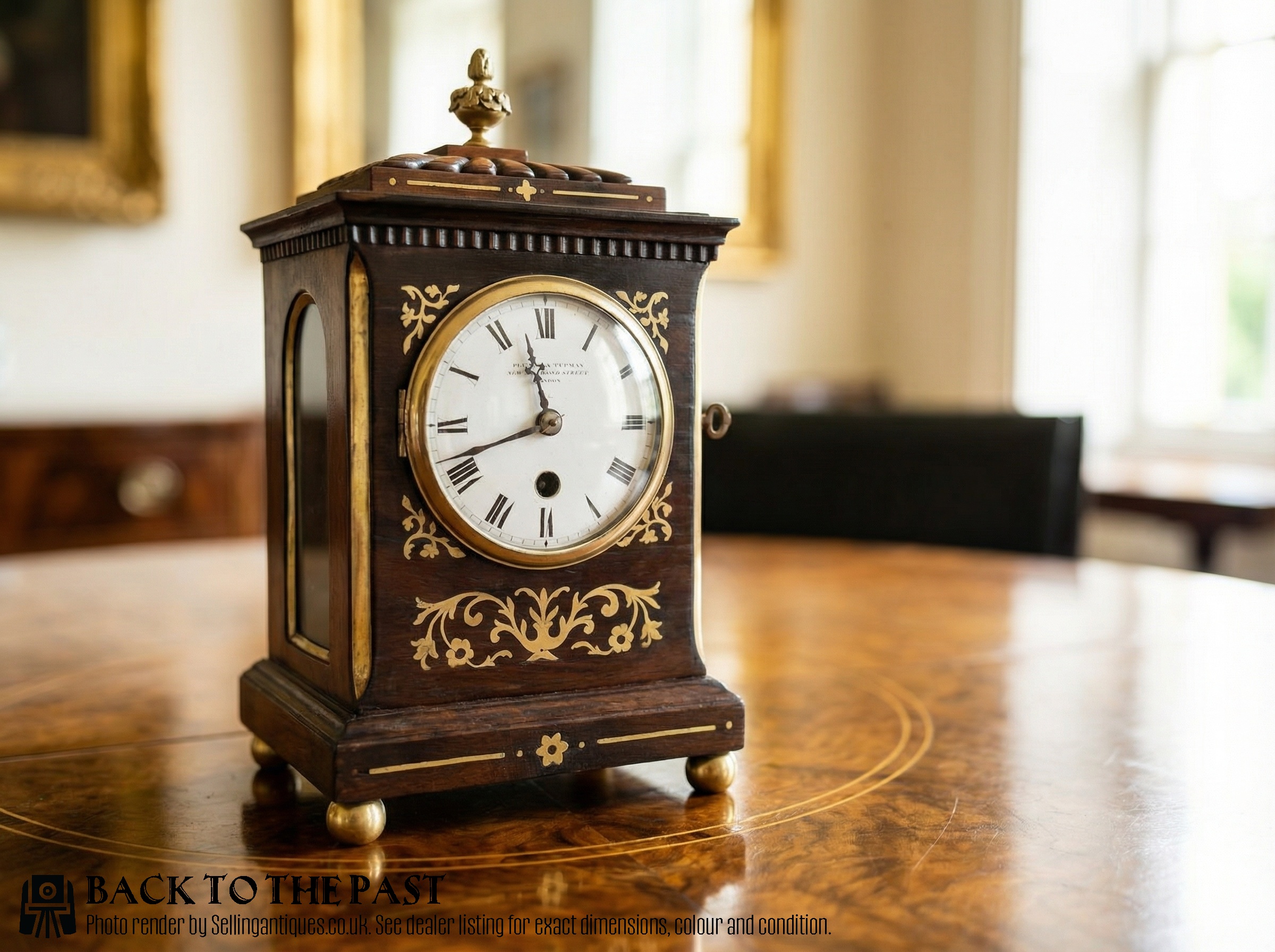
Brass Inlay Mantel Clock
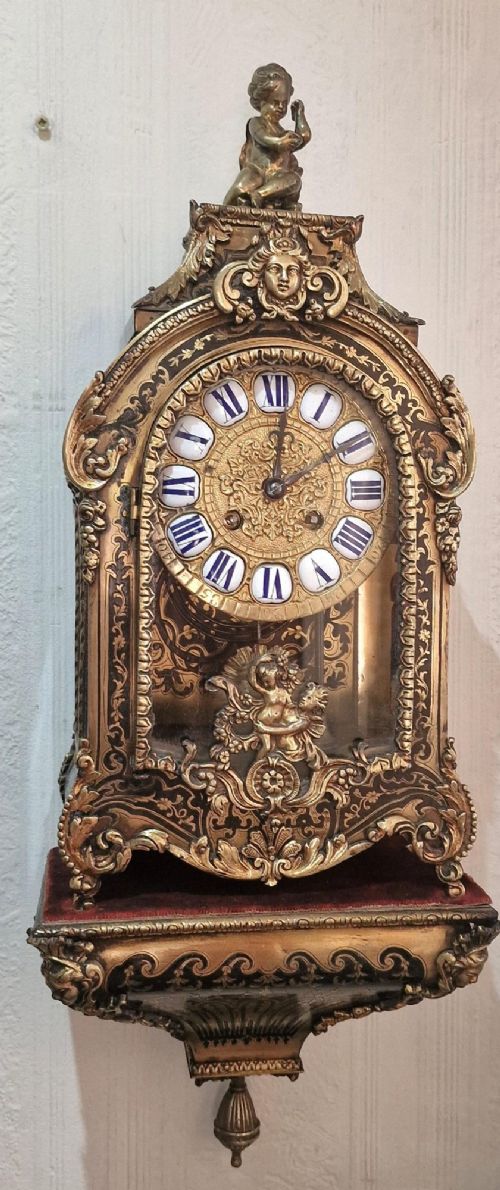
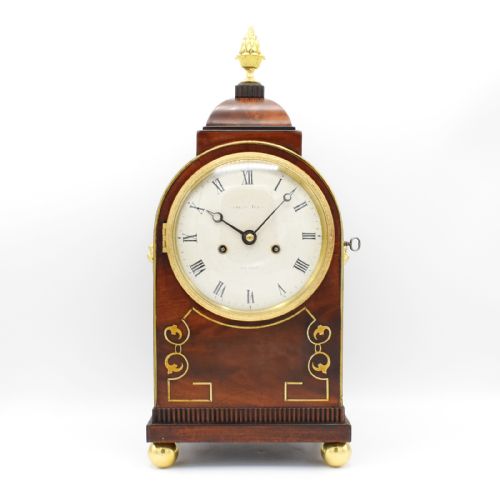
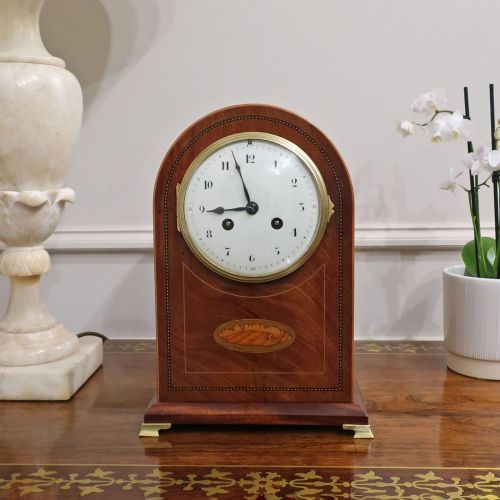
A brass inlay mantel clock combines timekeeping with decorative metalwork set into timber cases. These pieces appear in formats ranging from architectural library clocks to balloon and bracket designs.
The pieces listed on this page span Georgian, Regency, and Victorian periods, with significant representation from French workshops alongside English makers. Mahogany and rosewood form the primary wooden bodies housing the dials.
English bracket clocks and French boullework examples dominate the selection. Buyers encounter both robust fusee striking movements and delicate timepiece mechanisms.
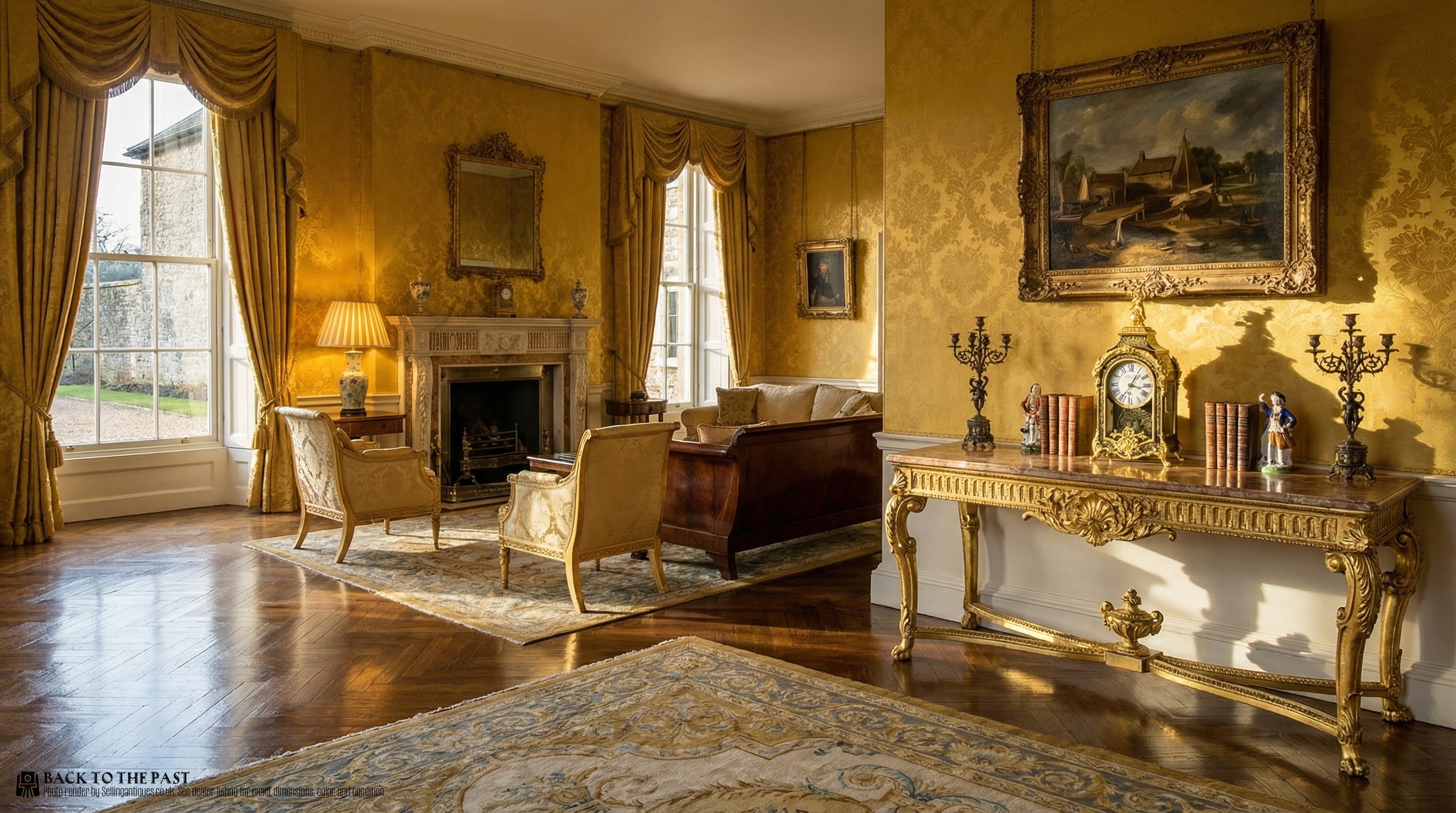
Materials and Construction Techniques
Craftsmen utilised dense hardwoods such as mahogany and rosewood as foundations for the cases. Artisans routed channels into these timber surfaces to receive precise cuts of brass wire and sheet metal.
French pieces frequently employed tortoiseshell alongside brass in Boullework marquetry techniques. Ormolu mounts, glass domes, and enamel dials complete the construction of these complex decorative objects.
Brass Inlay Mantel Clock Retail Price Guide 2026
Typical asking prices for brass inlay mantel clock among the pieces listed under this phrase on Sellingantiques today, from the lower quarter to the upper quarter. They describe what is for sale here now, not the wider market.
Listings feature mahogany, rosewood, and tortoiseshell cases embellished with hand-cut brass inlay across various nineteenth-century periods.
Assessing Craftsmanship and Execution
Quality separates through the precision of the brass fitting into the timber substrate. Superior examples display tight joints where metal meets wood without visible gaps or excessive adhesive filler.
The refinement of the movement inside dictates the overall standard of the piece. Engraved backplates, signed dials, and original fusee mechanisms elevate an example above standard production models.
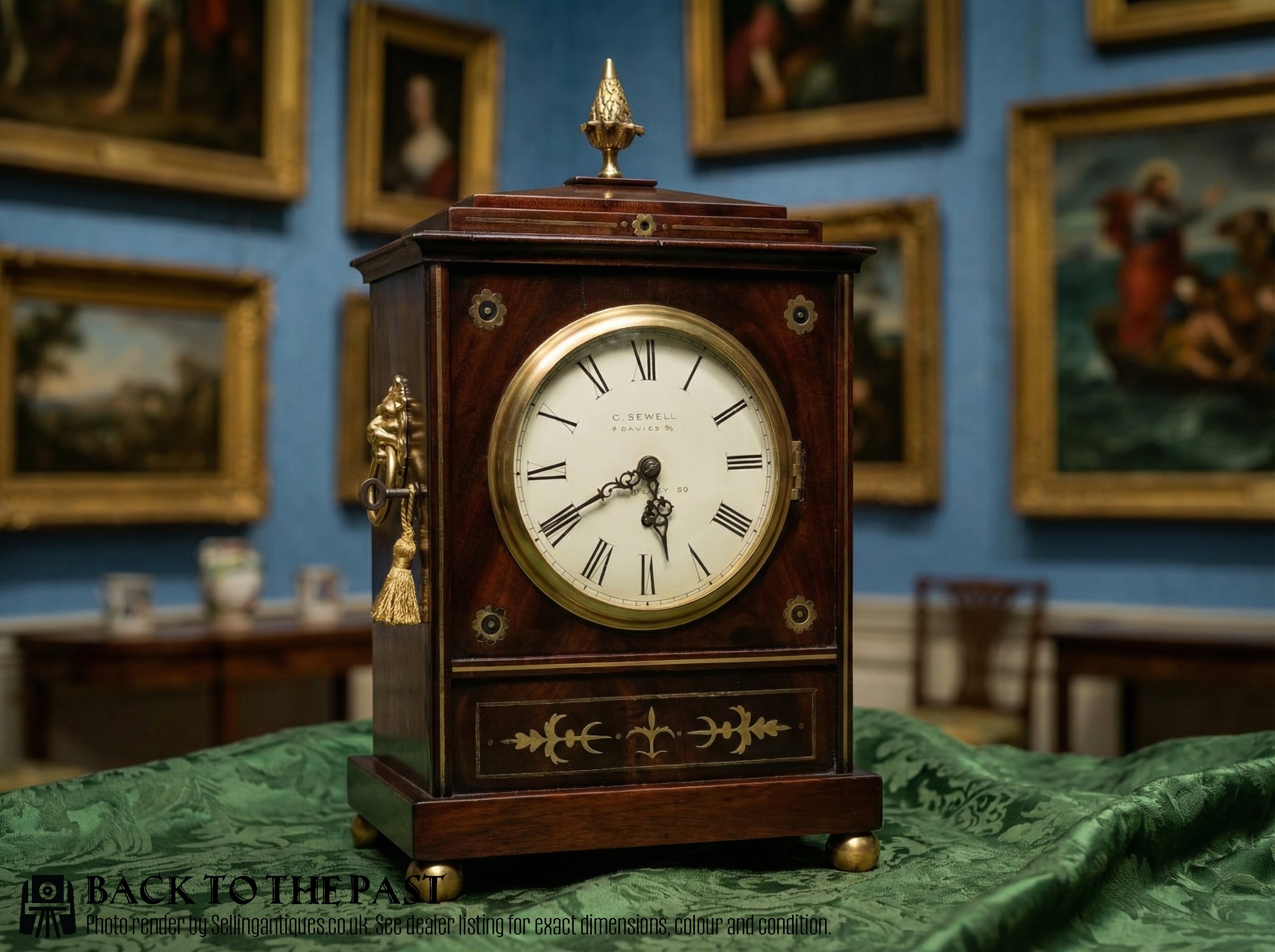
Thomson of London·George Orpwood·Samuel Marti·John Bull of Bedford·Turner of London
The Brass Inlay Mantel Clock Glossary
- Fusee
- A conical pulley used in clock movements to maintain even tension on the gear train as the mainspring unwinds. This mechanism improves timekeeping accuracy across the power reserve.
- Boullework
- A type of marquetry consisting of tortoiseshell and brass inlay developed in France. Artisans cut interlocking patterns from thin sheets of both materials simultaneously.
- Bracket Clock
- A portable clock designed to sit on a bracket or table. These spring-driven pieces typically feature carrying handles and glazed side panels.
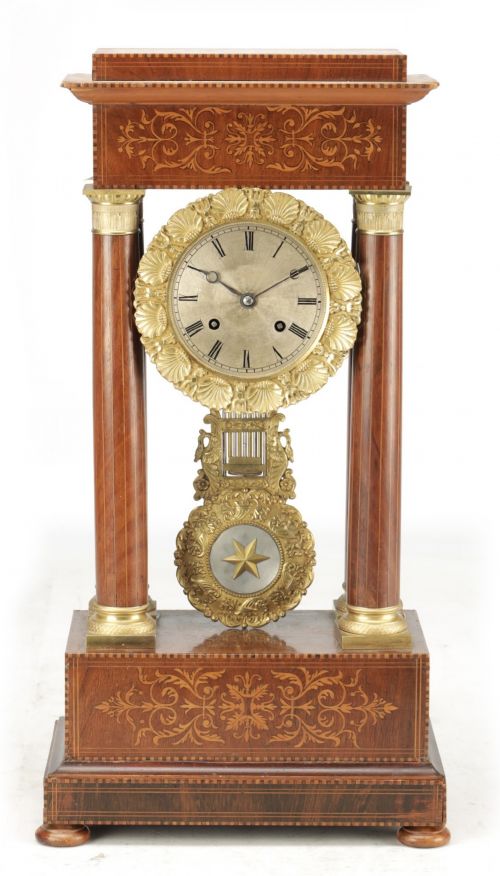
- Portico Clock
- A shelf clock designed in the architectural style of a classical portico. These symmetrical cases often incorporate columns supporting a central dial drum.
- Ormolu
- Gilded bronze used for decorative mounts on furniture and clock cases. The technique involves applying a mercury and gold amalgam to bronze.
Brass Inlay Mantel Clock: Frequently Asked Questions
How do I wind a brass inlay mantel clock?
Use the appropriate winding key on the dial arbors, turning gently until you feel resistance. Avoid over-winding, as this damages the mainspring inside the movement.
Consult the specific instructions for fusee or spring-driven mechanisms depending on your model. Ensure you handle the case gently to protect the delicate brass work.
Where should I place my mantel clock?
Position the clock on a stable, level surface away from direct sunlight, draughts, and moisture sources. Wooden cases and internal metal components react poorly to extreme temperature fluctuations.
Mantels and heavy sideboards provide adequate support for these dense hardwood and marble bodies. Ensure the surface does not vibrate when people walk nearby.
What maintenance do antique clocks require?
Professional cleaning and oiling every few years keeps the gear trains functioning properly. Dust accumulation on the dial and movement impairs performance over time.
Avoid applying household polishes directly to the brass inlay or timber case. Professional horologists should handle any internal adjustments.
How do I date a brass inlay mantel clock?
Examine the style of the wooden case, the shape of the dial, and any signature engraving on the backplate. Georgian and Regency pieces feature different proportions compared to later Victorian or Edwardian designs.
Maker signatures provide the most reliable indicator of age. Cross-reference recorded working dates of individual clockmakers to establish a precise timeframe.