
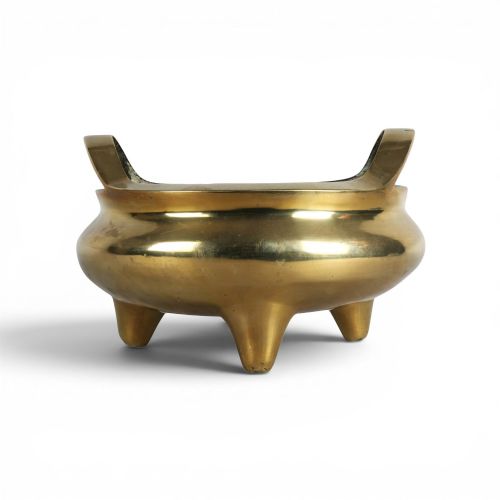


Brass Incense Vessel
A brass incense vessel brings centuries of ritual craft into a room, offering heavy cast metal and intricate handles for daily use or display.
Brass Incense Vessel
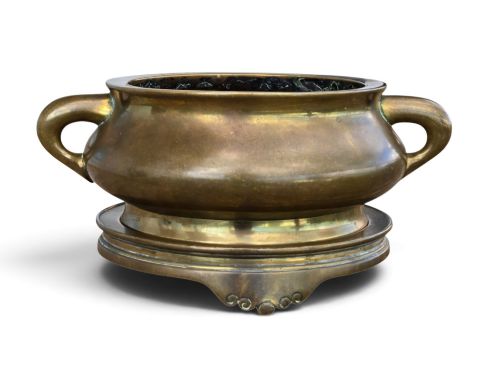
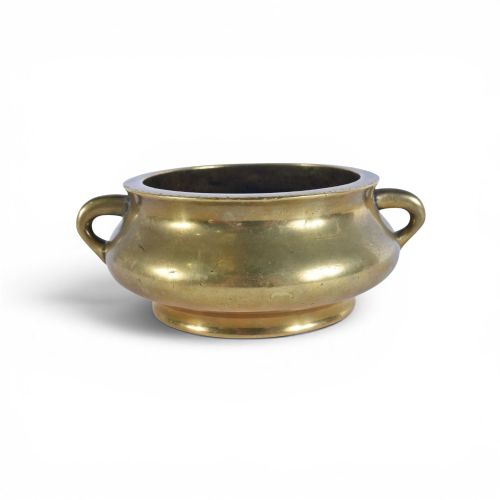
When you search for a brass incense vessel, you enter a field dominated by Chinese metalwork spanning from the eighteenth century through to the early twentieth century. The items on this page range from modest household bowls to substantial ritual censers bearing Qing Dynasty and scholarly studio marks.
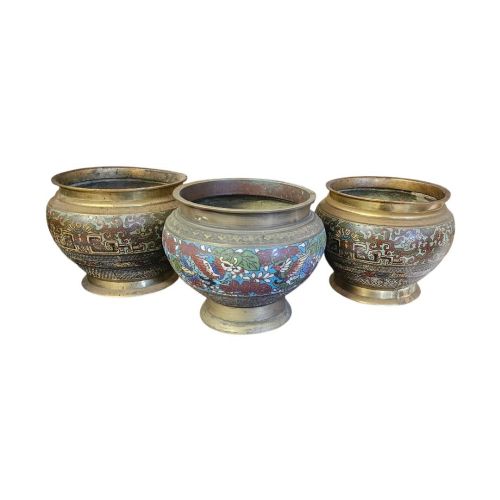
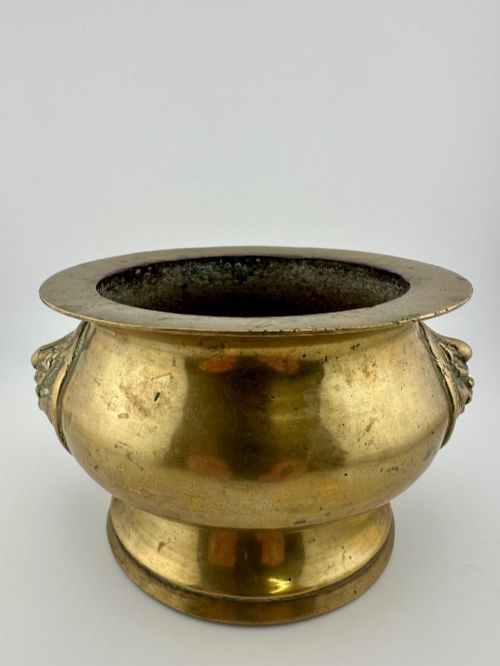
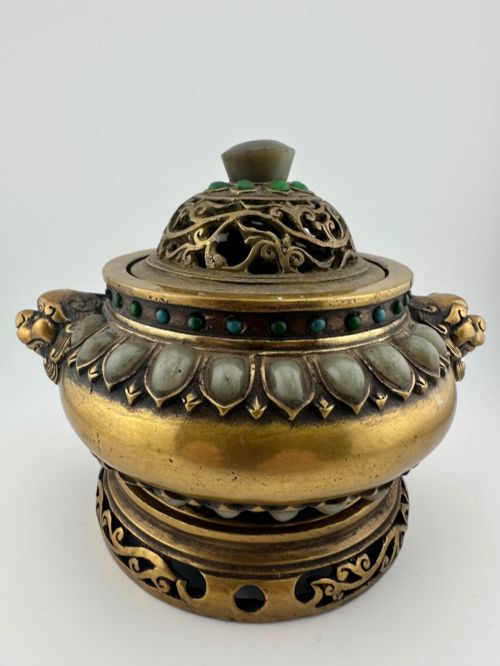
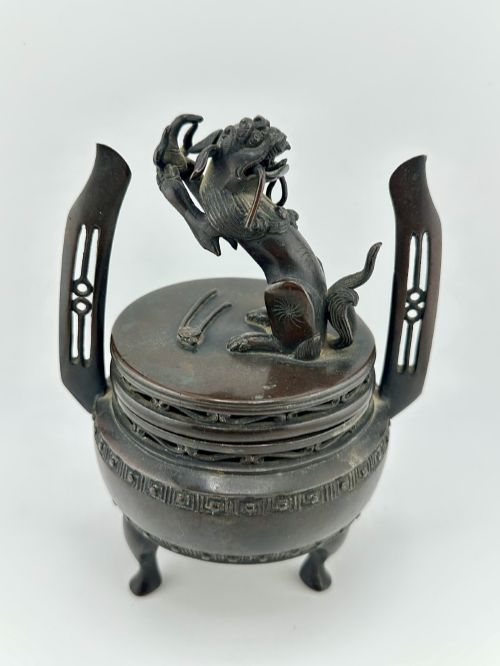
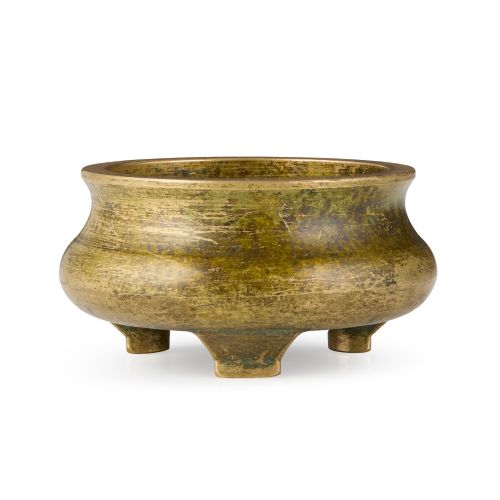
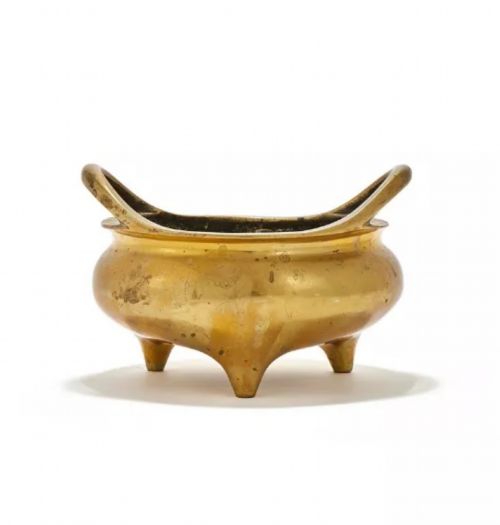
The forms vary considerably across the selection, taking shape as tripod censers, bombe vessels, lidded burners with qilin finials, and large jardinières. Many incorporate lion mask handles or intricate bamboo detailing, reflecting both utilitarian function and decorative ambition.
Materials and construction
These pieces are primarily fashioned from cast bronze and brass, often possessing a heavy, substantial weight that speaks to solid metalworking traditions. Makers utilised lost-wax casting and allied techniques to achieve thick vessel walls and stable tripod bases.
Decoration was integrated through multiple methods, including champleve enamel work, hardstone inlay, and precision stamping of archaic or scholarly seal marks directly into the base of the metal.
Listings span the eighteenth century, the Victorian era, and the early twentieth century up to nineteen-ten, featuring bronze, brass, enamel, and jade.
Distinctions in quality
Quality in these pieces rests upon the crispness of the casting and the density of the metal, where heavier vessels generally indicate superior craftsmanship. The articulation of details like lion mask handles and qilin finials separates ordinary utility pieces from those made for scholarly studios or imperial contexts.
The presence of crisp maker or reign marks, alongside well-executed champleve enamel or hardstone inlays, elevates a piece significantly. Pieces with matching stands and covers also command greater interest due to their completeness.
The Brass Incense Vessel Glossary
- Censer
- A vessel designed specifically for burning incense. These often feature pierced covers to allow smoke to escape evenly.
- Tripod censer
- A bowl or vessel supported by three distinct legs. This form provides stability on uneven surfaces and elevates the body of the burner.
- Bombé
- A rounded, swelling vessel form with a constricted neck and rim. It is a classic shape found frequently in eighteenth-century bronze work.
- Champlevé
- An enamelling technique where troughs are dug into the metal surface and filled with enamel paste before firing. This creates colourful decorative patterns against the brass or bronze ground.
- Qilin
- A mythical hooved creature in Chinese culture, often depicted as a finial perched atop a censer cover. Its presence signifies good fortune.
Brass Incense Vessel: Frequently Asked Questions
How do I date a brass censer?
Dating relies on examining the casting weight, surface patina, and any reign or studio marks stamped into the base. Stylistic cues such as archaic motifs or Qing Dynasty forms also help narrow down the period.
Comparing the metal composition and the sharpness of cast details like lion masks provides further clues to whether a piece originates from the eighteenth century or later nineteenth-century revivals.
Are these vessels safe for burning incense?
Most of these pieces were originally created for ritual or scholarly burning of incense resins and coils. Their heavy metal construction withstands heat easily.
Buyers should inspect the interior for any existing corrosion or modern alterations before lighting new incense, though many collectors choose to display them purely as decorative objects.
What is a scholar mark?
A scholar mark is an inscription placed on the underside of a vessel indicating a connection to a private study or a renowned maker like Wu Bangzuo. These marks denote scholarly taste and high-status production.
Finding a clear sixteen-character mark or a specific studio stamp adds historical context and helps verify the quality of the casting.
How should I clean a antique brass censer?
It is best to leave the aged patina intact, as harsh polishes can strip away centuries of oxidation and reduce the historical value of the object. A gentle dusting with a soft, dry cloth is usually sufficient.
Avoid using water or chemical cleaners on pieces that feature enamel or hardstone inlays, as moisture can damage the adhesives and surrounding metal.