


Chinese Bronze Metalware
Chinese bronze metalware spans centuries of skilful casting, offering tactile weight, intricate relief work and a grounding presence for any interior.
Chinese Bronze Metalware
When you search for Chinese bronze metalware, you encounter ritual vessels, censers, vases and decorative bowls shaped by centuries of tradition. These objects serve both ceremonial functions and decorative purposes, bringing distinct historical forms into domestic spaces.
The pieces available on this page lean heavily towards late nineteenth-century productions alongside significant earlier examples like Ming Dynasty scholarship vessels. You will frequently find censers, incense burners, and ritual vessel adaptations designed for display.
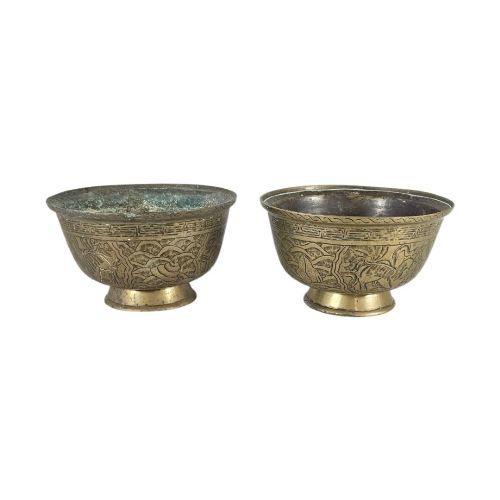
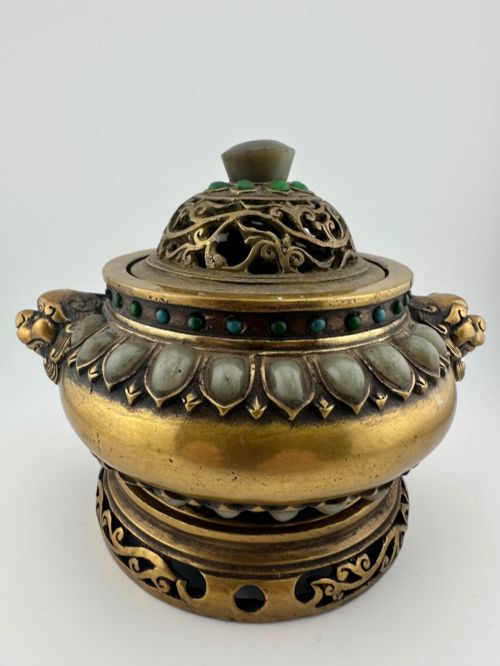
Vessels range from modest domestic bowls to heavy ritual jars inlaid with hardstones or accented with parcel-gilt details. Each form reflects the aesthetic priorities of its specific period, from archaic revival styles to intricate floral and avian motifs.
Materials and Construction
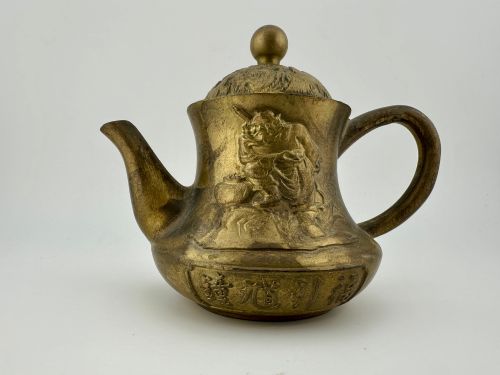
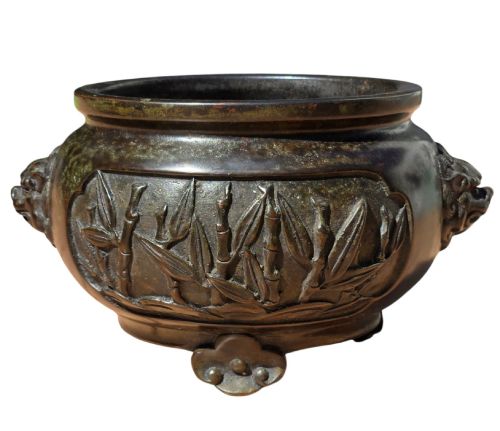
These pieces are cast from copper alloys, predominantly bronze and brass, utilising traditional founding methods that yield substantial weight and durable walls. Artisans often enhanced these metal surfaces through applied relief panels, chasing, and intricate surface carving.
Colour and texture vary through patination, ranging from deep dark browns to bright polished brass tones. Selected items incorporate contrasting materials such as jade, hardstone, and champleve enamel to punctuate the metallic surfaces with vibrant colour.
Current listings feature nineteenth-century and Victorian pieces alongside sixteenth-century Ming Dynasty examples, spanning bronze, brass, and enamel.
Evaluating Quality
Quality rests in the crispness of the casting and the depth of the relief work, where sharper details signal superior craftsmanship. Heavier pieces with integrated handles, well-fitted covers, and secure stands demonstrate greater ambition in their original creation.
The integration of secondary materials like hardstone inlays and champleve enamel requires precision and stability. Superior examples maintain a harmonious balance between the primary bronze structure and any added decorative elements.
The Chinese Bronze Metalware Glossary
- Censer
- A vessel designed for burning incense, frequently featuring openwork covers and decorative handles. These objects often form the centrepiece of traditional scholar's desks.
- Champleve
- An enamelling technique where troughs are dug into the metal surface and filled with vitreous paste before firing. This creates colourful decorative patterns flush with the bronze body.
- Parcel-gilt
- A treatment where selective areas of the bronze object are gilded with gold leaf while other portions retain the bare metal finish. This technique highlights specific motifs and reliefs.
- Gu
- An archaic ritual vessel form characterised by a flared trumpet neck, a slender central section, and a wide base. Victorian and later makers frequently reinterpreted this shape as a decorative vase.
- Ming Dynasty
- An historical period spanning from the fourteenth to the seventeenth century, known for refined scholarship and enduring artistic standards. Pieces from this era command specific historical interest.
Chinese Bronze Metalware: Frequently Asked Questions
How are bronze censers used?
These vessels were historically utilised for burning incense during meditation, study, or ritual gatherings. Their heavy metal construction safely contained glowing embers while diffusing aromatic smoke through pierced covers.
Today, they function primarily as decorative objects for display on tables or shelves. You can still use them with modern incense cones if desired, provided you protect the interior surface.
What does a Xuande mark mean?
A Xuande mark references the Ming Dynasty emperor under whom exemplary bronzes were supposedly produced. Many later nineteenth-century pieces bear this mark as a tribute to that renowned standard of metalwork rather than as a literal date of origin.
Collectors view these marks as part of the object's decorative history. Dating relies on the casting style, patination, and material composition rather than the presence of a reign mark alone.
How do I clean antique bronze?
Antique bronze relies on its natural aged patina for visual depth and historical character. You should avoid abrasive cleaning agents or polishes that strip away centuries of accumulated oxidation and darkening.
Dust the surface gently with a dry, soft cloth when needed. Retaining the undisturbed metal skin preserves both the aesthetic integrity and the historical authenticity of the piece.
Are these pieces solid bronze?
The listings comprise various copper alloys, including traditional bronze and brass compositions. Many items possess substantial physical weight, reflecting thick-walled casting methods typical of quality metalware.
Selected examples incorporate auxiliary components like hardstone inlays, enamel sections, or wooden stands. These diverse materials combine to create balanced decorative objects suited for modern interiors.