


Asian Metalware Vessel
An asian metalware vessel brings centuries of master craftsmanship and ritual history directly into your home.
Asian Metalware Vessel
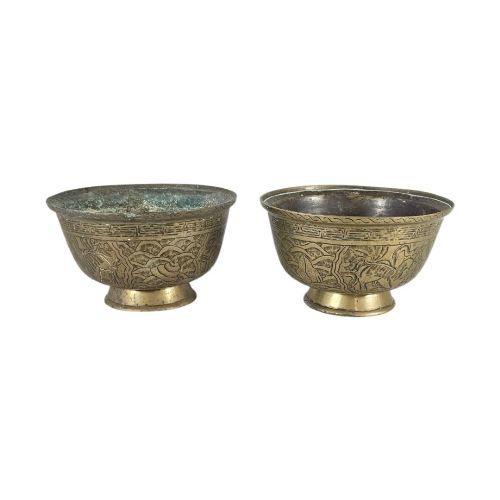
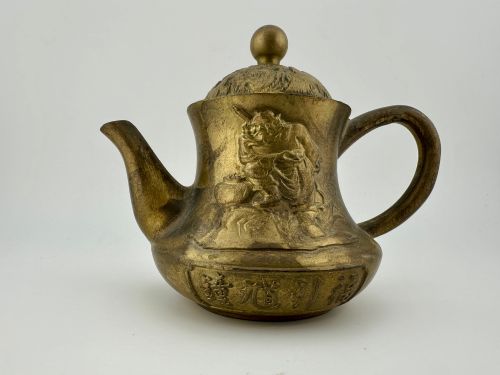
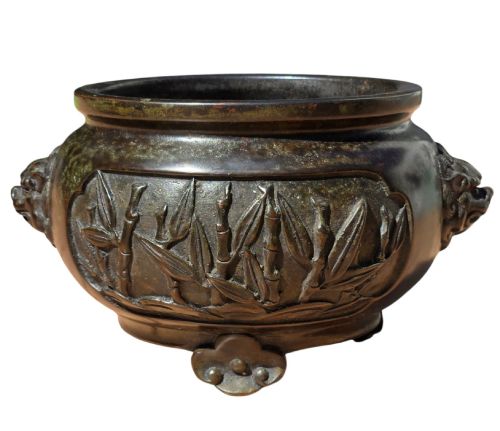
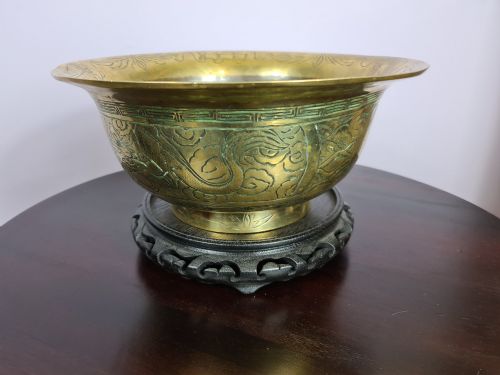
An asian metalware vessel encompasses a wide range of functional and decorative forms, including bronze censers, brass teapots, and copper alloy vases. These items span various eras from the Ming dynasty to the late nineteenth and early twentieth centuries.
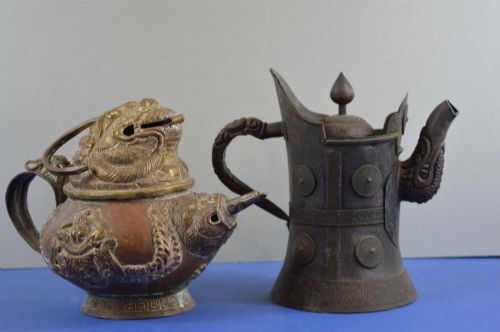
Buyers frequently encounter Chinese export pieces, Tibetan ceremonial ewers, and Japanese bronze vases within this selection. Forms vary from ritual Gu vessels and decorative bowls to heavy garden planters and incense burners.
The objects reflect distinct cultural traditions, utilising traditional motifs such as dragons, phoenixes, and botanical panels. They serve both utilitarian purposes and aesthetic display within domestic interiors.
How They Were Made
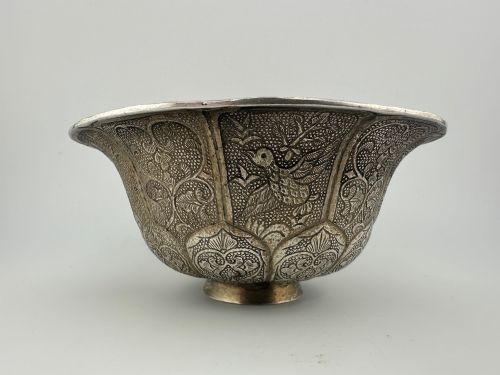
Maker-craftsmen utilised bronze, brass, and copper alloy as the primary foundation materials, often shaping them through traditional casting and hammering techniques. Metal surfaces frequently received detailed relief panels, incised motifs, or applied cast elements like birds and lotus designs.
Enamel work appears prominently through champlevé and cloisonné techniques, where coloured glass pastes fuse into wire cells or surface troughs. White metal and silver components also feature in specific export and ceremonial pieces, adding contrast to the heavier base metals.
Listings feature items spanning from the sixteenth-century Ming dynasty through to the nineteenth-century Qing era and early twentieth-century production.
What Varies in Quality
The distinction between standard items and exceptional pieces rests upon the crispness of the cast relief and the precision of the surface decoration. Superior examples display sharply defined motifs, such as intricate dragon scales or distinct botanical panels, without blurring or surface pitting.
Weight and balance also indicate standard, as substantial bronze and brass vessels demonstrate a density that lesser castings lack. The preservation of original enamel work and the subtlety of patination further elevate the standing of a piece.
The Asian Metalware Vessel Glossary
- Censer
- A vessel designed for burning incense during ritual or domestic practices. These often feature pierced lids and sturdy tripod or pedestal bases.
- Gu
- An archaic style of ritual vessel characterised by a slender central shaft expanding into a wide mouth and flaring base. They originated in ancient bronze traditions.
- Champlevé
- An enamelling technique where troughs or cells are carved into the metal surface and filled with vitreous enamel before firing. This creates colourful decorative patterns flush with the metal partitions.
- Cloisonne
- A method of decorating metal objects by affixing wire compartments to the surface and filling them with enamel paste. The piece is then fired and polished to a smooth finish.
- Jardiniere
- A large ornamental pot or vessel intended for holding plants or floral arrangements. They frequently appear in heavy bronze or enamel finishes.
Asian Metalware Vessel: Frequently Asked Questions
How do I clean bronze vessels?
Dust metal surfaces gently with a soft, dry cloth to prevent the accumulation of grime.
Avoid using harsh chemical polishes or water, which can strip the natural patination built up over centuries.
What is a Gu vessel used for?
Ancient ritual ceremonies utilised these tall, trumpet-mouthed objects for libations and offerings.
Later periods replicated the archaic style purely for decorative display and scholarly appreciation.
Are these items waterproof?
Many historical vessels, particularly censers and ritual items, were not designed to hold liquids securely.
If using a jardiniere or vase for fresh flowers, place a discrete glass or plastic liner inside to protect the metal.
How do I identify Ming dynasty pieces?
Sixteenth-century works typically display deep casting, robust proportions, and specific motifs like the three friends of winter.
Consulting stylistic conventions and comparing known scholarly examples helps confirm the period.
What does champleve enamel mean?
The technique involves gouging troughs into a bronze or copper base to form decorative outlines.
Artisans fill these recessed areas with coloured enamel paste before firing the vessel at high temperatures.