


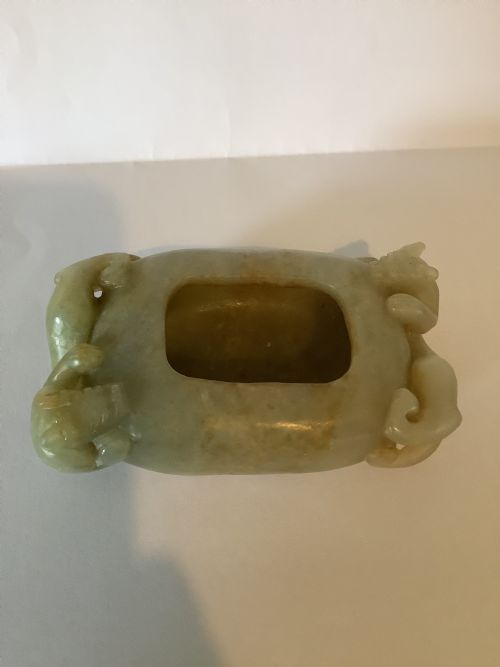

Qing Scholar Desk Object
When you handle a qing scholar desk object, you touch the quiet focus of imperial literati life through jade, bronze, and carved bamboo.
Qing Scholar Desk Object
A qing scholar desk object comprises the implements used by traditional Chinese literati for writing, painting, and contemplative study. These functional pieces include brush pots, brush washers, censers, wrist rests, and seals designed for the scholar's studio.
The objects appearing here span the seventeenth century through the early twentieth century, encompassing the Qing dynasty and subsequent late periods. Hardwood, bamboo, porcelain, jade, and soapstone recur as the primary mediums for these studio pieces.
Materials and Techniques
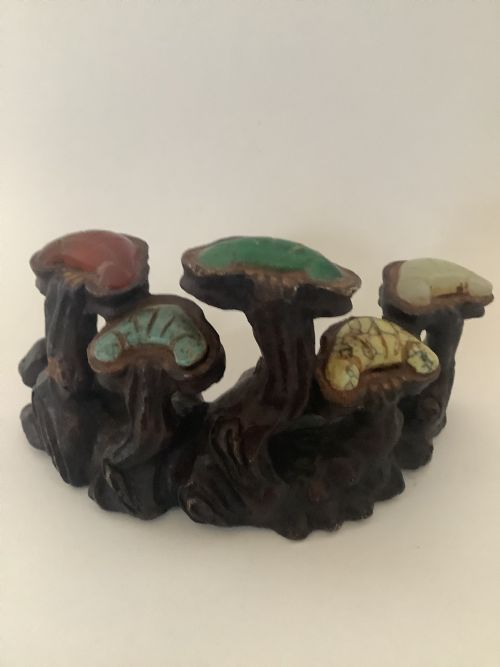
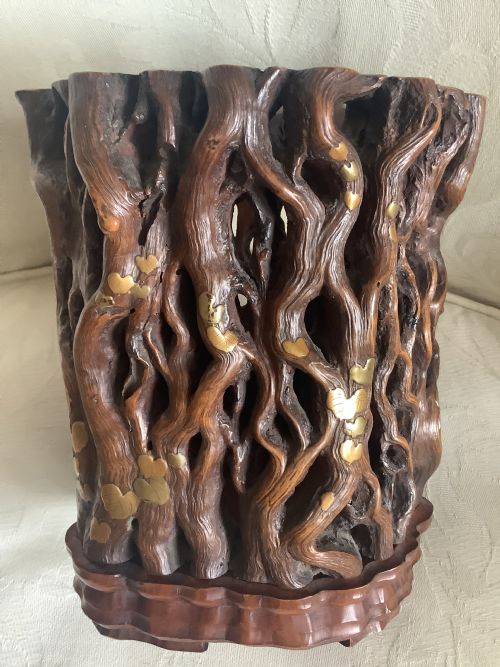
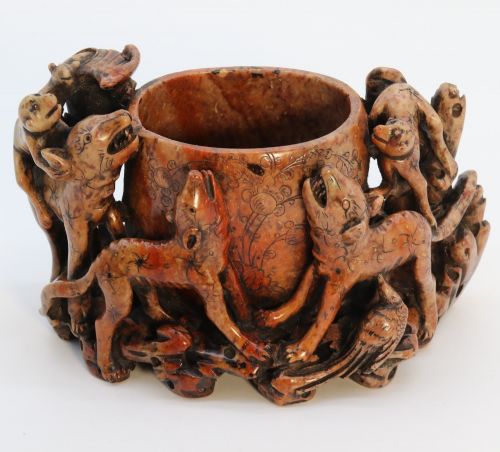
Carvers shaped dense hardwoods, bamboo, and soapstone using intricate hand-carving techniques to depict figures, dragons, and natural scenes. Organic materials like buffalo horn and boxwood received similarly careful shaping for smaller desk accessories.
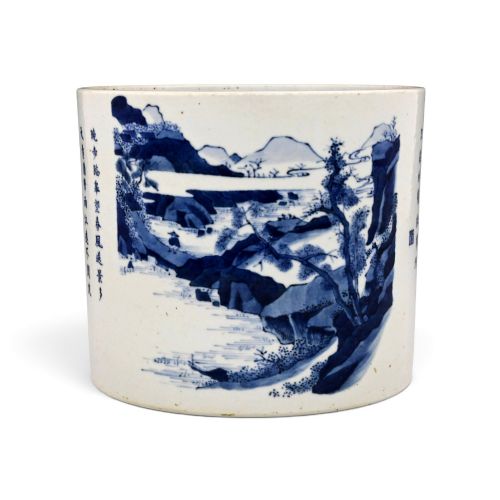
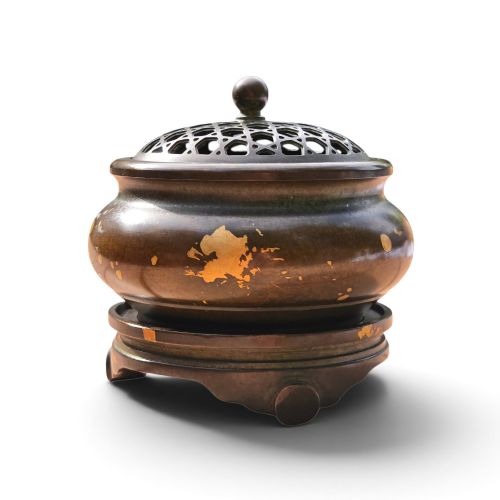
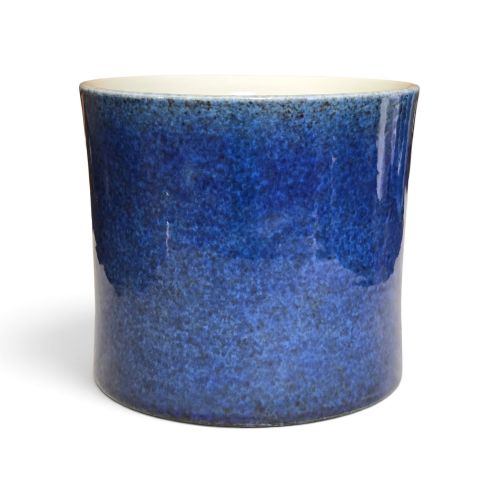
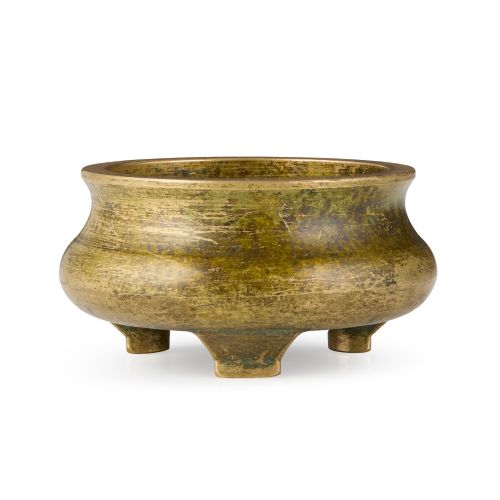
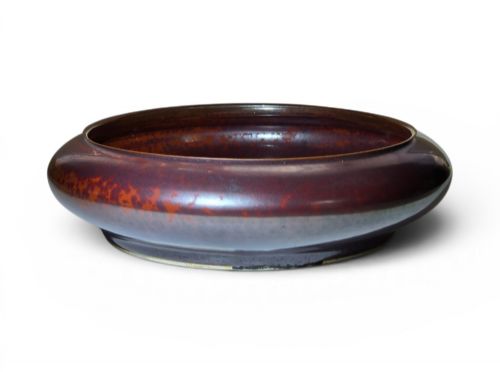
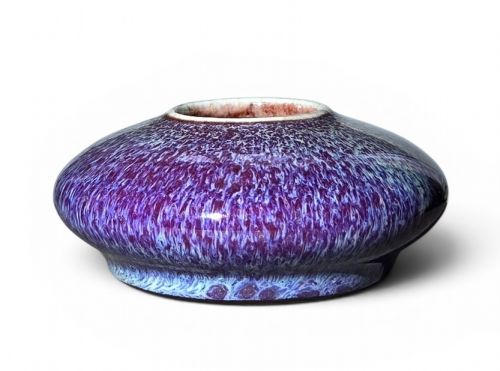
Potters and ceramists utilised high-temperature kilns to produce blue and white, powder-blue, flambé, and iron rust glazes on porcelain forms like the bitong and buxi. Bronzeworkers employed lost-wax casting methods for tripods, censers, and brush rests, often adding surface treatments like gold-splashing.
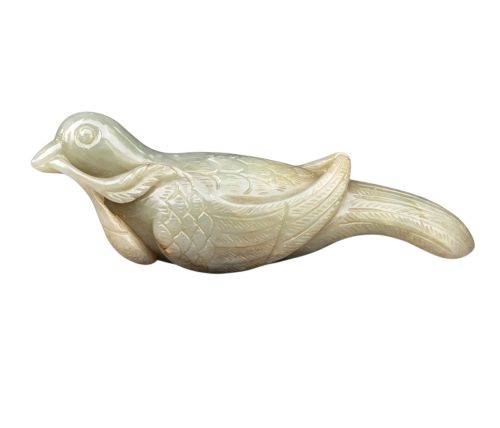
Desk objects occasionally include carved water birds and cicadas, offering scholars miniature moments of nature amidst their inkstones.
Assessing Quality and Execution
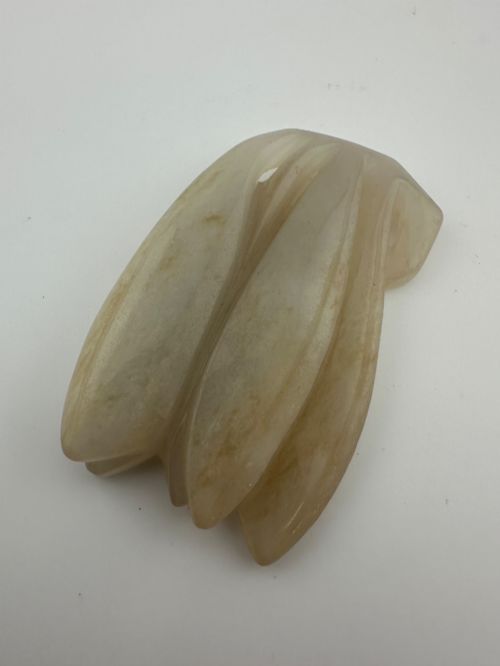
The merit of a piece rests upon the depth, clarity, and precision of the carving across materials like jade, bamboo, and hardwood. Superior examples display confident, fluid execution that respects the natural contours of the medium rather than forcing rigid symmetry.
Material selection determines the upper tier of these desk items, particularly with translucent celadon jade, unblemished horn, or well-potted porcelain bearing controlled underglaze cobalt. Studio marks and imperial association further distinguish the finer pieces from standard utilitarian examples.
The Qing Scholar Desk Object Glossary
- Bitong
- A cylindrical brush pot used to hold writing brushes on a scholar's desk. These vessels appear in porcelain, hardwood, and bamboo.
- Buxi
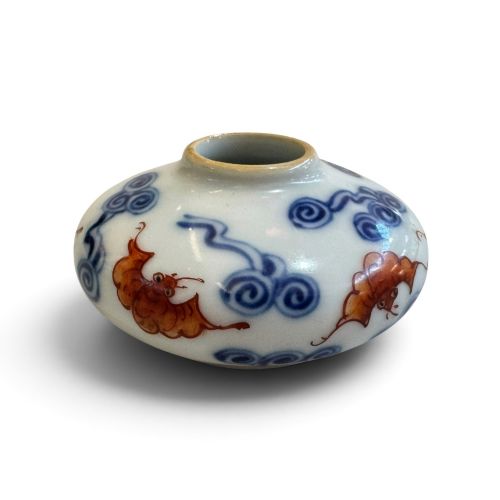
- A compressed form of brush washer utilised for rinsing ink from brushes during calligraphy sessions. They frequently exhibit specialised glazes such as iron rust or flambé.
- Celadon
- A term for ceramics glazed in jade-green shades, as well as the pale green mineral jade itself. This colour held deep cultural significance in Chinese scholarly traditions.
- Censer
- A vessel designed for burning incense within the studio to aid meditation and purify the air. Bronze and ceramic versions often stand on tripod feet.
- Wrist rest
- A curved plaque of bamboo, wood, or porcelain placed beneath the hand to prevent smudging ink on paper during calligraphy. They are frequently carved with figurative or botanical motifs.
Qing Scholar Desk Object: Frequently Asked Questions
What is a bitong?
A bitong is a cylindrical brush pot designed to hold writing brushes upright on a desk. They form a central part of the scholar's studio equipment.
Craftsmen produced them in materials ranging from blue and white porcelain to carved bamboo and dense hardwood.
How do I date these objects?
Dating relies on stylistic markers, material characteristics, and comparison with known period pieces from the seventeenth through nineteenth centuries. Reign marks or attribution to periods like Kangxi and Qianlong offer further chronological guidance.
Subtle shifts in glaze chemistry and carving depth also help distinguish earlier Qing examples from late nineteenth-century productions.
What were brush washers used for?
Brush washers held water to clean ink from writing brushes between strokes. Scholars required these small basins close at hand during painting and calligraphy.
They appear in various forms, including compressed bowls known as buxi, fashioned from jade, porcelain, or stone.
Which materials are most common?
Porcelain, hardwood, bamboo, and jade appear most frequently among desk accessories. Soapstone and bronze also feature regularly across censers and seals.
Each material required distinct manufacturing techniques, from high-firing ceramic kilns to precision hand-carving in wood.