



18th Century Censer
An 18th century censer brings centuries of ritual history into a room through cast bronze, porcelain, and carved wood.
18th Century Censer
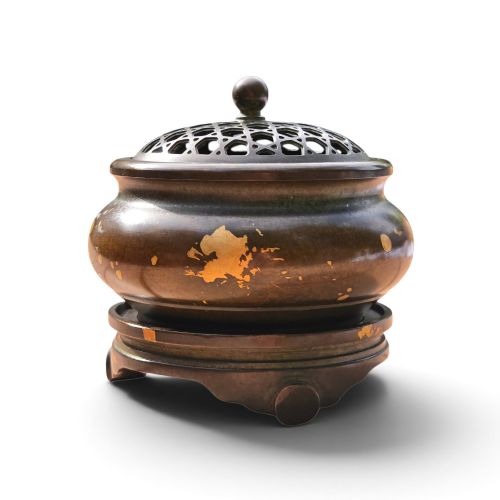
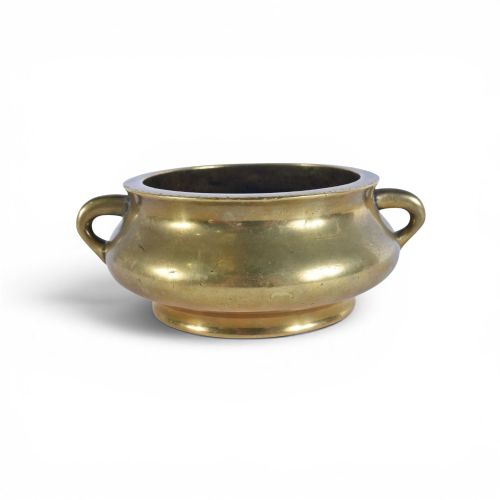
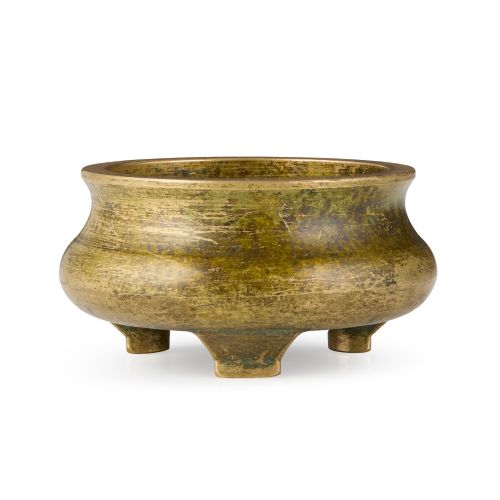
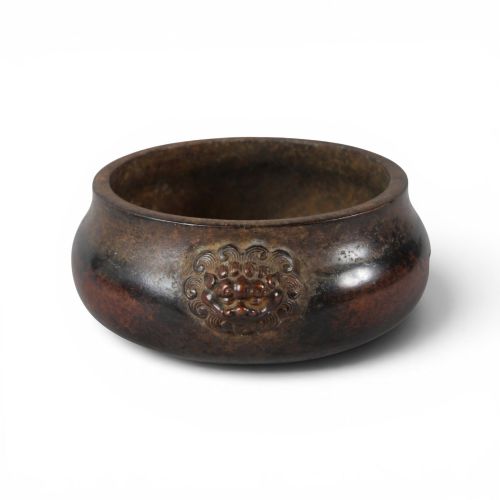
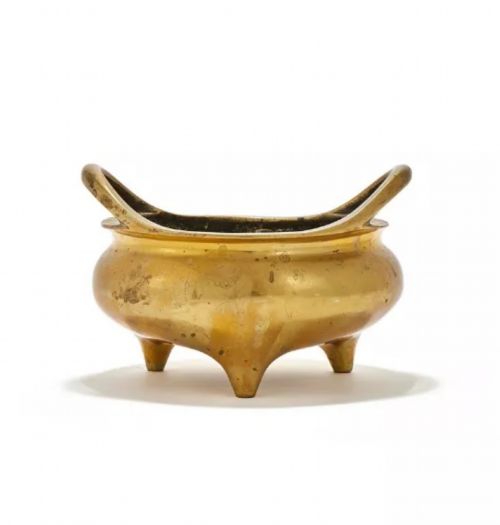
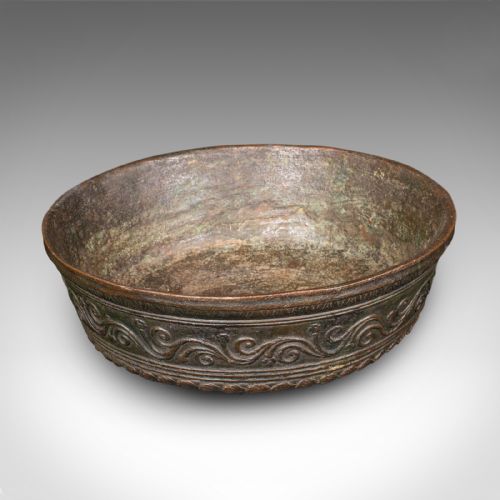
An 18th century censer is a vessel designed to burn incense, appearing on this page in forms such as tripod censers, ritual vessels, and decorative bowls. The selection includes Chinese scholar's studio pieces alongside Japanese works from the Edo period, reflecting both domestic altar use and scholarly pursuits.
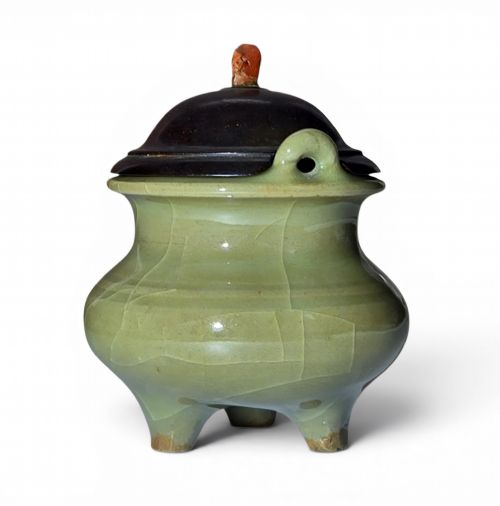
Most examples date firmly to the eighteenth century, though related forms stretch back into the seventeenth century under the Qing and Ming dynasties. Buyers encounter tripod formats, bombé shapes, and figural incense burners complete with bespoke zitan wood and coral covers.
How they were made
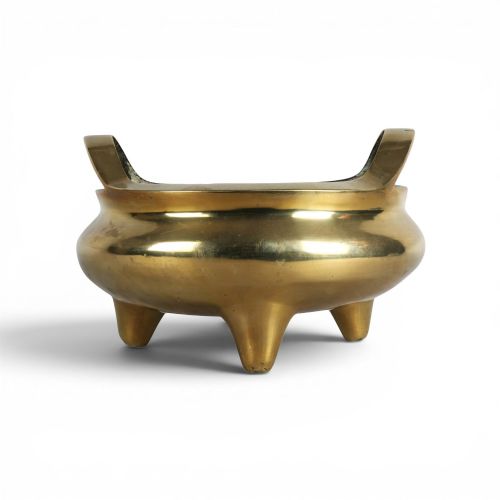
The metal examples on this page utilise heavy bronze and brass, often cast with tripod feet and marked with Xuande or Wu Bangzuo studio signatures. Artisans applied gold splashing and archaic styling to mimic much older ritual bronzes.
Ceramic pieces demonstrate porcelain and stoneware production, specifically Dehua blanc de Chine and Imari porcelain from Japan. These are shaped into bamboo motifs and tripod bowls, sometimes paired with custom-made coral and zitan wood lids.
18th Century Censer Retail Price Guide 2026
Typical asking prices for 18th century censer among the pieces listed under this phrase on Sellingantiques today, from the lower quarter to the upper quarter. They describe what is for sale here now, not the wider market.
Listings feature bronze, brass, porcelain, and stoneware across the 18th century, 17th century, and Georgian periods.
What varies in quality
Weight and casting thickness distinguish the heavier scholar's pieces from standard decorative items, with superior bronzes demonstrating substantial heft and precise tripod balance. The presence of crisp studio or seal marks adds significant authority to metal vessels.
The integration of bespoke organic materials, such as zitan wood and coral covers fitted to earlier ceramic bodies, elevates the craftsmanship of individual pieces. Surface treatments, from gold-splashed patination to delicate blanc de Chine potting, define the upper tier of the range.
The 18th Century Censer Glossary
- Tripod censer
- An incense burner supported by three feet. This form is common among the bronze and ceramic listings on this page.
- Bombé censer
- A vessel characterised by a bulging lower body that tapers toward the rim. This profile originates from archaic Chinese bronze vessels.
- Zitan wood
- A dense, dark hardwood native to Asia. It appears in bespoke covers made for miniature ritual vessels.
- Blanc de Chine
- A white porcelain produced in Dehua, China. It translates literally as white from China.
- Archaistic
- A style that consciously imitates the forms and decoration of ancient ritual bronzes. Makers during the Qing dynasty frequently utilised this aesthetic.
18th Century Censer: Frequently Asked Questions
What is an 18th century censer used for?
These vessels were primarily designed for burning incense in scholar's studies, temples, and domestic altars.
Over time, many of these pieces transitioned into decorative cabinet objects or scholarly desk accessories.
How do I identify a bronze censer mark?
Makers and workshops stamped or cast seal marks, such as those referencing Xuande or Wu Bangzuo, directly onto the metal base.
These characters indicate the dynastic tradition or studio associated with the piece's production.
What materials were used for these censers?
The listings on this page feature cast bronze and brass alongside porcelain, stoneware, and celadon.
Some examples incorporate organic additions like coral and zitan wood for fitted vessel covers.
Where were these incense burners made?
The pieces originate primarily from China during the Qing dynasty, alongside Japanese works from the Edo period.
Stylistic influences range from archaic Chinese ritual vessels to regional Japanese ceramic traditions like Imari.