
Bronze Incense Vessel
A bronze incense vessel brings centuries of ritual craft into the home, offering heavy cast metal forms shaped for burning fragrant woods and resins.
Bronze Incense Vessel
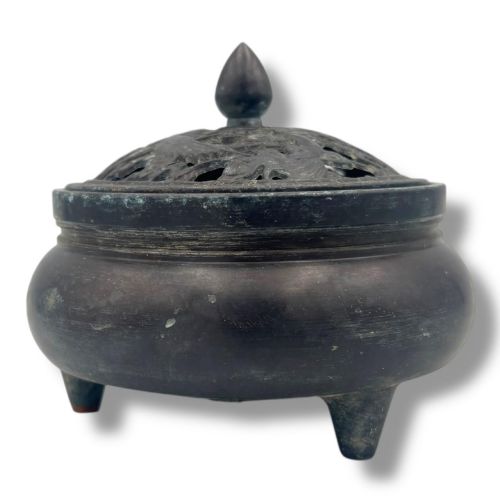
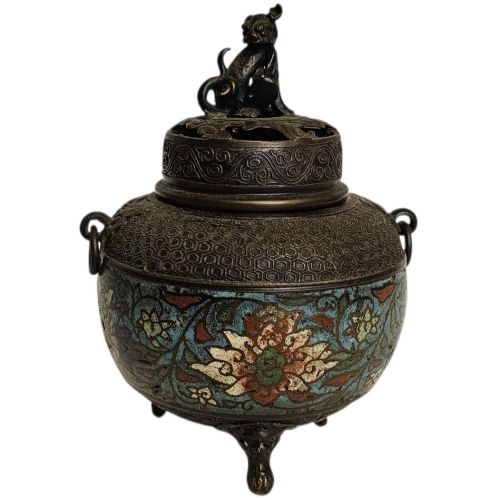
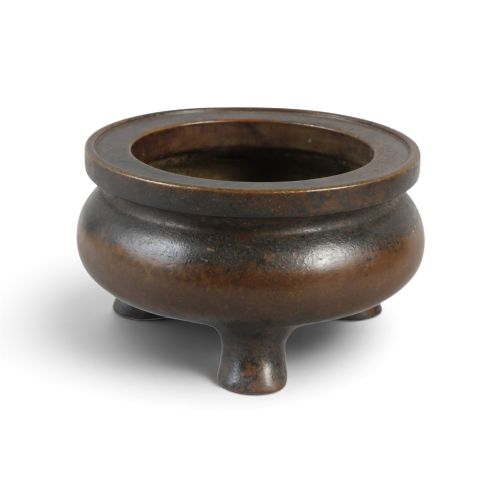
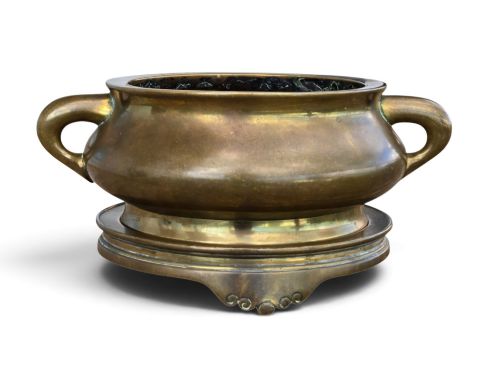
A bronze incense vessel functions as a censer or burner, designed with a hollow bowl, a secure cover, and often three supportive legs for stability on a scholar's desk or altar. These objects emerge from Chinese and Japanese traditions across the Ming and Qing Dynasties as well as the Meiji Period, taking forms from simple tripod bowls to complex lidded urns.
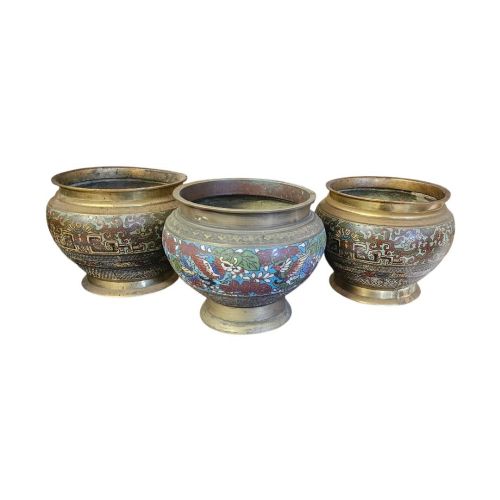
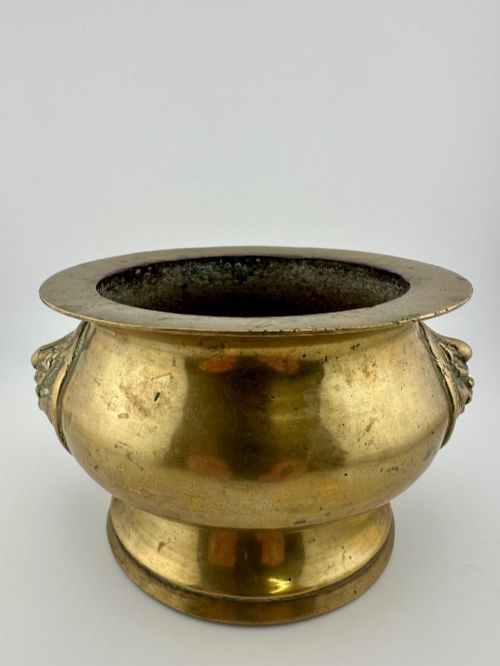
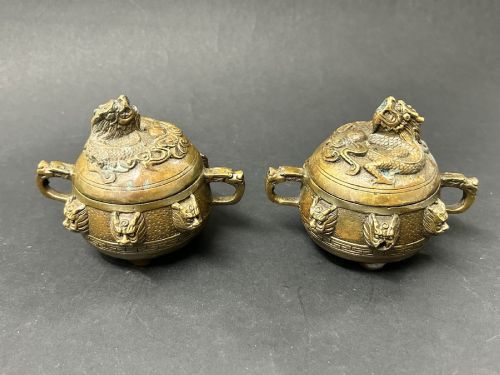
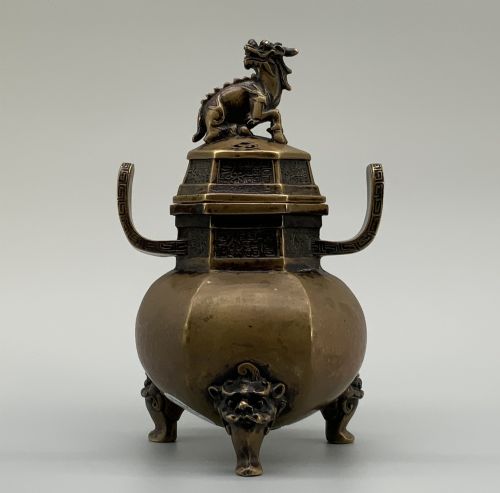
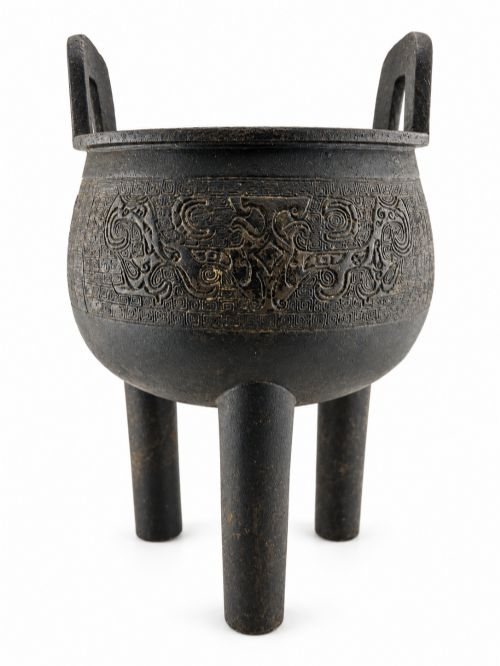
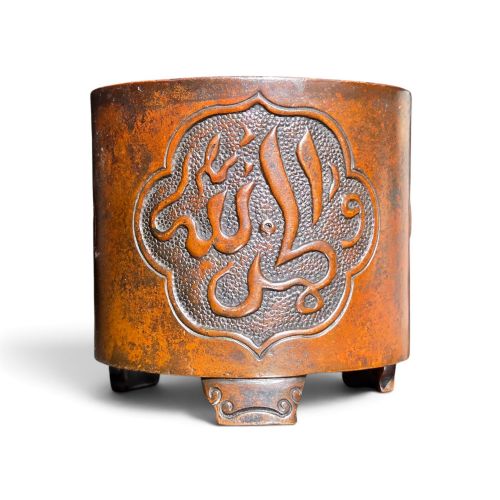
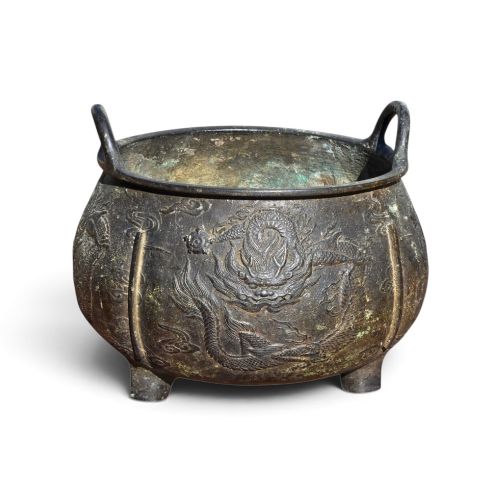
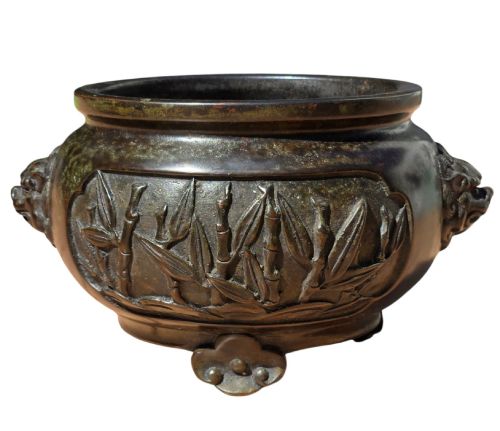
Collectors encounter heavy ritual vessels bearing archaic taotie decoration alongside smaller scholar's studio pieces and pieces decorated with dragon and lion mask handles. The selection spans cylindrical shapes, lobed lotus designs, and hexagonal forms created for burning incense during quiet contemplation.
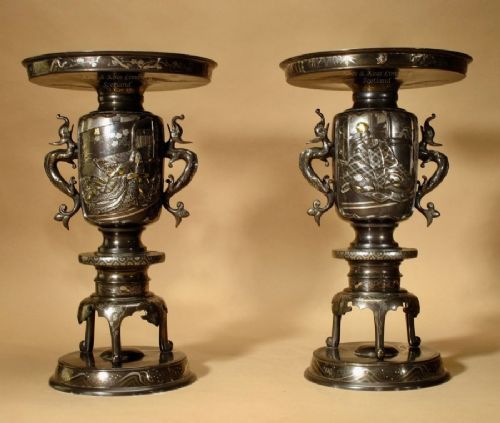
Originating in periods ranging from the sixteenth to the early twentieth century, these items reflect both traditional domestic use and specialised export markets. The listings on this page centre heavily on Chinese and Japanese examples cast in bronze and brass, often accompanied by custom stands and fitted covers.
How they were made
These items are produced through complex casting methods using bronze, brass, and copper alloy, sometimes enhanced through heavy casting to achieve substantial weight and bell-ring resonance. Craftsmen apply intricate surface details including gold inlay, champlevé enamel, and cloisonné enamel directly onto the metal body.
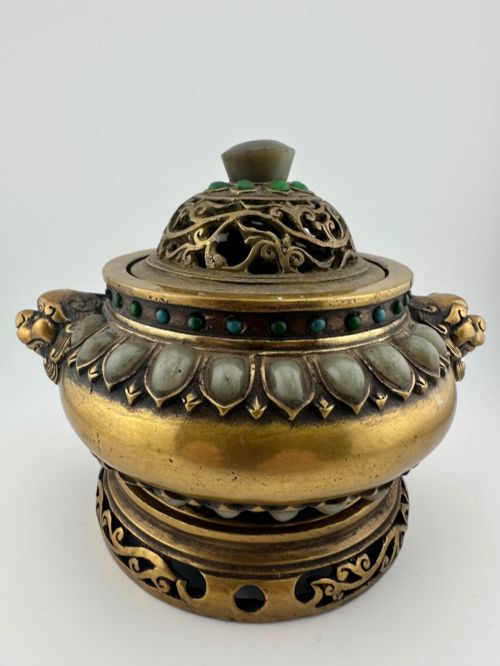
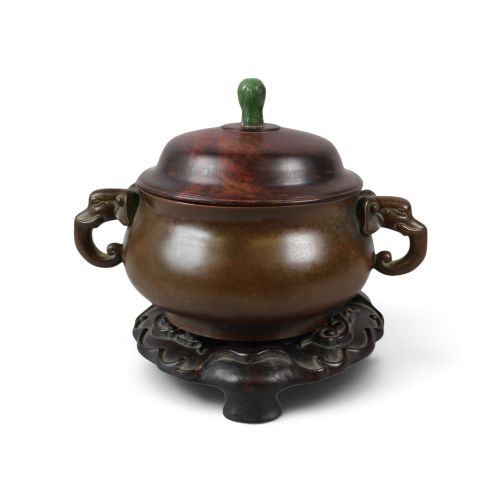
Many surfaces display applied relief panels, elephant-head handles, or qilin finials that demonstrate advanced metalworking capabilities. Artisans also incorporate hardstone inlays such as jade, alongside matching zitan or custom hardwood stands designed specifically to support the metal containers.
Listings span multiple centuries, ranging from sixteenth-century Ming Dynasty scholar's pieces to early twentieth-century Japanese Meiji period examples.
What varies in quality
Quality rests in the density of the casting and the precision of the surface decoration, distinguishing everyday vessels from master-cast scholar's pieces. Substantial weight, balanced proportions, and crisp rendering of taotie masks or animal handles indicate superior execution by the maker.
The sophistication of the applied patination and the integration of auxiliary materials like jade finials and gold inlay separate standard production items from high-status works. Finer examples retain clear period marks, such as Xuande or Wu Bangzuo seals, which anchor the piece firmly to its historical context.
The Bronze Incense Vessel Glossary
- Censer
- A container used for burning incense. These vessels typically feature a ventilated cover to allow fragrant smoke to drift outward.
- Archaistic
- A style that consciously emulates ancient ritual bronzes from earlier dynasties. This design approach borrows motifs like taotie masks and geometric patterns from antiquity.
- Cloisonne
- A metalwork technique where enamel paste is applied within compartments defined by soldered wire strips. The piece is then fired and polished to a smooth finish.
- Koro
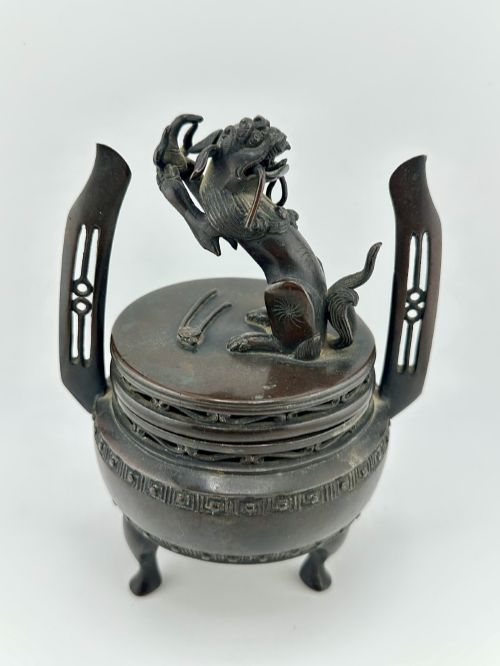
- The Japanese term for an incense burner. These often feature distinctive animal finials and regional crests.
- Tripod
- A vessel supported by three legs. This configuration provides a stable base for heavy metal burners.
Bronze Incense Vessel: Frequently Asked Questions
How were they used?
These vessels were placed in scholar's studios, temples, and formal rooms to burn incense for meditation, timekeeping, or scenting the air. The perforated lids allowed fragrant smoke to disperse gently into the room.
Many high-status pieces were kept primarily as decorative works of art, displayed on carved hardwood stands without active use.
How do I live with a bronze incense vessel?
Living with these pieces involves placing them on stable surfaces where their weight and form can be appreciated as sculptural objects. They blend well into both traditional and modern interiors as focal points on tables or shelves.
Maintenance requires minimal effort, usually limited to gentle dusting to preserve the historic patina developed over centuries.
How can I tell periods apart?
Periods are identified through a combination of casting weight, stylistic motifs, and maker or dynastic marks. Earlier Ming Dynasty pieces often display deep patination and robust scholar's forms, while later Qing and Meiji examples frequently incorporate colourful enamels or distinct regional crests.
Examining the handling of metalwork details and the presence of apocryphal studio marks helps narrow down the century of production.