
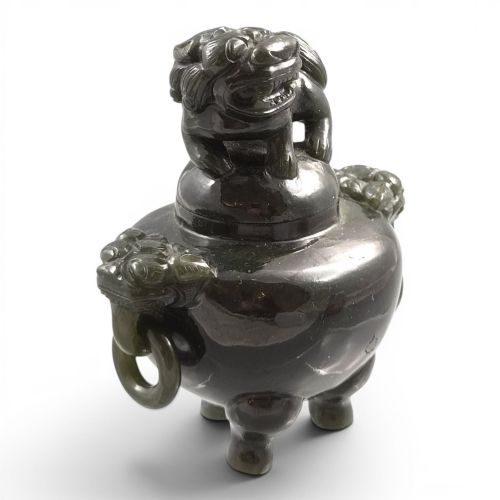


Oriental Tripod Burner
These oriental tripod burners combine ritual weight with delicate detail, offering an enduring centrepiece for any room.
Oriental Tripod Burner
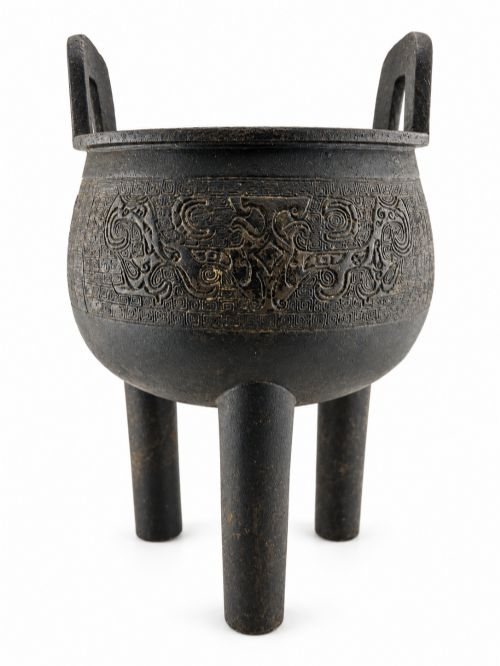
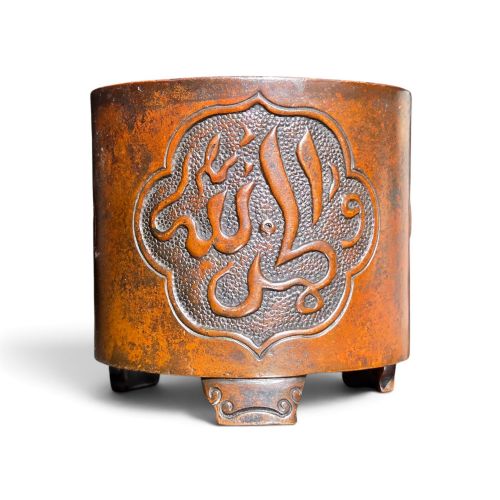
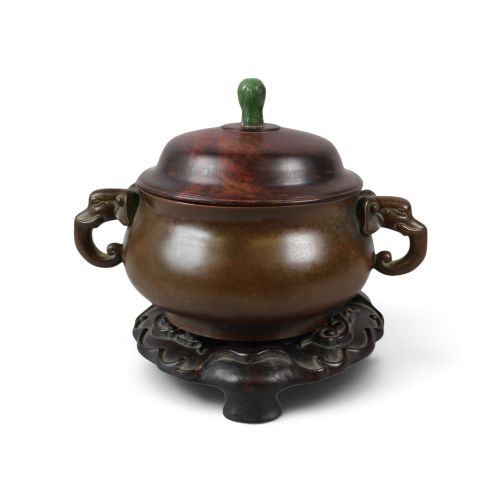
When searching for an oriental tripod burner, collectors encounter vessels designed to burn aromatic incense across centuries of Asian craftsmanship. The pieces listed here span the seventeenth through the early twentieth centuries, drawing from both Chinese dynastic traditions and Japanese Meiji workshops.
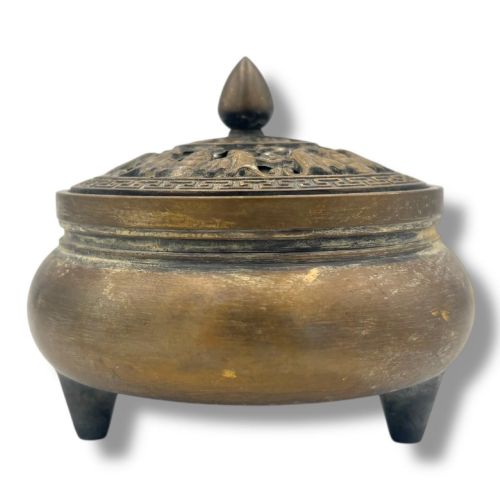
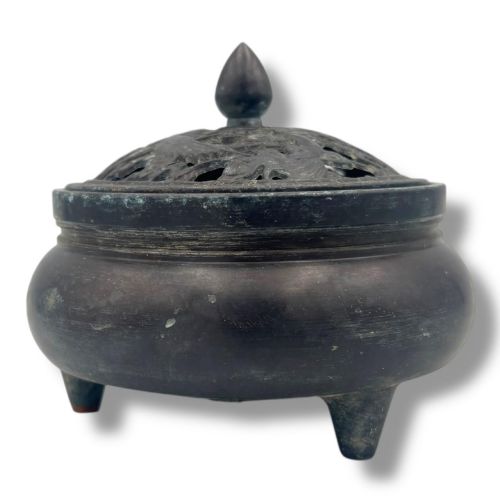
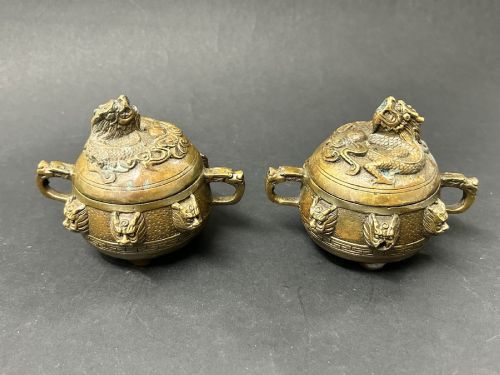
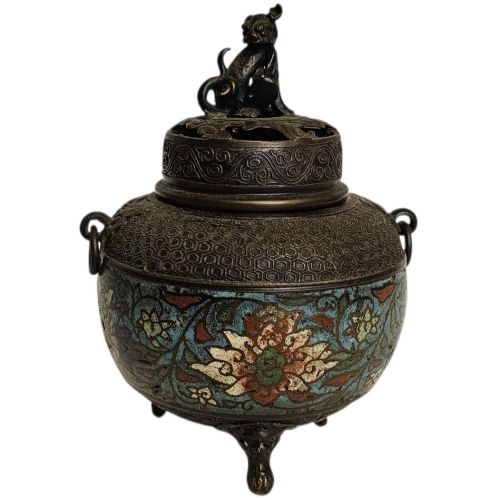
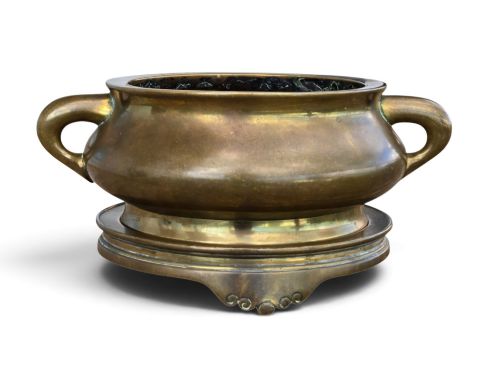
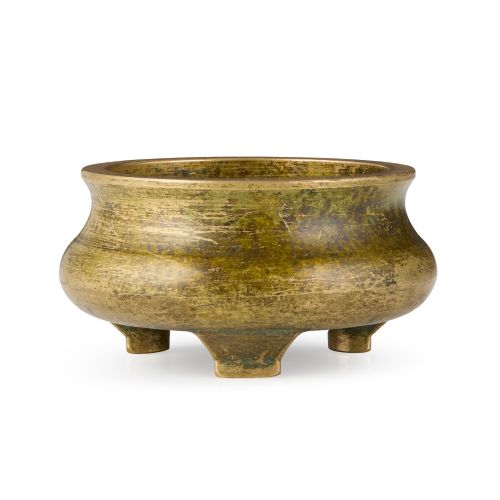
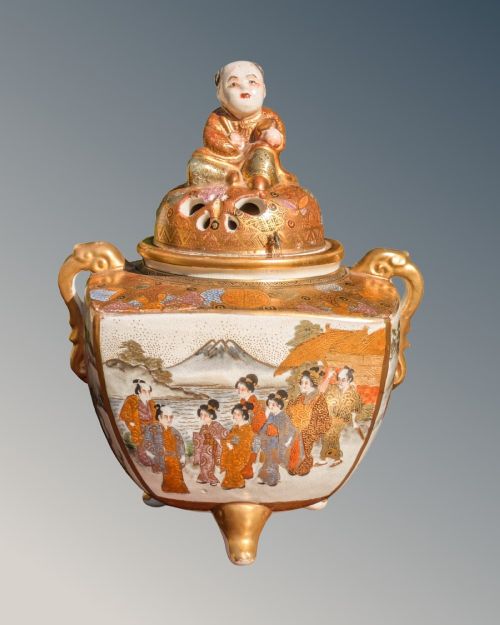
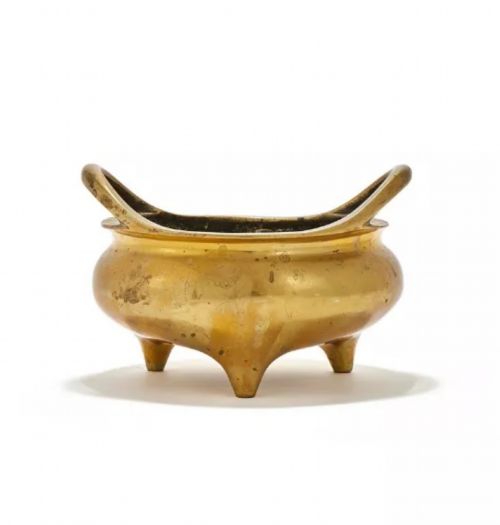
Chinese examples on this page typically manifest as heavy bronze or brass censers supported by three feet, often bearing archaistic motifs or apocryphal Xuande and Qianlong marks. Meanwhile, Japanese variants frequently appear as ceramic or cloisonné koro decorated with imari patterns or satsuma glazes.
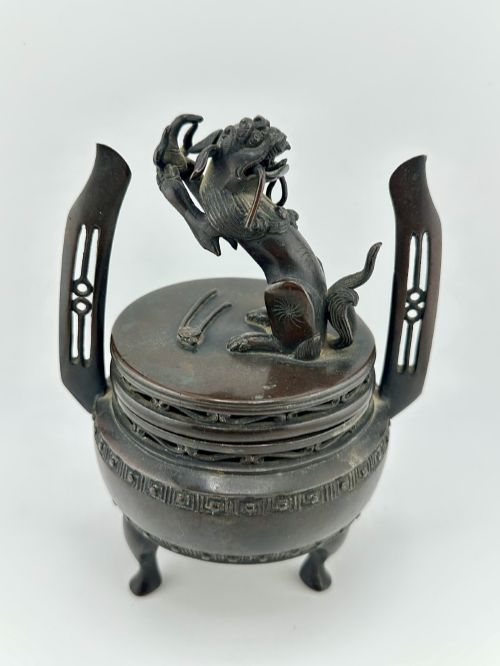
Scholar's studio miniatures and massive ritual vessels sit side by side in the inventory, reflecting varied domestic and ceremonial uses. Lidded forms predominate, surmounted by qilin finials, foo dogs, or pierced lotus designs intended to let fragrant smoke rise steadily.
Materials and Techniques
Metalwork dominates the construction of these items, utilising lost-wax casting in bronze and copper alloy to achieve substantial weight and complex vessel geometries. Artisans then finished surfaces through patination, chased detailing, or the integration of cellular cloisonné enamel compartments.
Ceramic vessels rely on earthenware and porcelain bodies fired at high temperatures before receiving hand-painted underglaze blue, enamels, and gilt highlights. Stoneware satsuma wares utilise intricate crackle glazes overlaid with dense polychrome decoration.
Recorded periods span from the 17th century through the Victorian and Edwardian eras, encompassing Qing dynasty and Meiji period aesthetics.
Distinctions in Quality
The degree of crispness in cast or carved relief work distinguishes standard production pieces from superior examples. Sharp definition in dragon scales, taotie masks, and pierced lid designs reveals the artisan's control over the medium.
Weight and metal density indicate structural integrity, particularly in bronze and brass censers where heavier walls correlate with stability and deeper patination. For ceramics and cloisonné, the precision of enamel cells and the finesse of brushwork separate master outputs from simpler decorative items.
The Oriental Tripod Burner Glossary
- Censer
- A vessel used for burning incense. These items often feature pierced covers to diffuse fragrant smoke during ritual or domestic use.
- Koro
- The Japanese term for an incense burner. They frequently appear in porcelain, earthenware, or metal with matching lidded covers.
- Cloisonne
- A decorative metalwork technique where thin wire soldered to a metal body creates compartments filled with enamel paste. These surfaces are subsequently fired and polished smooth.
- Archaistic
- A stylistic approach that emulates ancient ritual bronzes from early Chinese dynasties. Such pieces adopt motifs like taotie masks and geometric panels.
- Xuande Mark
- A stamped or engraved inscription bearing the era name of the Ming dynasty Emperor Xuande. Later Qing dynasty pieces often replicated these marks in homage to earlier mastery.
Oriental Tripod Burner: Frequently Asked Questions
What is an oriental tripod burner used for?
These vessels served primarily to burn aromatic resins and incense during meditation, scholarly contemplation, or religious ceremonies.
In modern settings, they function largely as decorative objects or focal points in interior design, retaining their sculptural presence without active burning.
How do I distinguish Chinese from Japanese censers?
Chinese examples on this page are predominantly cast in bronze or brass with archaistic or scholar's studio decoration. They frequently rely on heavy metalwork and traditional reign marks.
Japanese pieces, often called koro, tend toward ceramic bodies like Satsuma earthenware or Imari porcelain, or combine bronze with silver wire and colourful cloisonné enamels.
Are these burners safe for daily use?
While originally built for burning materials, many antique metal and ceramic pieces are treated as collector items today. Interior residues or delicate enamel work mean cautious handling is advised if utilised for modern incense.
Inspecting the interior for stable metal walls or removable liners helps determine if a vessel remains suited for active burning.