
Brass Horology Timepiece
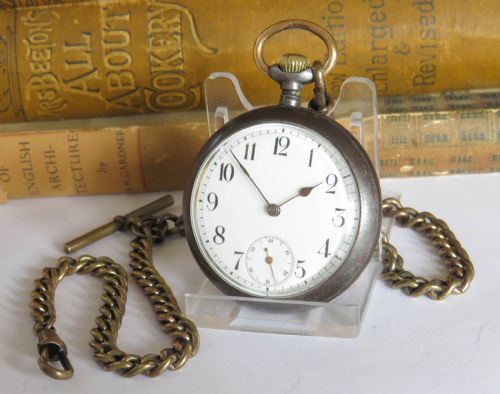
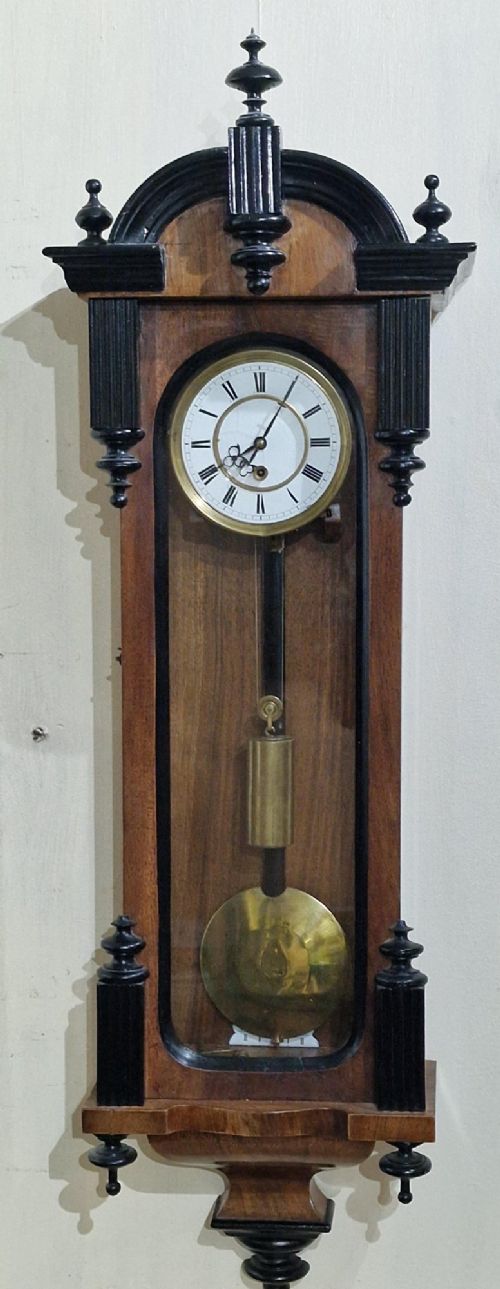
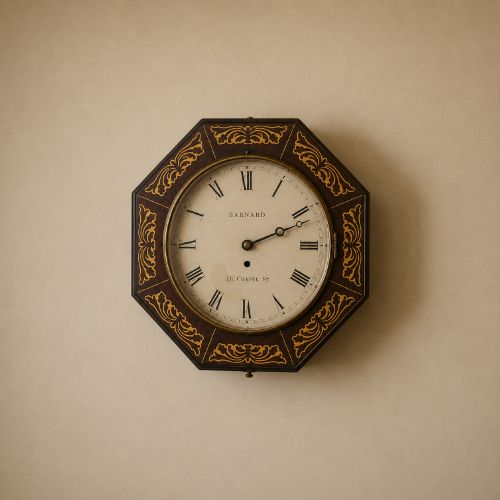
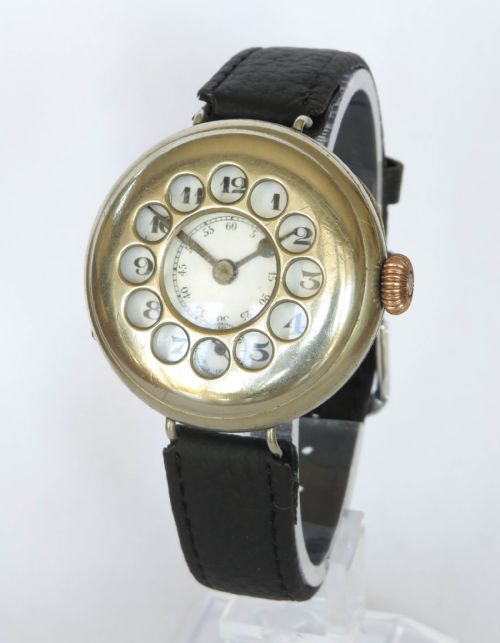
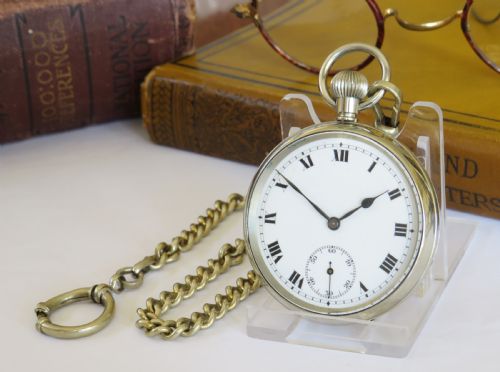
These brass horology timepiece pieces range from substantial mantel clocks to delicate pocket watches, offering both mechanical precision and period decoration for the home or collector.
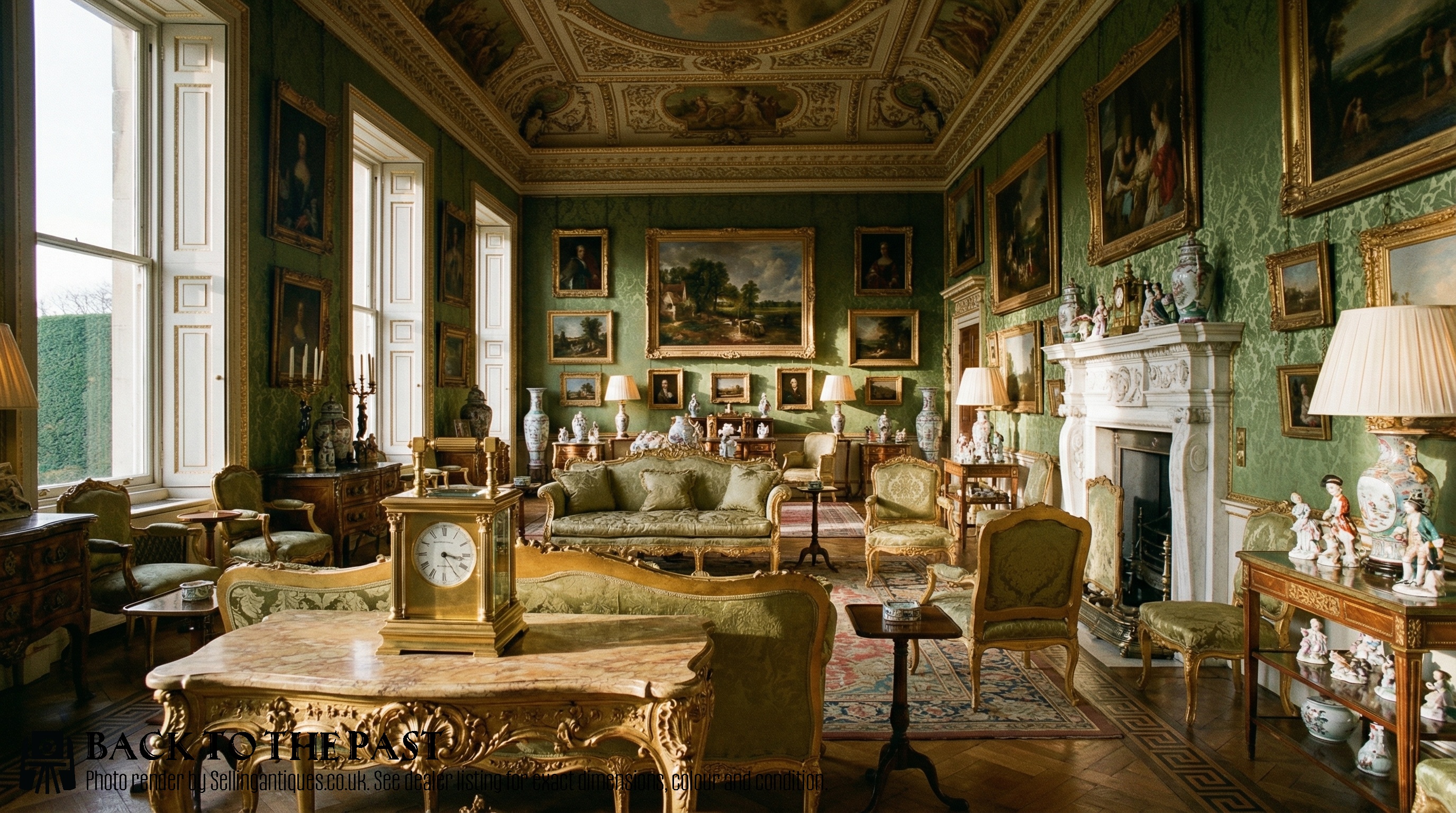
Brass Horology Timepiece
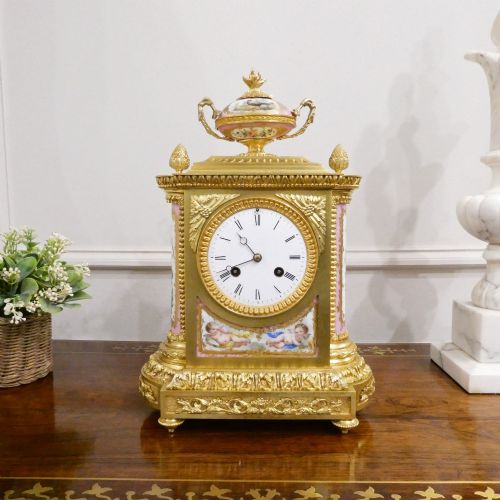
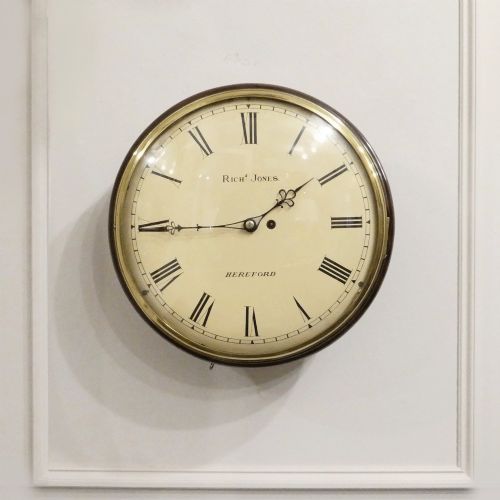
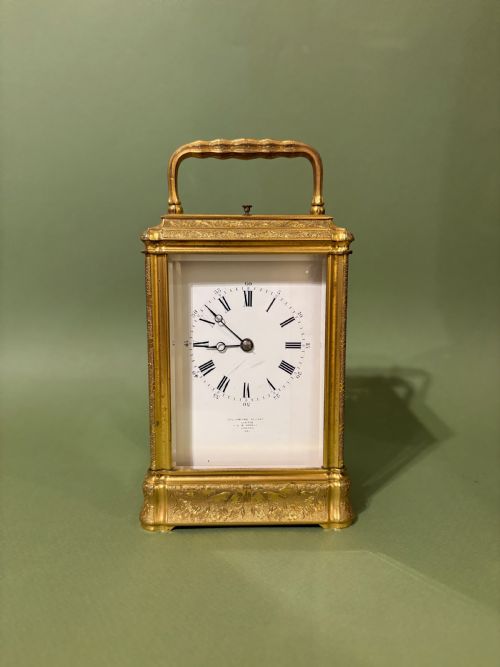
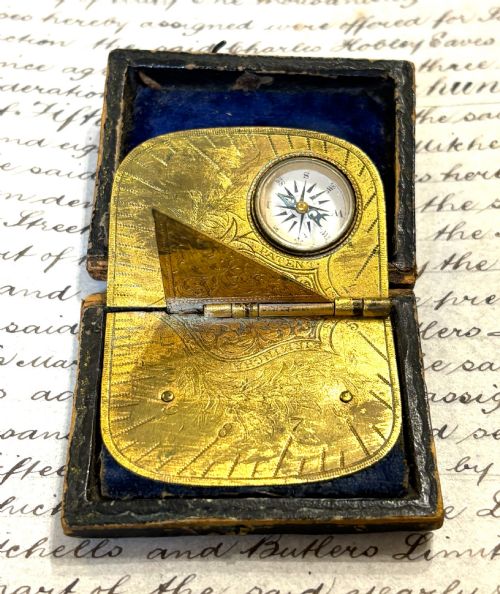
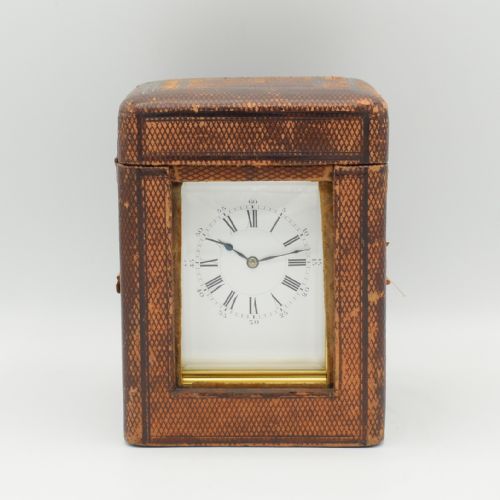
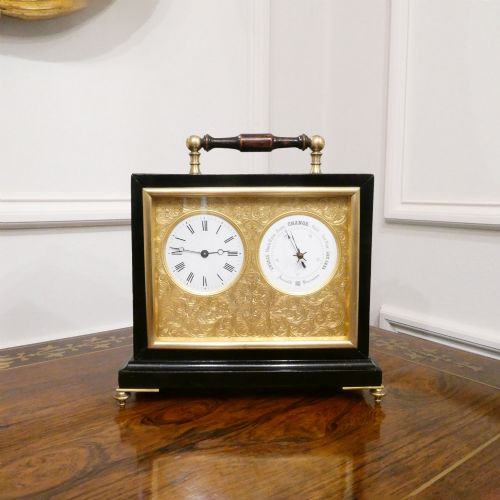
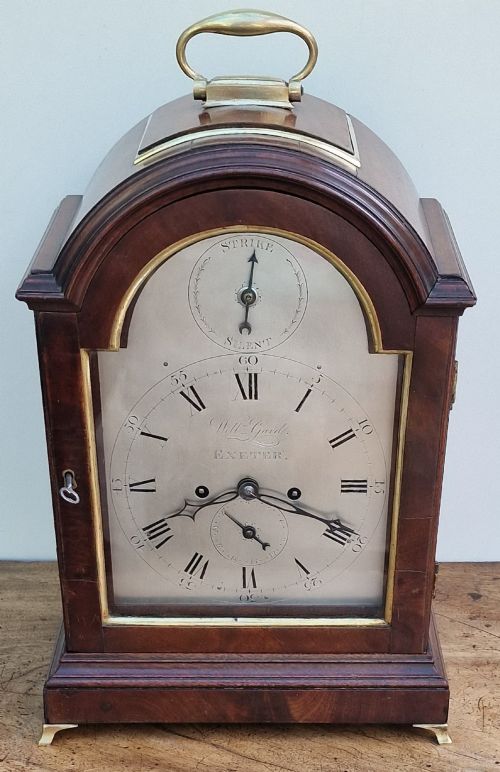
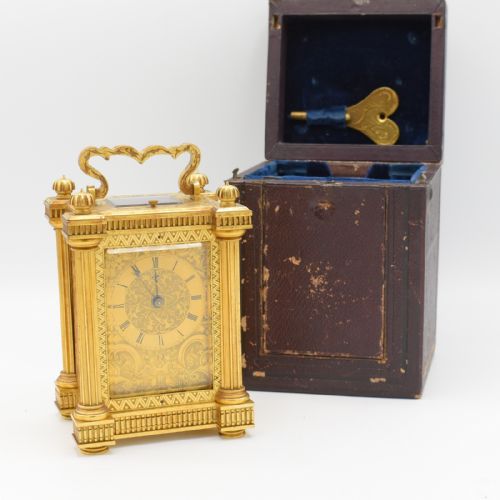
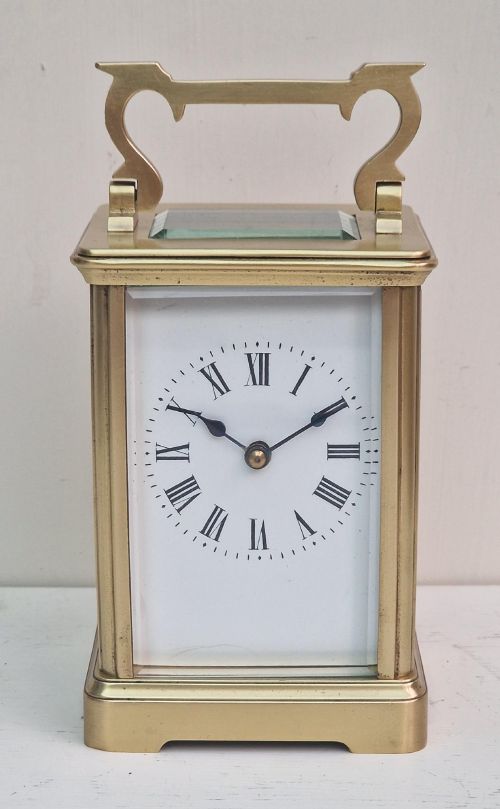
A brass horology timepiece encompasses objects built to measure time, spanning wall clocks, bracket clocks, carriage clocks, scientific instruments, pocket watches and wristwatches. The selection leans heavily towards carriage clocks and wall dials housed in brass, glass and mahogany, originating from British and French makers during the Victorian, Edwardian and Georgian eras.
Buyers encounter everything from domestic mantel pieces to travel timepieces with alarm complications and travel cases. French examples often arrive in gorge or gilt bronze cases, whilst English pieces favour fusee movements in mahogany or dial formats for wall mounting.
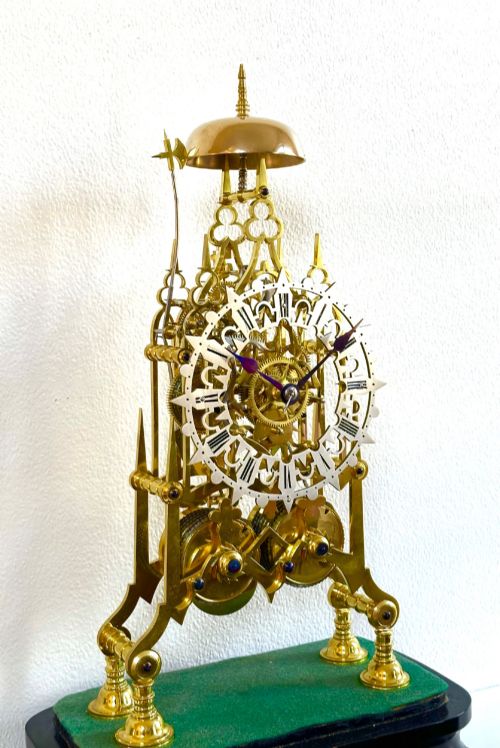
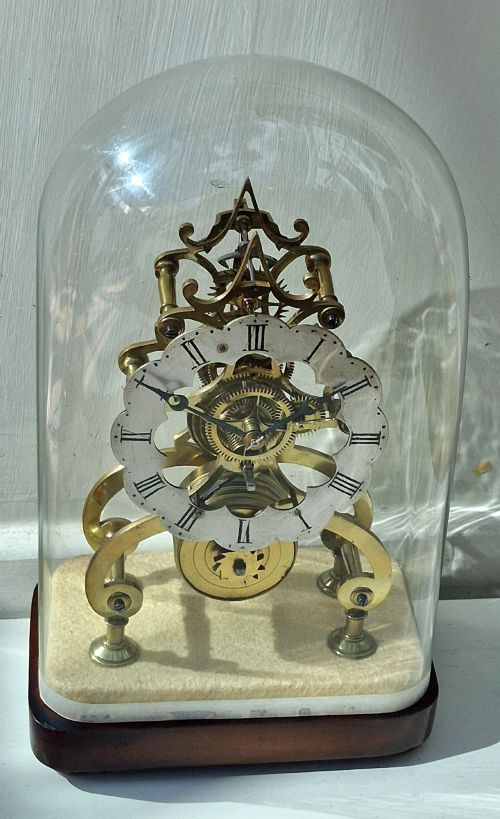
The objects serve as functional mechanical items as well as decorative items of their respective centuries. Examples range from simple dial clocks to repeat striking complications and skeletonised movements revealing the brass wheels within.
Materials and Construction
Construction relies upon brass plates, gears and bezels combined with glass panels, enamel dials and steel components. Mahogany and leather appear frequently for the outer cases and travel housings of the period.
Movements utilise brass gear trains driven by weights or springs, often incorporating fusee mechanisms or platform escapements. Ormolu, gilt bronze and horn provide the decorative exterior finishes for the more ornate mantel and pocket watch formats.
Listings feature brass, glass, enamel, steel, mahogany, leather, ormolu and gilt bronze across Victorian, Edwardian and Georgian periods.
Standards of Craftsmanship
Quality rests in the crispness of the brass casting, the complexity of the movement such as repeating or striking functions, and the survival of original components like enamel dials and glass panels. Makers who signed their work or utilised patent escapements generally indicate a higher grade of workshop production.
The integration of secondary materials like mahogany cases, horn back panels or fitted travel leather dictates the overall finish. Simpler mass-produced pieces contrast with bespoke bracket and skeleton clocks where individual wheel cutting and hand engraving elevate the piece.
Jean-Baptiste Delettrez·Richard Jones of Hereford·Henri Jacot·William Gard·Howell & James·John Spershott·C. Detouche·T. Martin & Co·Antoine Redier·Le Roy
The Brass Horology Timepiece Glossary
- Fusee
- A conical pulley used on clock movements to maintain an even pull on the gear train as the mainspring unwinds. This mechanism ensures more consistent timekeeping.
- Carriage clock
- A small, portable spring-driven timepiece designed for travel during the nineteenth century. They usually feature a carrying handle and glass panels to view the movement.
- Gorge case
- A stepped, pillared brass casing style common on French carriage clocks from the Victorian period. It provides a robust housing for the escapement.
- Skeleton clock
- A timepiece designed with open brass plates that expose the gear train and escapement to view. They sit beneath glass domes to protect the mechanism from dust.
- Repeat striking
- A complication on a clock that chimes the hours or quarters upon pressing a button or pendant. It allows the user to check the time in the dark.
Brass Horology Timepiece: Frequently Asked Questions
How do I wind a carriage clock?
Most carriage clocks use a dedicated winding key inserted into square arbors on the backplate. Turn the key gently until resistance indicates the mainspring is fully tensioned.
Avoid overwinding, as this places excess stress on the brass gears and mainspring. Ensure the clock rests on a level surface before setting the hands.
What is a fusee movement?
A fusee is a conical pulley connected to the mainspring via a chain or cord. It compensates for the decreasing power of the spring as it unwinds.
This clever mechanical device delivers equal torque to the escapement throughout the running cycle, improving accuracy in older clocks.
Why does my clock run fast or slow?
Clocks are sensitive to temperature changes, surface levelness and age within the brass gear train. Most mechanical timepieces feature a small adjustment regulator on the balance wheel or pendulum.
Move the regulator lever gradually towards the fast or slow indicator to calibrate the beat over a twenty-four hour period.