

Brass Hearth Screen
A brass hearth screen is a functional piece that keeps stray embers at bay while elevating the fireplace with polished metal.
Identifying a brass hearth screen
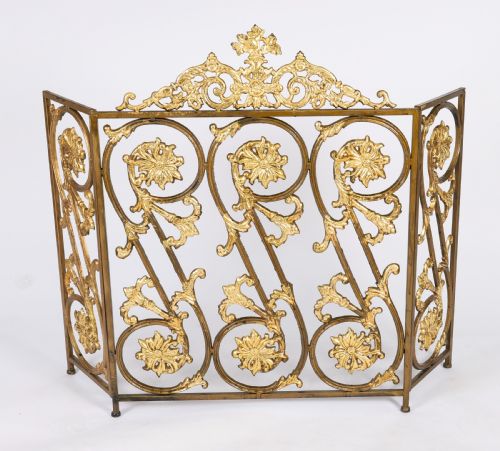
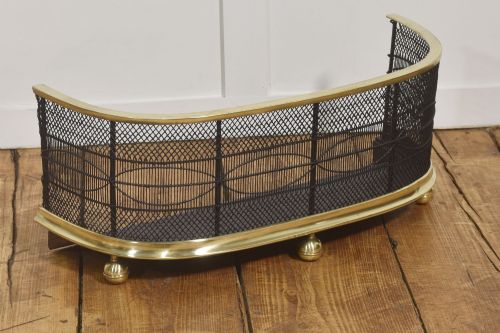
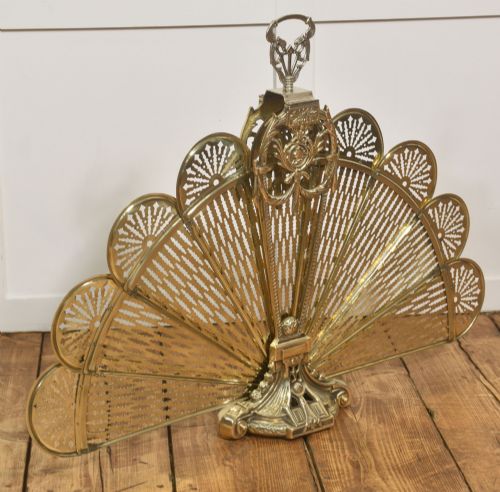
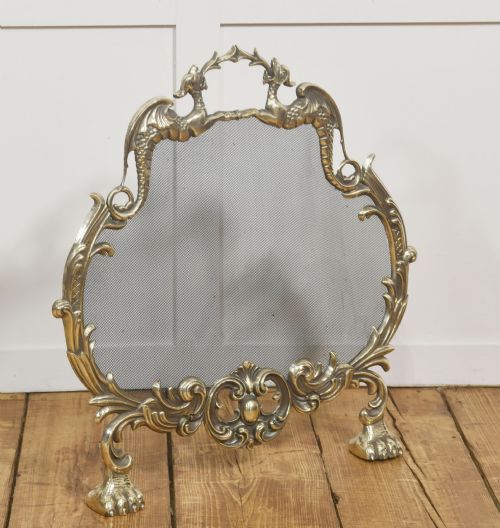
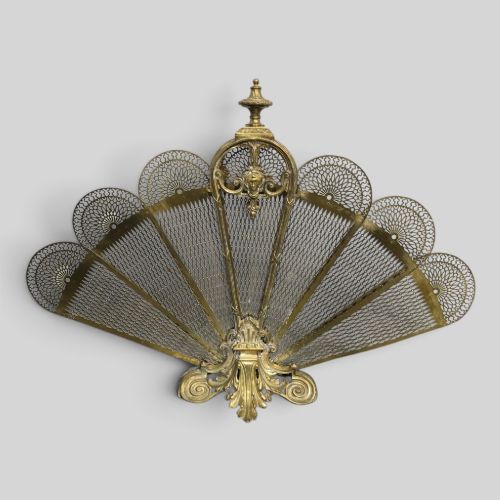
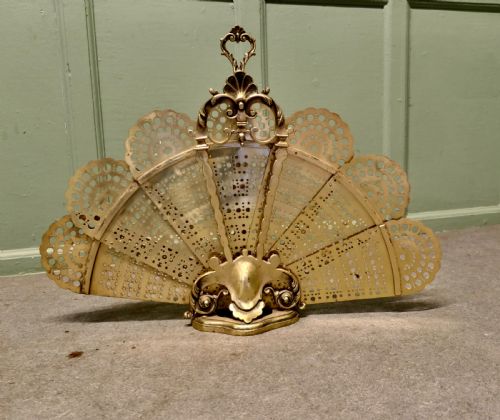
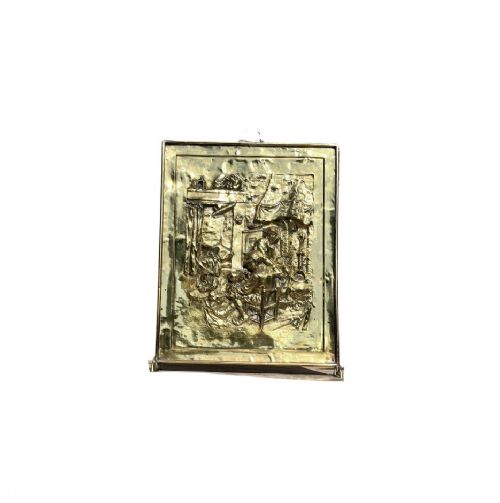
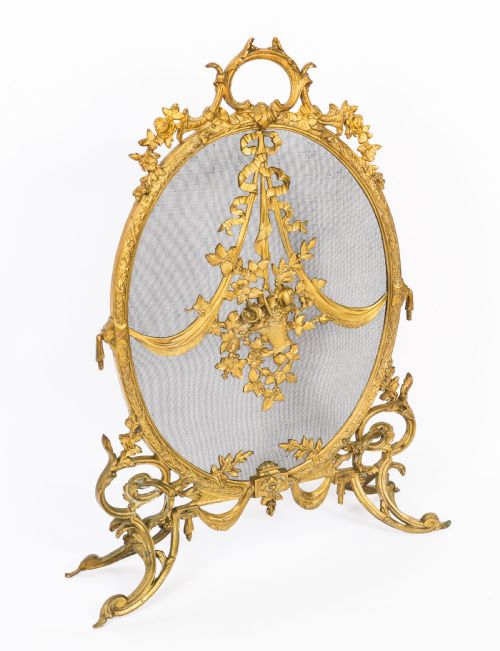
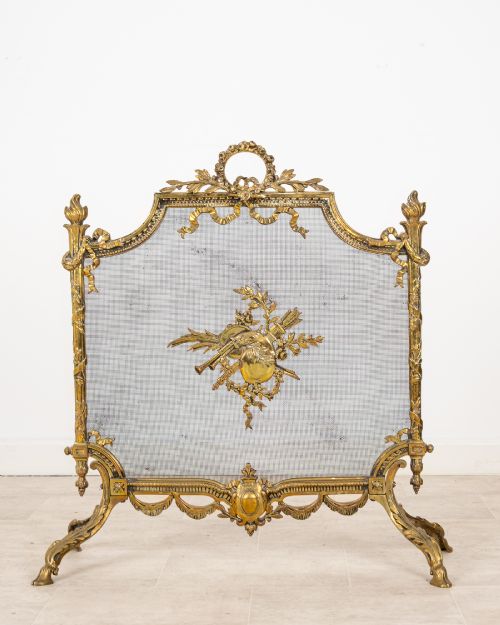
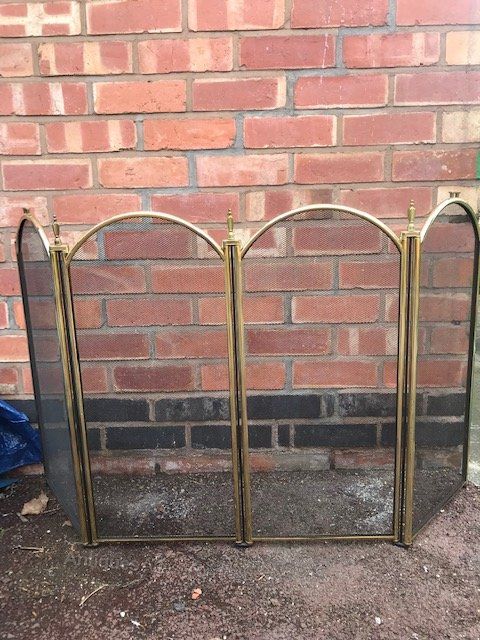
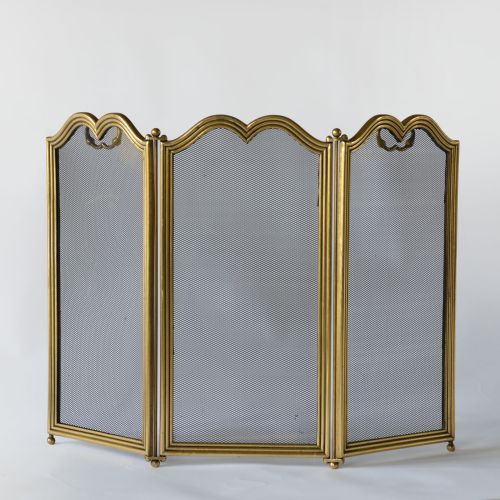
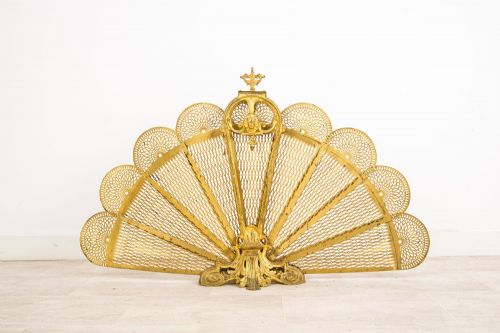
A brass hearth screen sits before an open fireplace to catch sparks and shield the room from sudden bursts of heat. You will encounter various forms here, ranging from solid frames with folding sections to freestanding guards.
The periods represented stretch from the nineteenth century into the twentieth century. Styles span from Victorian and French Rococo Revival to the distinct lines of the Arts and Crafts movement.
Makers and designers worked within these established historical revivals to produce protective barriers that doubled as decorative focal points for the parlour.
Materials and construction
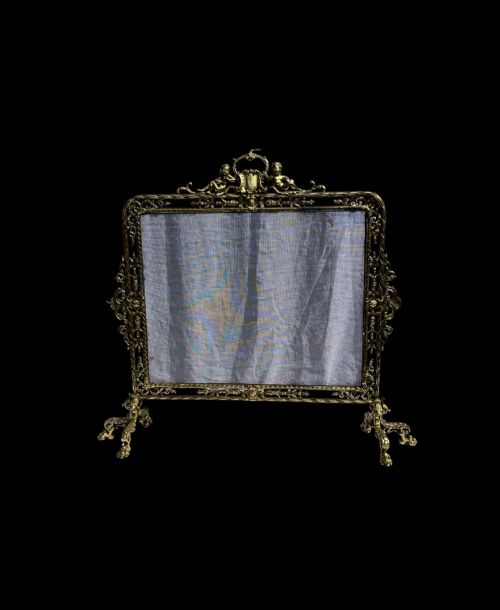
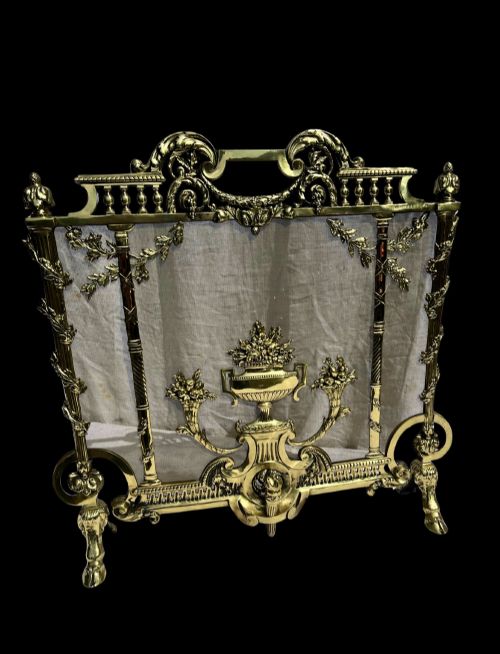
Makers utilised brass for structural frames, hinges, and decorative mounts, often pairing the bright metal with iron for internal support. Wire mesh and woven wire mesh were set into the frames to allow heat to radiate while stopping hot coals.
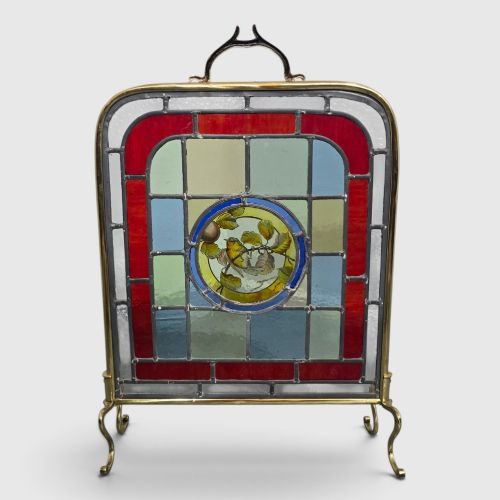
More ornate examples incorporate stained glass held together by lead, adding colour and pattern when the hearth is unlit. Finishes also vary, with some pieces showing a black finish applied to the metal components alongside traditional polished surfaces.
Retail Price Guide 2026
Typical UK retail prices for brass hearth screen, calculated from the Sellingantiques database of over a million retail prices indexed since 2003. This retail price guide relies exclusively on Sellingantiques data; no external sources or auction records are used, so the figures do not describe the wider market.
The listings on this site feature brass hearth screens spanning the nineteenth and twentieth centuries, incorporating stained glass, iron, and wire mesh.
Assessing quality
Quality rests in the weight and rigidity of the brass framework and the tightness of the woven wire mesh. Superior pieces exhibit crisp casting in their decorative mounts, particularly within French Rococo Revival and Louis revival motifs.
Artisans who built the finest screens ensured that folding sections operated smoothly and that stained glass panels were securely leaded without loose joints. The presence of elaborate details like dolphin motifs or multiple folding sections separates standard utilitarian guards from ambitious decorative works.
The Brass Hearth Screen Glossary
- Fire screen
- A movable barrier placed before a fireplace to protect the room from excessive heat or flying sparks. These objects evolved from decorative needlework panels into functional metal guards.
- Wire mesh
- A network of metal wire woven together to form a flexible barrier. It provides visibility of the fire while retaining stray embers.
- Rococo Revival
- A nineteenth-century design style drawing on eighteenth-century French motifs, characterised by asymmetry, C-scrolls, and naturalistic plant forms. It appears frequently on ornate brass frames.
- Lead cames
- Strips of cast lead with an H-shaped profile used to join pieces of stained glass together in decorative panels. They provide both structural stability and a dark linear contrast to the glass.
- Folding sections
- Hinged panels that allow the screen to adjust its width or wrap partially around the hearth opening. This mechanical feature provides versatile coverage for different fireplace sizes.
Frequently Asked Questions
What is a brass hearth screen used for?
A brass hearth screen stands before an active fireplace to catch stray sparks and embers popping from the wood. It protects carpets and furniture from burning while the fire is lit.
Beyond safety, these screens serve a decorative purpose during warmer months when the fireplace is not in use. They hide the empty grate and introduce polished metal into the room.
Are these screens freestanding or fixed?
Most examples are freestanding guards designed to be placed directly onto the hearth floor in front of the opening. Some feature folding sections that let the side panels angle inward for stability.
Their weight keeps them upright, allowing you to reposition or remove them easily when tending to the fire or sweeping the ash.
How do I date a brass fire screen?
Dating relies on stylistic clues, such as the exuberant curves of French Rococo Revival versus the restrained geometry of Arts and Crafts pieces. Examining the construction of the hinges and the weave of the mesh also helps narrow the period.
Nineteenth-century examples often display heavier cast brass mounts and hand-finished details, whereas later twentieth-century pieces may show different production methods and simpler frames.