

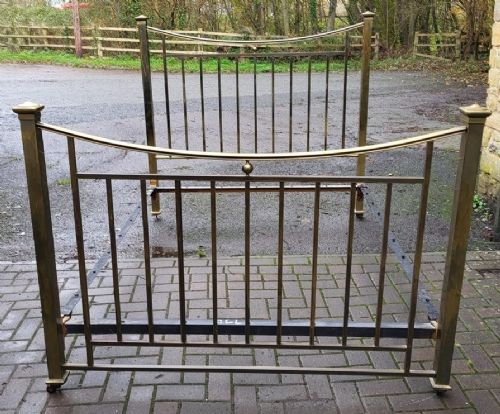
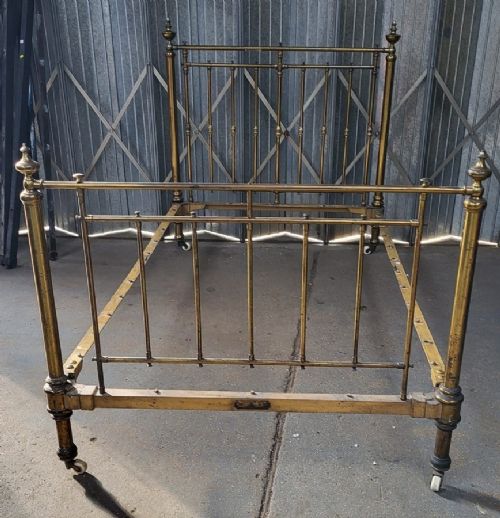
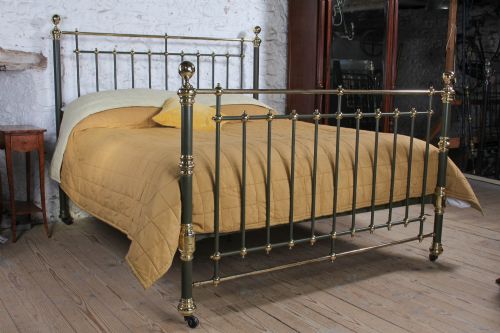
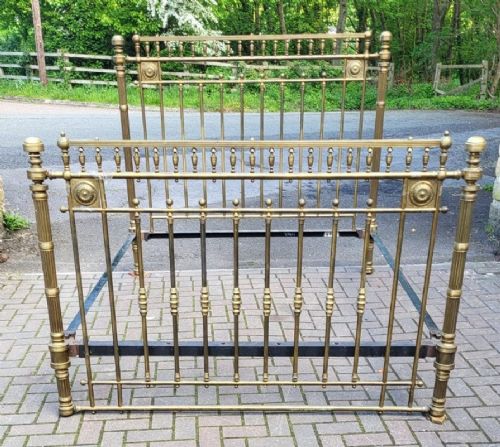
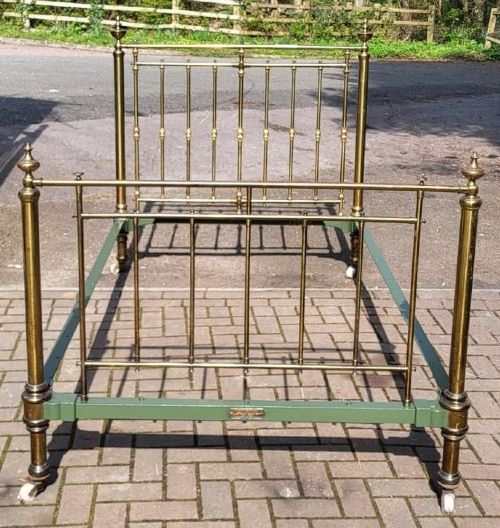
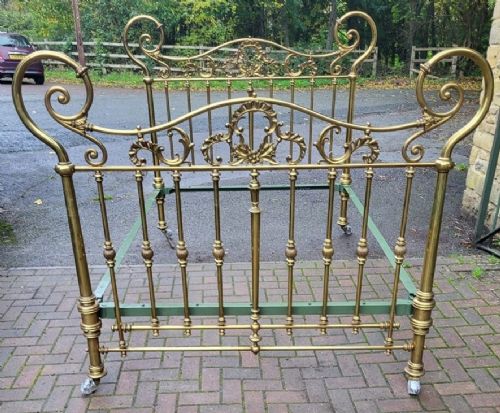
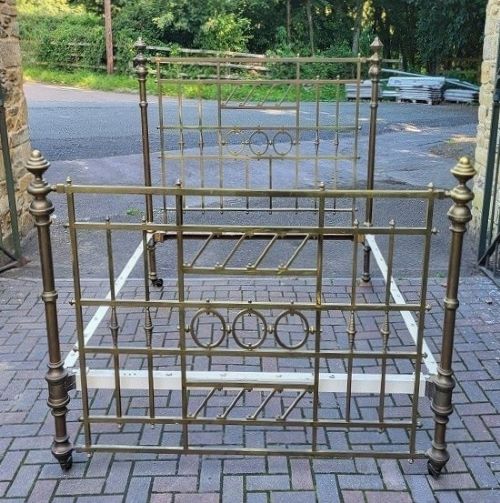
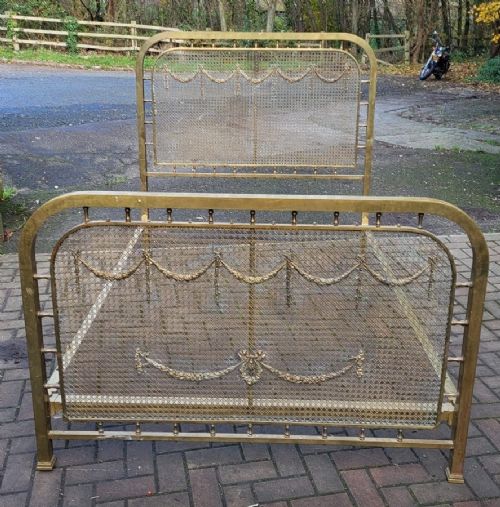
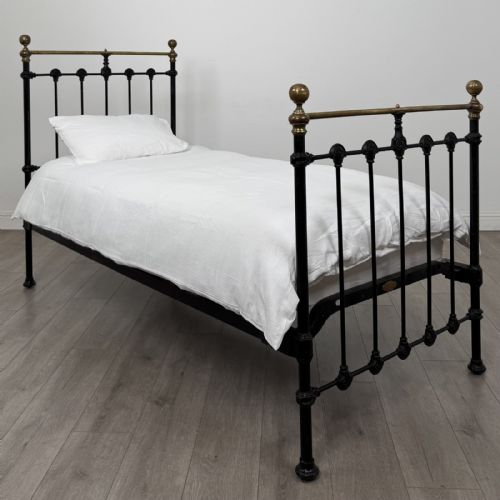
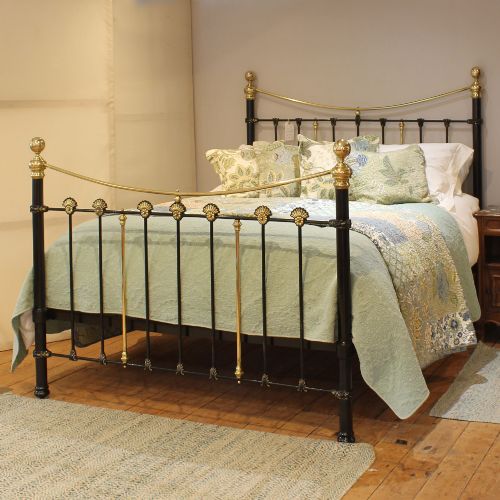
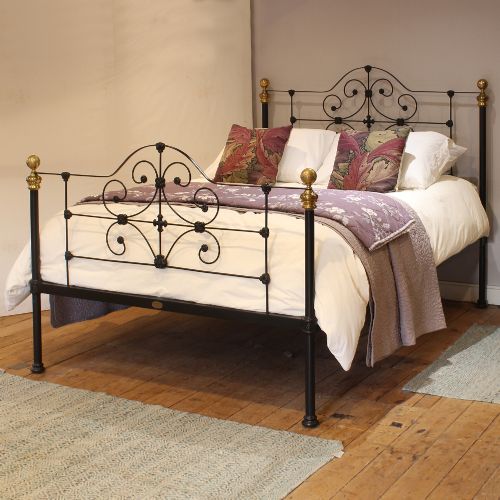
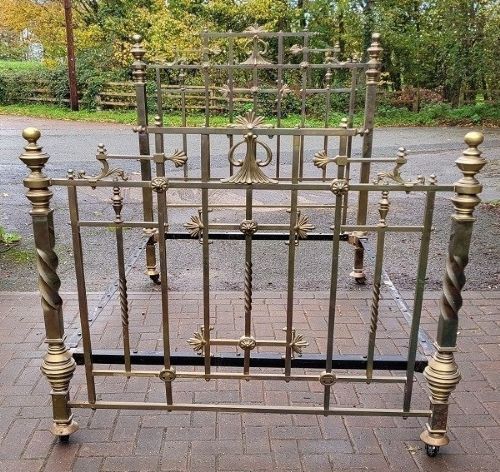
Brass Headboard Bed Frame
A brass headboard bed frame brings nineteenth-century metalwork into the bedroom, combining structural iron with polished brass components for a sturdy and decorative sleeping place.
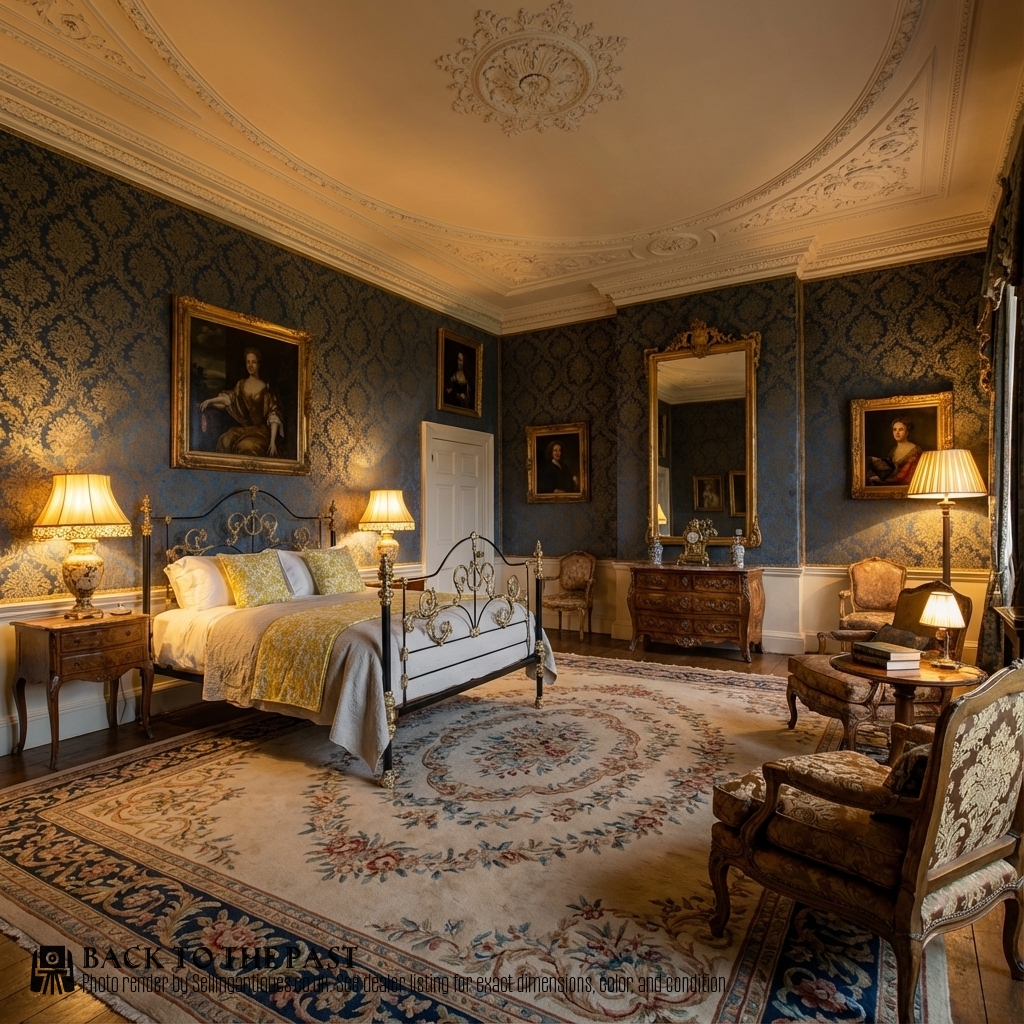
Brass Headboard Bed Frame
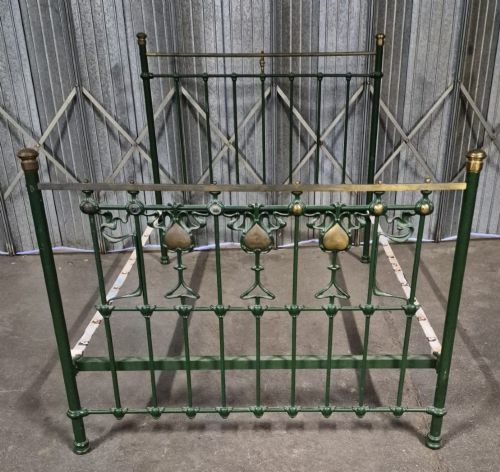
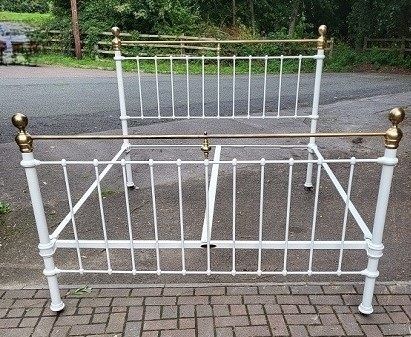
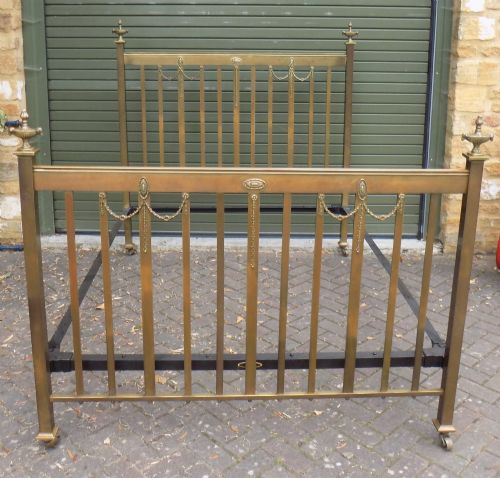
When you search for a brass headboard bed frame, you encounter substantial nineteenth-century and early twentieth-century bedsteads dating primarily from the Victorian and Edwardian eras. These pieces typically combine a prominent metal headboard with matching footboards or simpler low-end designs.
The selection on this page centres on double, king, and single sizes spanning the 1860s through to 1910. Victorian examples dominate the listings alongside Edwardian variations and French provincial styles.
Makers utilised cast iron and wrought iron alongside solid brass tubing, often pairing the metal framework with wooden elements or ceramic castors to complete the structure.
Materials and construction
Manufacturers built these bedframes using a combination of cast iron for foundational strength and brass for decorative impact. Brass tubing was shaped and polished, whilst iron formed the structural slot-in frames and internal supports.
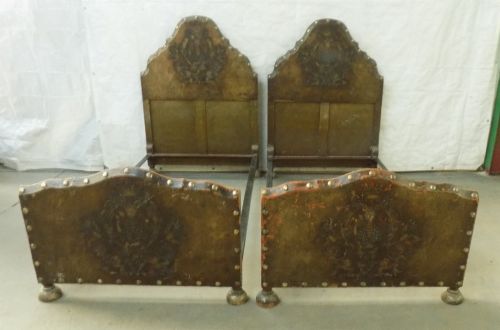
Makers incorporated materials such as ceramic for castors, leather for upholstery details, and occasionally timber frames in walnut, mahogany, or maple alongside the metal components.
Brass Headboard Bed Frame Retail Price Guide 2026
Typical asking prices for brass headboard bed frame among the pieces listed under this phrase on Sellingantiques today, from the lower quarter to the upper quarter. They describe what is for sale here now, not the wider market.
Several beds feature clever iron slot-in frames set on tiny castors, designed to let Victorian housemaids sweep beneath without straining their backs.
Distinctions in craftsmanship
The grade of a bedstead often depends on the complexity of its metal casting and the presence of specialised details such as tapered posts, ornate dip rails, or hand-painted leather inserts. Exhibition quality pieces show finer detailing in the brass work and more substantial iron framing.
Attribution to known workshops or retailers introduces another tier of distinction, as does the completeness of original components like castors and side rails.
Winfield·Hoskins & Sewell·Maple & Co·James Shoolbread & Co
The Brass Headboard Bed Frame Glossary
- Bedstead
- A framework of a bed supporting the mattress and springs. These metal structures typically dismantle into headboards, footboards, and side rails.
- Half Tester
- A bed featuring a partial canopy extending from the headboard. This style creates a pronounced vertical presence in larger bedrooms.
- Dip Rail
- A headboard or footboard rail curved downward in the centre. This profile is frequently seen on Edwardian and Victorian designs.
- Cast Iron
- A hard, relatively brittle alloy of iron and carbon that was cast in a mould. It provides the rigid structural core for these mixed-metal beds.
Brass Headboard Bed Frame: Frequently Asked Questions
How do I assemble these antique beds?
Most pieces utilise iron slot-in frames that lock the headboard and footboard together without complex fixings. The side rails simply wedge into the corner brackets cast onto the vertical posts.
Ensure the frame stands square on a level floor before placing modern mattress bases inside the perimeter.
What mattress sizes fit these frames?
Sizes range from single and small double up to standard double, king, and super king proportions. Because nineteenth-century sizing differs slightly from modern standards, checking the internal width and length measurements of the side rails is essential.
Custom mattresses can be ordered if the frame dimensions fall outside contemporary standard categories.
How do I care for brass and iron?
Regular dusting with a soft cloth keeps the polished brass surfaces bright without wearing away the underlying metal. Avoid abrasive chemical cleaners that can strip protective lacquers or damage aged patinas.
Iron components require minimal maintenance beyond keeping them dry to prevent surface oxidation.
How do I date a brass bedstead?
Dating relies on stylistic clues such as the presence of Gothic Revival or Aesthetic Movement motifs typical of the 1870s and 1880s. Simpler straight rails and French influences often point towards the later Victorian and Edwardian periods around 1900.
Maker stamps on the iron brackets or castors provide definitive chronological markers when present.