




Ornate Iron Bed Frame
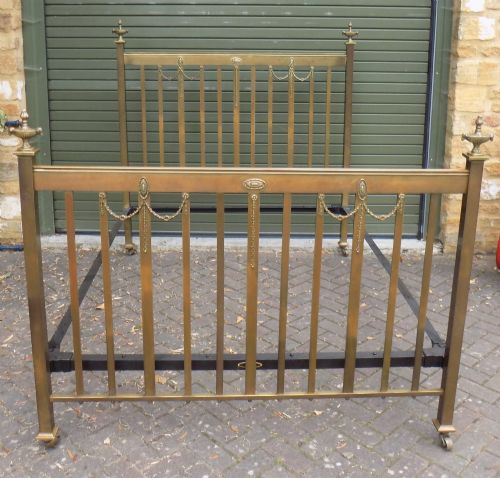
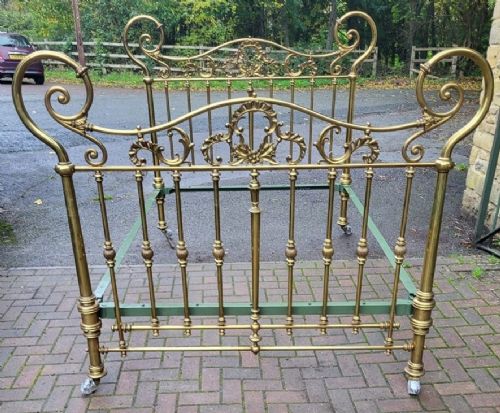
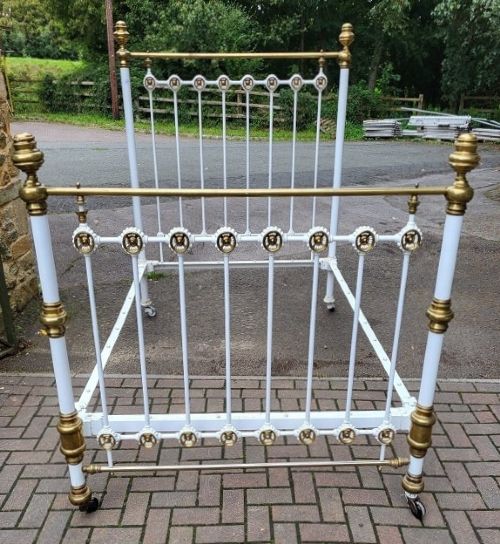
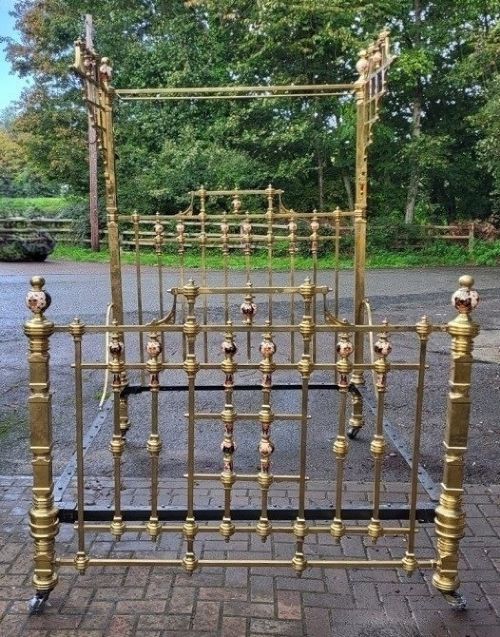
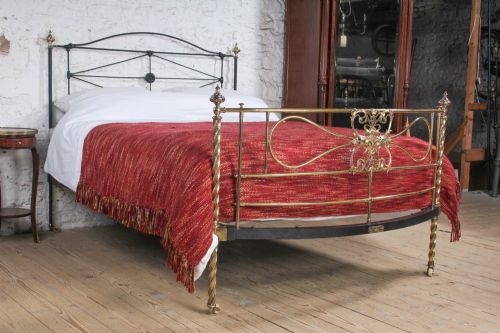
An ornate iron bed frame brings substantial nineteenth-century presence to a bedroom, combining sturdy metalwork with elaborate decorative casting.
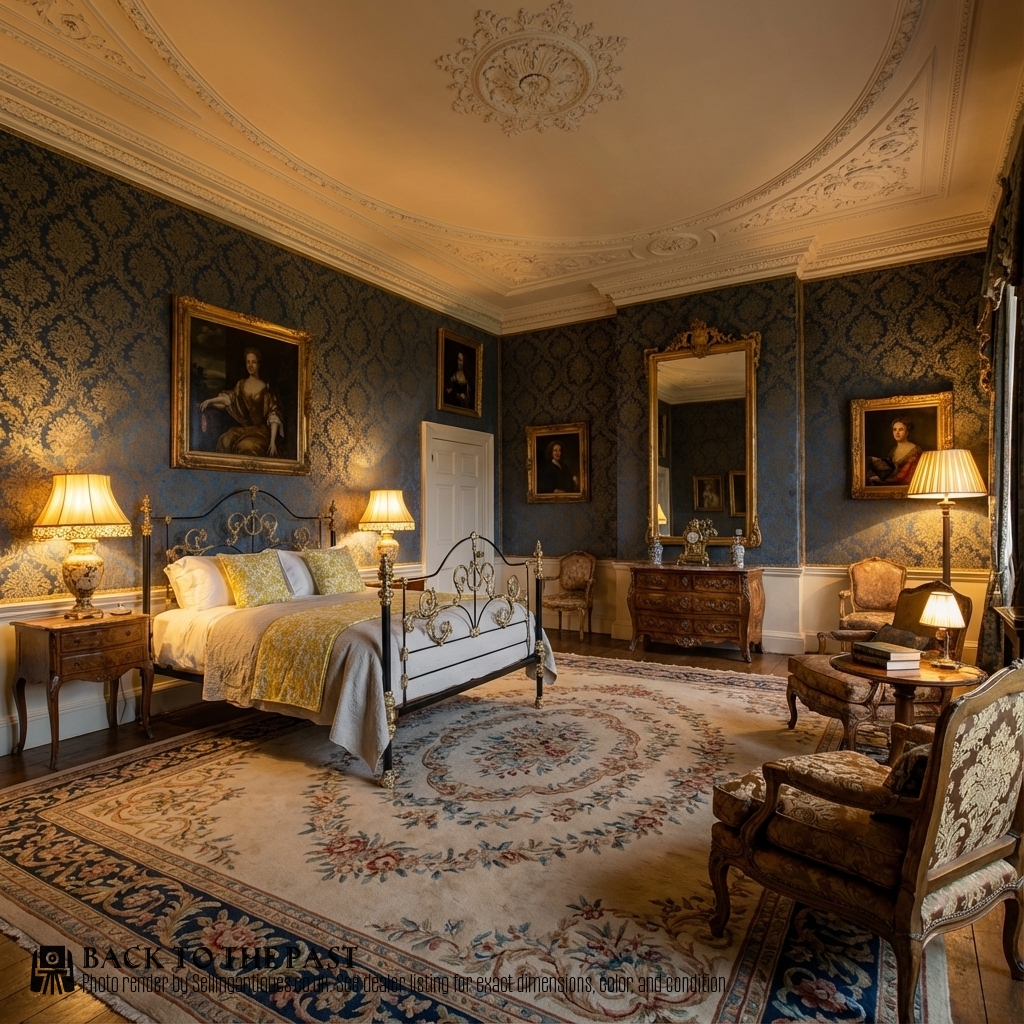
Ornate Iron Bed Frame
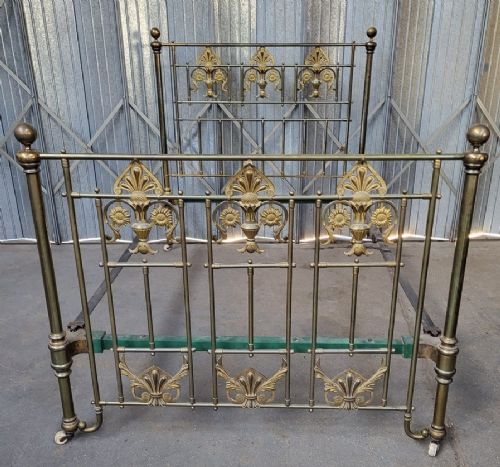
When you search for an ornate iron bed frame, you are looking at nineteenth-century sleeping furniture that moves far beyond basic utilitarian design. These pieces range from standard double sizes up to king and super king dimensions, often incorporating brass elements alongside the main iron structure.
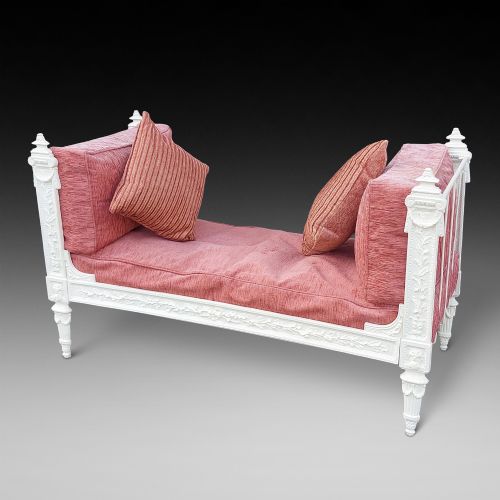
The versions most commonly met on this page date from the Victorian era, spanning decades such as eighteen sixty, eighteen seventy, eighteen eighty, and nineteen hundred. Alongside traditional double and king configurations, the selection includes daybeds and single beds designed to be joined together.
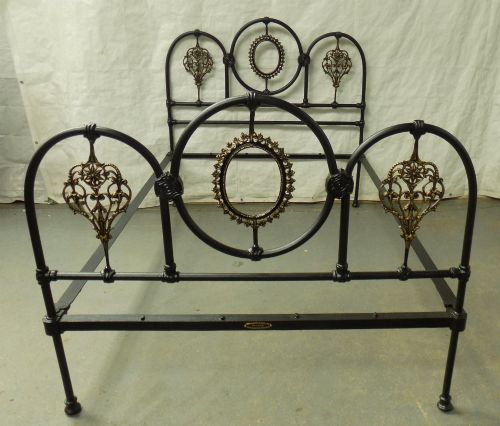
Geographic origins and stylistic influences vary noticeably across the inventory, touching upon Portuguese regional and traditional work, Italian tole ware, and American style interpretations. This variety ensures that each ornate iron bed frame carries distinct regional character rather than generic mass production.
How they were made
Construction relies heavily on cast iron and wrought iron for the foundational framework, providing the necessary heft and structural stability for daily use. Makers frequently combined these ferrous metals with polished brass components to create striking contrast and visual relief.
Surface decoration often involves applied paint and delicate sheet metal details, while certain examples incorporate ceramic or fabric elements into the overall design. These varied materials were joined using period techniques that allowed for substantial frames capable of supporting large mattresses.
Ornate Iron Bed Frame Retail Price Guide 2026
Typical asking prices for ornate iron bed frame among the pieces listed under this phrase on Sellingantiques today, from the lower quarter to the upper quarter. They describe what is for sale here now, not the wider market.
Listings feature nineteenth-century materials including cast iron, wrought iron, brass, paint, ceramic, fabric, and sheet metal.
What varies in quality
The distinction between standard production and exhibition quality work lies in the depth and intricacy of the casting and brass detailing. Finer pieces display crisper decorative motifs, more complex curvaceous lines, and superior integration of mixed materials like brass and tole ware.
Preservation of original finishes and components also dictates the standing of a piece within its period. Bedsteads that retain their complete original hardware and untouched surfaces command greater appreciation among collectors of nineteenth-century metalwork.
Winfield
The Ornate Iron Bed Frame Glossary
- Bedstead
- The framework of a bed, consisting of posts, rails, and head and foot boards, designed to support a mattress and base. In antique pieces, this structure is typically made of cast or wrought iron and brass.
- Daybed
- A couch that can be used for lounging during the day and as a bed at night. Victorian examples in iron often feature decorative backs and sides suitable for placement against a wall.
- Tole Ware
- Metalware painted and lacquered, often associated with decorative items and furniture from nineteenth-century Italy. It introduces colourful, hand-painted details to iron bed frames.
- Half Tester
- A bedstead featuring a partial canopy that extends only partway over the head of the bed. This form adds architectural height and grandeur to large Victorian brass and iron frames.
Ornate Iron Bed Frame: Frequently Asked Questions
How do I fit a modern mattress?
Many nineteenth-century bedframes were built to dimensions that differ slightly from modern standard sizes, particularly in length and width. It is essential to check the internal measurements of the side rails against your intended mattress size before purchase.
Adapting an antique frame often involves utilising modern custom mattress makers or employing discreet bed slatted bases that fit securely within the original iron side angles without altering the vintage structure.
Are these beds easy to assemble?
Victorian iron and brass bedframes typically utilise a wedge-and-socket or bolt-together joint system designed for straightforward dismantling and transport. The heavy cast components slot together securely at the four corners without requiring permanent fixings.
Having two people for assembly makes the process significantly easier due to the considerable weight of cast iron headboards and footboards. A rubber mallet is often helpful for gently tapping wedge joints into place without damaging the metal finish.
How should I clean the brass?
Brass components on Victorian bedframes develop a natural patina over decades, which many collectors prefer to leave undisturbed. Gentle dusting with a soft, dry cloth is usually sufficient for routine maintenance.
If you choose to polish the brass, use a non-abrasive cleaner formulated for metals and take care to shield adjacent painted iron surfaces from accidental contact. Avoid harsh chemical dips that strip away historical character entirely.
Can single beds be joined together?
Several listings feature pairs of single beds specifically designed with compatible frames that can be positioned side by side. This configuration offers the visual charm of matching twin beds with the flexibility to use them combined as a larger sleeping arrangement.
When joined, these frames maintain their individual structural integrity while presenting a cohesive aesthetic across the bedroom. Check the specific listing details to confirm whether joining brackets or matching components are included.