





Brass Hanging Mirror
A brass hanging mirror brings weight and reflection to a room, shifting light across polished metal frames from the eighteenth century to the art deco era.
Brass Hanging Mirror
A brass hanging mirror combines reflective glass with a metal frame designed to be secured to a wall by a chain, ring or integrated bracket. When you search for this phrase, you encounter objects spanning the eighteenth century through to the art deco period, alongside styles such as Victorian, Louis XVI Revival and Hollywood Regency.
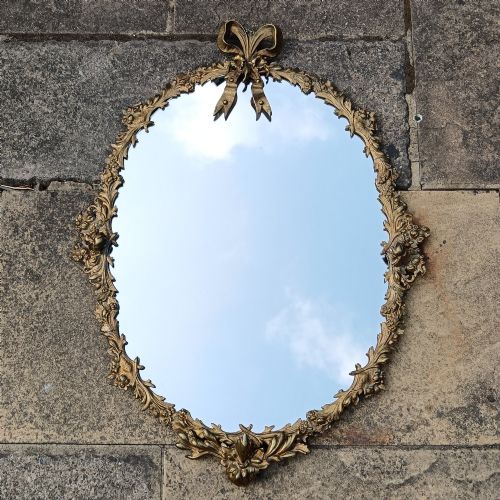
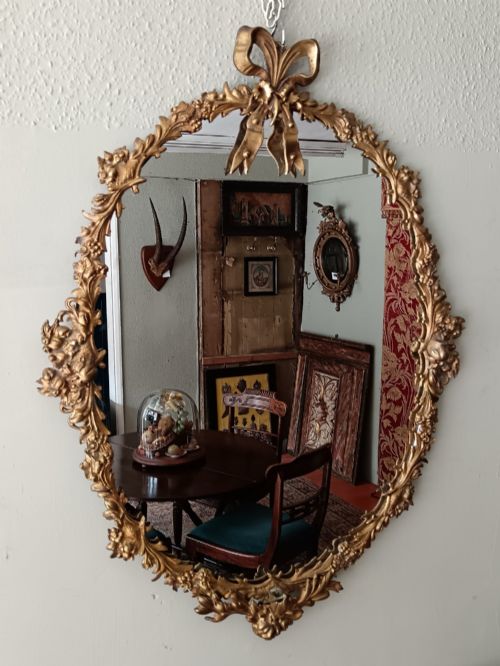
The version you are most likely to meet on this page is the Victorian or late nineteenth century cast or pressed brass wall mirror, often featuring decorative motifs like masks, cherubs or rams heads. These pieces range from simple circular shapes to elaborate oval and rectangular frames produced across Britain, France and the wider European and international markets.
Beyond standard wall mirrors, the selection includes related forms that incorporate brass frames or reflective elements, such as campaign mirrors, cabinet doors and hall stands. These items demonstrate how domestic brasswork evolved from functional hardware into decorative wall furniture.
Quality Variations
Quality rests upon the crispness of the casting and the depth of hand-finishing applied to the brass or gilt bronze elements. Finer examples display sharp definition in chased details such as cherubs, masks and foliate scrolls, whereas simpler pressed sheet metal versions show softer contours.
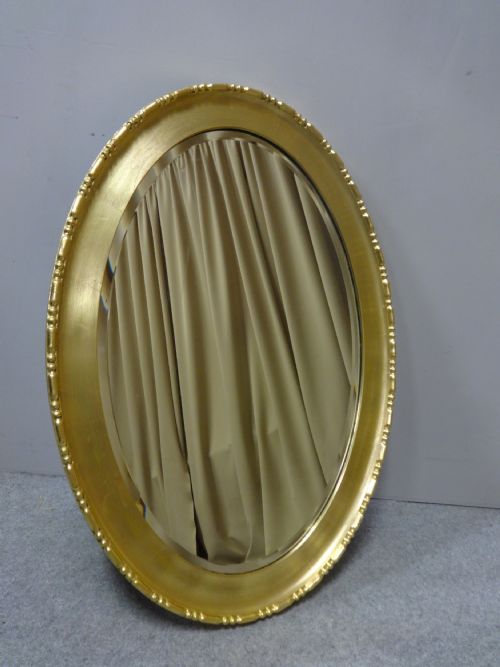
The integrity of the mirror plate itself influences the standard of the piece, with original bevelled or mercury glass plates holding greater decorative value. Heavier gauge metal frames and robust structural backs separate superior domestic accessories from lighter, mass-produced alternatives.
Brass Hanging Mirror Retail Price Guide 2026
Typical asking prices for brass hanging mirror among the pieces listed under this phrase on Sellingantiques today, from the lower quarter to the upper quarter. They describe what is for sale here now, not the wider market.
Listings feature periods from the 18th Century through to the 1930s, encompassing Victorian, Edwardian, Art Deco and Hollywood Regency styles.
William Tonks & Son·Winn & Co
The Brass Hanging Mirror Glossary
- Mercury glass
- A double-walled blown glass object coated with a silvering liquid inside, creating a reflective, slightly mottled appearance. It appears frequently in nineteenth and early twentieth century lighting and mirror production.
- Cast brass
- Molten brass poured into a mould to form solid, three-dimensional decorative elements and heavy frames. This method allows for high detail in motifs such as masks and scrollwork.
- Pressed brass
- Sheet brass shaped under mechanical pressure using dies to create lightweight frames with raised patterns. It offers decorative surface relief without the weight of solid casting.
- Gilt bronze
- Bronze metal coated with a fine layer of gold, providing a durable and rich surface finish found on high-status revival frames.
- Bevelled glass
- A mirror plate with edges ground and polished at an angle to create a framed optical border. This technique reflects light at multiple angles.
Brass Hanging Mirror: Frequently Asked Questions
How do I hang a heavy brass mirror safely?
Heavy cast brass frames require wall fixings anchored directly into masonry or secure wooden studs rather than standard plasterboard plugs. Utilise the original suspension chain or integrated hanging loops combined with a suitable rated wall hook.
Ensure the weight of the mirror distributes evenly across the hanging mechanism to prevent distortion of the frame over time. Professional mirror fixings provide the necessary stability for antique wall furniture.
How do I clean an antique brass frame?
Dust the brass surface gently with a soft, dry cloth to remove accumulated surface particles without disturbing the aged patina. Avoid aggressive chemical polishes that strip historical character and discolour the metal.
If cleaning is necessary, use a mild, non-abrasive soap solution on a damp cloth, drying the metal immediately afterwards. Take care to prevent any moisture from seeping behind the mirror plate.
Are these mirror plates original?
Many antique mirrors retain their original glass plates, which often display light foxing, minor speckling or aged silvering. These natural imperfections confirm the age of the piece and separate old glass from modern replacements.
Inspect the edges of the plate where it meets the frame to observe mounting techniques and backing materials. Original plates show consistent ageing patterns that match the era of the brass frame.
What is the difference between Victorian and Art Deco styles?
Victorian brass mirrors draw heavily on historical revival motifs, featuring ornate cast ornament such as cherubs, scrolls, masks and floral crests. The aesthetic prioritises heavy texture, intricate surface detail and elaborate silhouettes.
Art Deco mirrors favour clean geometric lines, streamlined circular or octagonal shapes, and minimal surface distraction. The design reflects modern industrial influences of the early twentieth century through restrained metal framing.