

Brass Handle Wood Commode
A brass handle wood commode is a practical storage chest that brings period warmth and functional surface space to a bedroom.
Brass Handle Wood Commode
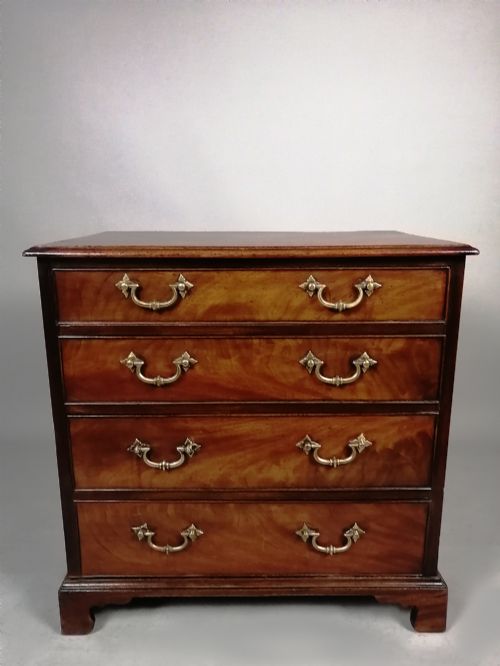
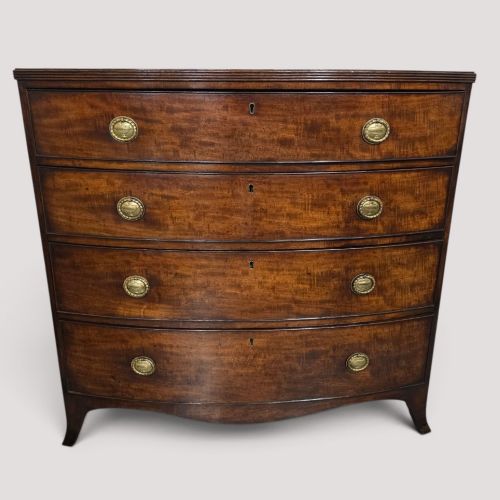
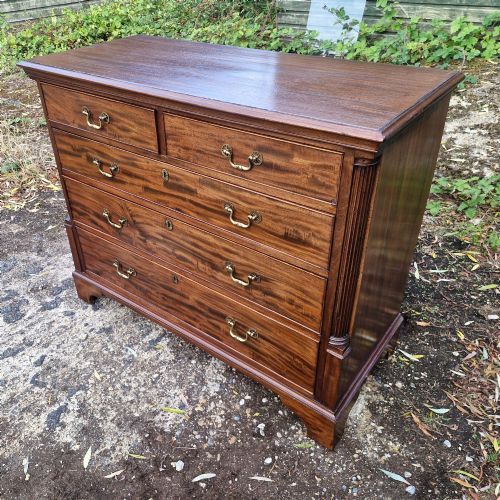
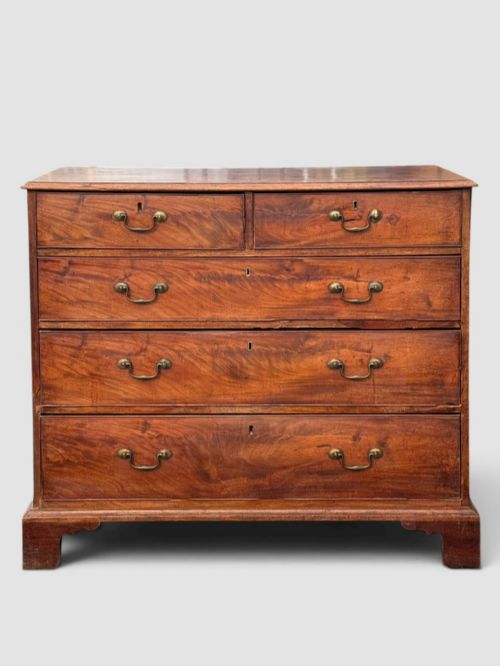
A brass handle wood commode typically manifests as a chest of drawers constructed from timbers such as mahogany, oak, walnut, or pine, fitted with metallic drop or pull handles. These pieces range in date from the seventeenth century through the Edwardian era, encompassing Georgian, Regency, and Victorian styles.
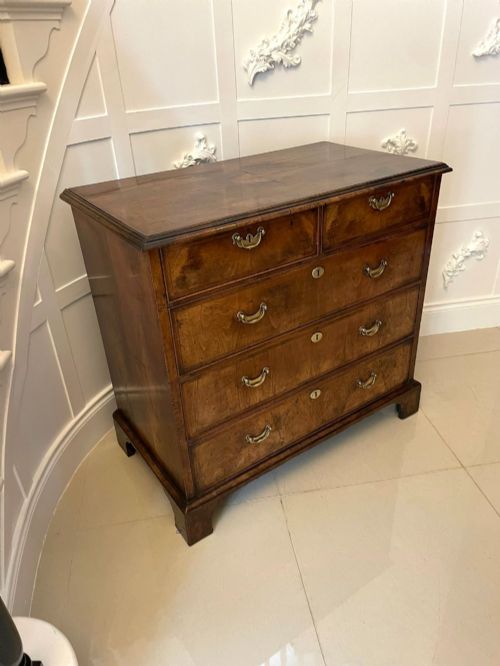
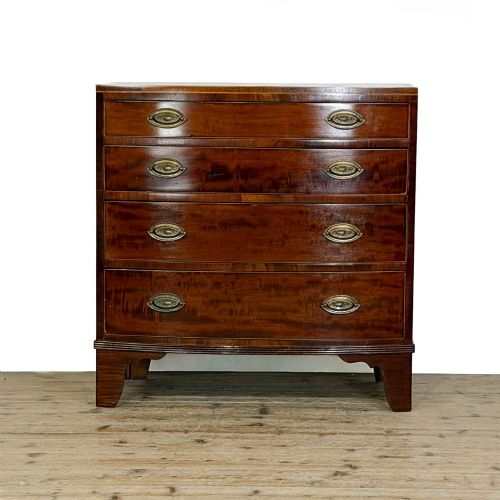
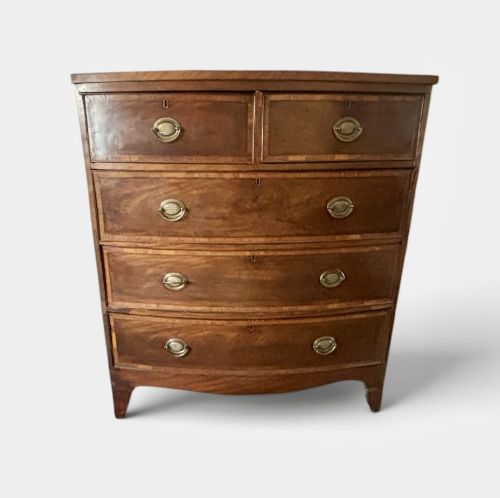
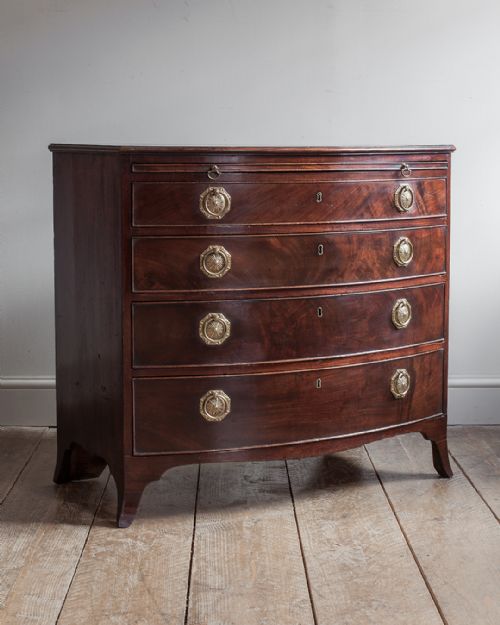
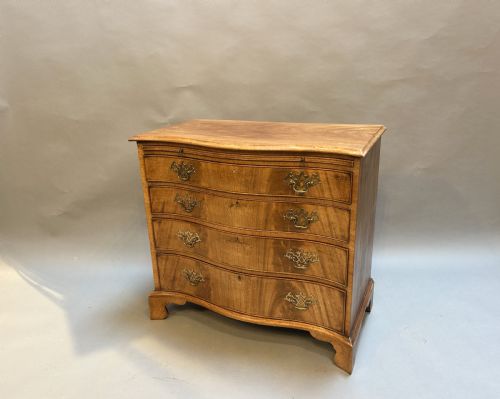
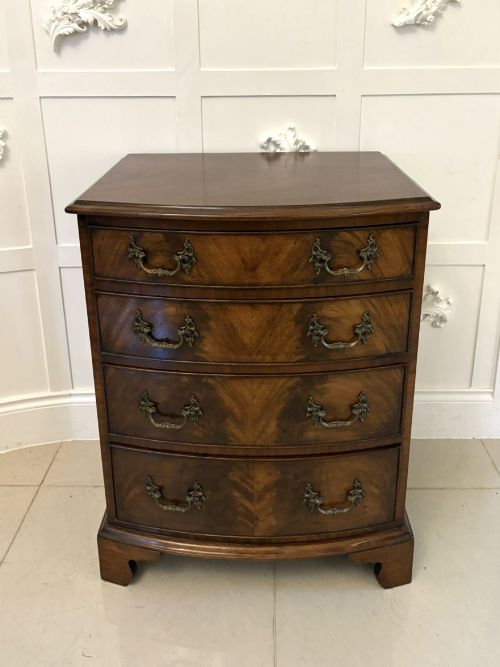
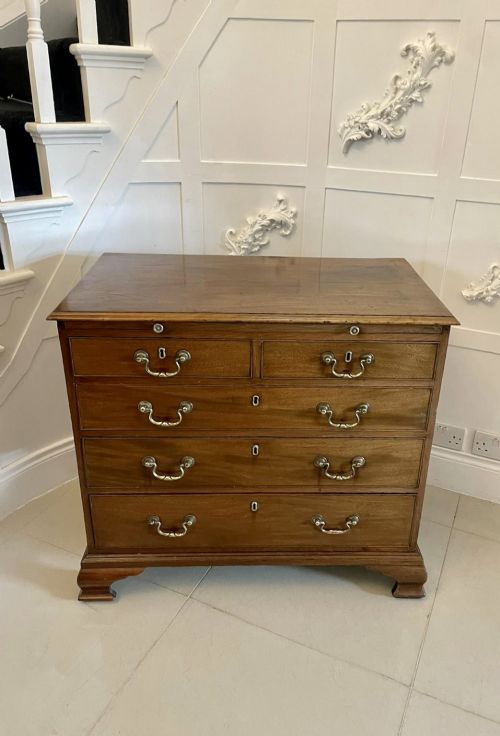
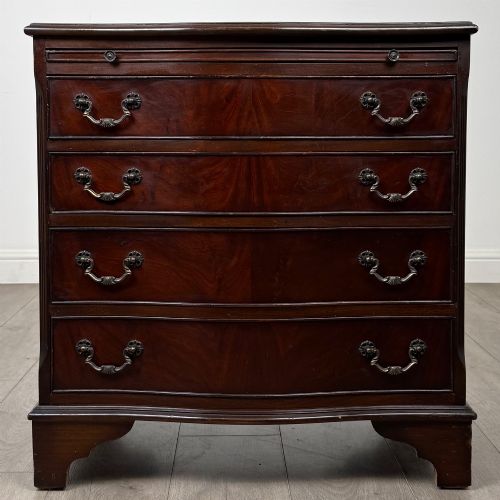
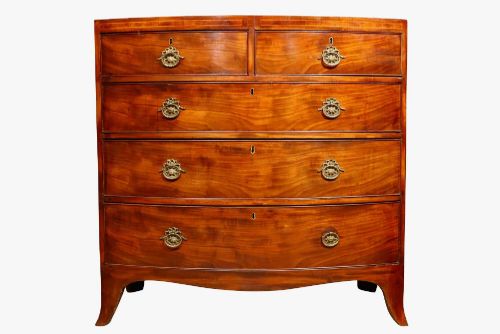
The version most commonly met on this page is the mahogany chest of drawers, often featuring a bow front, serpentine outline, or a configuration of two short drawers over three long ones. Examples span periods from George I and George III through to later nineteenth-century interpretations.
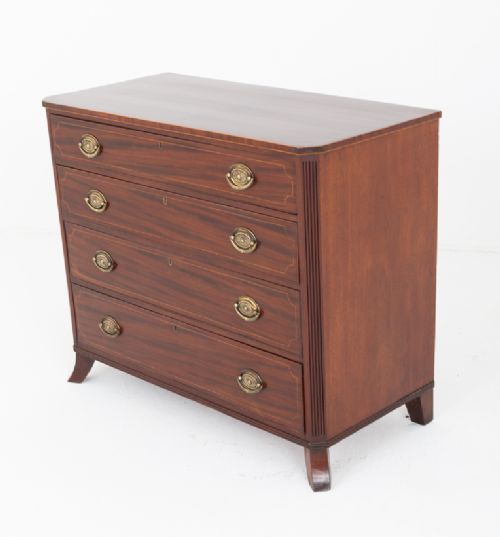
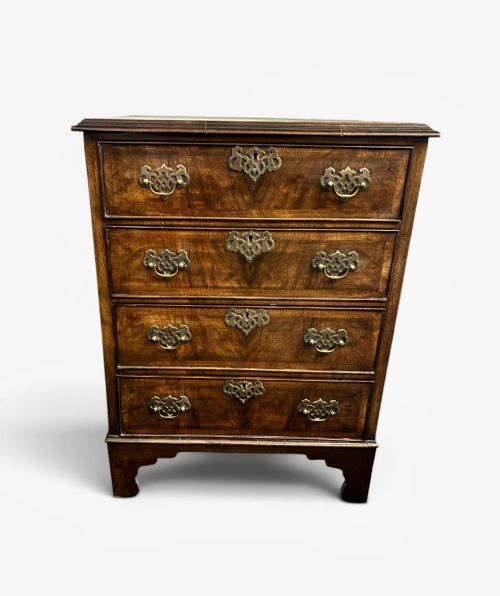
Makers and craftsmen utilised dense hardwoods and decorative veneers like flame mahogany, Cuban mahogany, and satinwood banding. Formats include straightforward four-drawer units as well as more complex designs incorporating brushing slides.
Materials and construction
Cabinet makers relied predominantly on solid timbers and selected veneers, shaping mahogany, oak, walnut, cherrywood, cedar, and olive wood into substantial storage units. Surfaces were frequently enhanced with figured veneers and contrasting satinwood banding to create visual depth.
Brass hardware functioned as both a structural necessity and a decorative accent, secured through drawer fronts to operate the pulls. Joinery techniques ensured sturdy carcass construction, supporting heavy drawer loads across centuries of daily domestic use.
Early slide mechanisms sometimes still trap a forgotten handkerchief or love note tucked behind the timber decades ago.
Judging quality in wooden commodes
Quality rests upon the selection of timber grain, where heavily figured walnut, flame mahogany, or dense Cuban mahogany elevate an ordinary storage chest into a piece of finer artistry. The precision of the satinwood banding and the harmony of the drawer proportions further distinguish superior examples.
The integrity of the brass handles and the crispness of secondary carving, such as serpentine outlines or brushing slides, separate workshop standards. Original brass hardware and uncompromised timber surfaces mark the upper tier of surviving items.
The Brass Handle Wood Commode Glossary
- Bow front
- A convex curved cabinet front that projects outward in the centre. This shape became particularly popular during the Georgian and Regency periods on mahogany chests.
- Brushing slide
- A pull-out shelf integrated just beneath the top surface of a chest. It provided a temporary writing or clothes-brushing surface before being pushed flush when not needed.
- Serpentine outline
- A front edge shaped with a central convex curve flanked by concave sweeps. It requires advanced woodworking skill to execute properly on hardwood drawers.
- Satinwood banding
- A narrow strip of pale exotic wood inlaid around the edges of drawer fronts or tabletops. It provides a sharp visual contrast against darker primary timbers like mahogany.
- Flame mahogany
- A veneer cut from timber where the grain resembles flickering flames. Cabinet makers prized this figure for principal drawer faces to catch the light.
Brass Handle Wood Commode: Frequently Asked Questions
How do I date a wooden commode?
Dating relies on examining the timber species, construction methods, and overall stylistic markers such as bracket feet or apron shapes. Georgian and Regency pieces often display specific proportions and handle configurations distinct from later Victorian or Edwardian manufacturing.
Secondary woods used inside drawer linings also offer clues to the origin and period of manufacture. Comparing the carcass construction against documented examples helps narrow down the decade.
What is the difference between a commode and a chest of drawers?
While modern terminology often treats them interchangeably, historical pieces categorized as commodes frequently include continental European examples, such as French walnut or cherrywood cabinets. Traditional British listings under this heading typically refer to robust chests of drawers.
Both forms served similar bedside or general storage functions in domestic interiors. The regional origin usually dictates whether the piece carries the commode designation or the standard chest label.
How should I care for a historic wood finish?
Historic timber surfaces benefit from minimal intervention, relying on occasional gentle dusting with a soft, dry cloth. Avoid placing wooden chests in direct sunlight or near heat sources to prevent the wood and veneers from drying out.
Natural beeswax can be applied sparingly to nourish dry timber without building up heavy chemical layers. Maintaining a stable indoor humidity protects both the solid wood and the brass fittings.
Were brass handles always original to these pieces?
Brass handles frequently suffered wear or replacement over centuries of domestic use, meaning many surviving chests carry later hardware replacements. Examining the timber around the backplates can reveal ghost impressions of earlier handle configurations.
Replacement hardware from the correct period remains common and does not diminish the practical utility of the chest. Collectors nevertheless look for undisturbed original mounts where possible.