

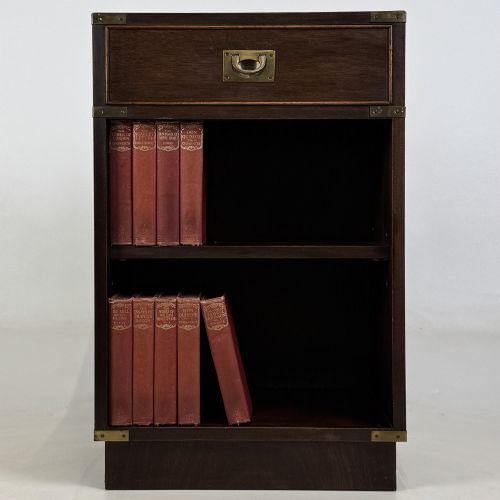
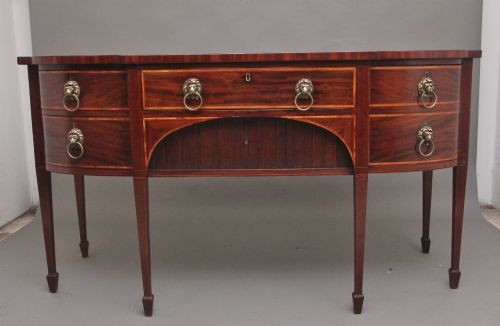
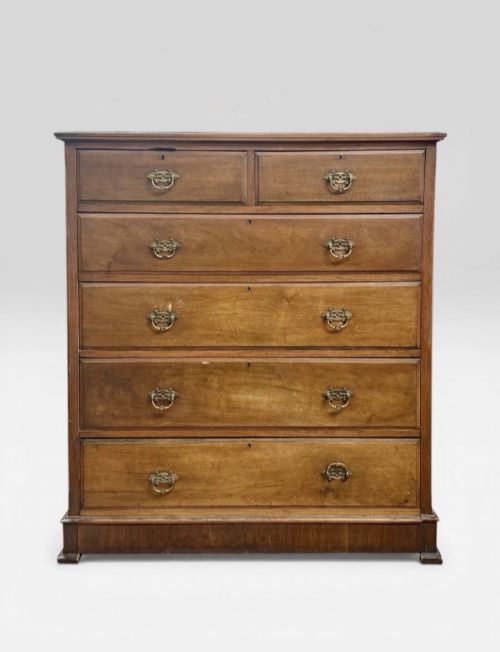
Brass Handle Mahogany Cabinet
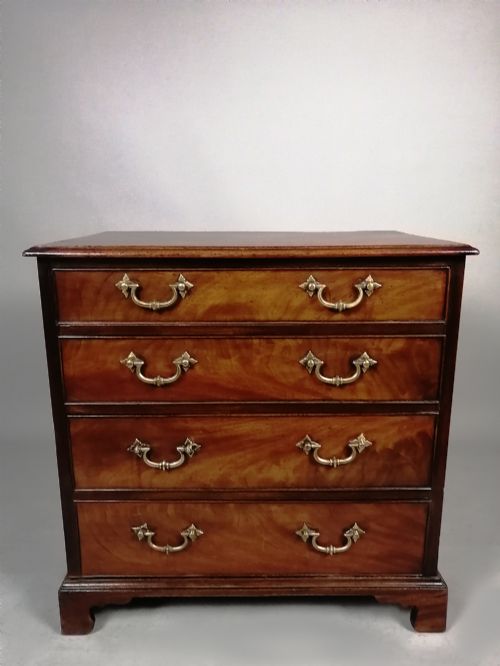
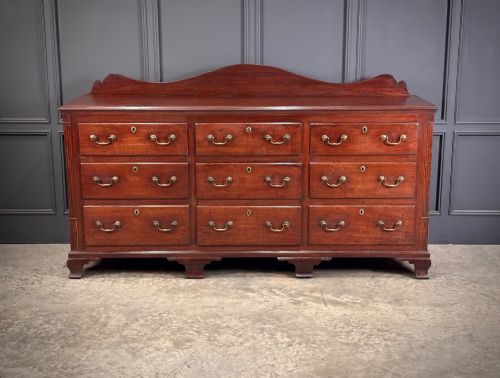
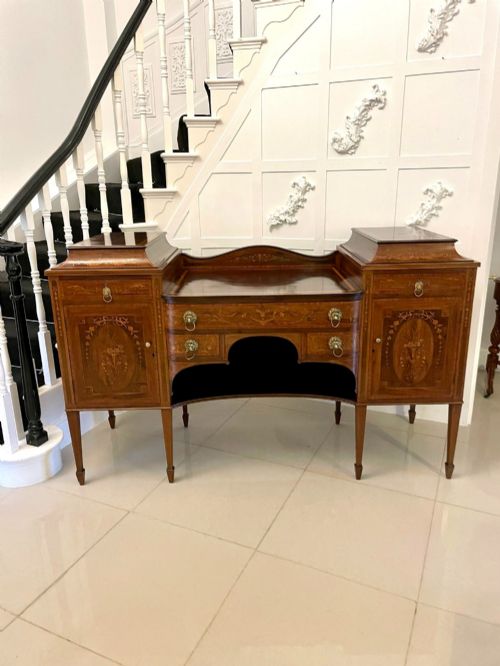
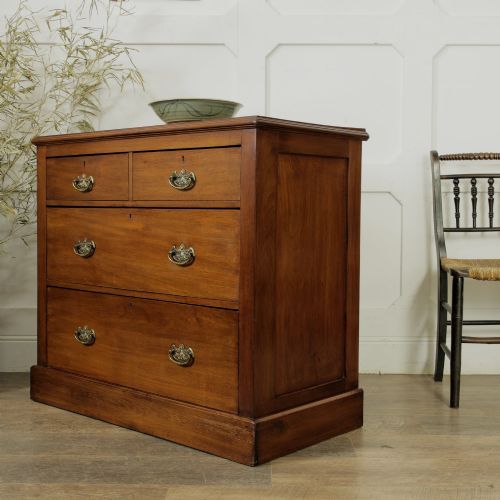
These pieces combine the rich warmth of polished timber with the clean gleam of metal fittings, making a brass handle mahogany cabinet a practical addition to any study or bedroom.
Brass Handle Mahogany Cabinet
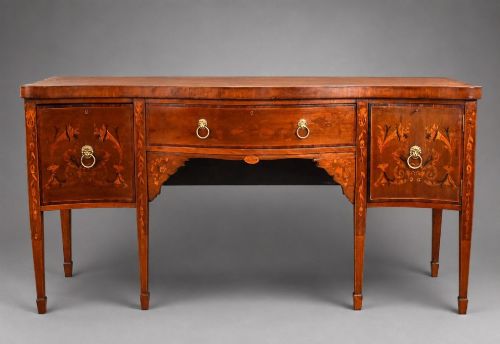
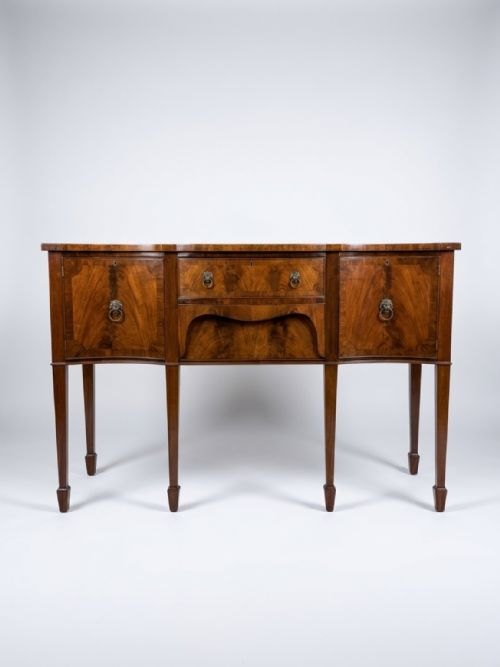
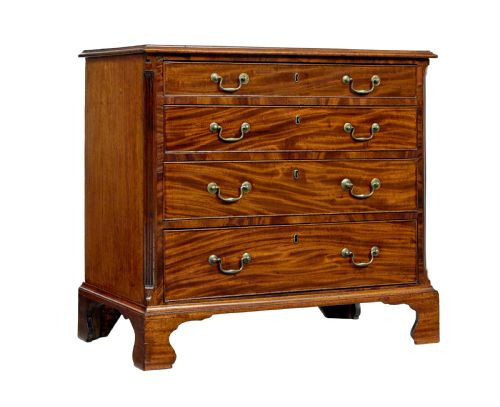
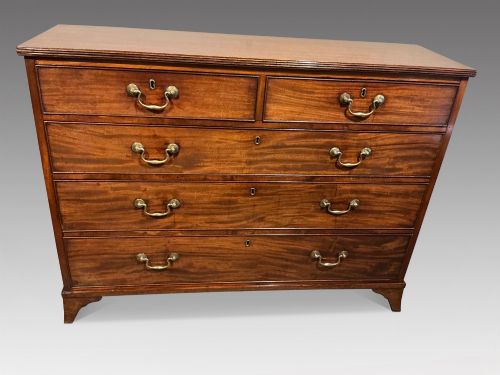
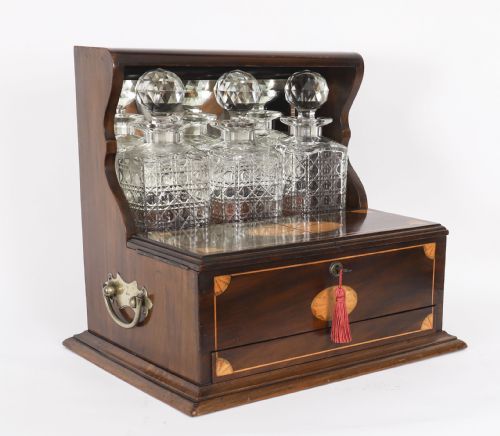
A brass handle mahogany cabinet encompasses a variety of storage furniture including chests of drawers, sideboards, desks, filing cabinets, bureaux, and bedside tables. When searching this phrase, a buyer is looking at pieces built primarily during the eighteenth and nineteenth centuries, spanning the Georgian, Regency, Victorian, and Edwardian periods.
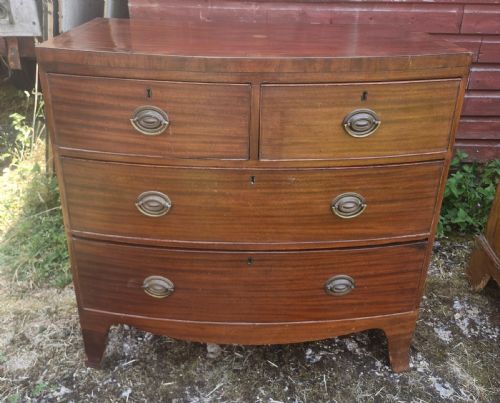
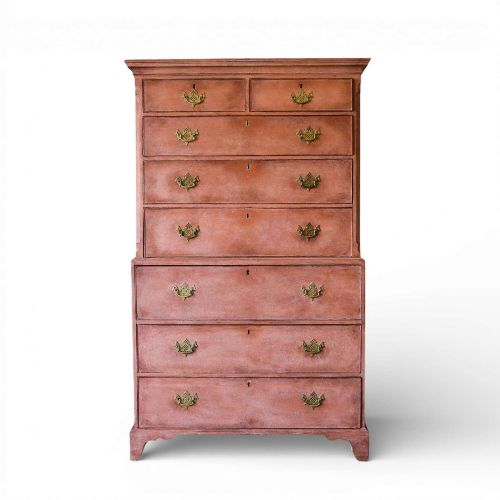
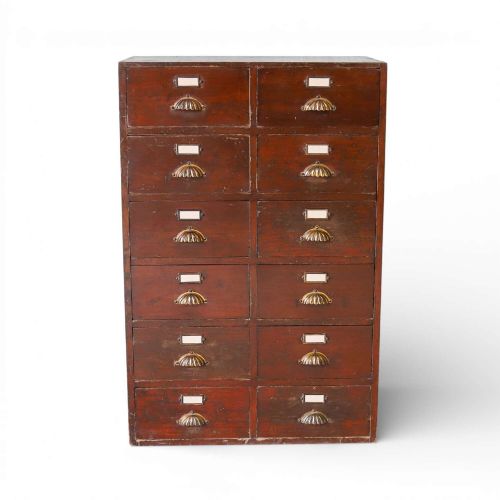
The versions met most frequently on this page are chests of drawers and sideboards. These range from compact hall chests and bow front designs to large banks of drawers and campaign styles intended for travel.
Origins trace through English cabinet-making traditions, incorporating styles such as Sheraton Revival and Georgian alongside specialised campaign furniture designed for military or colonial transport.
Materials and Construction
Makers utilised solid timber and veneers, frequently selecting Cuban mahogany for its deep grain and durability. Secondary woods like oak appear internally, while contrasting details incorporate satinwood, boxwood, and intricate marquetry or crossbanding.
Fittings rely on cast or stamped brass, utilised for drop handles, ring pulls, label holders, and decorative paw feet. Construction techniques involve dovetail joints for drawer construction and secure frame assembly suited to daily domestic or office use.
Secret compartments in Georgian bureaux hide love letters away from inquisitive household staff.
Craftsmanship and Proportion
Quality separates through the selection of timber figures, where dense Cuban mahogany and precise satinwood inlay command attention. The integration of original hardware, such as shell pulls and brass label holders, preserves the integrity of the piece.
Proportion and cabinet-making restraint define the upper tier of surviving examples. Clean lines in serpentine sideboards or well-fitted secretaire drawers indicate superior workshop origin compared to simpler utility items.
Hewetsons London·Mawer and Stephenson
The Brass Handle Mahogany Cabinet Glossary
- Bow front
- A convex curved cabinet or chest front that swells outward from the corners. This shape gained popularity during the Georgian and Regency periods.
- Crossbanding
- A decorative border of veneer laid with the grain running perpendicular to the surrounding surface. It frames drawer fronts and tabletops on finer furniture.
- Campaign chest
- Portable furniture built in sections with recessed brass handles and corner brackets. These pieces were designed for officers on the move during the eighteenth and nineteenth centuries.
- Marquetry
- Inlaid patterns formed from different coloured woods and veneers to create pictorial or geometric designs. It appears frequently on late Victorian and Edwardian sideboards.
- Secretaire
- A desk disguised as a chest of drawers or cabinet featuring a drop-down writing flap enclosing small compartments. It combines storage with a compact writing surface.
Brass Handle Mahogany Cabinet: Frequently Asked Questions
What is a kneehole desk?
A kneehole desk is a compact writing table featuring a central recessed space for the user's legs, flanked by columns of small drawers. Georgian examples often rest on bracket feet or decorative brass paw feet.
These pieces served as private writing desks in studies or bedrooms. The arrangement provides multiple small storage compartments within a modest footprint.
Are brass handles original?
Original brass handles leave distinct shadow marks and impressions in the mahogany timber where they have rested for centuries. The backplates and fixing pins should match the period of manufacture, such as Georgian cast brass or later stamped fittings.
Replacements are common due to wear over generations of daily use. Inspecting the interior of the drawer reveals whether previous screw holes align with current hardware.
How do I care for mahogany?
Mahogany furniture requires stable indoor humidity away from direct sunlight and heat sources to prevent the timber from drying out. Regular dusting with a soft, dry cloth maintains the polished surface without the need for heavy silicone waxes.
Applying a traditional beeswax polish occasionally nourishes the grain. Buffing gently brings out the natural depth and warmth of the antique wood.