


Brass Glass Side Table
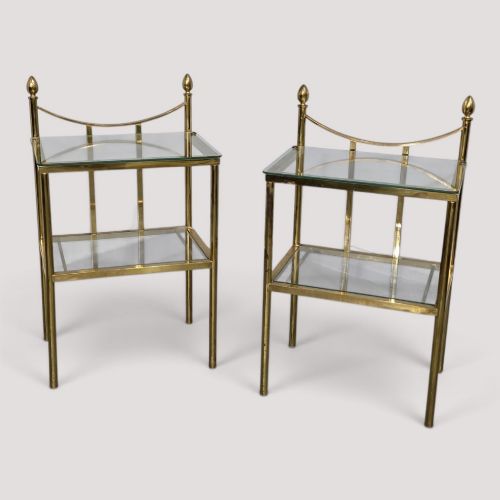
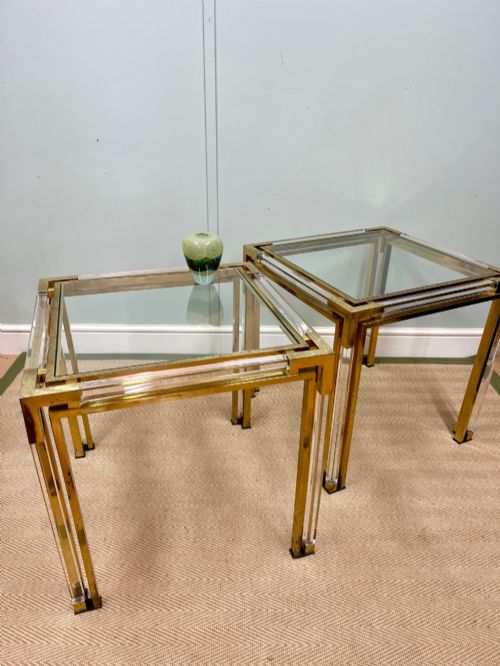
A brass glass side table offers a reflective surface and metallic warmth, suited to both period rooms and modern interiors.
Brass Glass Side Table
A brass glass side table combines a metallic frame with a transparent top, creating a light visual presence in a room. These items appear across various decades, including the 1920s and 1930s.
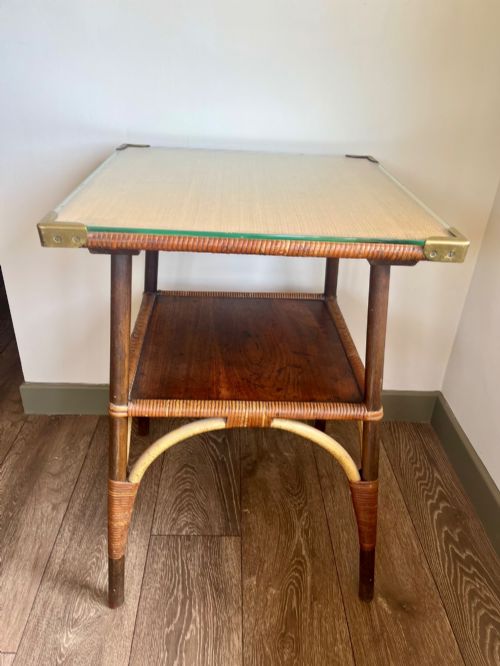
The selections on this page encompass side tables alongside related forms like lamp tables, nesting sets, and occasional tables. Materials extend beyond metal and glass to include mahogany, gilt bronze, and wrought iron.
Origins stretch from English workshops to French regional makers, spanning styles such as Art Deco, Hollywood Regency, and Arts and Crafts. Pieces like the Dryad Leicester occasional table show the diverse output found within these categories.
How they were made
Construction relies on joining metal framework, such as brass or gilt bronze, with fitted glass inserts for the top surfaces. Timber elements like mahogany and kingwood appear in framed or veneered cabinetry.
Decorative details involve casting, inlay work, and patination applied to iron or brass components. Secondary materials like enamel, velvet, and gilt brass add textural contrast to the primary structures.
One unexpected table arrives with a green iron frame shaped to look decidedly curvy.
What varies in quality
Quality shows in the precision of the metal joints and the weight of the brass or bronze used in the frame. Heavier castings and crisper chasing distinguish superior examples from lighter commercial output.
The integration of materials dictates distinction, such as finely figured mahogany veneers paired with neat brass inlay rather than simple applied trim. Glass thickness and edge beveling also separate standard production from finer workmanship.
Dryad Leicester·Peter Ghyczy
The Brass Glass Side Table Glossary
- Bijouterie cabinet
- A display table or cabinet with glass panels designed to show small ornaments and valuables. These pieces often feature hinged lids and velvet linings.
- Art Deco
- A style popular in the 1920s and 1940s characterised by geometric forms and streamlined shapes. It influences the design of tables and lamps from that era.
- Gilt bronze
- Copper alloy coated with a layer of gold, often used for decorative mounts and clock cases. It provides a durable, lustrous finish.
- Nesting tables
- A set of several tables of graduating size designed to fit one beneath another. They save space when not in use.
- Toleware
- Painted or lacquered metalware, commonly tin, used for decorative household objects. It brings colour and pattern to smaller furnishings.
Brass Glass Side Table: Frequently Asked Questions
How do I clean a brass and glass table?
Use a soft cloth with a mild detergent solution for the glass, avoiding harsh abrasives that scratch the surface. Dust the brass frame gently to preserve its original finish.
Keep moisture away from any wooden components or veneered sections to prevent warping or lifting of the surface finish.
Are these tables sturdy enough for daily use?
Most examples are constructed for domestic use as lamp stands or incidental surfaces for books and drinks. Solid metal frames and fitted glass tops provide adequate stability for everyday objects.
Heavier items like display cabinets require placement on level flooring to ensure the doors and hinged lids operate smoothly.
How can I tell a 1920s table from an 1880s one?
Examine the decorative vocabulary, as 1920s pieces often display geometric Art Deco lines or simplified forms. Items from the 1880s tend to reflect revival styles with heavier ornamentation.
Construction methods also offer clues, with earlier pieces frequently employing hand-cut joinery and later ones showing standardised manufacturing techniques.
Where should I place a glass top table?
Position the table near a light source to make the most of the reflective glass and metallic frame. They work well beside seating or as lamp tables in living spaces.
Avoid placing them in heavy traffic areas where the glass insert might suffer accidental impacts from heavy objects.