


Gilded Metal Side Table
A gilded metal side table brings metallic brilliance and compact surface space to a room, offering both function and decorative polish.
Gilded Metal Side Table
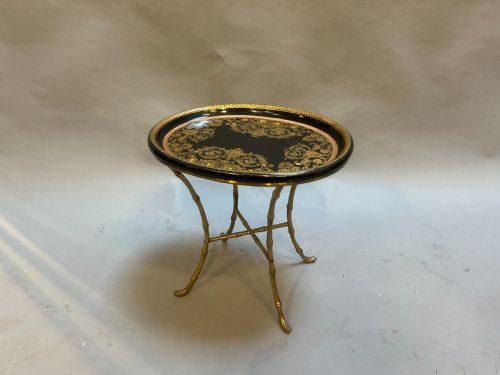
When you search for a gilded metal side table, you encounter a selection of small furniture and lighting supports originating across the nineteenth and twentieth centuries. The current offerings encompass Victorian, Art Deco, and Hollywood Regency aesthetics alongside French Louis XVI and Baroque revivals.
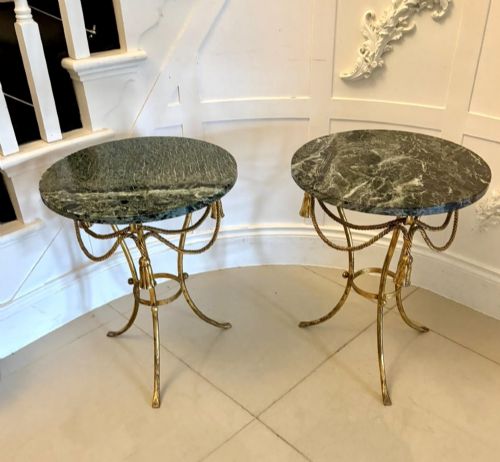
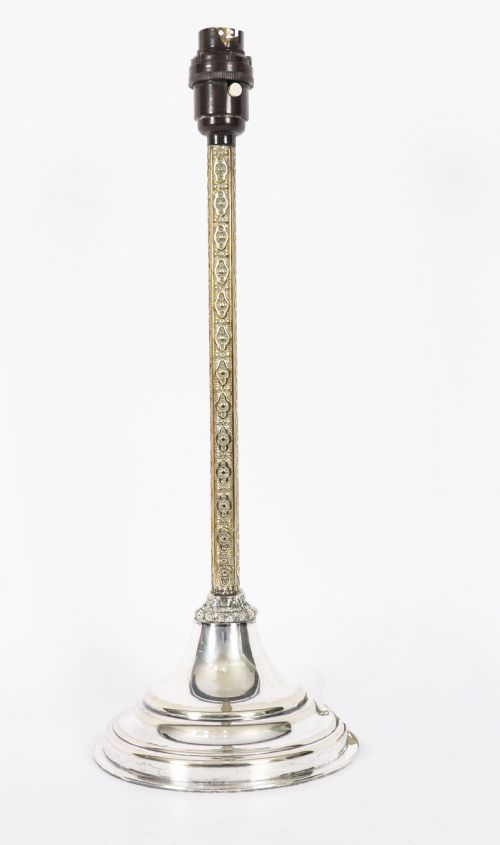
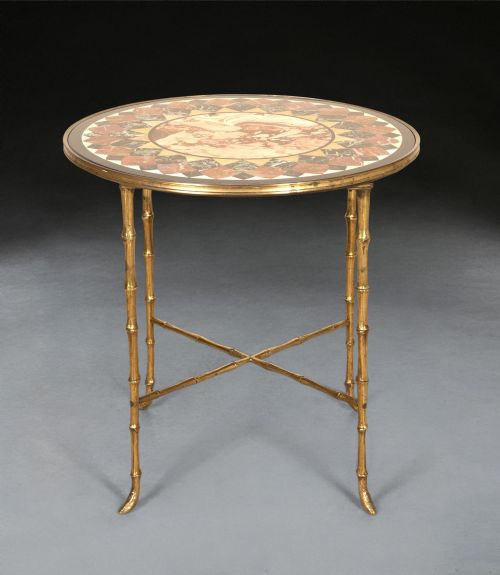
You are most likely to meet occasional tables, plant stands, console tables, and table lamps constructed from brass, gilt metal, and bronze. These pieces range from simple brass tables from the early twentieth century to elaborate Italian marble-topped console tables with detailed cast metal decoration.
The assortment bridges utilitarian small tables and decorative stands designed to display plants, lamps, or specimen objects. Origins span French, Italian, American, and British workshops, reflecting diverse stylistic revivals from the 1800s through to the 1940s.
How they were made
Construction relies heavily on cast and formed metals including brass, ormolu, gilt bronze, and silver-plated metal. Artisans shaped these metallic components into structural frames, intricate lamp bases, and decorative plant stands.
Many surfaces incorporate contrasting natural materials such as verde marble, standard marble, and wood to provide weight and visual texture. Glass and fabric elements also appear, particularly in the lighting fixtures and associated shade fittings.
Listings span the nineteenth century up to the 1940s, featuring materials such as verde marble, brass, and gilt metal.
What varies in quality
The standard of metal casting and chasing dictates the definition and crispness of ornamental details like rams' heads, maidens, and floral motifs. Finer examples display sharp, hand-finished chasing that retains depth after gilding.
The selection and integration of inset materials, such as genuine verde or specimen marble tops, distinguish superior pieces from simpler utilitarian items. Solid brass and bronze frames demonstrate greater longevity and structural integrity than plated alternatives.
Mappin and Webb
The Gilded Metal Side Table Glossary
- Ormolu
- Gilded bronze produced by applying a mercury and gold amalgam to a bronze base, commonly found on decorative French items.
- Spelter
- A zinc alloy used as a cost-effective substitute for bronze in decorative castings, frequently painted or electroplated.
- Verde marble
- A dark green ornamental marble with distinctive veining, often utilised for table and console tops.
- Parcel gilt
- A decorative treatment where only specific portions of an object are covered in gold leaf or gilt.
- Console table
- A table designed to stand against a wall, frequently supported by ornate brackets or legs.
Gilded Metal Side Table: Frequently Asked Questions
How do I clean a gilded metal surface?
Dust gently with a dry microfibre cloth to remove surface particles. Avoid abrasive cleaning agents and harsh polishes that can wear away the delicate metallic finish.
For stubborn marks, use a slightly damp cloth with mild soap, drying the metal immediately afterwards to prevent tarnishing or corrosion.
Are these tables sturdy enough for daily use?
Most occasional tables and stands are built to support lamps, books, or decorative items rather than heavy loads. Assessing the frame construction and joint stability helps determine suitable placement.
Placing items centrally on marble or wooden tops prevents tipping and protects the structural balance of lighter metal frames.
How do I identify a Victorian piece?
Victorian items often display heavy ornamentation drawing on Baroque, Rococo, or Gothic revivals. Look for substantial brass or bronze casting and traditional assembly methods.
Documentation, provenance, or specific stylistic markers help narrow down the manufacture date within the nineteenth century.
Can I mix different metal finishes together?
Combining brass, gilt metal, and silver-plated items adds depth and character to an interior scheme. Varying the heights and forms prevents the arrangement from looking uniform.
Matching the period or general aesthetic helps disparate metal tones sit comfortably in the same room.