

Brass Glass Shade Light
A brass glass shade light brings warmth and period character to a room through its combination of polished metal and textured glass.
Brass Glass Shade Light
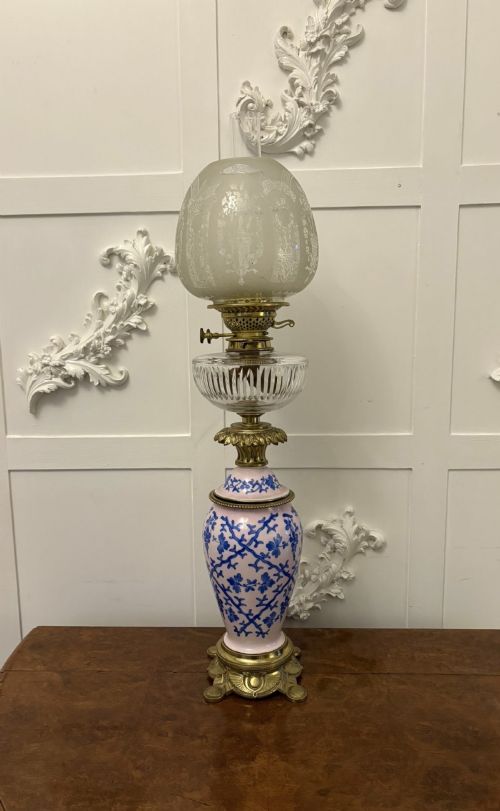
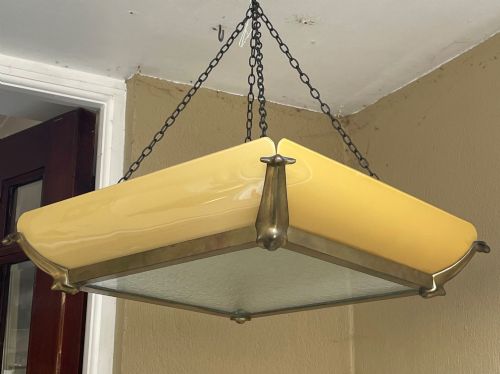
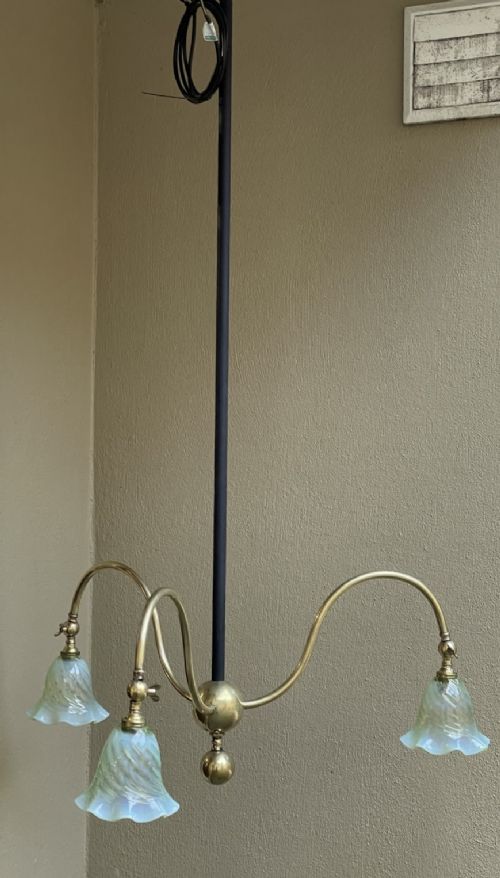
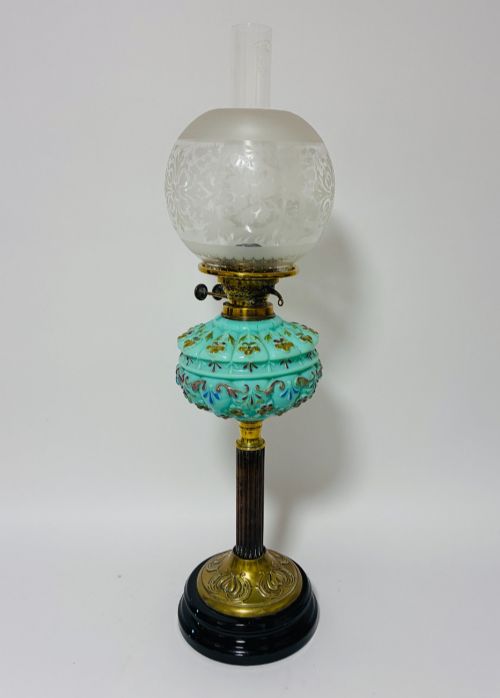
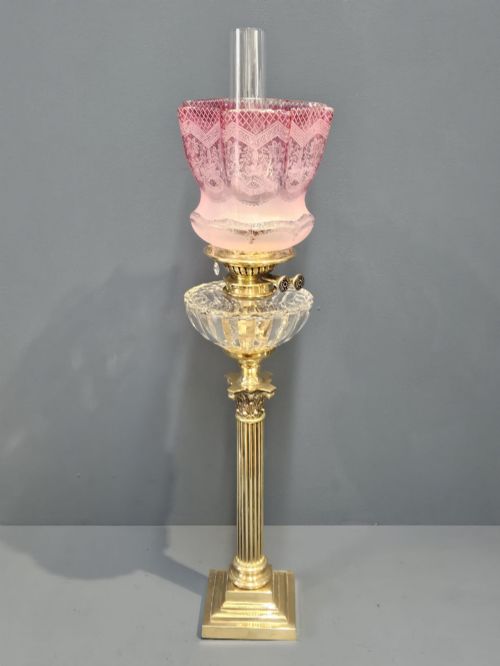
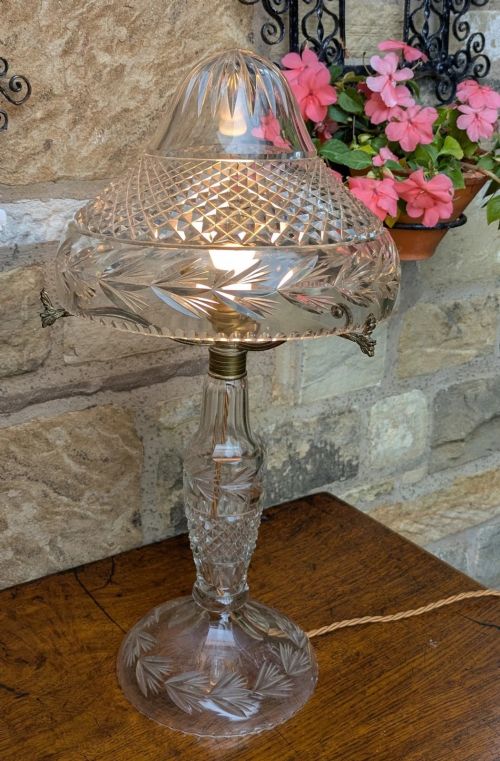
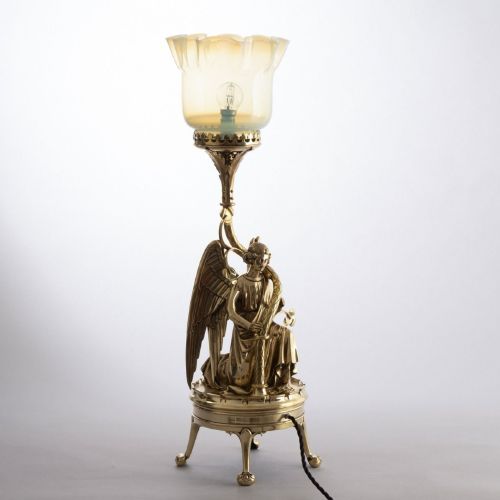
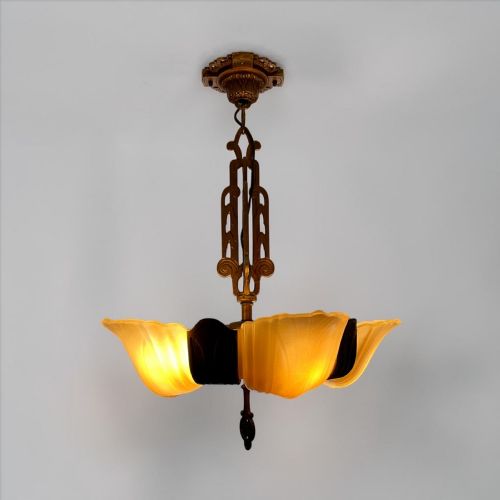
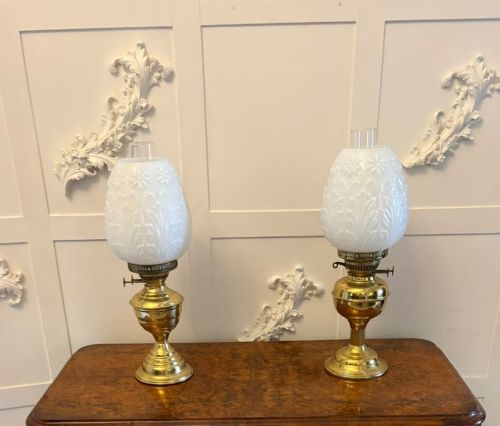
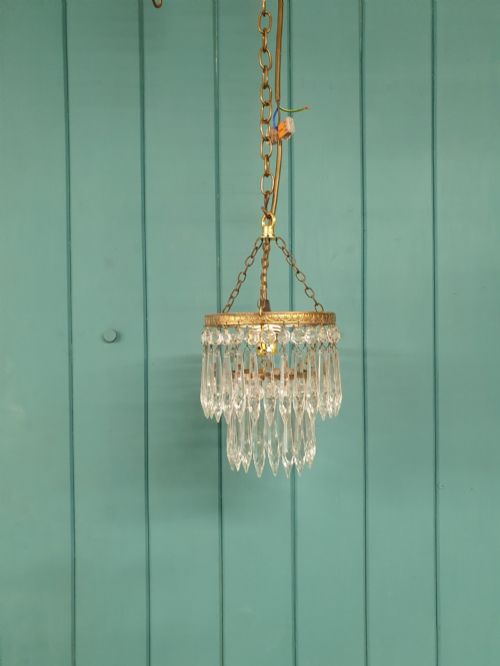
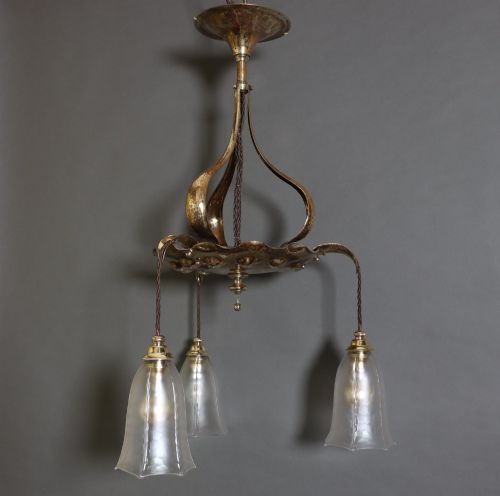
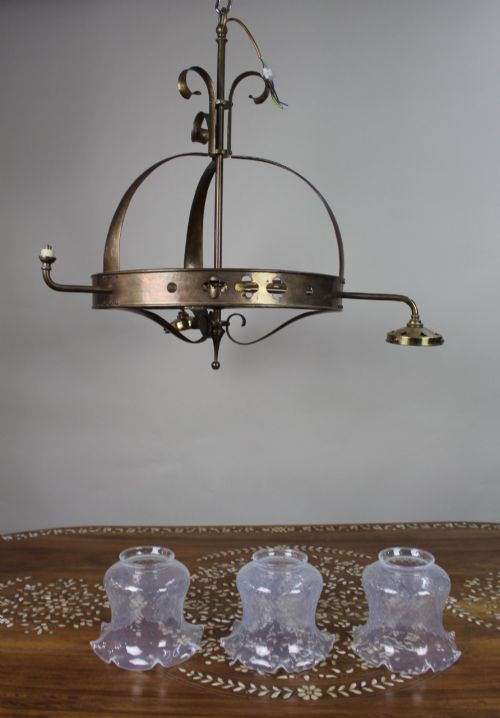
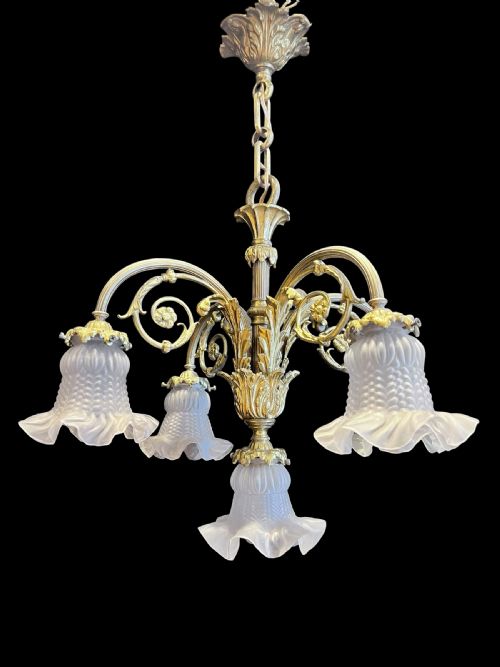
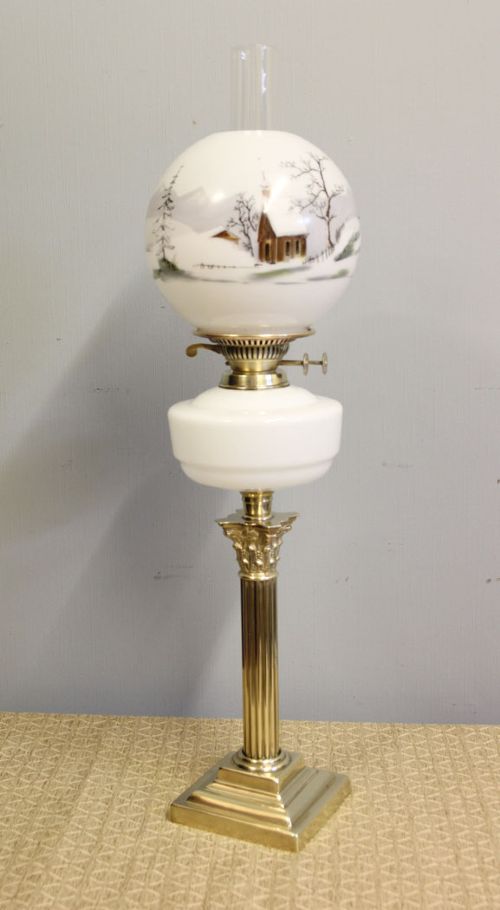
A brass glass shade light encompasses a broad variety of historic lighting forms, from Victorian oil lamps and gasoliers to Edwardian chandeliers and Art Deco pendants. These pieces combine metal frames with shades formed from clear, cut, cranberry, opaline or vaseline glass.
The most common examples encountered on this page date from the Victorian period through to the 1930s, reflecting shifts in interior lighting from oil and gas to electricity. Pendant lights, ceiling fixtures and wall sconces dominate the selection alongside convertible oil lamps.
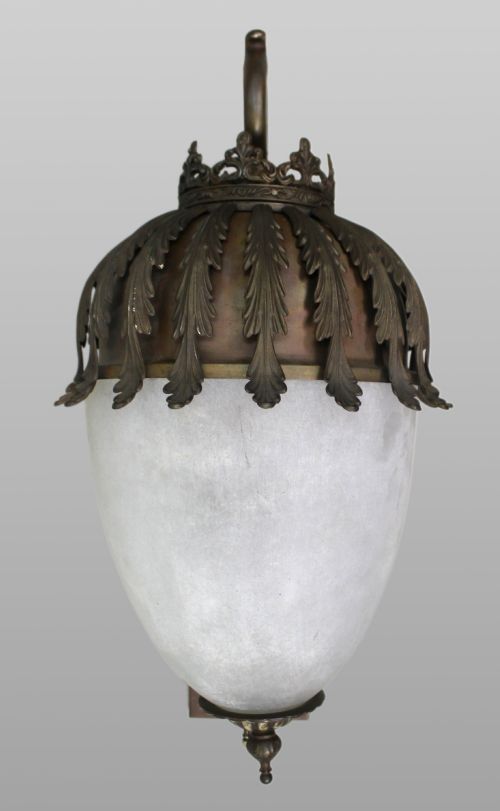
Originating largely from British and French workshops, these fixtures range from utilitarian industrial lanterns to elaborate domestic chandeliers with matched glass components.
Materials and construction
The primary structure relies on cast, spun or stamped brass, often paired with coppered brass or gilt finishes to achieve different tones of metalwork. Frames securely hold the glass components using galleries, claws or screws.
Glass elements are produced through diverse techniques, including hand-blowing, moulding, acid-etching and deep cutting to manipulate light diffusion. Speciality glass varieties such as cranberry, vaseline, moonstone and opaline gain their distinct colours from mineral additives during the melting process.
Listings feature lighting spanning the Victorian era, Edwardian period, 1920s, and 1930s Art Deco styles.
Factors of quality
Quality rests upon the weight and density of the brass casting, the crispness of chased or turned details, and the integrity of the original metal finish. Substantial gauge brass and well-engineered rise-and-fall mechanisms or pivoting joints denote superior workshop standards.
The sophistication of the glass shade heavily influences the overall grade of the piece, with hand-cut facets, uniform thickness, and desirable coloration such as deep cranberry or glowing vaseline commanding greater appreciation. Matching sets of shades and retained original galleries elevate the completeness of surviving examples.
The Brass Glass Shade Light Glossary
- Gallery
- The metal ring or mount fitted with screws that securely holds a glass lampshade in place. Galleries are frequently cast in brass and match the era of the fixture.
- Cranberry glass
- A rich red or pink transparent glass produced by adding gold chloride to the molten batch. It is widely seen in Victorian and Edwardian lighting shades.
- Vaseline glass
- A yellow-green transparent or translucent glass that contains uranium dioxide, causing it to glow under ultraviolet light. It appears frequently in late Victorian and Edwardian pieces.
- Plafonnier
- A ceiling-mounted bowl light that sits close to the surface, popular in early twentieth-century interiors. These shades are typically moulded or cut glass fixed directly to a brass rose.
- Rise and fall
- A mechanical pulley system using a counterweight, allowing a pendant light to be adjusted vertically. This configuration was especially common on Edwardian and interwar oil or electric fittings.
Brass Glass Shade Light: Frequently Asked Questions
How do I date a brass glass shade light?
Dating relies on stylistic markers, manufacturing techniques, and the transition of power sources recorded in the fixtures. Victorian examples often show heavier castings and adaptations from gas or oil, while 1920s and 1930s pieces favour streamlined Art Deco geometries or industrial utility.
Hardware details such as screw threads, wiring channels, and gallery designs also help narrow down the decade of production. Comparing the mountings to documented period catalogues confirms the era.
Can these antique lights be used safely today?
Many surviving fixtures have been adapted or rewired for modern electrical standards while retaining their historic metalwork and glass components. Professional rewiring ensures compatibility with current building regulations.
It is standard practice to check that internal lampholders and flexes meet modern safety requirements before installation. The original brass frames and glass shades easily accommodate updated internal wiring.
What is a gasolier?
A gasolier is a branched hanging light fixture designed specifically for gas lighting during the nineteenth century. These multi-arm fittings often feature decorative brass tubing and specialised key valves.
Military and domestic interiors alike utilised them before widespread electrification. Many surviving gasoliers have subsequently been converted to electricity while preserving their original glass shades and brass gas keys.
How should I clean the glass shades?
Glass shades benefit from gentle hand washing in warm soapy water using a soft cloth to remove dust and grime. Harsh abrasives must be avoided to protect delicate etchings, painted details, or antique surface finishes.
Brass components should be cleaned separately with appropriate non-abrasive metal care to preserve their patination. Ensuring the shade is completely dry before reattaching it to the brass gallery prevents moisture damage.