

Traditional Brass Pendant Light
A traditional brass pendant light suspends metal and glass from ceiling to illuminate interiors with period character.
Traditional Brass Pendant Light
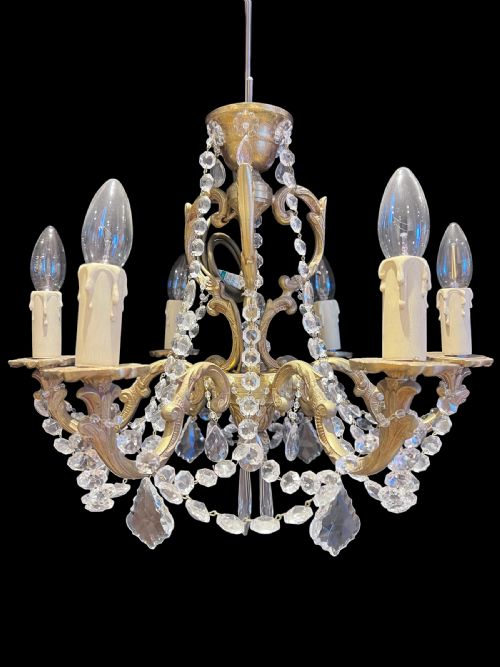
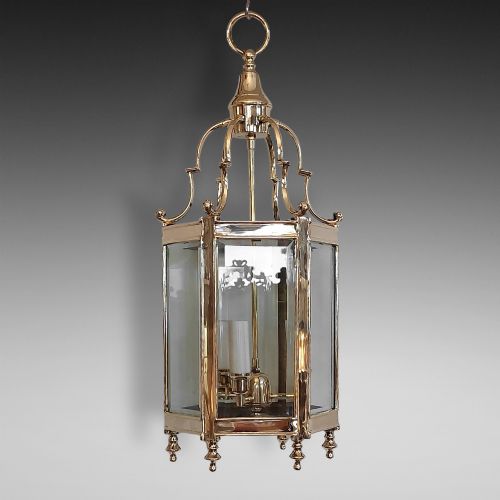
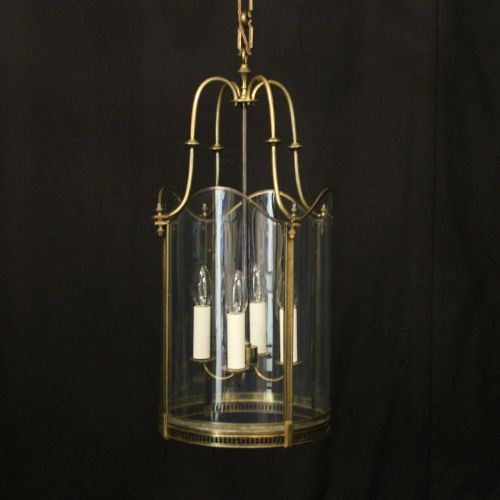
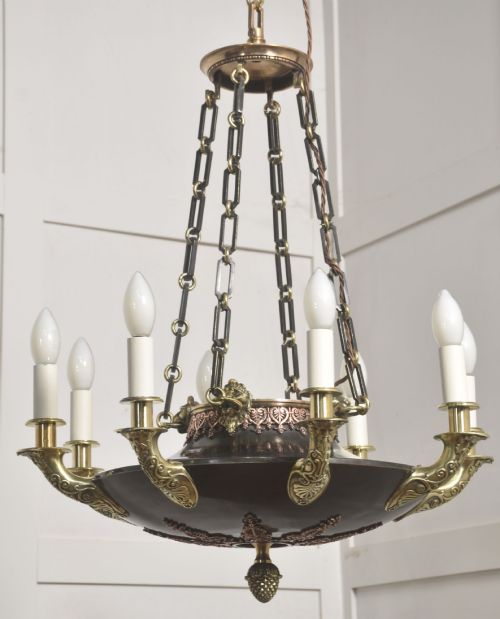
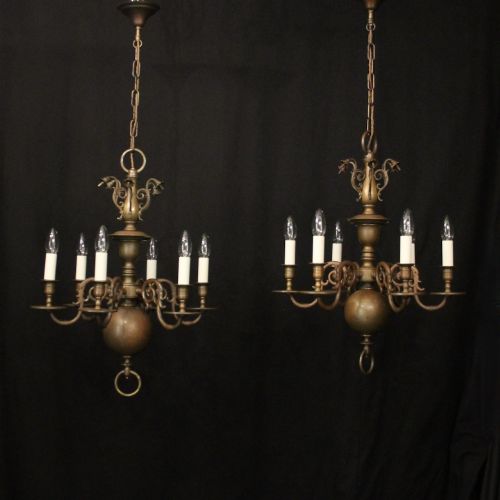
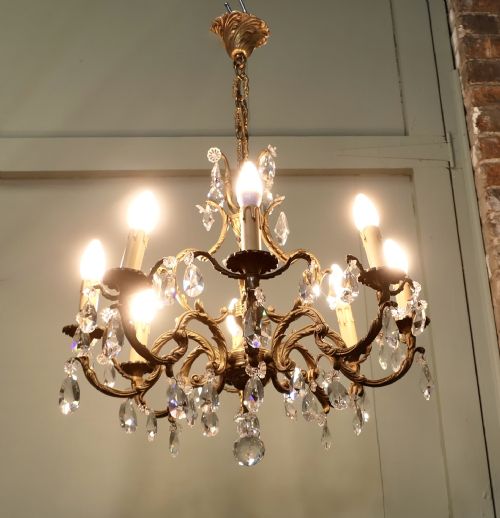
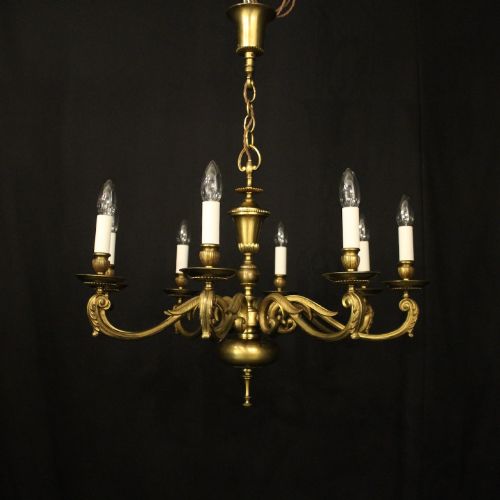
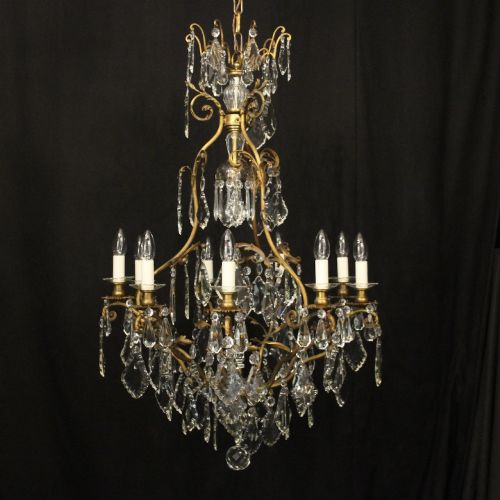
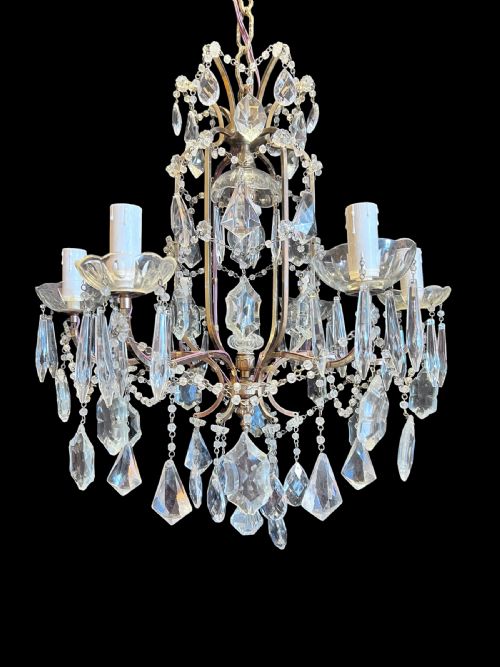
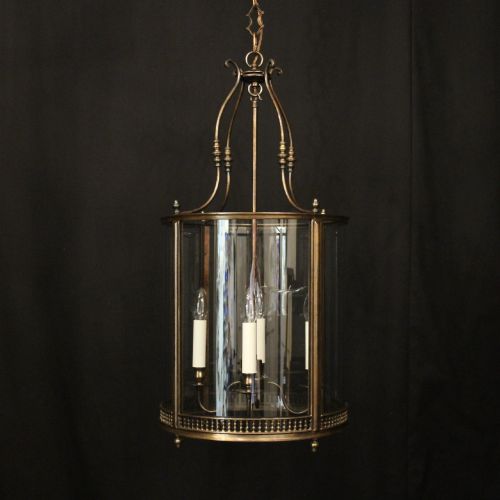
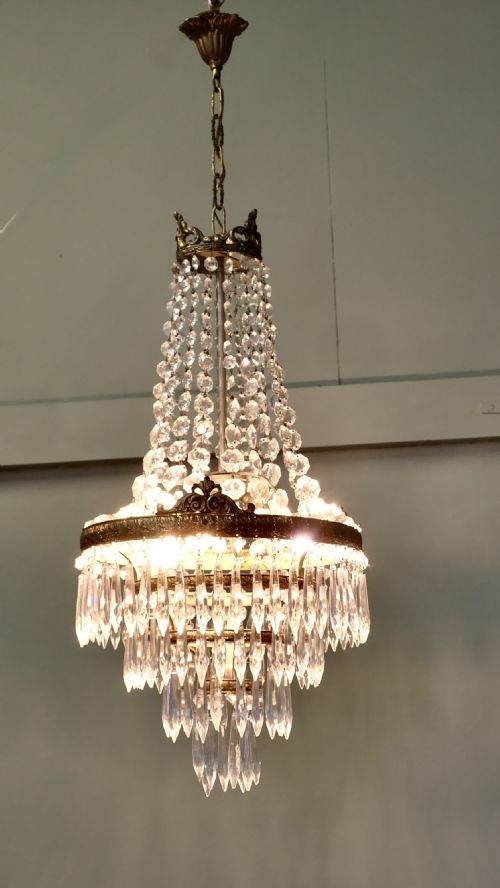
A traditional brass pendant light brings overhead illumination through chandeliers, hall lanterns, and ceiling lights originating from the nineteenth and early twentieth centuries. These fixtures span Edwardian designs and diverse continental styles including French Chateau, French Rococo, and Empire.
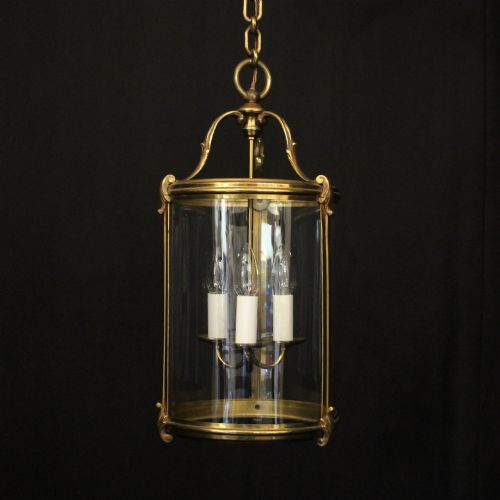
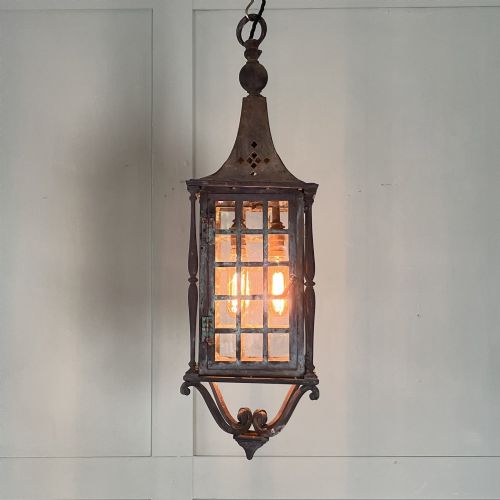
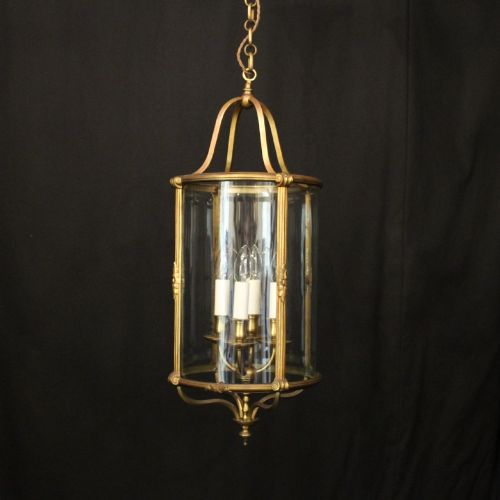
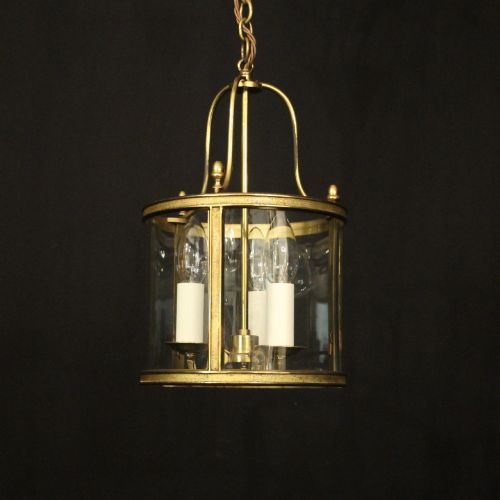
Buyers frequently encounter French and English lanterns alongside multi-branch chandeliers fitted with crystal lustres or cut glass bowls. The selection encompasses hexagonal frames, convex glass panels, and multi-light configurations suspended on chains.
Examples range from compact three-branch fixtures to large twelve-arm installations, reflecting the varied scale of period rooms. Brass and bronze provide the foundational structure for these hanging fittings.
Differences in execution and detail
Quality rests upon the crispness of cast brass ornamentation and the presence of hand-blown or hand-cut crystal elements rather than moulded substitutes. The integration of original glass panels and balanced proportions distinguishes superior examples.
Subtlety in gilding work and the weight of the bronze or brass structure separate standard production from finer decorative pieces. The complexity of the glass cutting and the completeness of crystal lustres dictate the visual impact of the fixture.
Listings feature brass, gilt bronze, and copper paired with crystal, cut glass, and moonstone across Edwardian and nineteenth-century periods.
The Traditional Brass Pendant Light Glossary
- Pendant light
- A hanging lighting fixture suspended from the ceiling by a chain, cord, or rod. These pieces direct illumination downward into a space.
- Hall lantern
- An enclosed hanging light designed specifically for entrance halls and corridors. They often feature glass panels held within a brass or bronze frame.
- Crystal lustre
- A cut glass pendant or drop hung from a chandelier to reflect and refract light. They accumulate to create shimmering visual effects across the fixture.
- Plafonnier
- A ceiling-mounted glass bowl or dome light fixture sitting close to the surface. Edwardian examples often utilise cut glass or moonstone glass.
- Empire style
- A neoclassical design movement drawing on ancient Roman and Greek motifs. Pieces in this style utilise symmetrical arrangements and gilt bronze details.
Traditional Brass Pendant Light: Frequently Asked Questions
How do I hang a heavy brass chandelier?
Suspension requires fixing directly into ceiling joists or installing a dedicated weight-bearing metal hook. Electricians must assess the ceiling structure and ensure the electrical box supports the total weight of the brass and glass components.
Chain length adjustments allow the fixture to sit at the correct height above furniture or walking paths. Professional installation prevents strain on the original wiring and ceiling plaster.
What rooms suit a hall lantern?
Hall lanterns provide focused illumination in entranceways, corridors, and high-ceilinged stairwells. Their enclosed glass designs protect internal bulbs from drafts while casting light across surrounding walls.
Smaller triple-light versions fit compact spaces, whereas large convex models suit grander architectural proportions. The brass and glass materials complement both period and modern interior schemes.
How do I clean an antique crystal chandelier?
Cleaning requires a mild solution of warm water and professional glass cleaner applied with a soft cloth. Technicians remove delicate crystal lustres individually to wash and dry them before reattachment to the brass frame.
Avoiding harsh chemical sprays protects the antique gilt bronze and brass patination. Regular dusting maintains the reflective quality of the glass without risking damage to the wiring.
Are these lights compatible with modern wiring?
Most period fixtures require rewiring to meet contemporary electrical safety standards before installation. Qualified electricians can adapt internal sockets while preserving the external brass and bronze components.
Using low-heat LED bulbs reduces thermal stress on antique glass shades and crystal drops. Rewiring ensures the fixture operates safely on standard domestic circuits.