
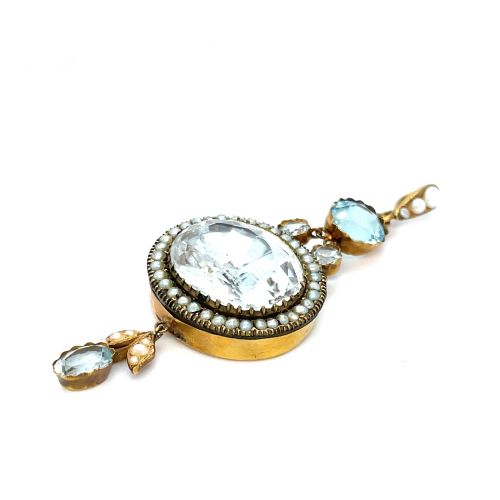

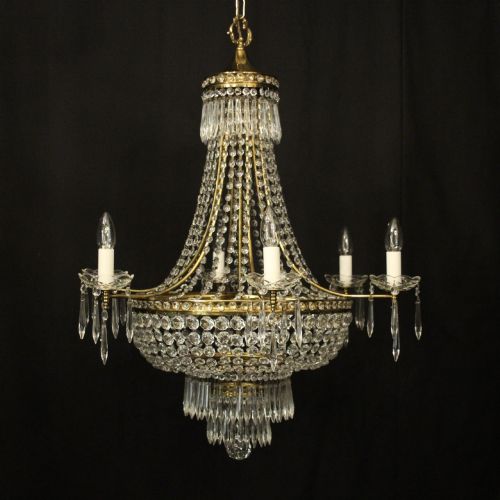
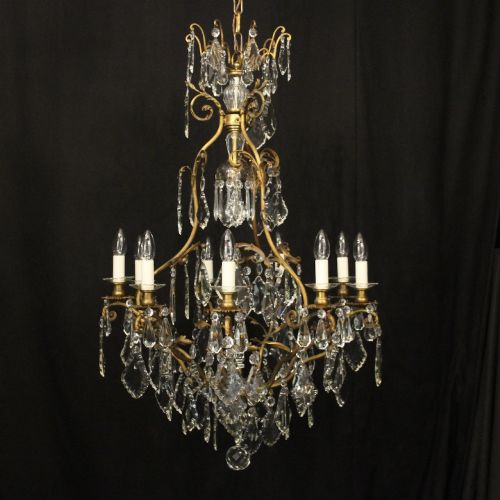
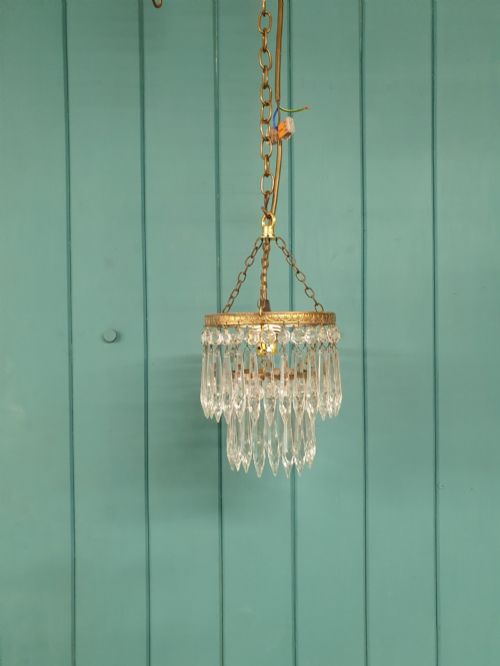
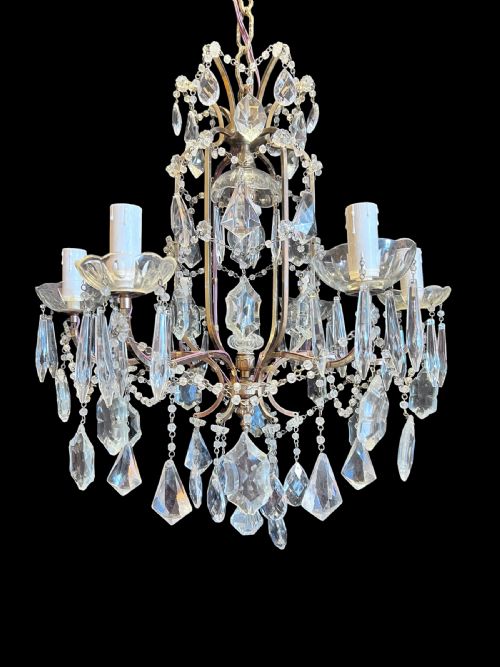
Gold Crystal Pendant
A gold crystal pendant brings together precious metal and brilliant glass to catch the light from any angle.
What a gold crystal pendant is
Victorian examples often feature Etruscan styling with cabochon stones set in fifteen-carat gold, sometimes functioning as both brooches and pendants. Edwardian iterations present rock crystal alongside opals in gold and silver settings. Later designs incorporate gold plated settings with enamel and crystal details.
Materials and construction
These items utilise various grades of gold, including fourteen-carat and fifteen-carat formats, alongside gold plated and gilt metals. Gemstones and transparent elements consist of rock crystal, cut crystal, glass, amethysts, and opals. Metalwork incorporates detailed wirework and secure bezel settings tailored to the stones.
Retail Price Guide 2026
Typical UK retail prices for gold crystal pendant, calculated from the Sellingantiques database of over a million retail prices indexed since 2003. This retail price guide relies exclusively on Sellingantiques data; no external sources or auction records are used, so the figures do not describe the wider market.
Listings feature gold purities ranging from fourteen-carat to fifteen-carat, alongside gold plated base metals.
Assessing quality
Quality rests in the precision of the goldwork and the clarity of the crystal components. Finer pieces demonstrate careful hand fabrication, well-matched gemstone pairings, and secure stone settings that hold each crystal firmly without excess adhesive.
The distinction between standard commercial output and superior examples lies in the depth of the metal ornamentation and the purity of the gold alloys used. Period authenticity and original fitted boxes further elevate the standing of surviving pieces.
The Gold Crystal Pendant Glossary
- Cabochon
- A gemstone shaped and polished with a smooth, rounded surface rather than faceted edges. This style highlights the natural clarity of rock crystal.
- Etruscan style
- A nineteenth-century revival aesthetic featuring fine gold granulation and wirework inspired by ancient archaeological finds. Pieces in this style utilise high-carat gold.
- Rock crystal
- Naturally occurring colourless quartz cut and polished for use in jewellery. It provides durability and high transparency.
- Drop earrings
- Earrings featuring a stationary post or hook with a suspended component that hangs below the earlobe. They frequently incorporate crystal drops and gold settings.
Frequently Asked Questions
How do I date a gold crystal pendant?
Dating depends on the metal purity marks, the style of the setting, and the cutting technique of the crystal. Victorian and Edwardian examples typically display distinct stylistic traits such as Etruscan wirework or millegrain edges.
Examining the clasp mechanisms, the type of gold alloy used, and any accompanying original presentation boxes provides further confirmation of the period of manufacture.
Are these pendants suitable for daily wear?
Rock crystal and gold are durable materials suitable for regular use when handled with care. However, antique pieces with delicate filigree or high-carat gold benefit from mindful treatment.
Removing jewellery before swimming, sleeping, or engaging in physical labour preserves the integrity of the gold settings and prevents damage to the crystal elements.
Can a brooch be worn as a pendant?
Many Victorian and Edwardian pieces were manufactured with dual-purpose fittings, incorporating both a pin and a hidden loop. This allows the item to function interchangeably as a brooch or a necklace pendant.
Inspecting the reverse side reveals the hinged pin, safety catch, and suspension loop necessary for versatile styling.
What is the difference between glass and rock crystal?
Rock crystal is a natural mineral quartz, whereas glass is a manufactured material composed of melted silica. Rock crystal feels colder to the touch and possesses a higher hardness rating.
Jewellery descriptions specify whether an element is cut crystal, glass, or rock crystal based on gemological testing and material analysis.