



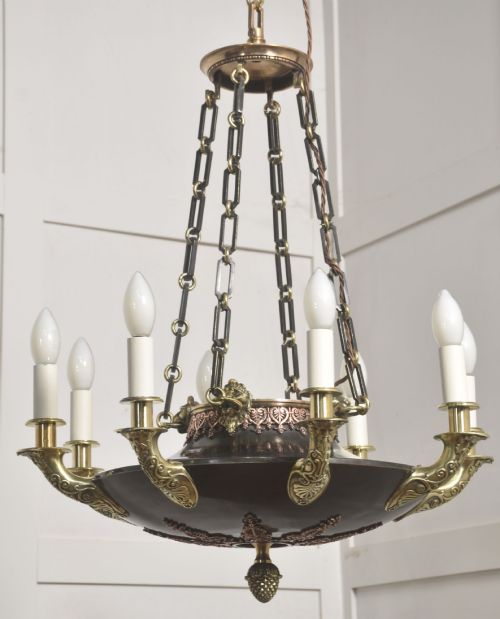
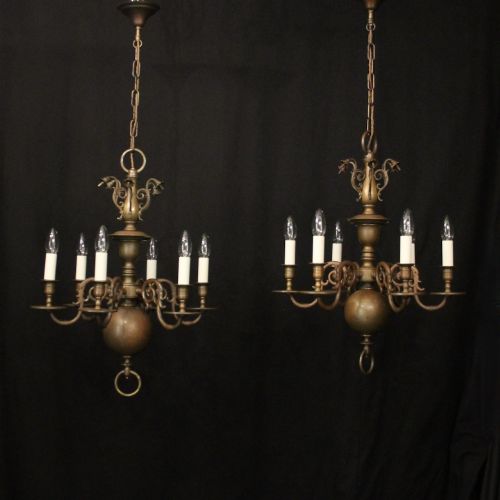
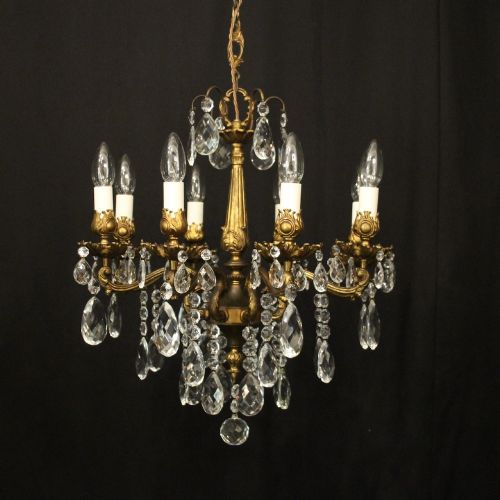
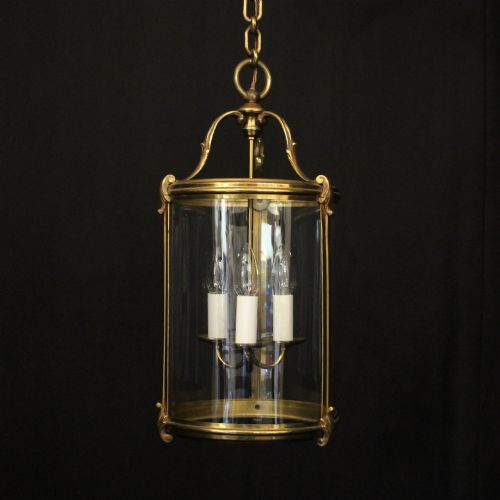
Brass Ceiling Pendant Fitting
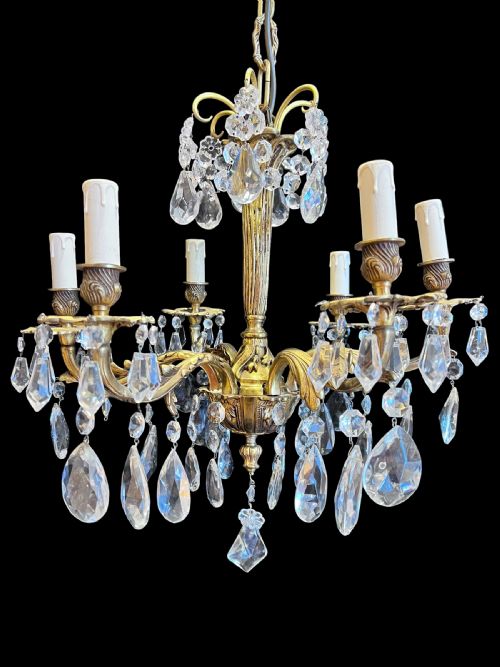
These brass ceiling pendant fitting pieces bring period illumination to a room, combining substantial metalwork with glass or crystal drops.
Brass Ceiling Pendant Fitting
When you search for a brass ceiling pendant fitting, you are looking at overhead lighting fixtures designed to suspend from a room's ceiling. The selection centres heavily on French designs from the late nineteenth and early twentieth centuries, alongside English, Italian, and Dutch pieces.
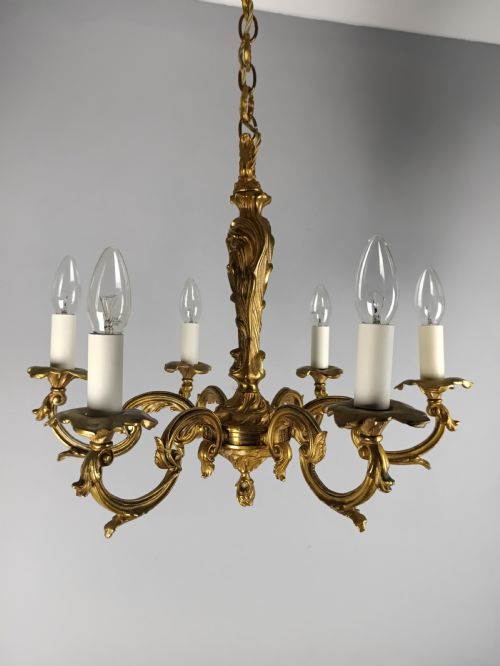
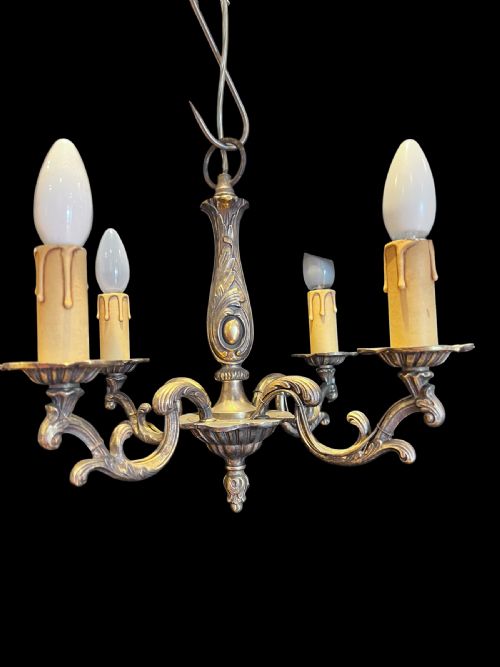
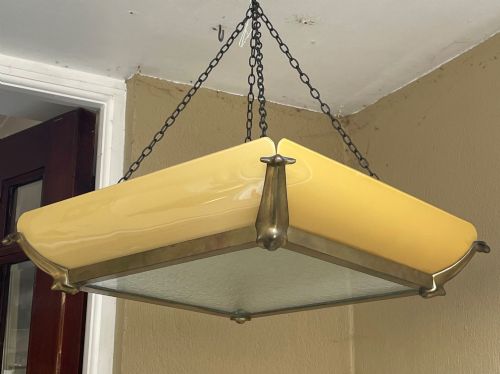
The inventory on this page consists predominantly of chandeliers, ceiling lights, pendant lights, and hall lanterns dating from the nineteenth century up to the 1940s. French gilded bronze and crystal examples appear frequently alongside industrial pendant lights and Arts and Crafts fixtures.
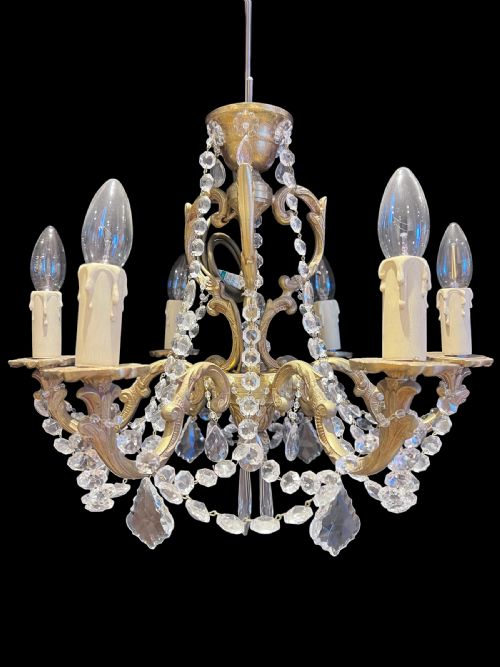
Buyers encounter everything from multi-light tent and waterfall chandeliers adorned with cut glass to single-light convex hall lanterns and utilitarian industrial styles. The assortment spans periods including the Edwardian era, Art Deco, and various revival styles.
How they were made
The construction relies fundamentally on cast and worked brass, bronze, and copper, often enriched with gilding or patination. Metal armatures support multiple branches or single bulbs, while distinct variations utilise copper and tôleware.
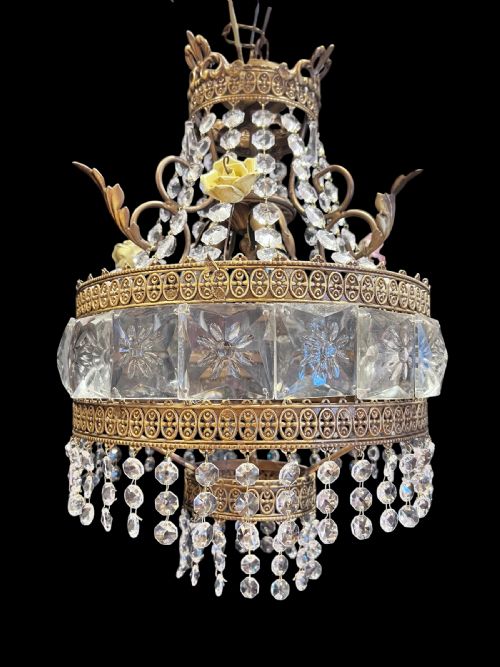
Transparency and refraction enter the design through glass, cut glass, and crystal elements. These include cascading prisms, coffin prisms, and porcelain flowers that catch and scatter the light across a interior space.
Listings feature pieces spanning from the 19th century through to the 1940s, utilising brass, bronze, crystal, and glass.
What varies in quality
The distinction between tiers rests upon the crispness of the casting in the brass or bronze work and the depth of the gilding. Heavier metal gauge and intricate hand-chasing separate standard production from superior pieces.
Quality also manifests in the purity and cutting of the glass and crystal components. Full sets of matching prisms and integrated decorative details, such as porcelain floral accents or cast lyre motifs, elevate the piece.
The Brass Ceiling Pendant Fitting Glossary
- Chandelier
- A branched hanging light fixture designed to hold multiple lamps or candles. These units suspend from ceilings using chains or rods.
- Pendant Light
- A single light fixture that hangs suspended from the ceiling by a cord, chain, or metal rod. They concentrate illumination downwards into a specific area of a room.
- Tent and Waterfall Chandelier
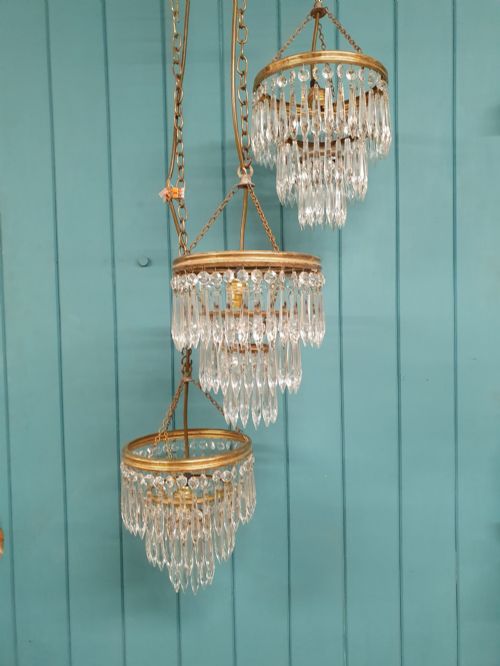
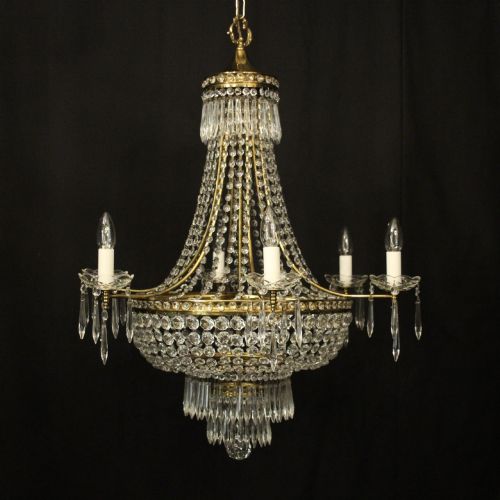
- A style featuring an upper conical section of beads resembling a tent cascading down into a wider lower tier of crystal drops. This arrangement creates a curtain of reflective glass.
- Coffin Prisms
- Elongated, flat-sided glass pendants shaped like coffins, utilised in historical lighting to refract light. They hang from the arms or rim of a chandelier.
- Holophane Lighting
- Pressed prismatic glass shades designed to direct and diffuse light efficiently while reducing glare. These industrial pendants appeared widely during the early twentieth century.
Brass Ceiling Pendant Fitting: Frequently Asked Questions
How do I hang a heavy chandelier safely?
Suspension requires fixing directly into the ceiling joists using a rated ceiling hook and appropriate fixings. The weight of the metal and crystal must be supported by structural timber rather than plaster alone.
Professional electrical installation ensures the wiring can handle the load and integrates an earth connection for safety where metal fittings are involved.
What rooms suit a brass pendant fitting?
Hallways and entryways benefit greatly from compact hall lanterns or single-light pendants that provide welcoming illumination without obstructing movement. Larger multi-arm chandeliers find their natural home above dining tables or in living rooms with high ceilings.
Industrial pendant variations work well in kitchens or modern workspaces, offering targeted downward light while adding historical character.
How do I clean crystal drops on a chandelier?
Cleaning involves spraying the glass with a dedicated chandelier cleaner while placing a towel underneath to catch drips. Alternatively, remove each crystal element by hand and wash them in warm soapy water before drying with a lint-free cloth.
Harsh chemical abrasives should be avoided to protect the underlying metal finish and any antique gilding on the frame.
How do I identify an Edwardian brass fitting?
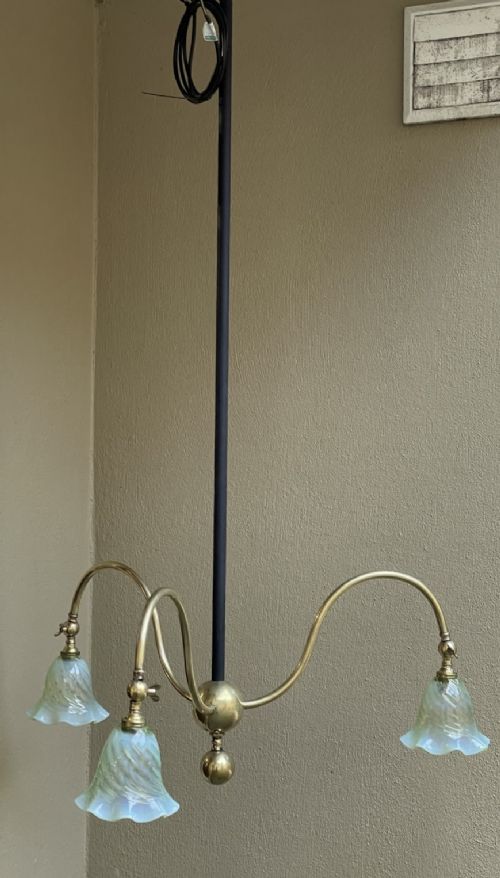
Edwardian pieces often feature lighter cast brass structures compared to heavier Victorian predecessors, alongside cleaner lines reflecting early twentieth-century tastes. They frequently incorporate cut glass prisms or simple frosted shades that emerged during this period.
Design motifs from this era balance classical revival influences with the emerging simplicity of the Arts and Crafts movement.