


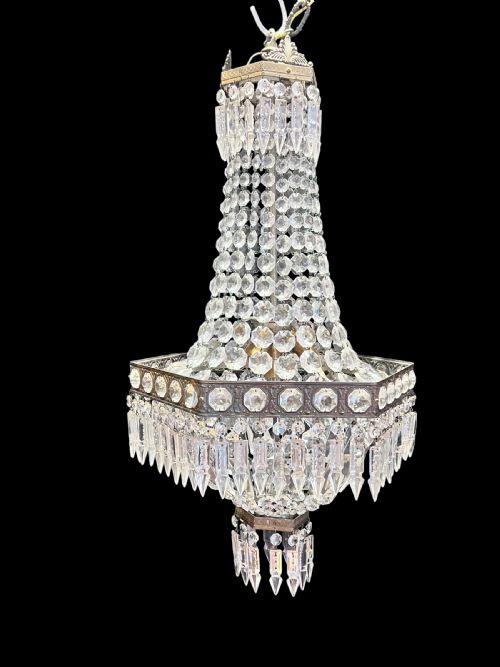
Brass Glass Pendant Light
A brass glass pendant light brings direct illumination and period character to hallways and living spaces.
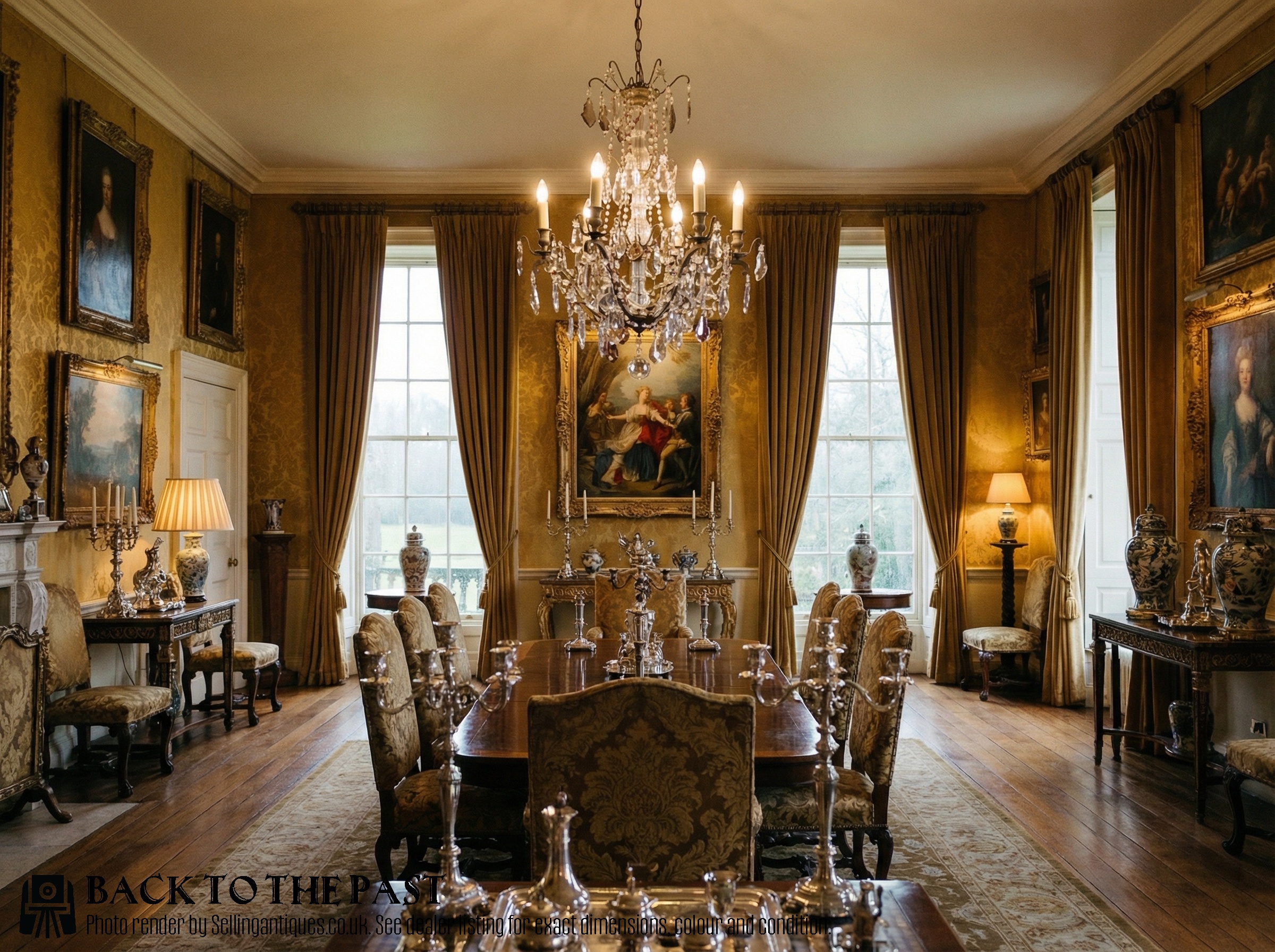
Brass Glass Pendant Light
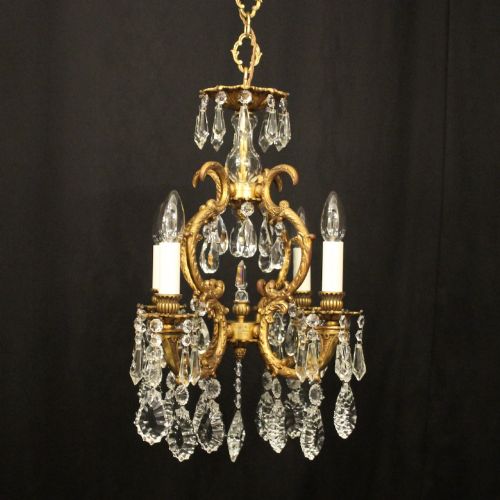
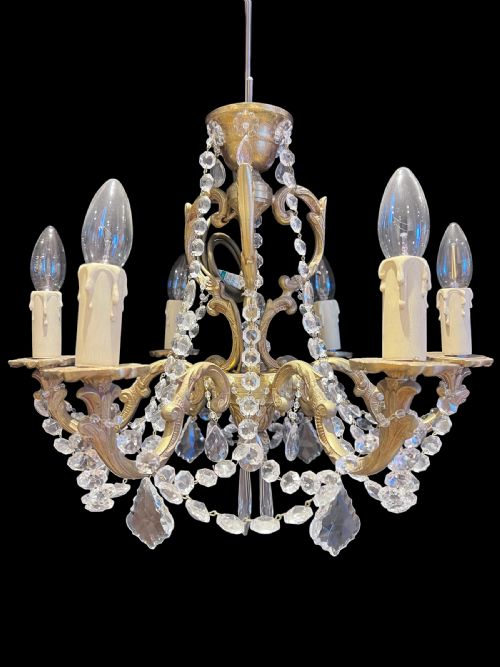
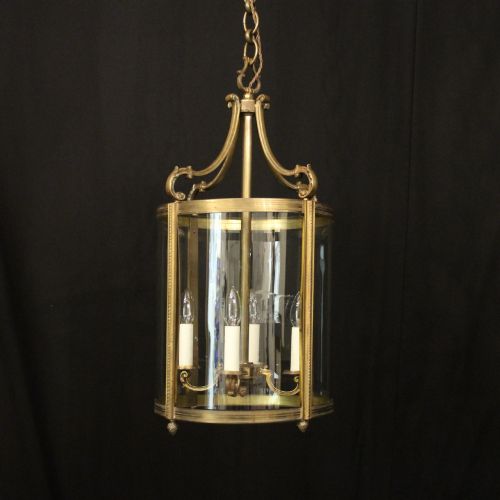
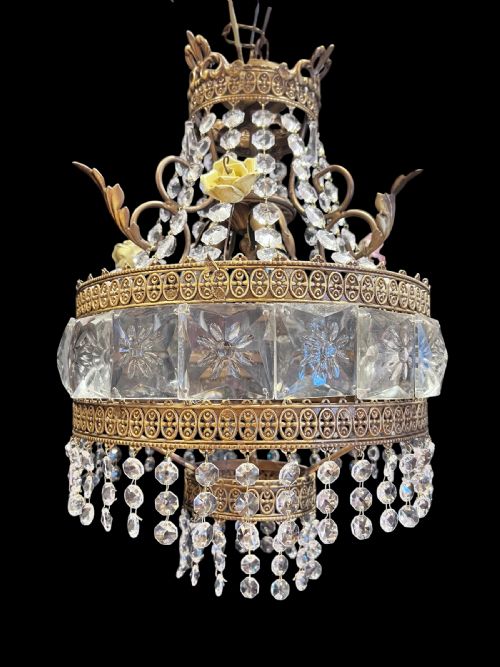
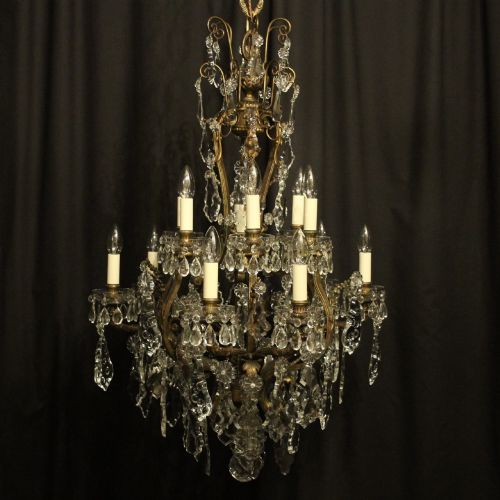
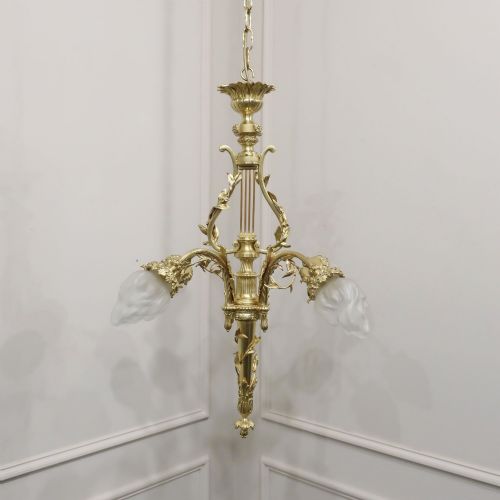
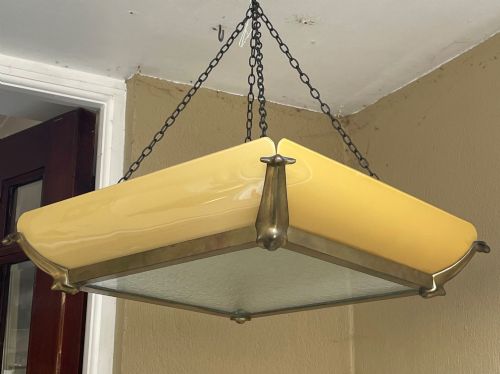
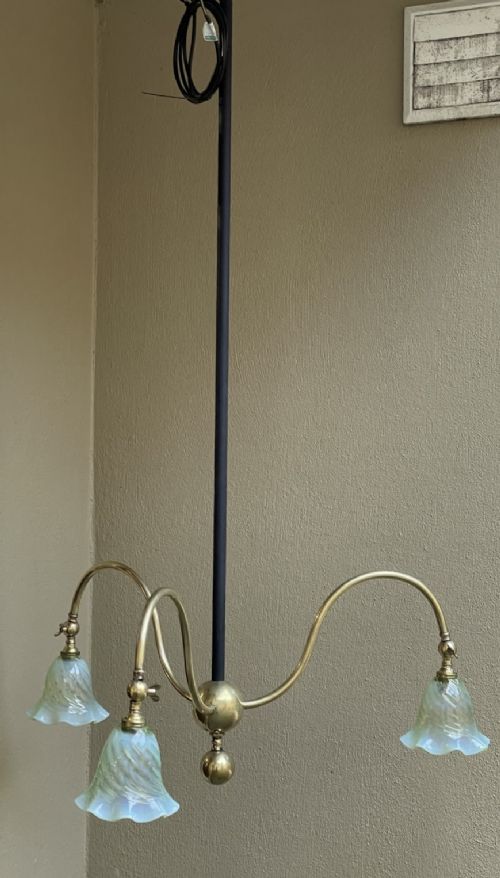
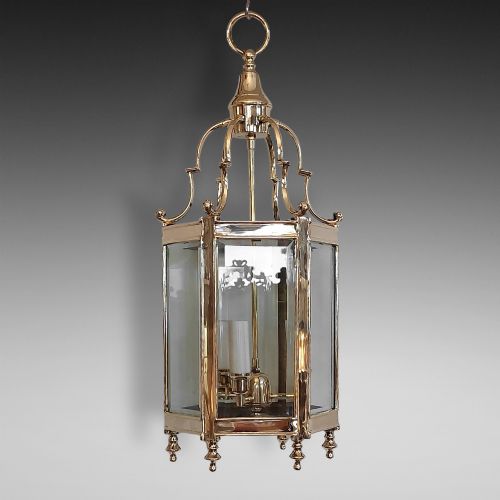
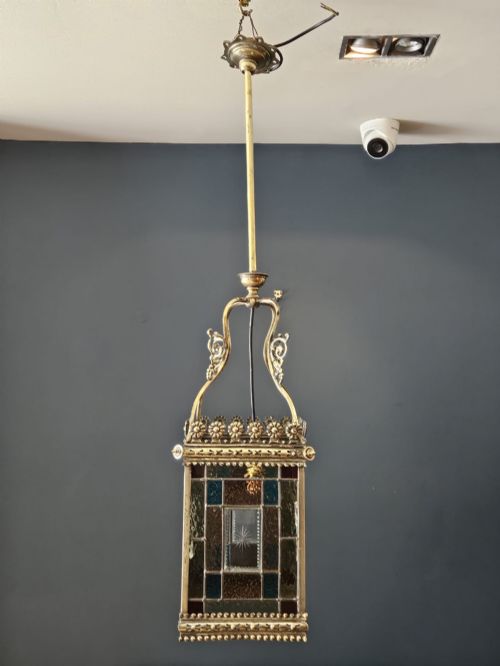
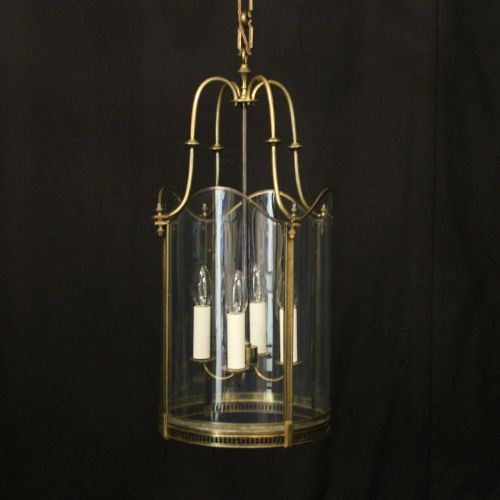
A brass glass pendant light encompasses a wide variety of hanging ceiling fixtures, from simple single-bulb pendants with opalescent shades to elaborate multi-light chandeliers and enclosed hall lanterns. The selection ranges across the Victorian, Edwardian, and Art Deco periods, drawing heavily on French chateau, neoclassical, and Arts & Crafts design traditions.
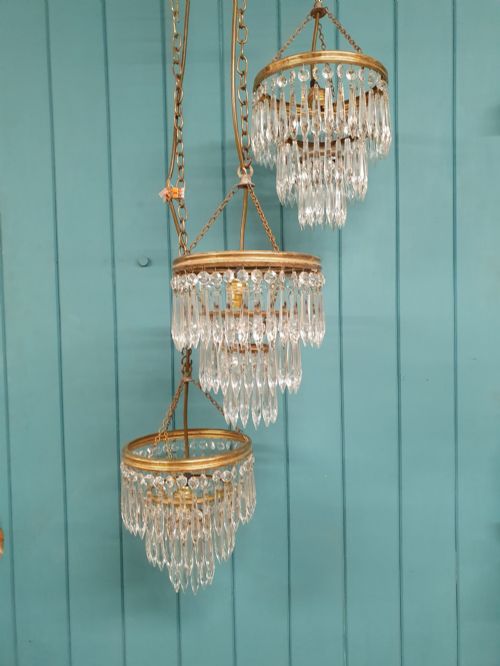
Most pieces encountered on this page combine a metal framework of brass, gilt bronze, or coppered brass with glass elements such as cut crystal, moulded glass globes, or leaded panels. Formats vary from hexagonal and convex hall lanterns to basket chandeliers and tent-and-waterfall crystal arrangements.
Origin points span domestic English workshops as well as continental European makers, predominantly French. The functional vocabulary covers ceiling lights, pendant lights, plafonniers, and gasoliers adapted for electrical current.
How they were made
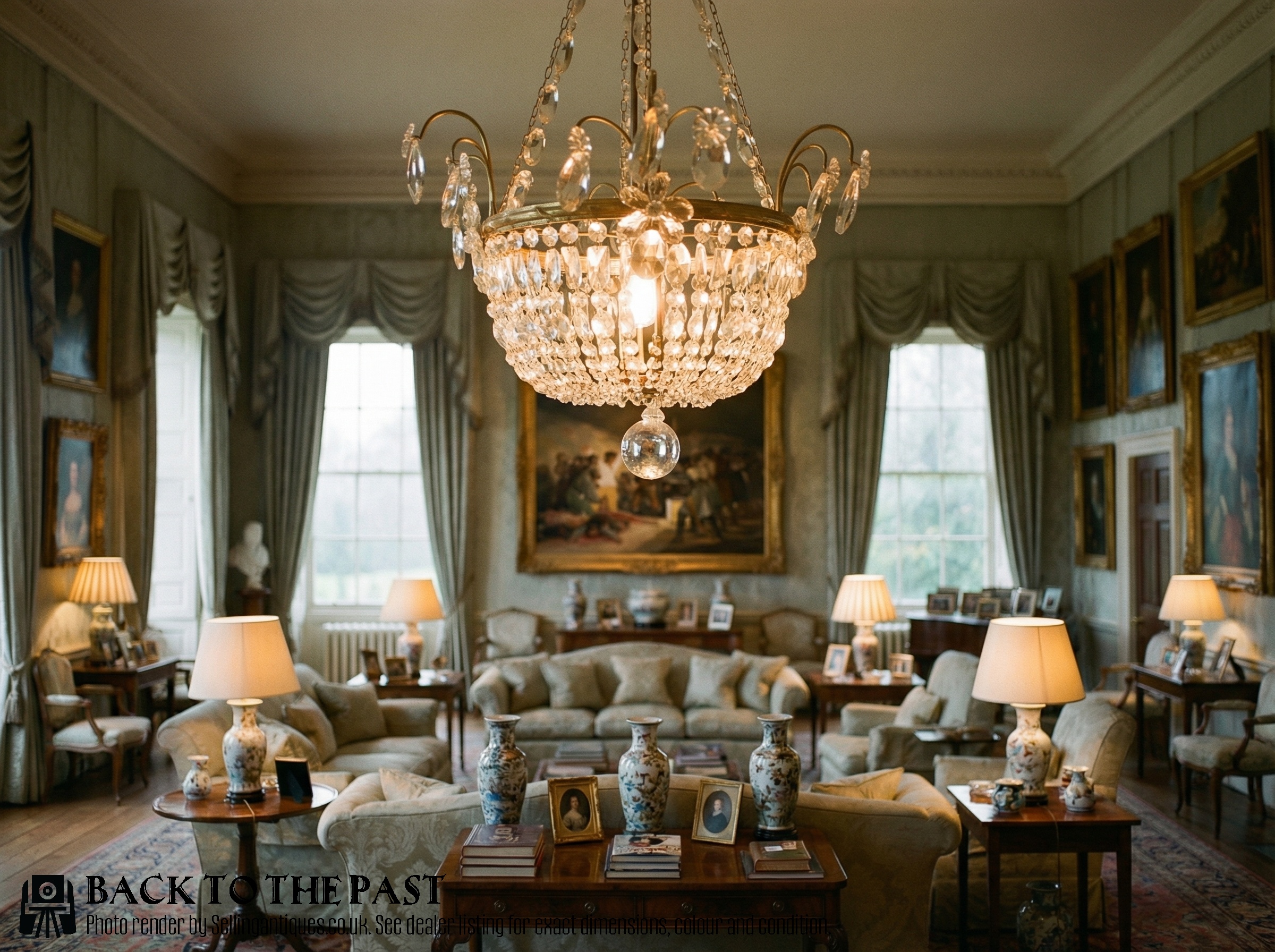
Construction relies on cast or spun brass paired with blown, moulded, cut, or leaded glass components. Metal galleries secure the glass shades, while frames incorporate pierced brass, gilded bronze, or patinated copper.
Decorative elements involve intricate hand-cutting on crystal lustres, etched designs on glass shades, and structural soldering on lead glass lantern panels. Many pieces integrate specialised fittings such as galleries with registration numbers or original hanging chains and ceiling plates.
Brass Glass Pendant Light Retail Price Guide 2026
Typical asking prices for brass glass pendant light among the pieces listed under this phrase on Sellingantiques today, from the lower quarter to the upper quarter. They describe what is for sale here now, not the wider market.
Listings feature brass and glass lighting spanning the Victorian, Edwardian, Art Deco, and 1920s periods.
What varies in quality
Distinctions in standard rest upon the weight and purity of the metalwork, alongside the depth of hand-cutting found in the crystal or glass elements. Cast bronze and heavy chased brass reflect higher craftsmanship than lighter stamped alternatives.
The integrity of the design integration separates ordinary examples from superior ones, visible in the harmony between the brass gallery and its matching shade. Original components, such as matching crystal lustres and untouched patination, elevate the standing of a piece.
The Brass Glass Pendant Light Glossary
- Gallery
- The metal ring or collar that grips a glass lampshade. It forms the structural connection between the suspension cord and the glass.
- Plafonnier
- A ceiling light that mounts directly or sits very close to the ceiling surface rather than hanging on a long drop chain.
- Lustre
- A cut glass pendant drop or prismatic hanging ornament used on chandeliers to refract light. They are typically wired onto the brass frame with small metal pins.
- Slip shade
- A type of glass shade used in Art Deco lighting that slots into a metal frame rather than screwing into a gallery.
- Gasolier
- A light fixture originally designed for gas lighting that has been converted to electricity. These often feature heavy brass arms and period-specific key valves.
Brass Glass Pendant Light: Frequently Asked Questions
How do I hang a heavy brass lantern?
Heavier fixtures require anchoring directly into ceiling joists using a suitable steel hook or mounting bracket rather than relying on plasterboard alone.
Professional installation ensures the wiring and the weight distribution safely support antique brass and glass assemblies.
Are these lights compatible with modern bulbs?
Most antique fixtures accept standard modern screw or bayonet bulbs, provided the dimensions fit within the glass shade or globe.
LED alternatives work well because they generate lower heat, protecting older glass and historical wiring components.
How do I clean cut glass shades?
Remove glass components from the brass frame whenever possible to wash them gently in warm soapy water.
Avoid submerging antique metal parts or using harsh chemical polishes that can strip original gilding or patination.
How do I distinguish Edwardian from Victorian styles?
Victorian pieces often display heavier gothic or ornate influences, utilising rich brass castings and coloured or opalescent glass.
Edwardian designs tend to favour lighter neoclassical proportions, clearer cut glass, and refined brass galleries.