


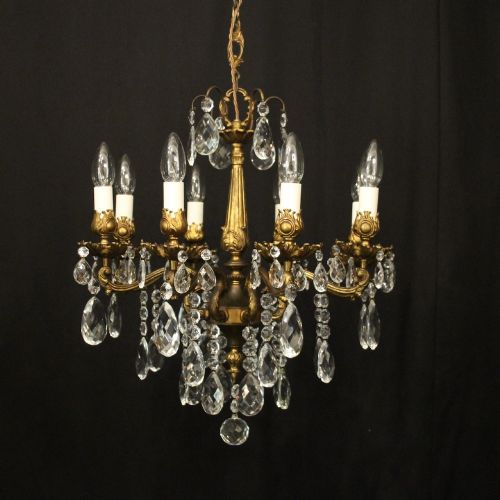
Vintage Glass Pendant Light
These vintage glass pendant light fixtures bring direct illumination and period character to a room, spanning Edwardian and mid-century designs.
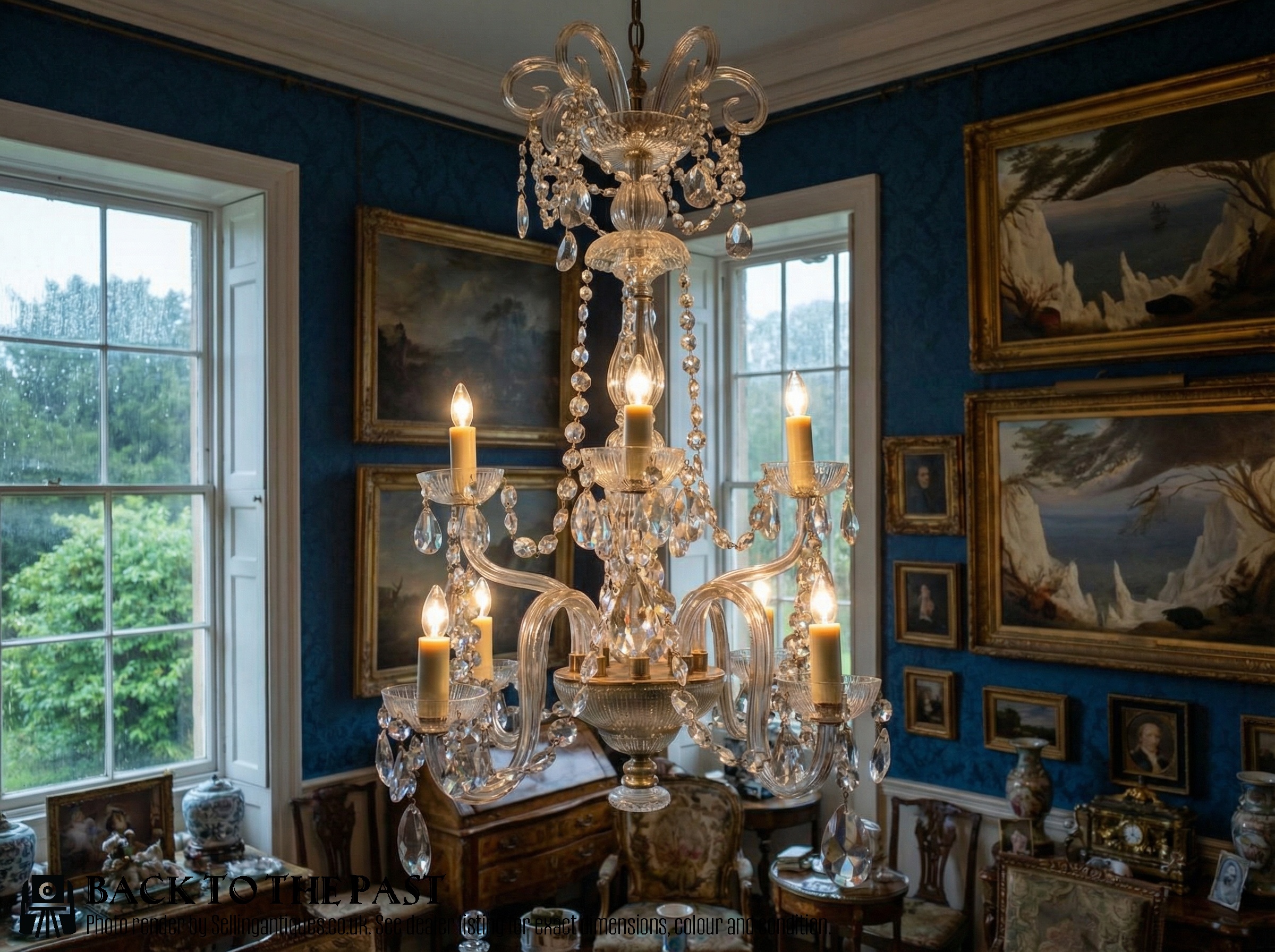
What vintage glass pendant light pieces are
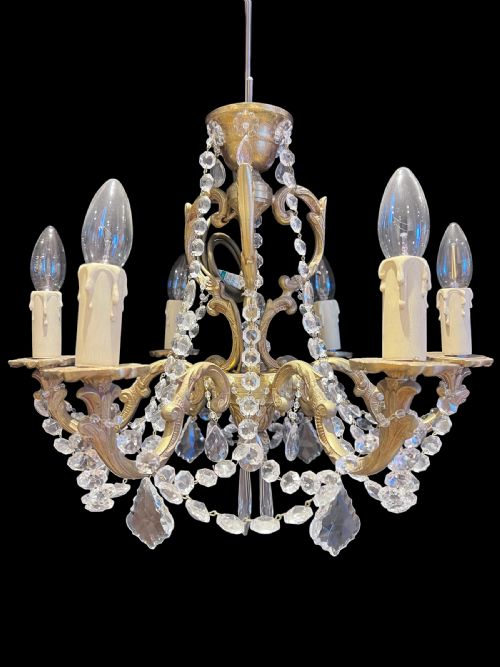
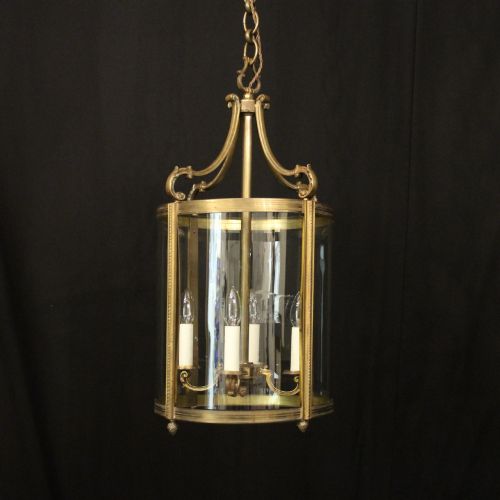
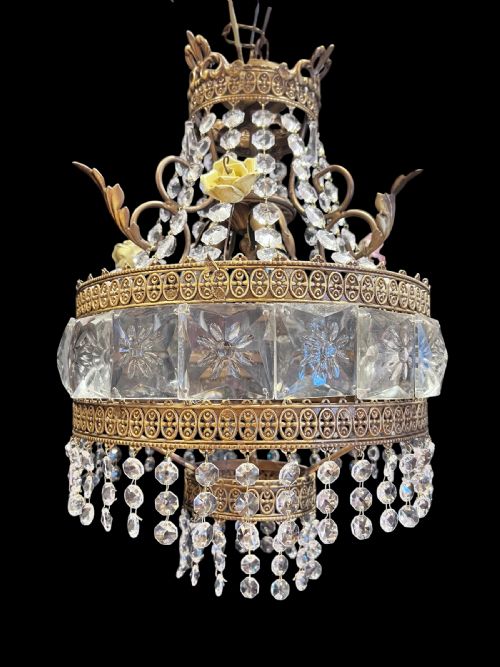
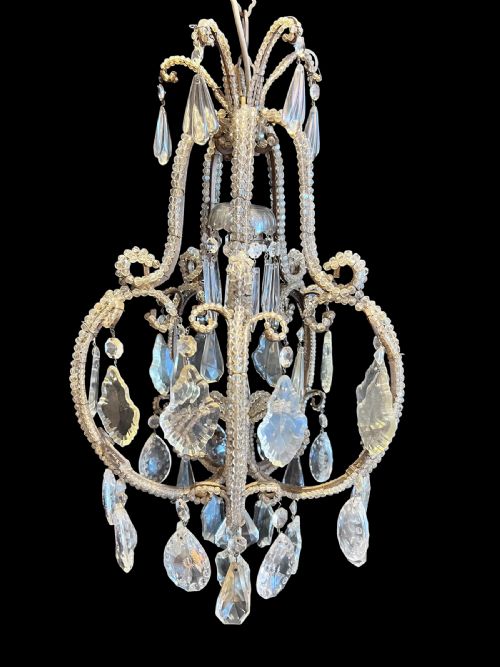
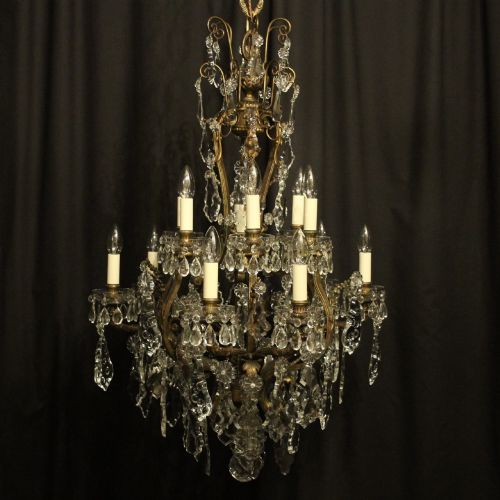
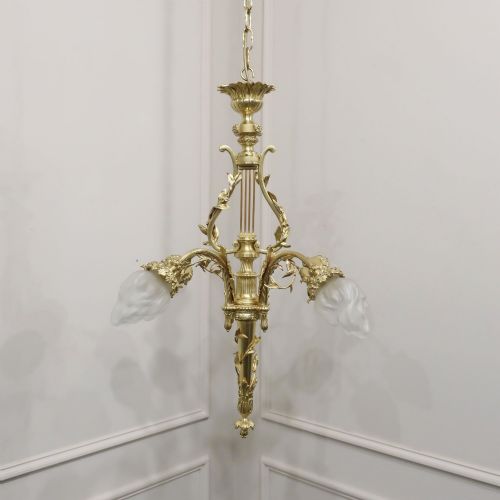
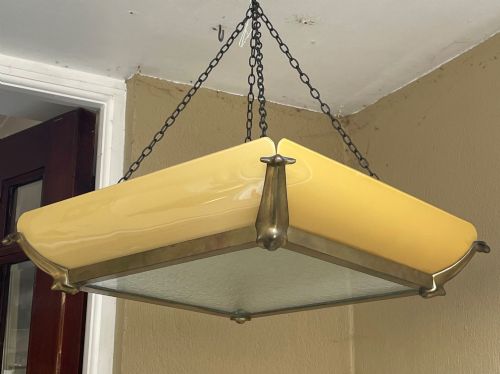
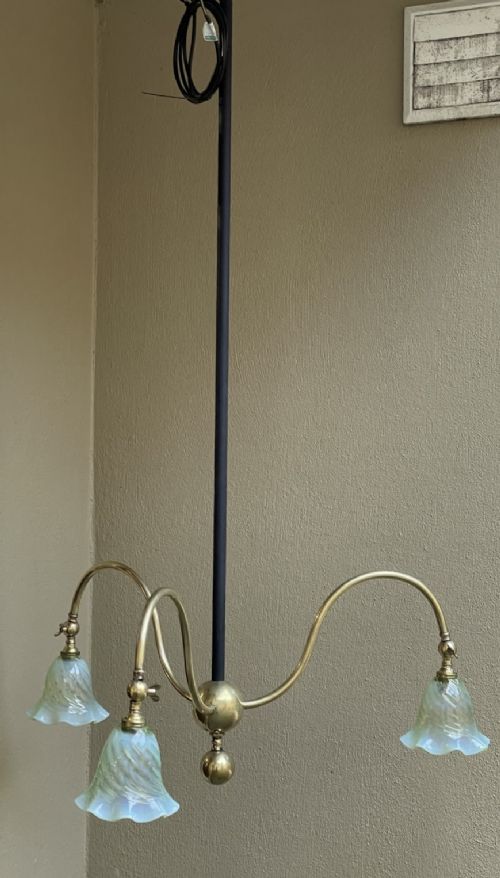
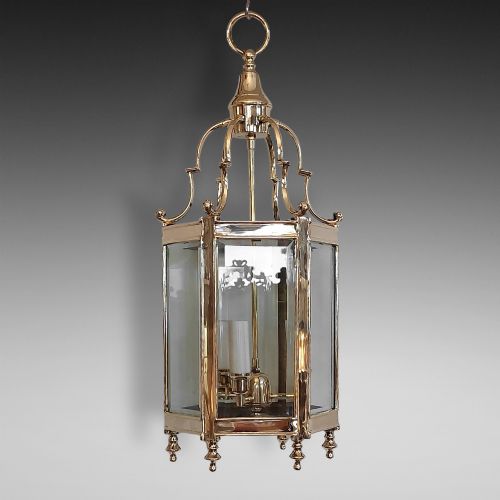
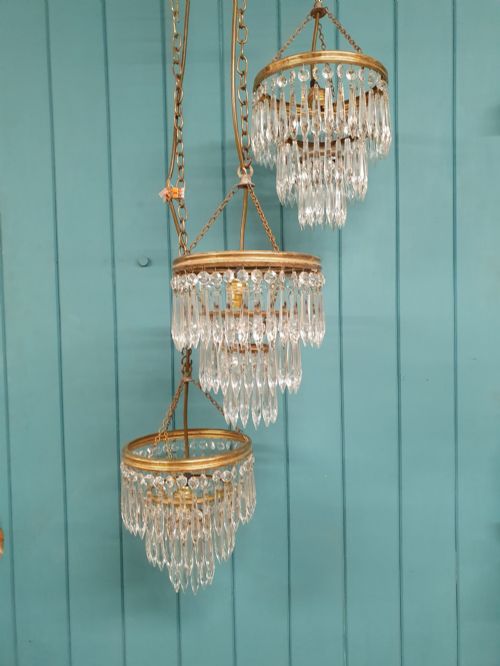
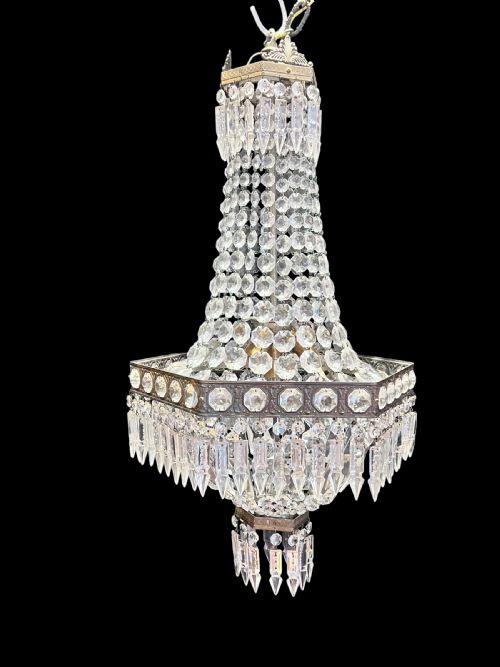
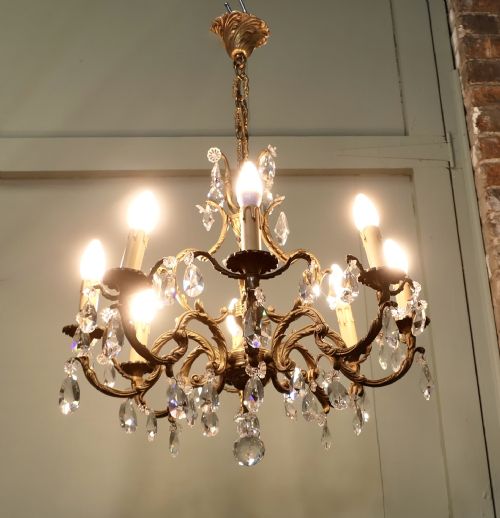
When you search for a vintage glass pendant light, you are looking at suspended illumination fixtures that combine glass shades with fitted metal hardware. The selection includes examples from the Edwardian period as well as the 1930 and 1940 decades, drawing on industrial, French chateau and Edwardian styles.
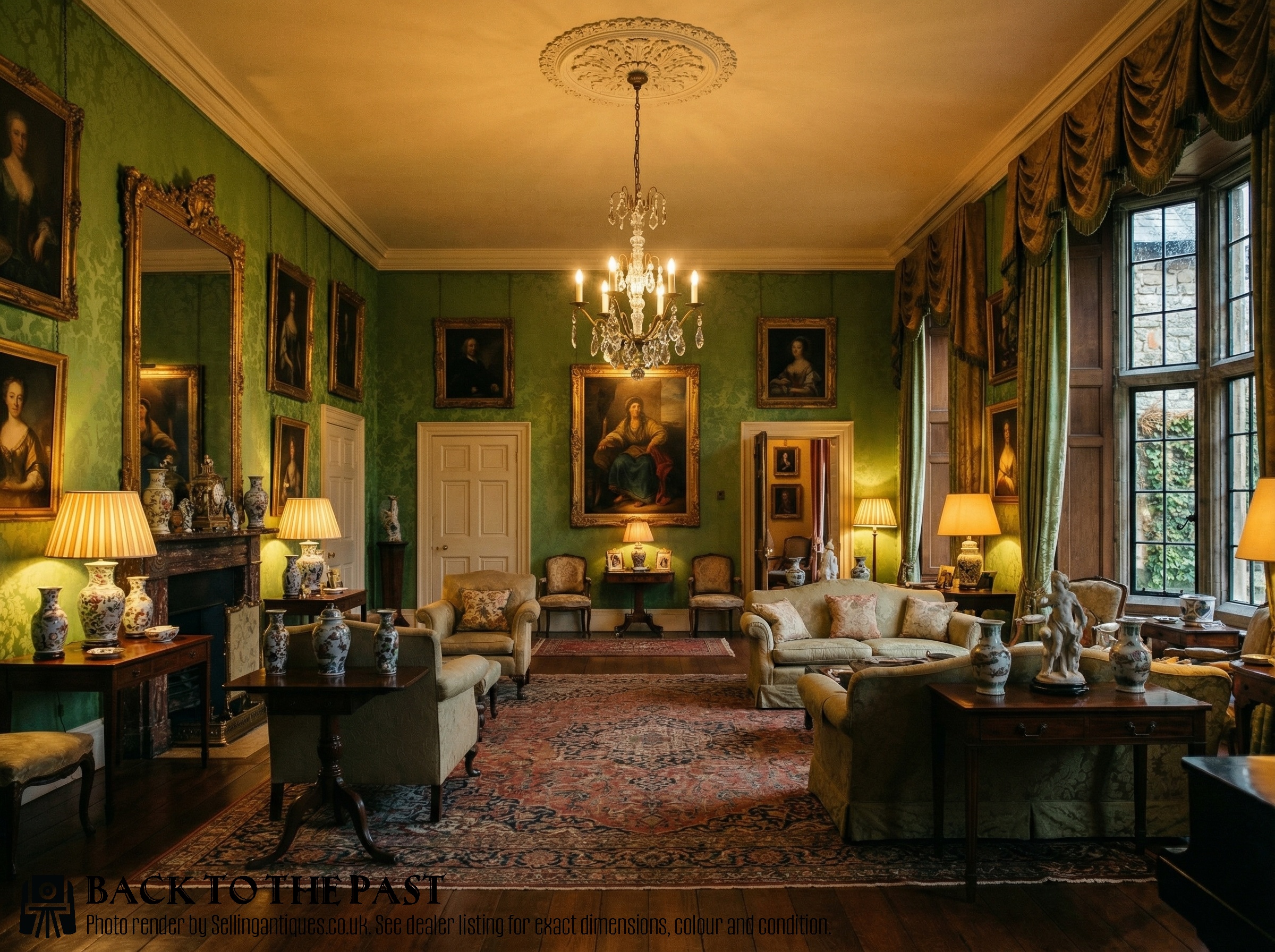
How they were made
Makers shaped glass through moulding and cutting techniques to diffuse light effectively through crystal and opaque panes. Metal elements in brass, wrought iron and gilded brass were cast or forged to construct the supportive frames, chains and ceiling fixtures.
Assembly methods involved securing glass panels into metal armatures or suspending individual glass shades from central fittings. The combination of heavy glass components and sturdy metal framework ensured structural stability for suspended installation.
Retail Price Guide 2026
Typical UK retail prices for vintage glass pendant light, calculated from the Sellingantiques database of over a million retail prices indexed since 2003. This retail price guide relies exclusively on Sellingantiques data; no external sources or auction records are used, so the figures do not describe the wider market.
Listings incorporate materials such as brass, crystal, cut glass, opaque glass and wrought iron across Edwardian and 1940 periods.
What varies in quality
Quality differences lie in the clarity and depth of the glasswork, where precise cutting and heavier material weight distinguish finer examples from standard production. The refinement of the metalwork, particularly the casting detail on brass and gilded brass frames, further separates superior pieces.
The integrity of the construction, from the robustness of the wrought iron or brass mounts to the preservation of the original glass elements, dictates the overall standard of each fixture.
The Vintage Glass Pendant Light Glossary
- Pendant light
- A single light fixture suspended from the ceiling by a cord, chain or metal rod. These pieces hang downward to illuminate specific areas of a room.
- Cut glass
- Glass decorated by cutting facets or patterns into its surface using a wheel. This technique enhances light refraction through the material.
- Opaque glass
- A non-translucent glass type that diffuses light softly rather than allowing a clear view through the shade. It appears in vintage rise and fall configurations.
- Gilded brass
- Brass treated with a thin layer of gold leaf or gilt finish. This provides a decorative metallic surface on chandelier and pendant frames.
- Rise and fall
- A mechanical pulley system allowing the pendant light to be adjusted vertically. This mechanism offers flexible height placement for the illumination source.
Frequently Asked Questions
How do I hang a vintage glass pendant light?
Suspension typically requires securing the ceiling rose to a joist and connecting the internal wiring to the main electrical supply. Professional installation is recommended due to the weight of glass and metal components.
Ensure the hanging chain or cord is adjusted to the desired drop height before final electrical connections are secured.
What periods do these pendant lights come from?
The pieces span the Edwardian era through to the 1930 and 1940 decades. Each period brings distinct stylistic traits, from early Edwardian cut glass to later industrial and French chateau forms.
Materials and construction methods correspond directly to these manufacturing dates.
How do I clean vintage glass shades?
Remove the glass components from the metal frame if possible and wash them gently in warm soapy water. Avoid harsh abrasives that might scratch cut glass or damage gilded brass finishes.
Dry the glass thoroughly with a soft cloth before reassembling the fixture.
What styles are available?
The selection encompasses Edwardian, industrial and French chateau aesthetics. These styles influence the decorative framing and the silhouette of the glass elements.
Matching the style to your interior space helps maintain a cohesive design scheme.