

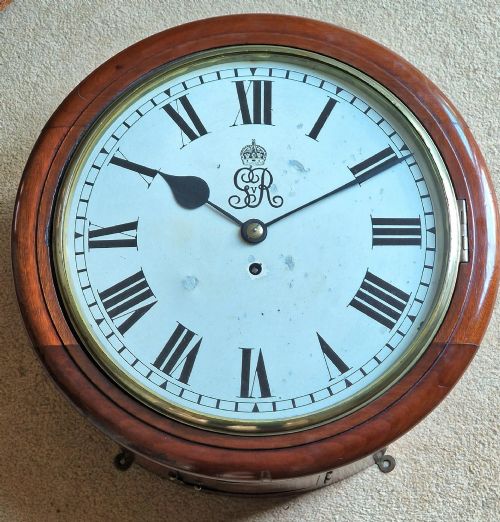


Brass Fusee Timepiece
When you search for a brass fusee timepiece, you are looking at precision-driven mechanical clocks designed to maintain even tension.
Brass Fusee Timepiece
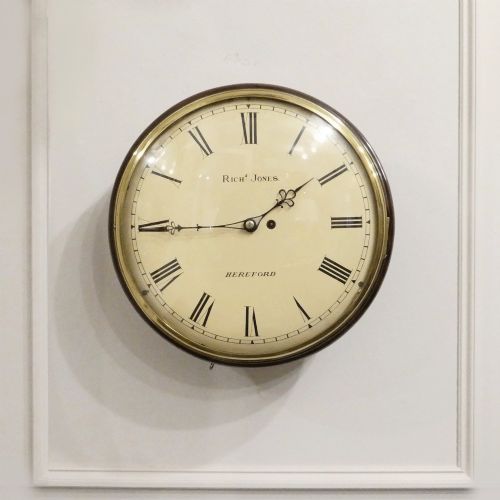
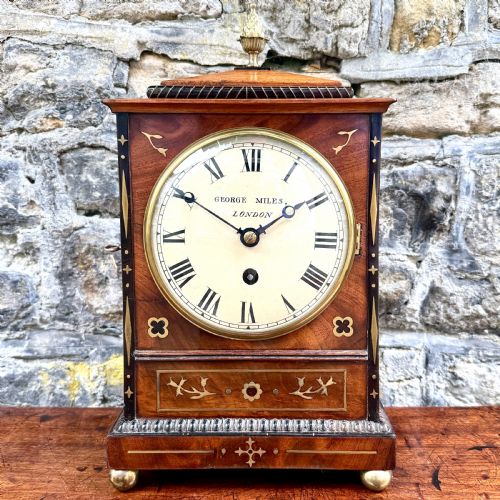
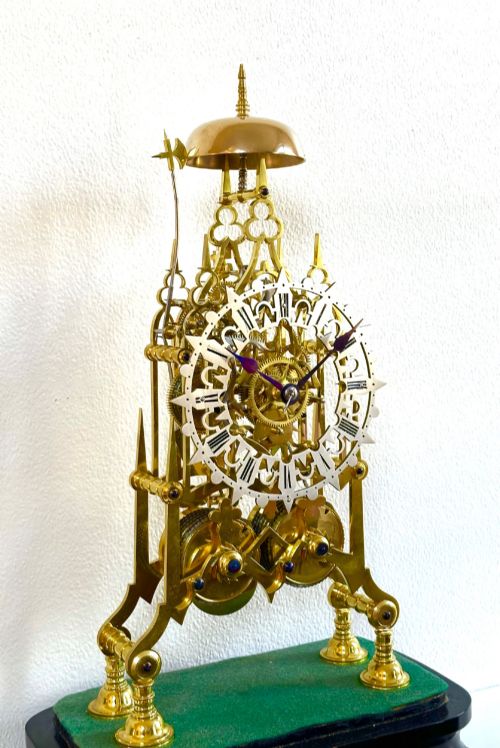
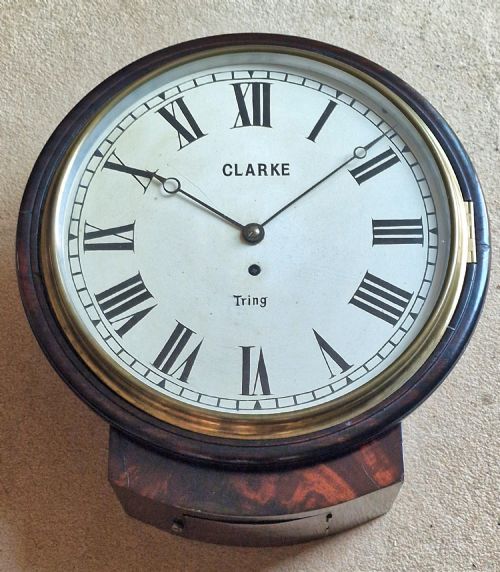
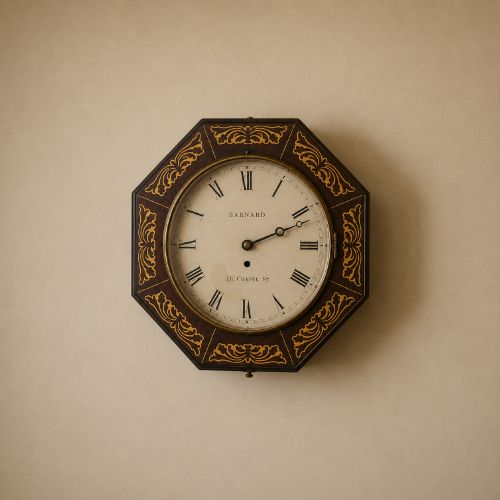
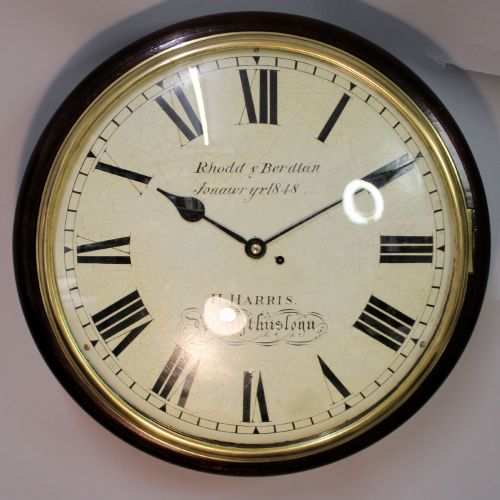
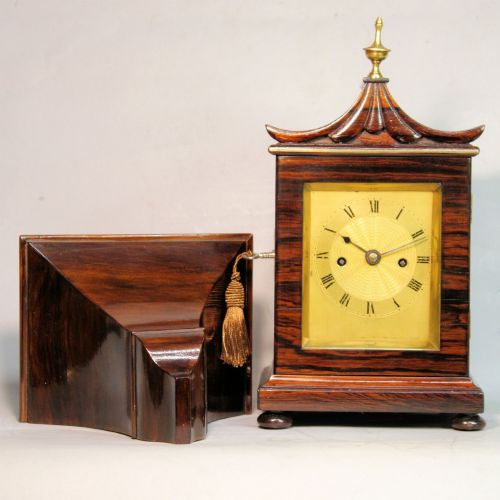
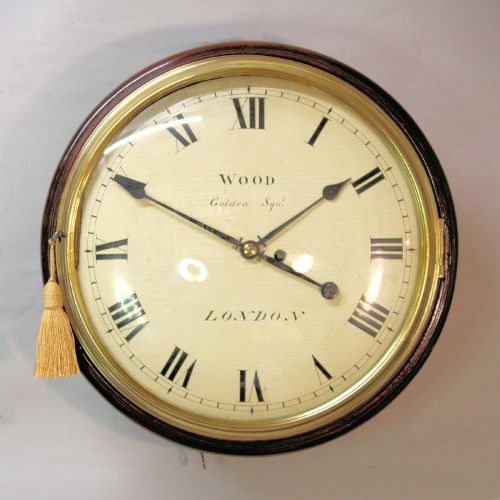
A brass fusee timepiece brings together mechanical accuracy and period cabinetry, appearing most frequently on this page as wall-mounted dial clocks or smaller mantel and library pieces. The items span the Georgian, Regency, and Victorian eras, alongside later military and railway examples.
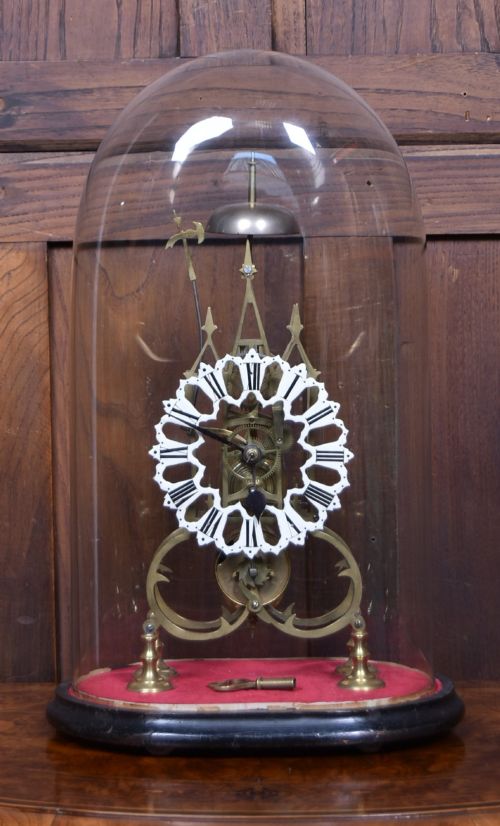
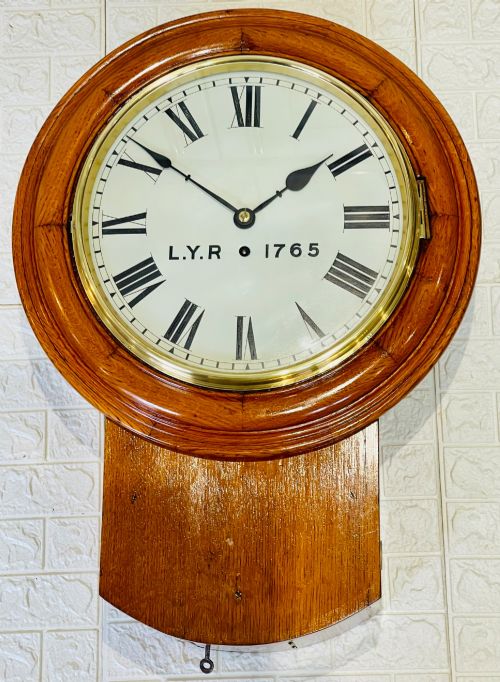
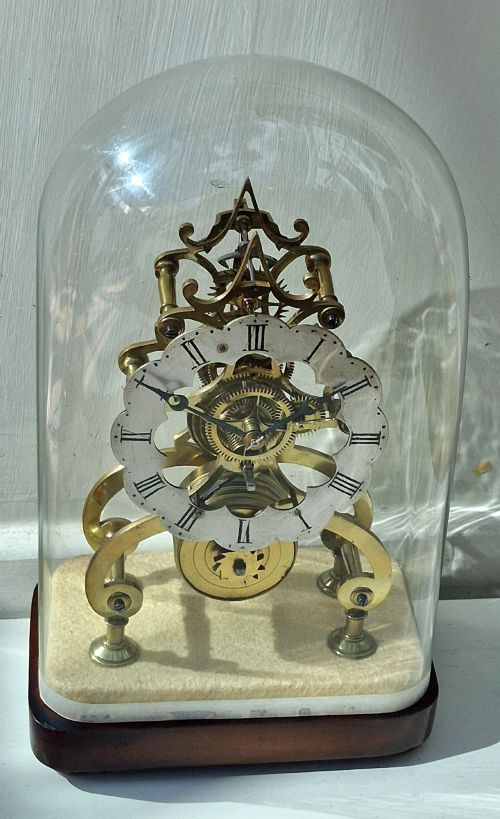
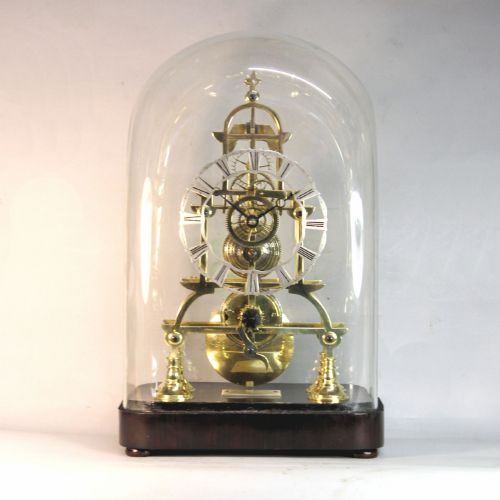
Buyers encounter heavy oak and mahogany dial clocks alongside polished skeleton clocks set beneath glass domes. Form follows utility, whether housed in a domestic library case or a railway station wall frame.
How they were made
Maker workshops built movements around brass components and steel gear trains, linking the mainspring to a conical pulley via a chain or cord to equalise power delivery. Cases combine timber surrounds in mahogany, oak, or rosewood with cast brass bezels framing glass dials.
Movements sit within structural frames, paired with painted iron dials or convex wooden faces. Structural additions include marble or ormolu mounts on mantel variations.
Listings feature materials including brass, glass, mahogany, iron, wood, oak, steel, and marble across multiple periods.
What varies in quality
Distinction across the range lies in the fineness of the movement cutting, such as six-spoke wheel work in skeleton clocks, and the integrity of the cabinet timbers. Dial execution also marks the tier, separating standard painted iron faces from convex wooden or brass-inlaid versions.
The reputation of the maker or retailer recorded on the dial shifts the standing of the piece, as do specialised regional railway or maritime markings.
Richard Jones of Hereford·George Clarke·Henry Harris·Richard Winter·Webster Cornhill London·Dent of London·Prescot Clock Co·John Walker·Taylor of London·Thomas Cole and James Cole·Hunt And Roskell·John Wilson·Balbiani BROOKLEY·Kleyser of London·William Hardy London·McCabe·William Long of Bristol
The Brass Fusee Timepiece Glossary
- Fusee
- A conical pulley used in mechanical clocks to maintain even power as the mainspring unwinds. This cone-shaped component is central to the accuracy of the movement.
- Timepiece
- A clock designed solely to indicate the time without striking mechanisms or chiming trains. These movements focus purely on the going train.
- Skeleton clock
- A clock with an open framework that exposes the gear train and movement plates to view. They are frequently displayed beneath a protective glass dome.
- Bracket clock
- A portable clock originally designed to sit on a bracket attached to a wall. Later examples function as mantel or table clocks.
- Dial clock
- A wall-mounted clock featuring a prominent circular face framed by a brass or wooden bezel. These were standard fixtures in offices, stations, and public buildings.
Brass Fusee Timepiece: Frequently Asked Questions
What is a fusee movement?
A fusee movement uses a conical pulley connected to the mainspring by a chain or cord. This mechanism regulates the pull of the spring so the clock maintains steady force as it runs down.
This clever geometric design sets fusee clocks apart from standard spring-driven timepieces by ensuring greater chronological accuracy.
How do I wind my timepiece?
You wind the movement using a matching key inserted into the dial face, turning it gently until resistance indicates the spring is fully tensioned. Care must be taken not to overwind.
Most traditional eight-day timepieces require attention on a weekly schedule to keep the mechanism running consistently.
Where were dial clocks used?
Dial clocks were widely deployed in railway stations, offices, and maritime bulkheads where clear timekeeping was essential for operations. Their robust construction suited busy public environments.
Domestic spaces also utilised wall dial clocks in hallways and kitchens for dependable daily reference.
How do I tell Victorian from Georgian clocks?
Georgian clocks tend to feature simpler mahogany cases and understated brass bezels, reflecting earlier cabinet-making proportions. Victorian examples often incorporate heavier mouldings, railway markings, or Gothic details.
Examining the dial signature and case timber usually clarifies the period of manufacture.