

Brass Fire Guard Surround
A brass fire guard surround frames the hearth with metalwork designed to protect the room while anchoring the fireplace.
Brass Fire Guard Surround
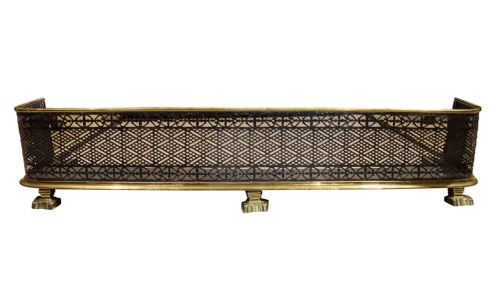
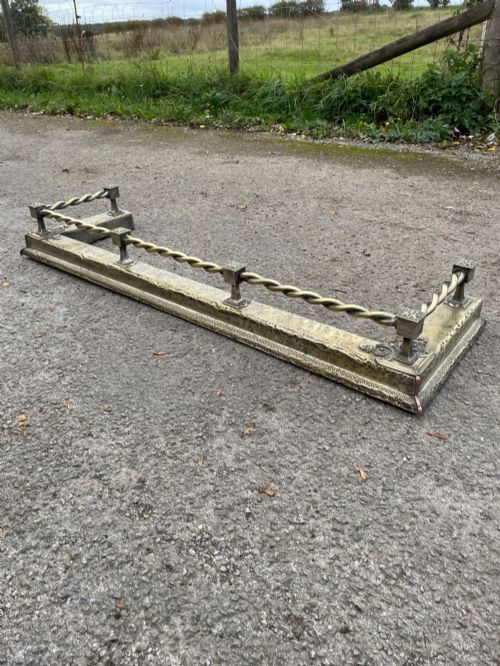
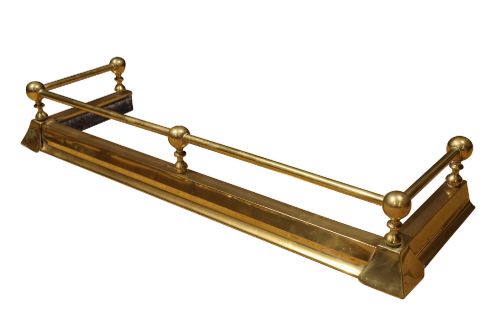
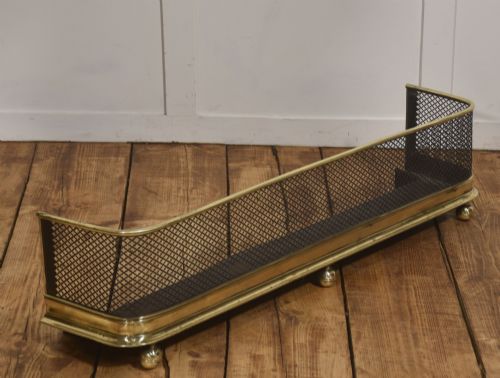
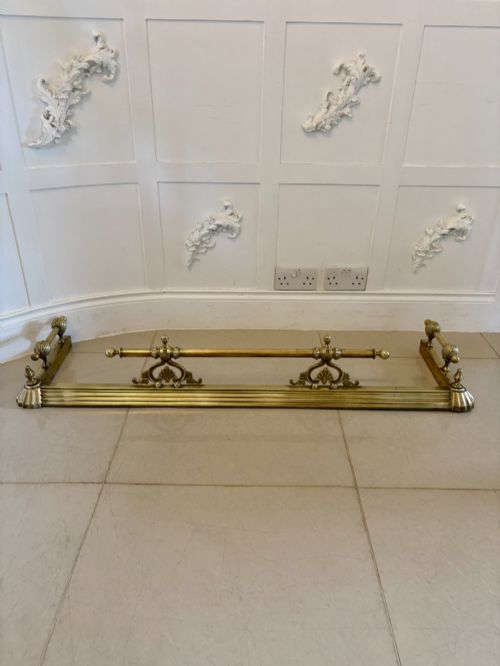
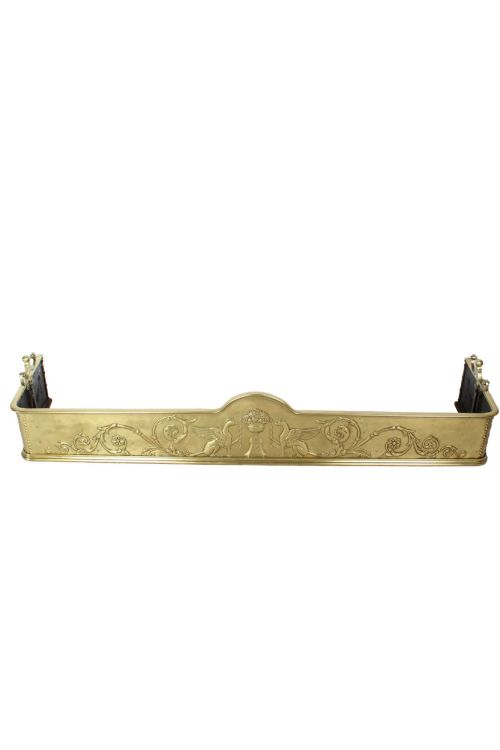
A brass fire guard surround sits low on the hearth to contain stray embers and define the fireplace boundary. These metal barriers appear primarily in 19th-century Victorian and Edwardian forms, alongside Regency and Art Nouveau interpretations.
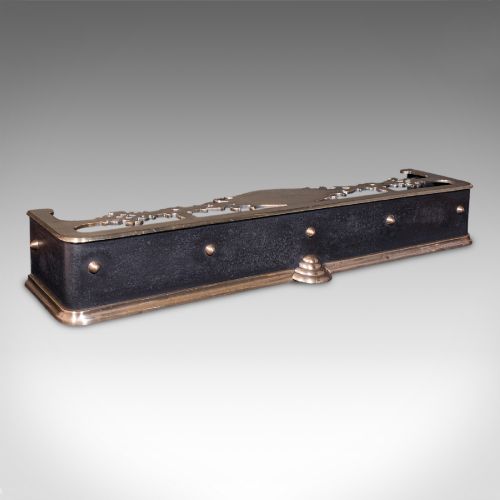
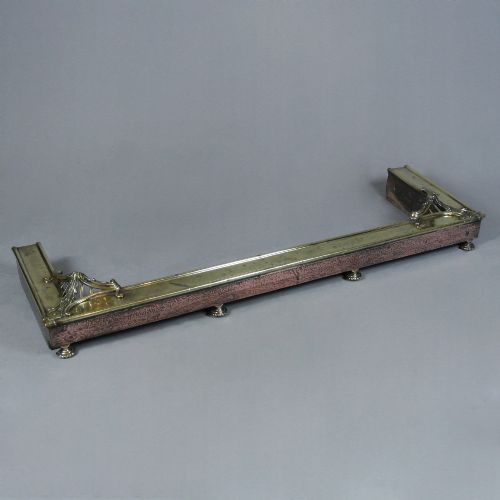
The objects take various designations including fireplace fenders, hearth fenders, and club fenders. Most pieces seen here utilise solid brass or combine brass with iron, steel, and copper.
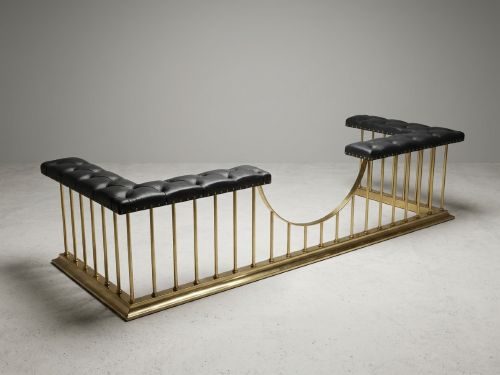
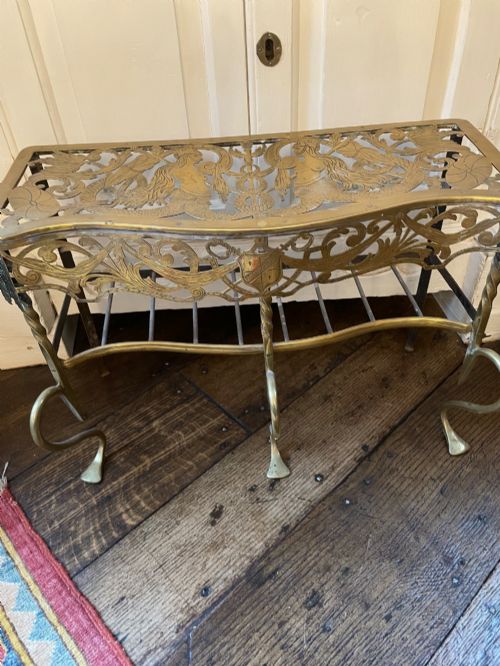
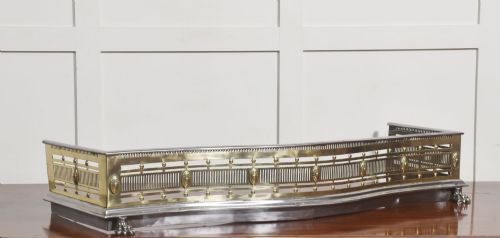
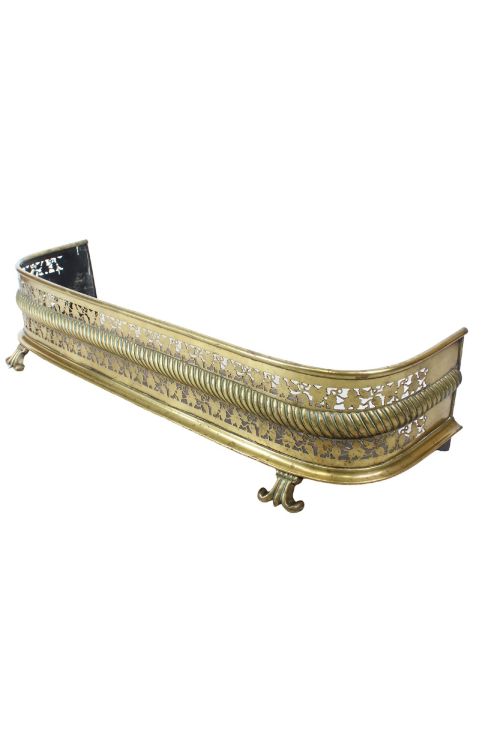
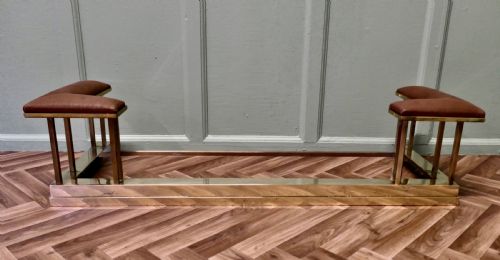
Victorian examples frequently feature pierced metalwork, whilst later 20th-century variations introduce upholstered leather seats on club fenders. Buyers encounter both fixed dimensions and adjustable lengths designed to fit distinct hearth openings.
Distinctions in craftsmanship and design
The distinction between standard hearth furniture and finer items lies in the crispness of the casting and the gauge of the metal. Thicker brass plates and substantial iron frames offer greater weight and structural rigidity.
Decorative detailing separates simpler kerbs from ornate showpieces. Pierced brass work with sharp, clean apertures demonstrates superior workshop practice compared to softer, shallower stamping.
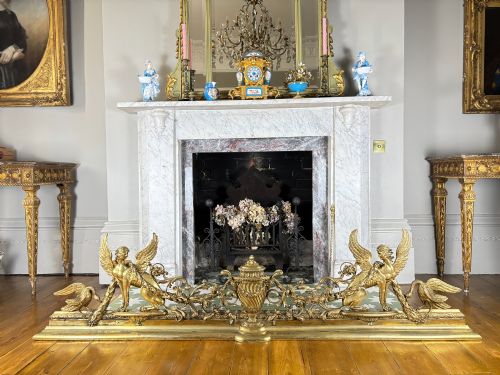
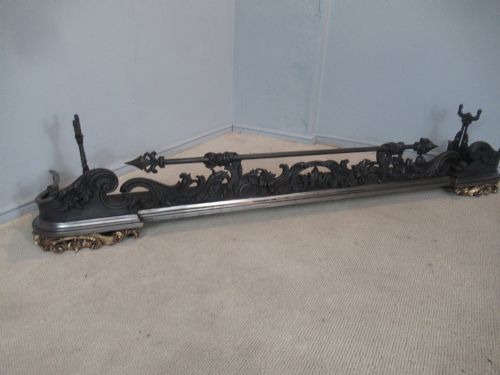
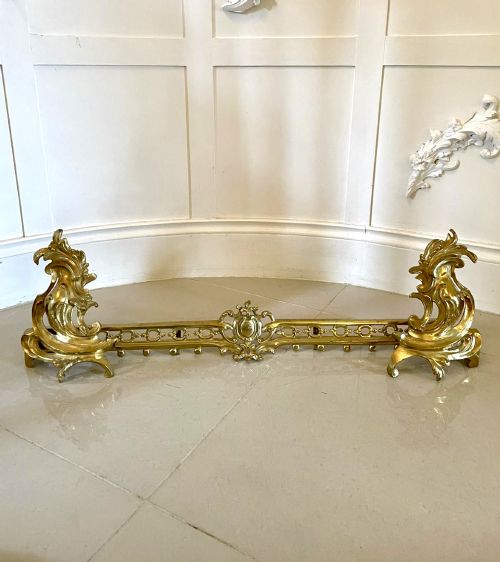
The integration of supplementary materials, such as heavy bronze mounts, enamelled cabochons, or patinated steel components, elevates the decorative ambition of the piece.
Brass Fire Guard Surround Retail Price Guide 2026
Typical asking prices for brass fire guard surround among the pieces listed under this phrase on Sellingantiques today, from the lower quarter to the upper quarter. They describe what is for sale here now, not the wider market.
Listings feature brass, steel, iron, copper, and bronze, spanning Victorian, Edwardian, Art Nouveau, and Art Deco styles.
E F Caldwell New York
The Brass Fire Guard Surround Glossary
- Fender
- A low metal frame placed around the hearth to contain coal and ash. These items serve both protective and decorative functions in the domestic interior.
- Club fender
- A hearth surround featuring low upholstered seats flanking the fireplace opening. They originated in country houses as functional seating close to the fire.
- Pierced brass
- Metal sheet perforated with decorative patterns such as lattices or foliage. This technique lightens the visual weight of the brass barrier.
- Hearth kerb
- An alternative term for the low border defining the edge of the fireplace. It sits directly on the floor to separate the rug from the hearth.
- Gilt bronze
- Metal alloy treated with a gold coating to create a bright metallic finish. It appears on decorative mounts and French-style surrounds.
Brass Fire Guard Surround: Frequently Asked Questions
What is a brass fire guard surround?
A brass fire guard surround is a metal barrier placed on the hearth around a fireplace. It stops hot embers from rolling onto the floorboards.
These pieces also create a formal boundary for the fireplace, often incorporating decorative pierced brass or iron frames.
How do I measure for a fender?
Measure the width and depth of your hearth stone to ensure the metal frame sits squarely within the space. Allow clearance for the fireplace opening and any protruding hearth edges.
Some period fenders feature adjustable mechanisms that let you alter the total length to fit the fireplace opening precisely.
What is a club fender?
A club fender is a hearth surround equipped with low upholstered seats on either side. These seats allowed people to sit close to the fire in large rooms.
They typically combine a brass or iron frame with leather upholstery across the corner sections.
How do I date a brass fender?
Dating relies on stylistic clues such as the flowing lines of Art Nouveau plant motifs or the geometric forms of Art Deco. Manufacturing techniques and metal combinations also point toward specific decades like the Victorian era.
Victorian pieces often display pierced brass patterns, while Edwardian examples show lighter construction and simpler profiles.