


Brass Castored Table
When you search for a brass castored table, you find a sturdy timber surface elevated on rolling metal mounts designed for smooth movement across period floors.
Brass Castored Table
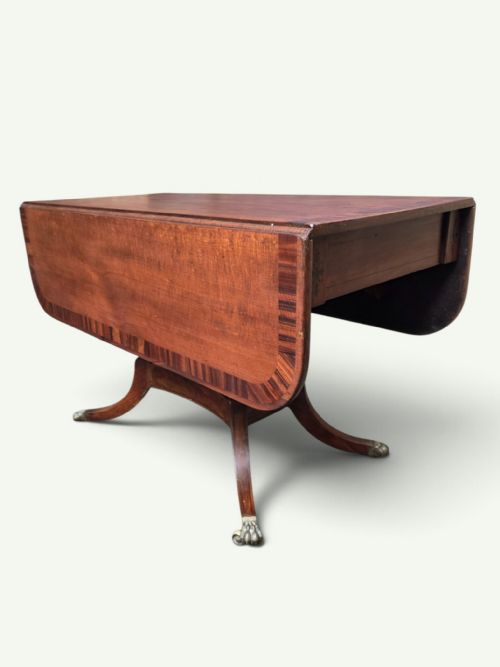
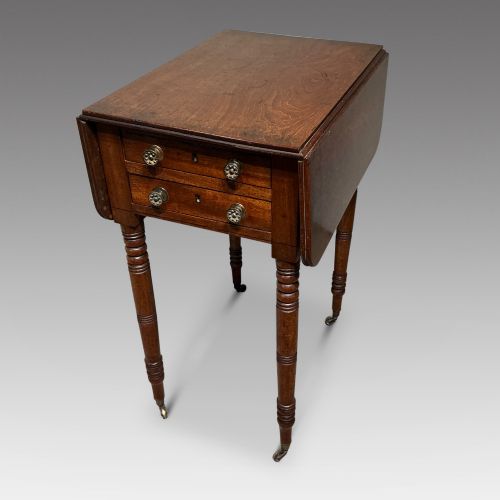
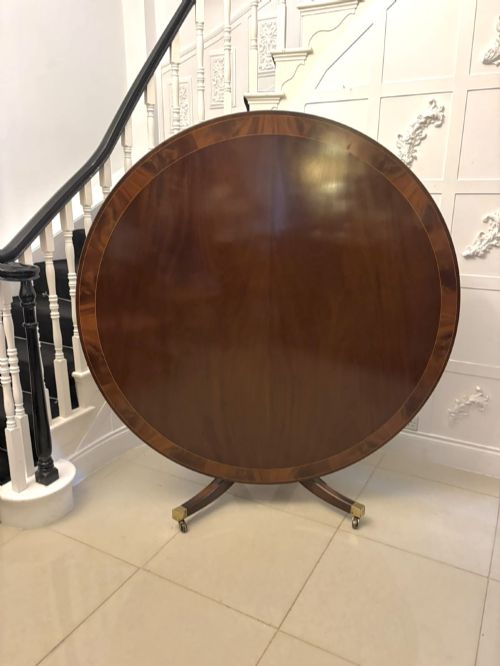
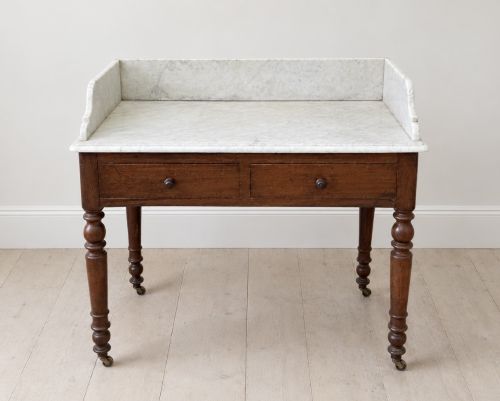
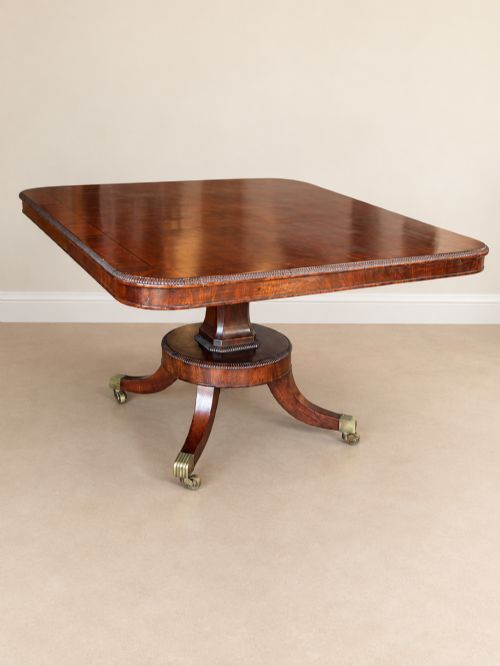
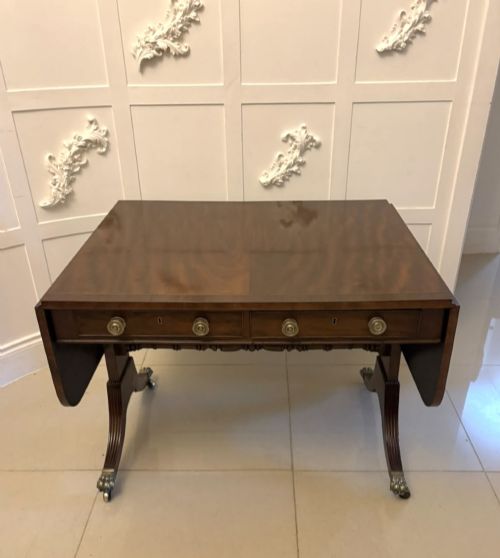
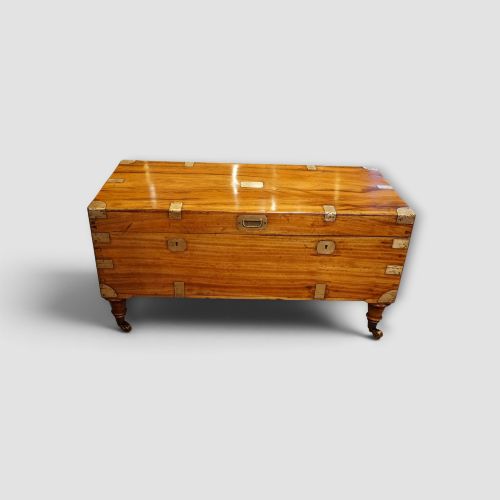
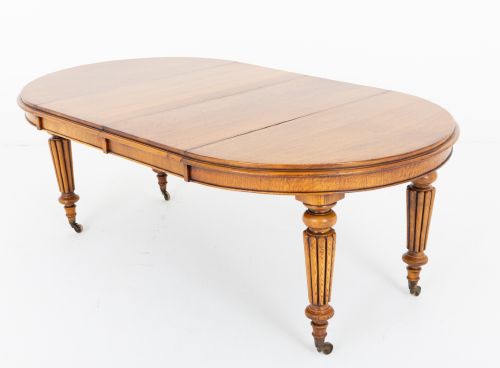
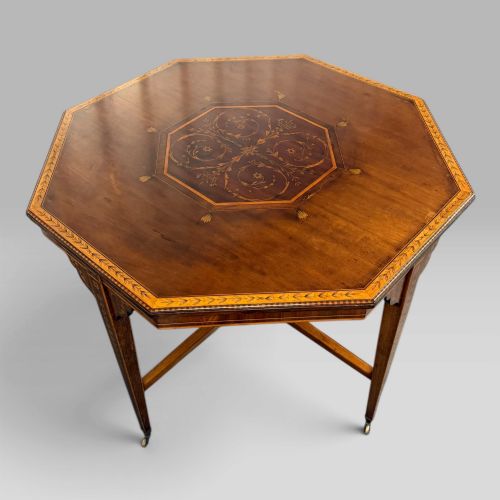
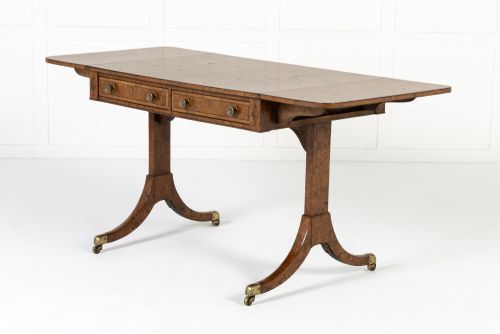
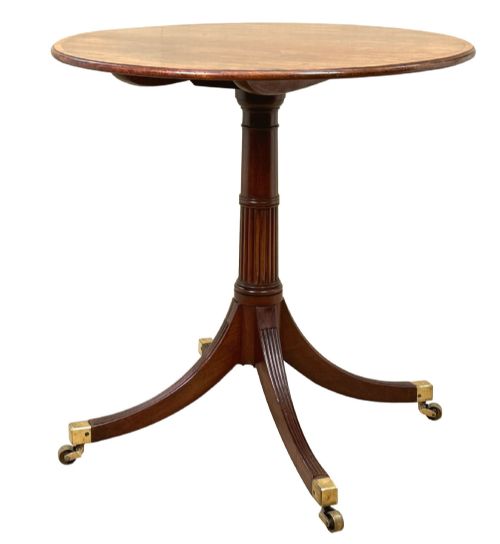
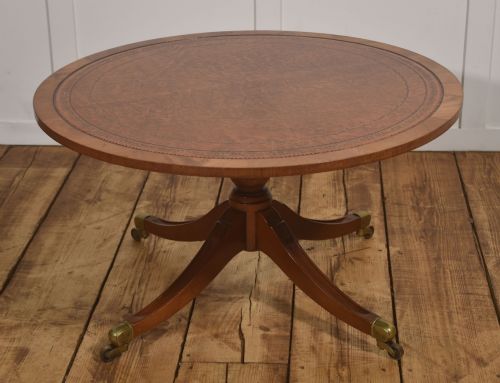
A brass castored table brings together centuries of timber craftsmanship and functional mobility, appearing primarily as dining tables, sofa tables, tea tables, and occasional tables across this selection. These pieces span from the 18th century through the Georgian, Regency, and Victorian eras into the early 20th century, reflecting evolving domestic needs for versatile room layouts.
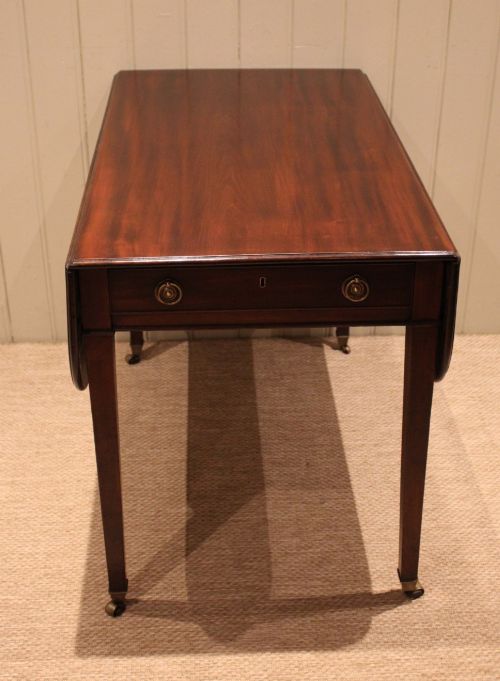
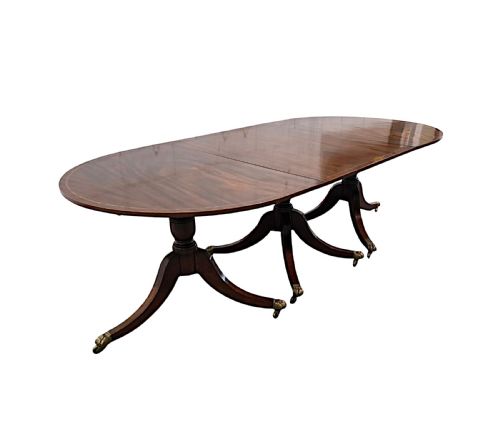
The most common forms you encounter are dining tables featuring multiple pedestals with extending leaves alongside smaller Pembroke, card, and coffee tables. Makers of the Regency and Georgian periods dominated this form of construction, utilising wheeled feet to make heavy timber furniture easy to reposition.
Materials and Construction
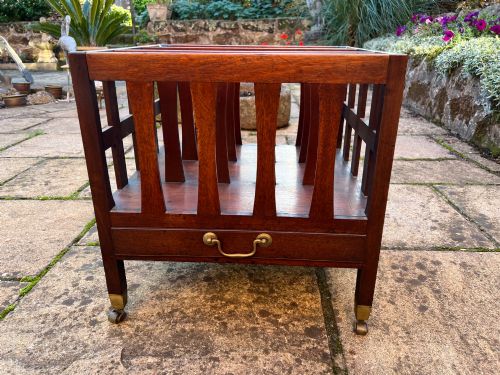
Cabinetmakers constructed these tables using dense hardwoods such as mahogany, flame mahogany, rosewood, and oak, frequently enhanced with inlay work in boxwood, satinwood, or brass. Timber surfaces were polished to highlight natural grain patterns, while legs terminated in heavy cast brass mounts fitted with small running wheels.
Extending dining formats rely on robust pillar assemblies and drop-leaf mechanisms, while smaller occasional and writing tables incorporate hinged tops or multi-tiered shelving supported by stable frames.
Brass Castored Table Retail Price Guide 2026
Typical asking prices for brass castored table among the pieces listed under this phrase on Sellingantiques today, from the lower quarter to the upper quarter. They describe what is for sale here now, not the wider market.
Listings here feature mahogany, rosewood, and oak tables spanning from the 18th century through the 1920s.
Assessing the Pieces
Quality rests upon the selection of timber veneers, the crispness of inlaid details, and the proportional harmony between the table top and its pedestals. Figured mahogany and rosewood with deep, unblemished grain patterns indicate superior raw materials chosen by skilled workshops.
The weight and finish of the metal fittings matter significantly; substantial cast brass components that turn smoothly within their sockets demonstrate a higher standard of manufacture than lighter, mass-produced replacements.
Gillows of Lancaster·Thomas Butler of London·Mallett of London
The Brass Castored Table Glossary
- Castor
- A small wheel mounted in a swivel frame attached to the foot of a table leg, allowing the piece to roll across the floor. These are typically cast from brass on formal period furniture.
- Pedestal
- A central column or cluster of pillars supporting a table top rather than standard corner legs. Multi-pillar arrangements allow large dining tables to extend securely.
- Pembroke Table
- A small rectangular drop-leaf table with hinged flaps on opposite sides. It often includes a single drawer and delicate tapered legs.
- Inlay
- A decorative technique where contrasting materials such as boxwood or satinwood are inserted into recesses cut into the primary timber surface.
Brass Castored Table: Frequently Asked Questions
How do I date a brass castored table?
Examine the timber species, construction joints, and the casting style of the metal wheels. Georgian and Regency pieces show hand-cut dovetails and heavy sand-cast brass, whereas later revival items often display machine tooling.
Secondary indicators include the presence of patent stamps or the specific profile of the central pedestals and legs.
Can I use an extending dining table daily?
These robust timber tables were built for daily household use and handle regular family meals easily. The extending mechanisms on multi-pillar versions allow you to adjust the surface length for different occasions.
Protect the polished wood surfaces with pads and maintain the metal castors with light lubrication to ensure smooth rolling.
How do I care for rosewood and mahogany surfaces?
Keep these timber surfaces away from direct sunlight and extreme heat sources to prevent the wood from drying or splitting. Regular dusting with a soft cloth maintains the natural lustre of the polish.
Avoid silicone-based sprays and instead use traditional beeswax sparingly to nourish the grain.