
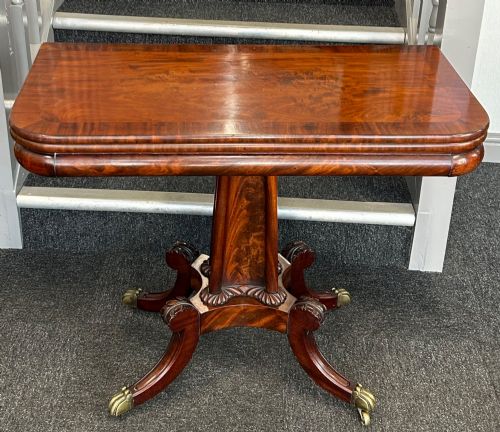


Brass Castor Console
These brass castor console pieces are adaptable tables fitted with metal wheels, bringing mobility and classic timber grain to sitting rooms.
Brass Castor Console
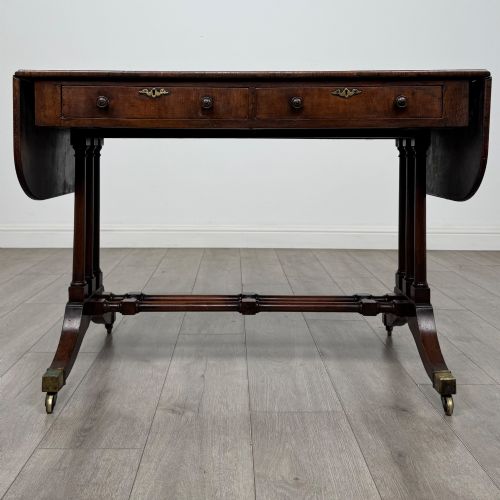
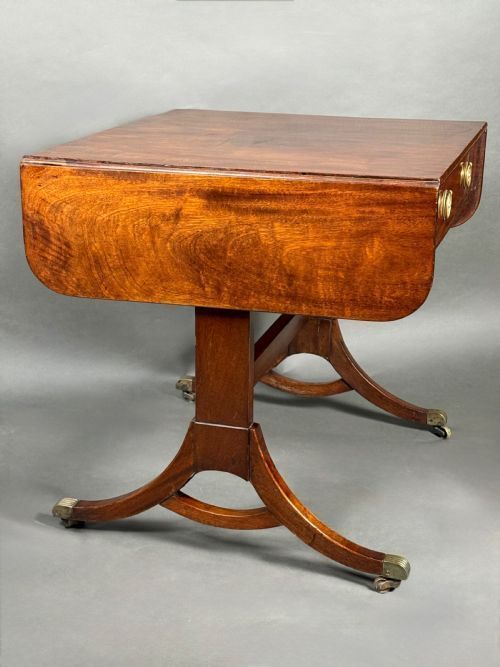
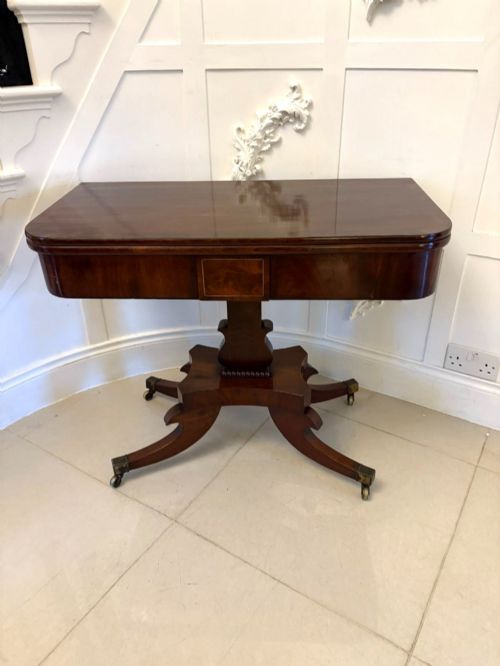
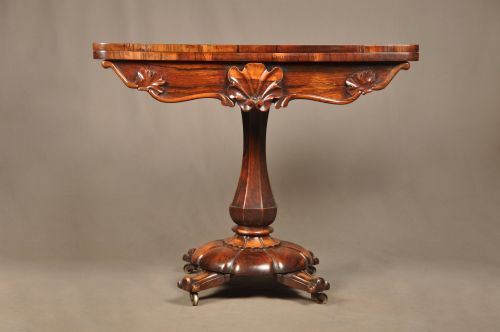
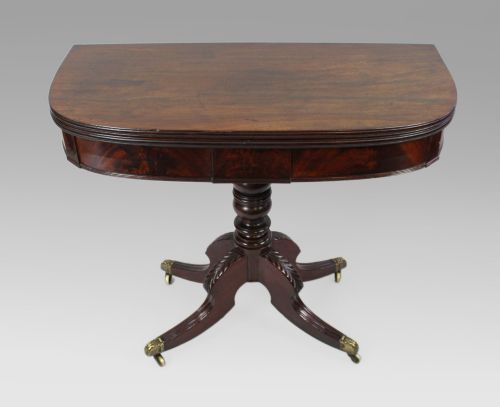
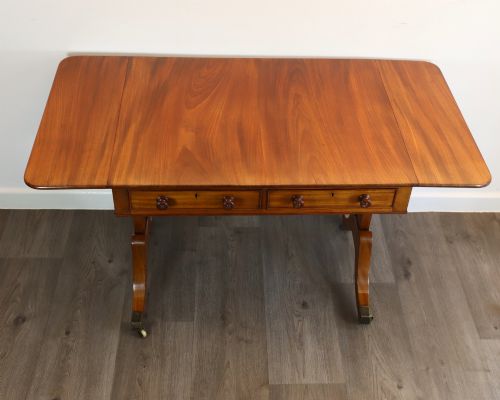
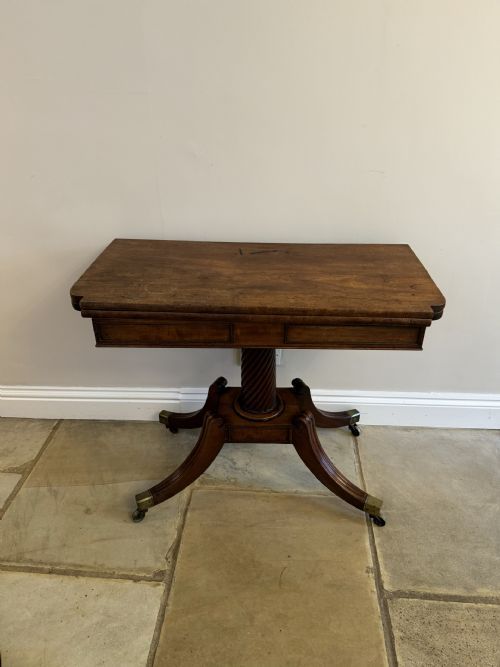
When searching for a brass castor console, buyers encounter a selection of occasional tables originating predominantly from the Georgian, Regency, and Victorian periods. The inventory spans specific forms such as sofa tables, card tables, tea tables, and games tables, alongside side tables and console tables.
Mahogany and rosewood dominate the listings, frequently enhanced with flame veneers or subtle stringing. Examples range from compact fold-over card tables to larger freestanding sofa tables supported by turned pillars or trestle ends.
Originating largely from the late eighteenth and nineteenth centuries, these items often display the characteristic craftsmanship of the Regency and William IV eras. Pieces from this range integrate hinged leaves, pivoting tops, and small drawers suited to domestic use.
Materials and construction methods
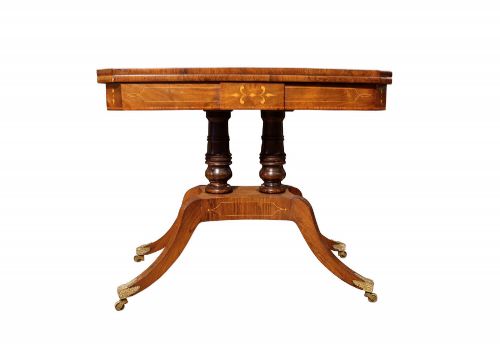
Cabinet makers utilised solid hardwoods such as mahogany and rosewood for structural integrity, frequently applying figured mahogany or flame mahogany veneers to visible surfaces. Contrasting timbers including satinwood, boxwood, and ebony provided delicate inlay work and geometric borders.
Brass fittings served both a structural and decorative purpose, appearing as castors on the feet, inlaid brass lines along tabletops, and decorative sabots. Joinery relied on traditional techniques to accommodate folding leaves and pivoting mechanisms found in card and tea tables.
Listings feature mahogany, rosewood, and satinwood pieces dating from the Georgian, Regency, and Victorian eras.
Distinctions in quality and execution
Superior examples exhibit tightly figured timber grains and precise contrasting stringing, whereas simpler items rely on plain mahogany boards. The crispness of inlaid brass work and the stability of folding hinge mechanisms further separate standard production from master cabinet work.
Proportion and timber selection dictate the visual balance of each piece, with matched flame veneers showing greater care in selection. The original mounting of brass castors and the execution of turned pedestals reflect the workshop standards of the period.
W Williamson And Sons Of Guildford
The Brass Castor Console Glossary
- Castor
- A small wheel fitted to the foot of a table leg to allow easy movement across floor surfaces. These are frequently cast in brass on nineteenth-century tables.
- Sofa table
- A rectangular occasional table designed to stand in front of a sofa, typically featuring drop leaves on either side and small drawers. They often incorporate trestle ends joined by a central stretcher.
- Card table
- A folding table with a hinged top that opens to reveal a baize-lined surface for playing games. Many examples rotate to reveal a concealed compartment for storing cards and counters.
- Stringing
- A thin inlay of contrasting wood used to create decorative borders and lines on tabletops and drawer fronts. It adds linear definition to mahogany and satinwood surfaces.
- Flame mahogany
- A veneer cut from timber where the grain resembles flickering flames, highly prized for its decorative pattern. It appears frequently on the tops of Regency sofa tables.
Brass Castor Console: Frequently Asked Questions
What is a sofa table used for?
Sofa tables were originally placed against the rear of a sofa or freestanding in a room to hold lamps and books. Their drop leaves allowed them to expand when additional surface area was required.
Today, they function as versatile side tables in living rooms, hallways, or dining spaces, offering surface space combined with concealed storage in their drawers.
How do I identify a Regency table?
Regency tables typically display classic architectural proportions, dark timber surfaces, and decorative brass mounts or inlay. They often feature pillar supports on platform bases equipped with brass castors.
Details such as ebony stringing, rosewood crossbanding, and SABOTS help distinguish pieces made during the early nineteenth century from later Victorian revivals.
What distinguishes a card table from a tea table?
Card tables feature a pivoting or folding top that opens to double its surface area, traditionally lined with baize for gaming. They frequently include a concealed well beneath the folding top for storing accessories.
Tea tables also feature folding tops but generally lack the gaming interior, focusing instead on a stable flat surface once unfolded for serving tea.
How should I care for a mahogany table?
Mahogany surfaces benefit from regular dusting with a soft, dry cloth and occasional treatment with quality beeswax to nourish the timber. Direct sunlight and sudden changes in temperature should be avoided to prevent veneer cracking.
Care must be taken around brass castors and inlay work, ensuring moisture is wiped away immediately to protect both the metal and the surrounding wood.