

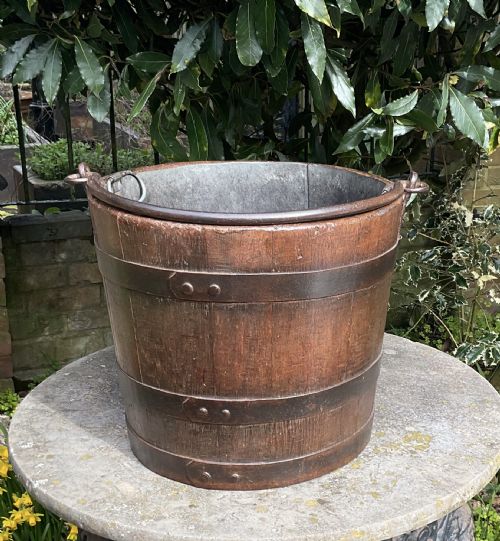


Brass Bound Peat Bucket
A brass bound peat bucket brings tactile warmth to a fireside, combining sturdy wood construction with gleaming metalwork.
What a brass bound peat bucket is
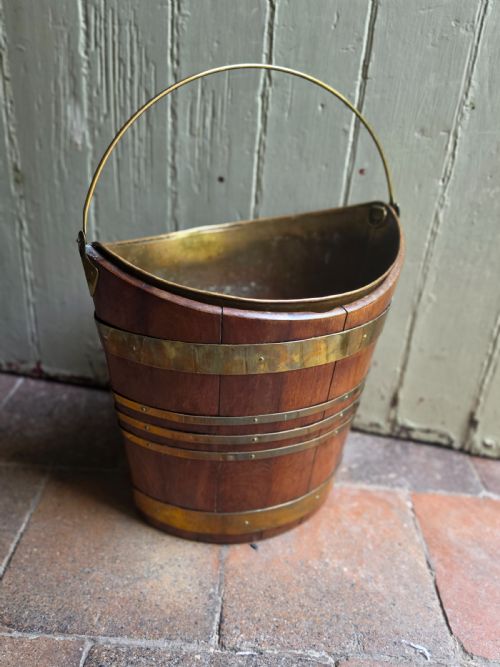
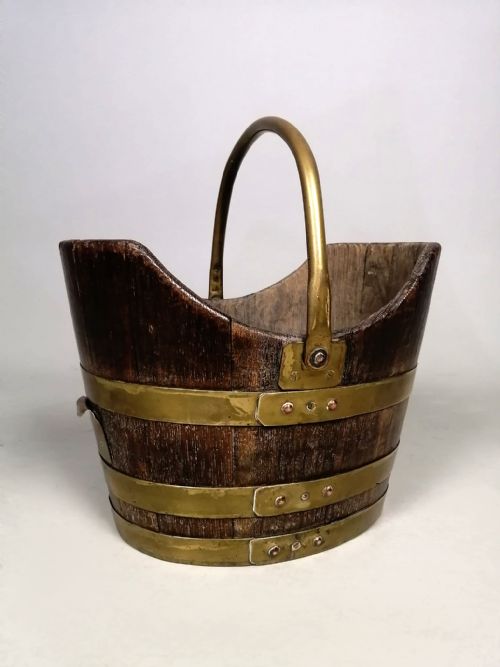
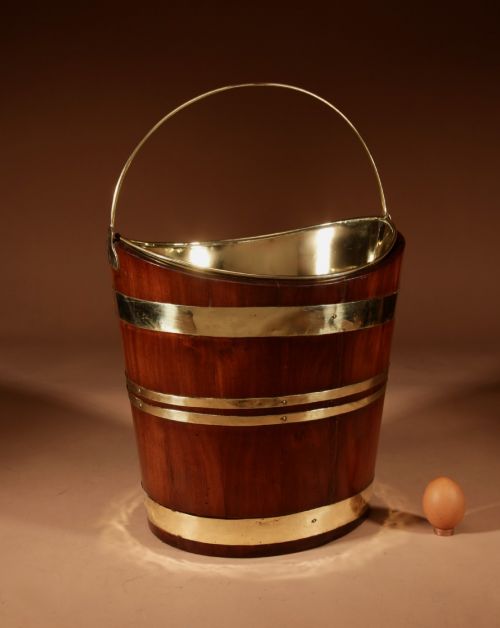
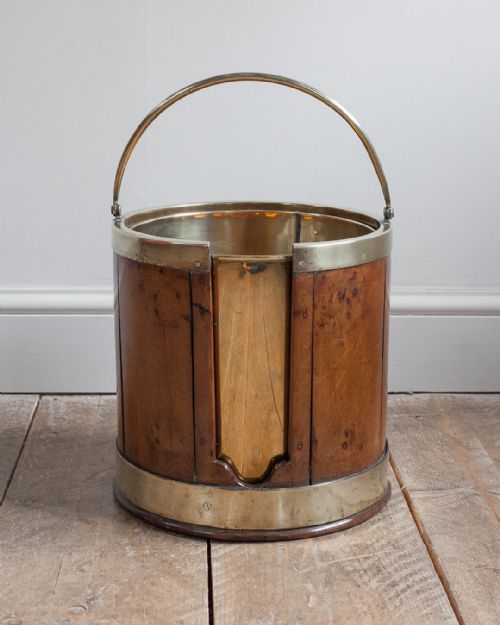
A brass bound peat bucket is a traditional fireside accessory designed to hold fuel for an open hearth. These vessels appear in forms dating from the eighteenth century through the Edwardian period, often listed under fireplace accessories and log bins.
Origin points noted in the records include Irish, Scottish, and Dutch workshops. Buyers encounter mahogany and oak construction strengthened with heavy brass banding.
Materials and technique
These vessels rely on traditional coopering techniques where individual wooden staves of mahogany or oak are shaped and fitted together. Metal bands, usually fashioned from brass, are then driven tight around the wooden body to secure the structure.
Iron and brass elements provide additional reinforcement and functional hardware, such as carrying rings or drop handles. Some variants incorporate decorative details like brass lions-mask ring handles to ease transport.
Retail Price Guide 2026
Typical UK retail prices for brass bound peat bucket, calculated from the Sellingantiques database of over a million retail prices indexed since 2003. This retail price guide relies exclusively on Sellingantiques data; no external sources or auction records are used, so the figures do not describe the wider market.
Some sturdy oak and mahogany buckets arrive wearing fierce brass lions-mask ring handles to glare at the hearth.
Variations in quality
Quality separates through the integrity of the timber and the precision of the cooper's stave work. Mahogany and oak staves that retain rich grain and deep colour command greater attention.
The weight and gauge of the brass bands influence the overall character of the piece. Untouched condition and original wooden surfaces distinguish the most desirable examples from heavily restored counterparts.
The Brass Bound Peat Bucket Glossary
- Coopered
- A construction method using tapered wooden staves bound together with hoops, traditionally used for barrels and buckets. This technique allows the vessel to hold dry fuel securely without glue.
- Stave
- An individual narrow strip of wood with fitted edges that forms the curved side of a bucket or tub. The tightness of these joints determines the structural soundness.
- Binding
- The metal bands, typically brass or iron, fastened around the exterior of a wooden bucket. These bands maintain the tension across the staves.
- Fireside accessory
- A functional item kept near the hearth for maintaining a coal or wood fire. These objects balance utility with decorative presence in a reception room.
Frequently Asked Questions
How do I tell an 18th-century bucket apart from a later one?
Eighteenth-century examples often exhibit specific proportions, distinct timber ageing, and hand-beaten brasswork characteristic of the Georgian era. The depth of the patina and the method of joining the staves offer key clues.
Later nineteenth-century pieces may display machine-rolled brass bands and different handle attachments. Comparing the internal wear and the specific wood species helps establish the likely period of manufacture.
Where were these buckets made?
Records indicate production across several regions, with notable examples originating in Ireland, Scotland, and the Netherlands. Each region often imparted subtle preferences in wood choice and brass detailing.
Irish and Scottish pieces frequently utilise rich mahogany or robust oak, sometimes featuring ribbed forms or distinctive handle hardware. Dutch examples tend to show characteristic cooperative methods from the nineteenth century.
How can I live with a peat bucket today?
These buckets function well beside a modern fireplace as holders for kindling or rolled newspapers. Their robust construction allows them to perform their original duties or stand empty as sculptural floor pieces.
Placing them away from direct, intense heat sources helps protect the historic timber and prevents the wooden staves from shrinking or splitting over time.