


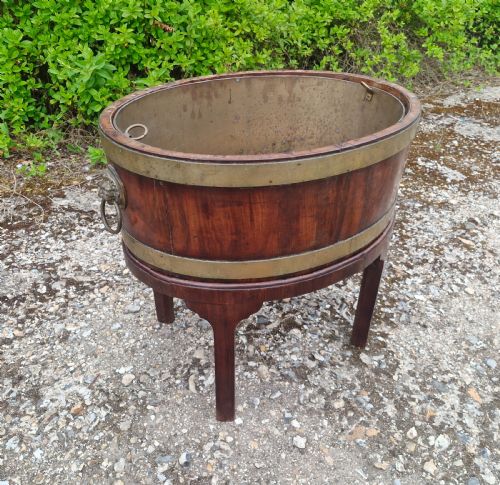


Brass Bound Jardiniere
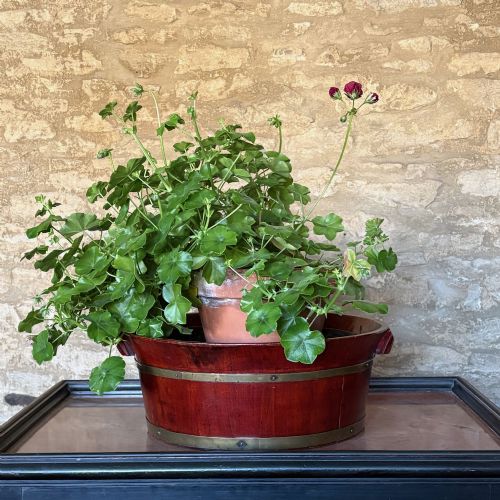
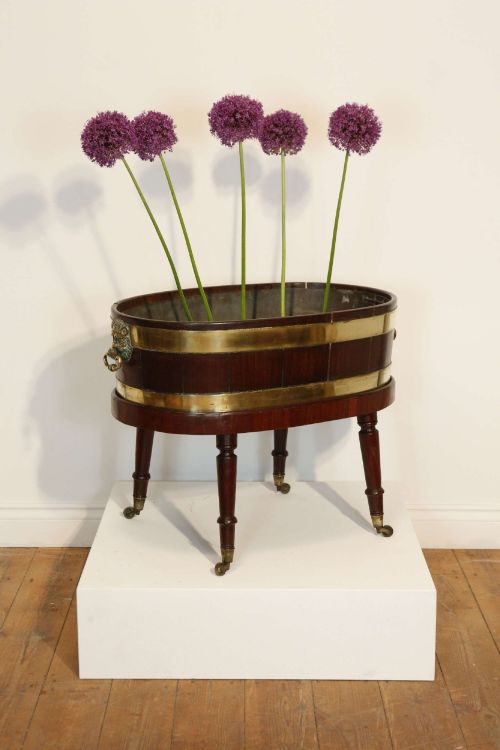
A brass bound jardiniere brings rich coopered timber and gleaming metalwork into a room, serving plant or wine cooler duties with historic presence.
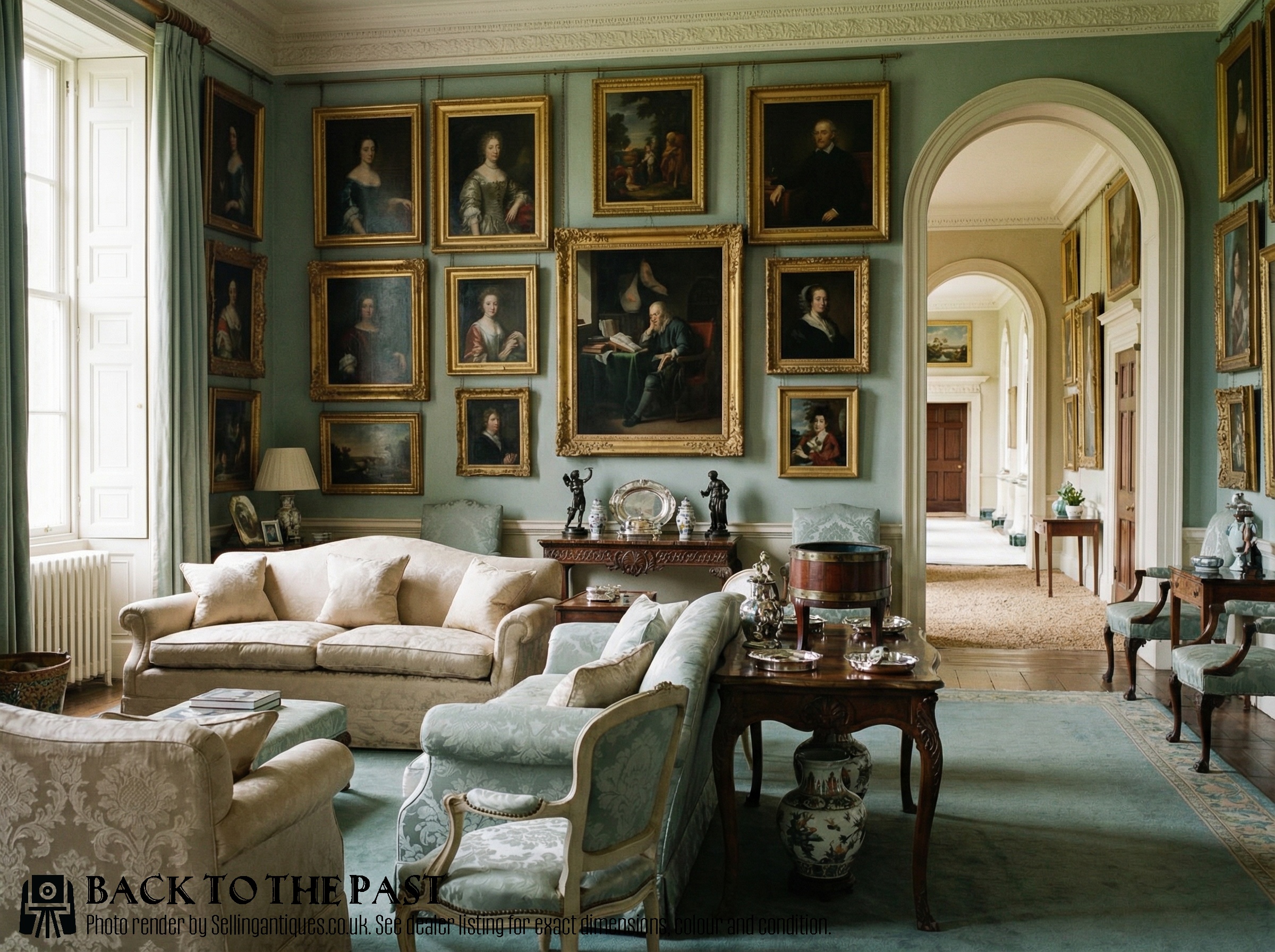
Brass Bound Jardiniere
A brass bound jardiniere is a sturdy wooden vessel encircled by metal bands, originally built for cooling wine or housing indoor plants. When you search for this phrase, you encounter robust coopered vessels fashioned from timber staves, predominantly in mahogany and oak.
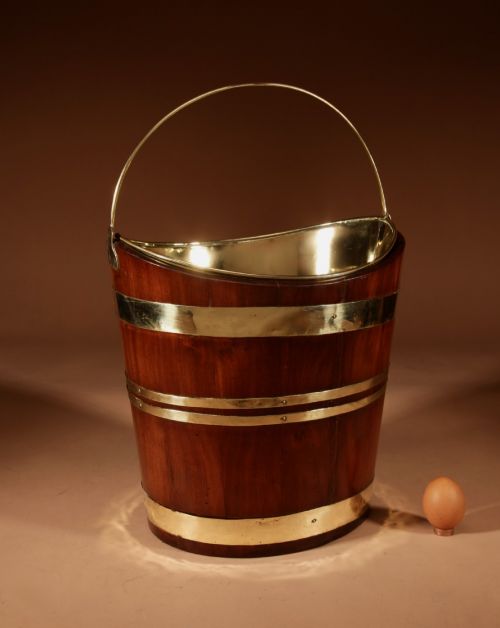
The pieces on this page span the eighteenth, nineteenth, and early twentieth centuries, encompassing Georgian origins through to Edwardian, Arts and Crafts, and later revival styles. Forms range from boat-shaped schuitje designs to cylindrical buckets and tall standing planters.
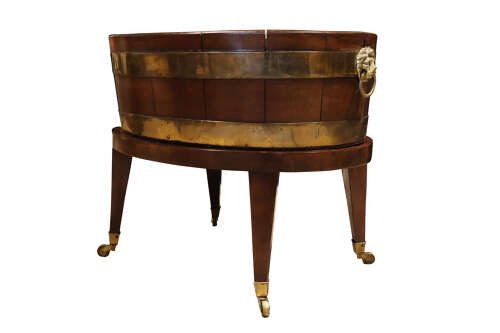
Many items share origins with wine coolers and cellarettes, reflecting a fluid historical use where deep wooden containers transitioned between holding bottles and supporting botanical displays. You frequently meet Dutch colonial influences and classic English country house forms among these listings.
Construction and materials
Makers constructed these vessels using traditional cooperage techniques, joining individual wooden staves together to form watertight barrels and buckets. Mahogany and oak dominate the construction, occasionally supplemented by teak, walnut, and metal liners in zinc or copper.
Heavy brass bands and rivets secure the staves, providing both structural reinforcement and a striking visual contrast against the dark polished wood. Handles, lion mask rings, and dedicated stands complete the build, ensuring the timber remains elevated from damp floors.
Brass Bound Jardiniere Retail Price Guide 2026
Typical asking prices for brass bound jardiniere among the pieces listed under this phrase on Sellingantiques today, from the lower quarter to the upper quarter. They describe what is for sale here now, not the wider market.
Listings feature eighteenth, nineteenth, and early twentieth-century examples in mahogany, oak, and teak, incorporating zinc and copper elements.
Judging quality and character
Quality rests in the precision of the cooperage and the richness of the timber grain, where tight joints and well-fitted staves indicate superior craftsmanship. The gauge and finishing of the brass bands also set apart finer examples, showing crisp edges and secure riveting rather than mass-produced uniformity.
Provenance and original elements dictate distinction, as vessels retaining their matching stands, interior liners, or period carrying handles command greater attention. The depth of patination on both the wood and the brass reveals decades of careful maintenance and natural ageing.
Lister and Co
The Brass Bound Jardiniere Glossary
- Coopered
- Constructed from curved wooden staves bound together with metal hoops, much like a traditional barrel. This method provides the structural strength needed to hold wet soil or melting ice.
- Cellarette
- A lockable container used historically for storing bottles of wine near the dining table. Many examples share identical forms with plant containers and wine coolers.
- Schuitje
- A boat-shaped vessel style originating from the Netherlands, often featuring upswept ends and elaborate brass mounts. These pieces frequently double as peat buckets or tea stoves.
- Stave
- One of the narrow vertical strips of wood fitted together to make the sides of a coopered bucket or jardiniere. The tight alignment of these pieces prevents water leakage.
- Patina
- The deep, lustrous surface sheen developed on wood and metal over centuries of handling and polishing. It serves as a visual indicator of age and honest use.
Brass Bound Jardiniere: Frequently Asked Questions
Can I use it outdoors?
These vessels are designed primarily for interior environments, where fluctuating outdoor weather does not threaten the historic timber and glue joints. Exposing antique cooperage to rain and frost causes the wood to warp and the metal bands to corrode.
Position your piece inside a drawing room, hallway, or conservatory to preserve its condition. They function securely on hard flooring or protective mats away from damp garden soil.
Were they wine coolers or planters?
Many examples served both functions interchangeably over their lifespan, transitioning from dining room bottle holders to drawing room plant stands. Georgian and nineteenth-century pieces often started life holding ice and wine bottles before finding later use with vegetation.
Interior metal linings accommodated melting ice and wine sediment just as effectively as damp earth. Examine the interior for signs of original lead or zinc linings to understand its initial purpose.
How do I date an example?
Dating relies on timber selection, fastening techniques, and the stylistic cues of the brass mounts and supporting stands. Georgian pieces typically display rich flame mahogany and hand-beaten brass, while Edwardian and Arts and Crafts versions favour oak with simpler geometric lines.
Examine the construction of the base and handles for hand-forged details versus later machine stamping. Comparing the patination of the interior to the exterior also helps confirm the period of manufacture.