


Brass Bound Cabinet
A brass bound cabinet is a sturdy storage piece reinforced for travel or formal dining, prized for enduring craftsmanship.
Brass Bound Cabinet
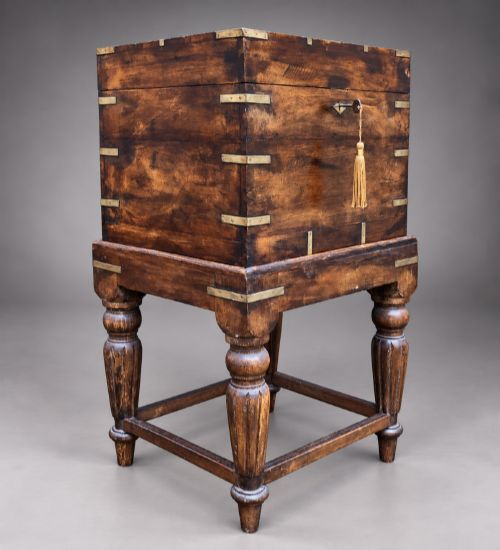
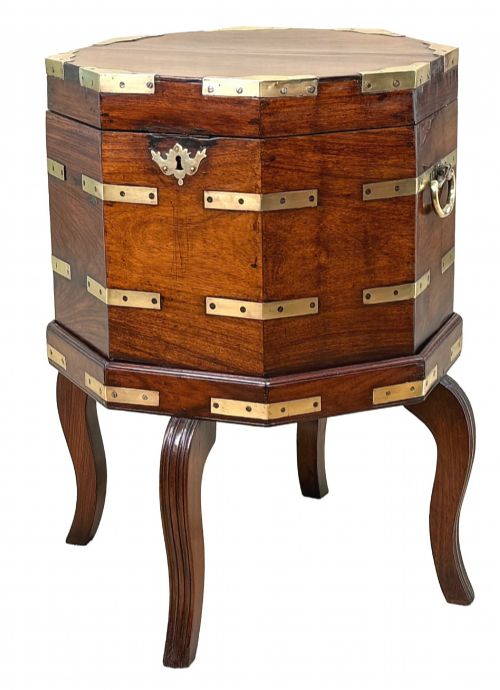
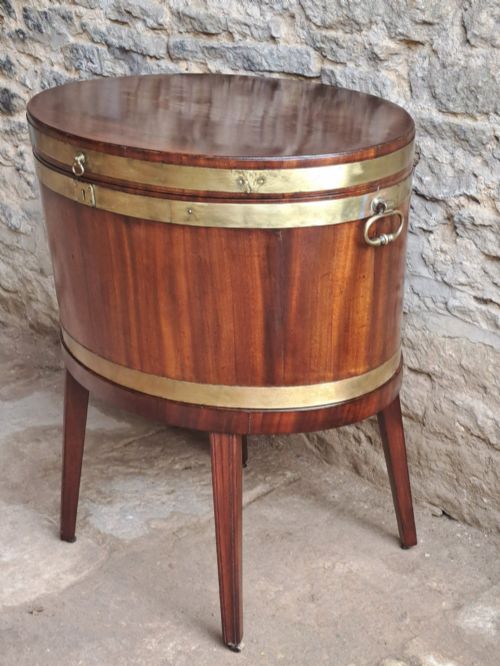
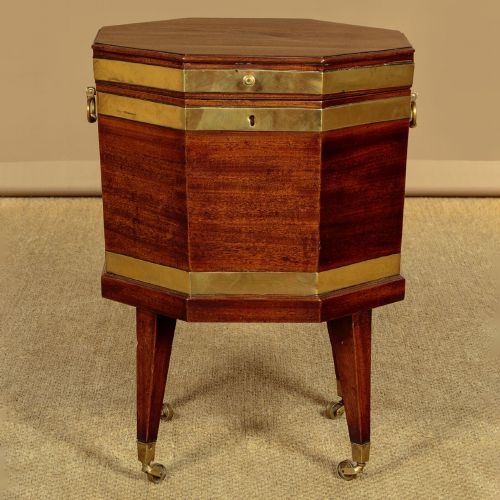
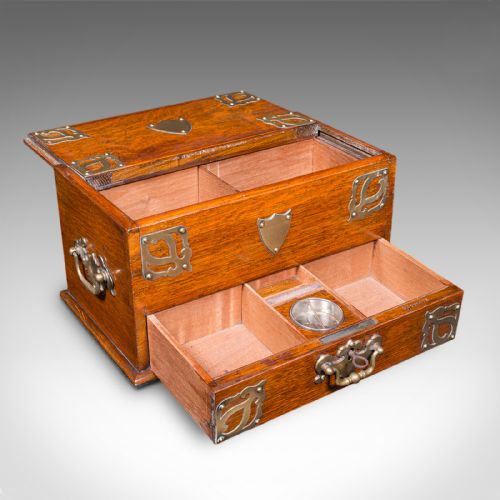
When you search for a brass bound cabinet, you encounter sturdy pieces designed for functional storage, travel, or dining room service. The selection spans compact tabletop boxes and substantial chests originating across Georgian, Victorian, and Edwardian periods.
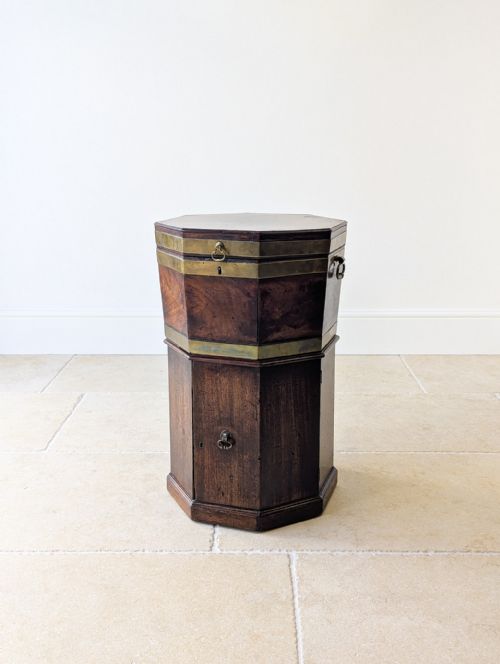
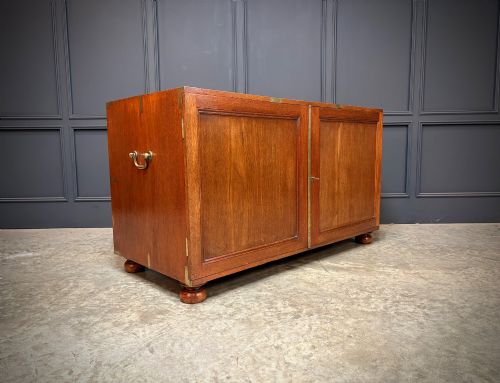
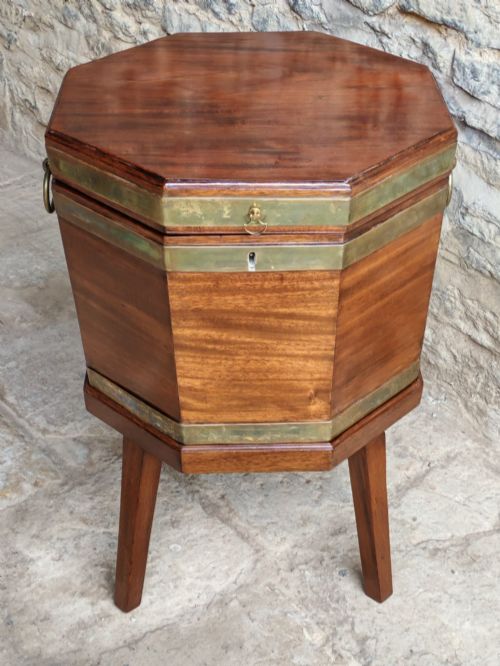
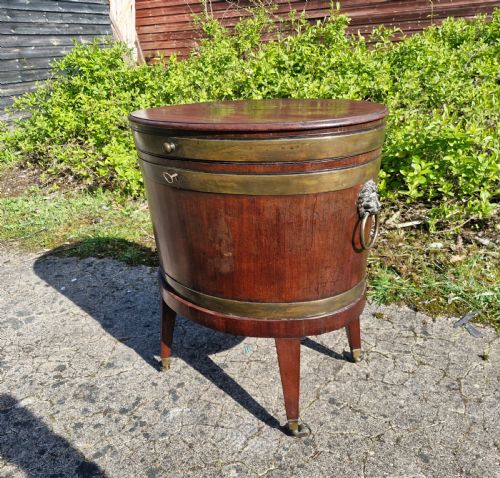
Mahogany wine coolers and cellarettes dominate the available forms, often featuring octagonal or oval shapes. Alongside these dining pieces, military campaign cabinets, stationery boxes, and occasional cigar humidors appear with metal reinforcement.
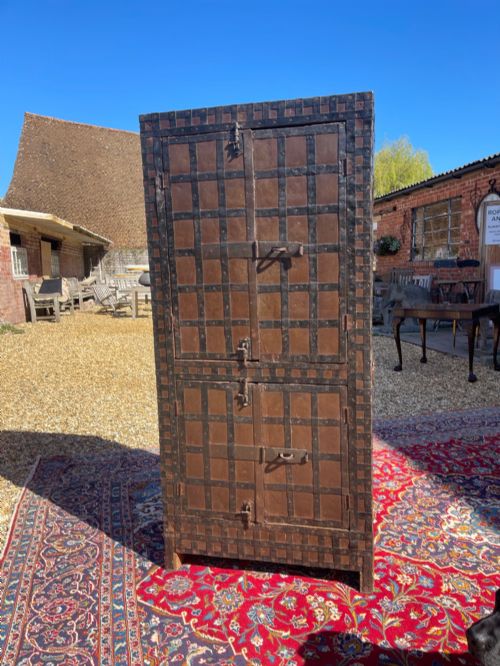
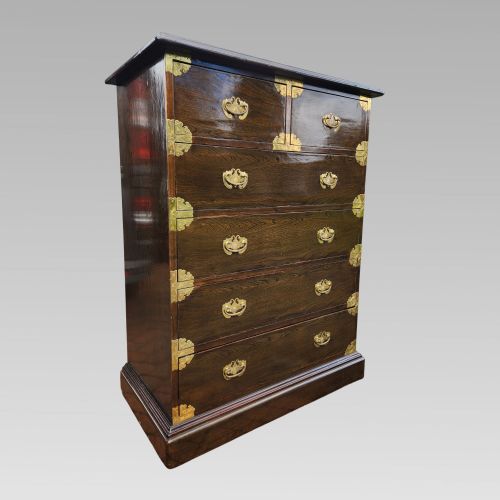
Geographic variety adds depth, with English pieces sharing space with Anglo-Indian, Chinese, and Korean items constructed from elm, teak, and oak. These diverse vessels share heavy metal strapwork designed to protect corners and edges during transit.
Materials and construction
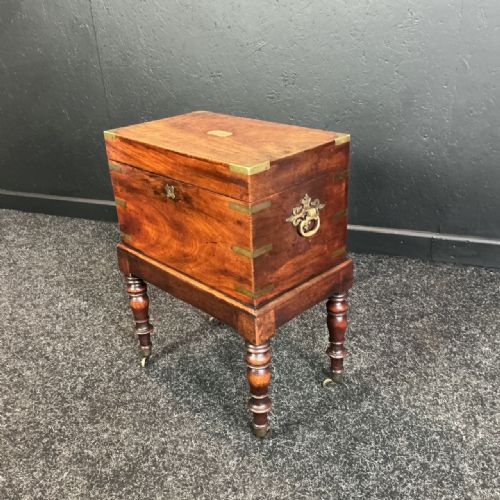
Cabinetmakers utilised dense timbers like mahogany, teak, oak, and elm to build carcasses capable of withstanding heavy use. Brass plates, bands, and corner brackets were screwed into the wood to reinforce joints and protect edges during movement.
Internal fittings often involved meticulous carpentry, including velvet or leather linings, fitted compartments for bottles, cutlery, or documents, and concealed secret drawers. Dovetail joints and flush-fitting brass drop handles maintained clean exterior lines on campaign items.
One unexpected item stored entire Guinness bottles in a barrel.
Evaluating craftsmanship
The distinction between standard utility items and finer pieces lies in the precision of the joinery and the quality of the timber selection. Figured mahogany, burr walnut, and padouk exhibit superior grain patterns that elevate the visual weight of the furniture.
Hardware execution plays a major role, with hand-beaten or cast brass straps, flush inset campaign handles, and working locks with original keys marking superior production. The integrity of internal partitions and original fabric linings further separates standard boxes from exceptional examples.
Gillows of Lancaster and London
The Brass Bound Cabinet Glossary
- Cellarette
- A fitted container designed to hold bottles of wine or spirits, often lined with lead or zinc in Georgian examples. These pieces typically sat beneath sideboards or stood independently on legs.
- Campaign furniture
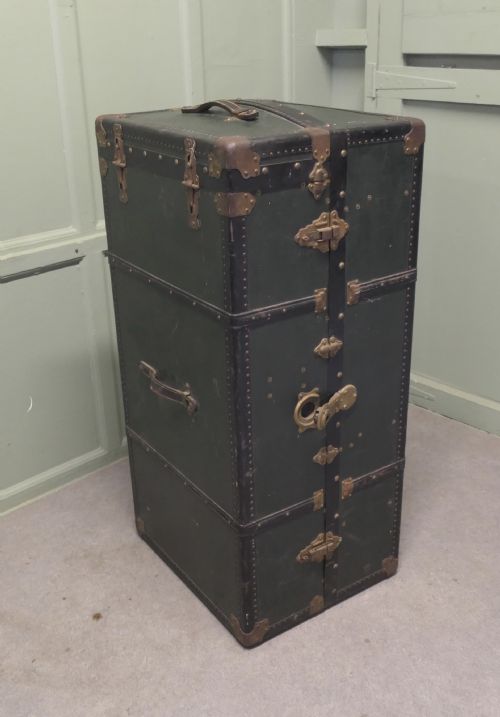
- Portable pieces built in sections with recessed brass handles and corner braces for military officers on the move. The design allowed items to pack down securely for transport.
- Bandaji
- A traditional Korean storage chest featuring prominent iron or brass strapping and hinges. Elm and other native woods formed the primary structure of these low proportions.
- Padouk
- A heavy tropical hardwood with a distinct reddish hue used in Anglo-Indian furniture production. It offered exceptional durability against humidity and heavy wear.
- Canteen
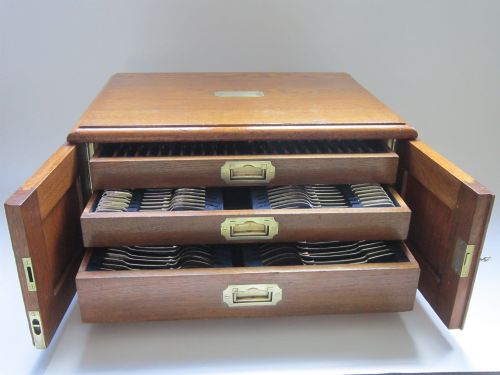
- A fitted box or chest designed to hold a complete set of cutlery. Interiors feature shaped slots or tiered trays lined to protect silver or steel utensils.
Brass Bound Cabinet: Frequently Asked Questions
What is a brass bound cabinet used for?
These pieces served practical storage needs, from housing wine bottles and cigars to keeping stationery, correspondence, and valuables secure during travel.
Today, they function as decorative side tables, accent storage, or focal points in studies and living rooms.
How do I care for wood and brass?
Maintain the timber with traditional furniture wax applied sparingly to preserve the natural grain and prevent the surface from drying out.
Polish the metal straps only if desired, though many collectors prefer to leave the aged patina undisturbed.
How do I identify a Georgian piece?
Georgian items often feature rich mahogany timbers, octagonal or oval shapes for cellarettes, and restrained brass inlay or corner straps.
Construction details like hand-cut dovetails and period locks help confirm the late eighteenth-century origins.