
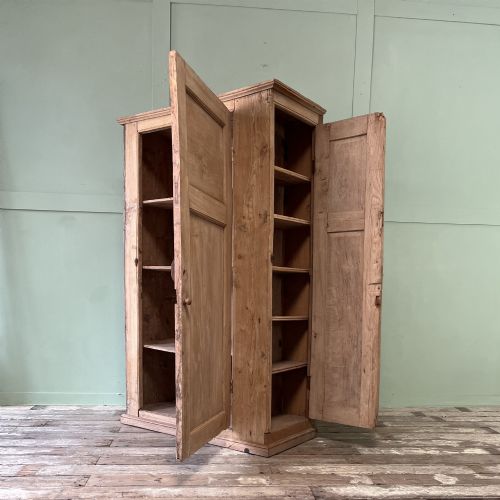
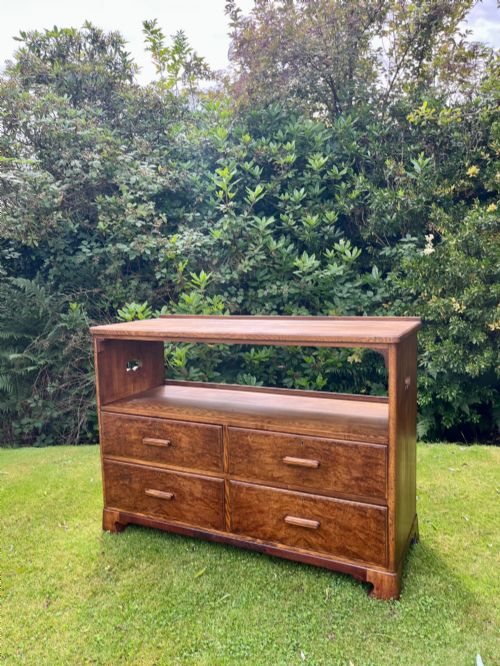
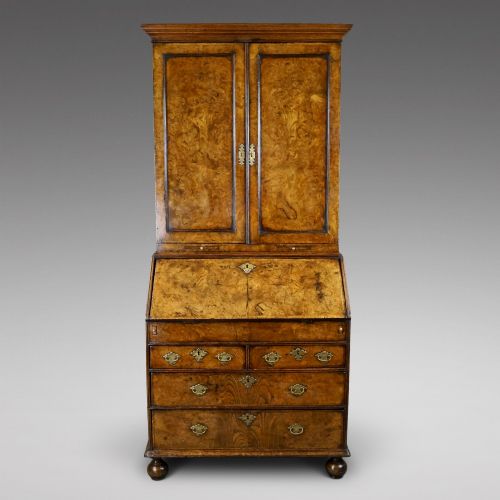
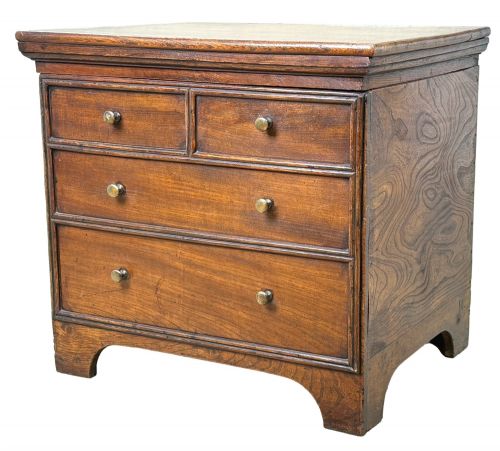
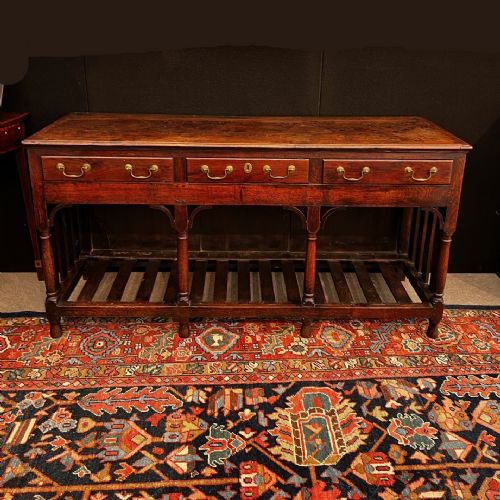
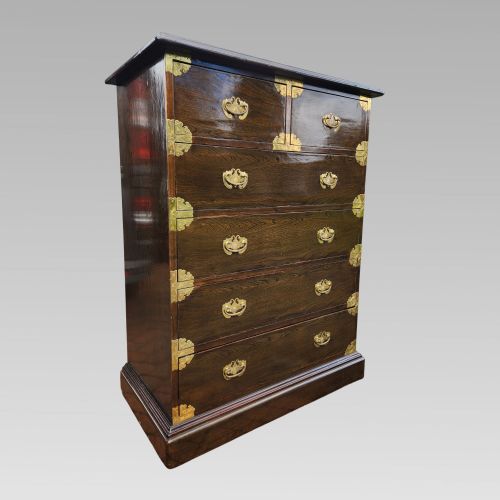


Antique Elm Cabinet
When you handle an antique elm cabinet, you meet a sturdy piece of furniture built to endure centuries of daily use.
Antique Elm Cabinet
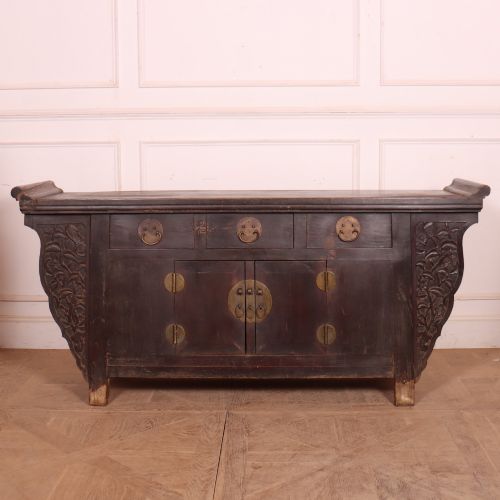
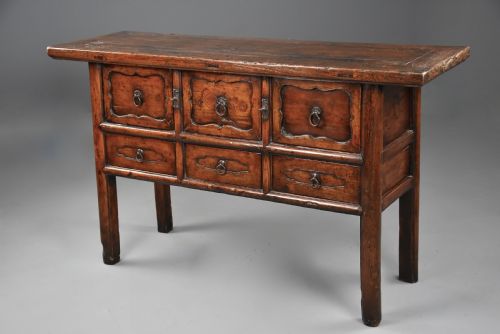
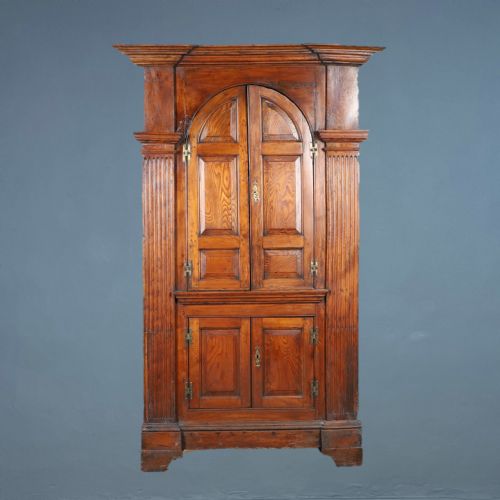
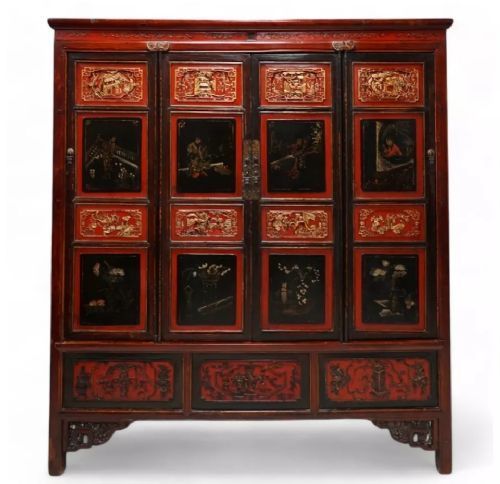
An antique elm cabinet spans practical domestic storage forms, from Welsh food cupboards and Georgian corner cupboards to side cabinets and apothecary chests. You are most likely to encounter 19th-century examples alongside 18th-century country pieces and traditional Chinese provincial designs.
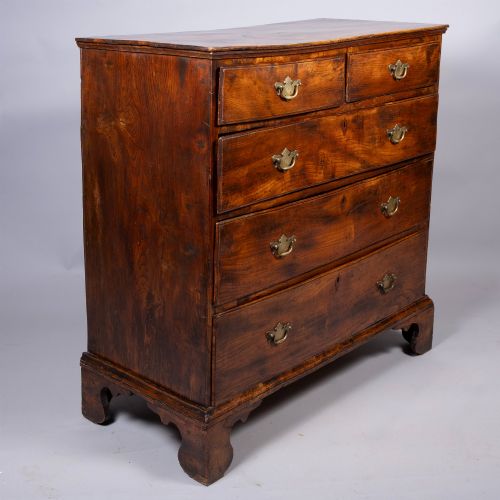
Makers and regional joiners utilised elm for its toughness in utilitarian items like dressers, bureaux, and bedside chests. The selection also includes smaller desk accessories, cellarettes, and tall display cabinets produced across Europe and Asia.
The phrase encompasses regional British country furniture, continental commodes, and Eastern storage pieces sharing a distinct fibrous timber grain. Buyers look for these items to introduce natural grain movement and robust character into contemporary interiors.
How They Were Made
Joiners built these cabinets using solid elm planks, often pairing plain timber carcases with decorative burr elm veneers on primary drawer fronts and doors. Secondary woods such as oak appear in internal framing, while brass and iron provide structural hardware and hinges.
Surface finishes rely on traditional wax, lacquer, or polish applied over centuries of handling, which highlights the interlocking grain patterns inherent to the timber. Construction methods range from dovetail joints in drawers to pegged mortise and tenon frames in larger cupboards.
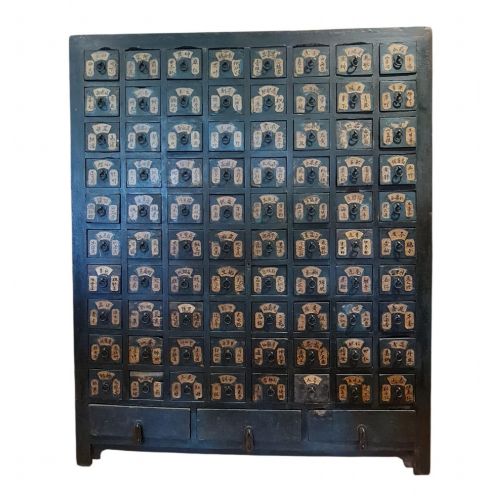
An apothecary chest listed here contains eighty tiny drawers designed to store traditional medicinal herbs.
What Varies In Quality
Quality rests upon the selection of the timber, distinguishing plain utility boards from richly figured burr elm or deliberate book-matched veneers. The crispness of hand-carved details and the retention of original brass hardware further separate standard workshop pieces from finer examples.
The integrity of construction and the survival of an undisturbed surface patina dictate desirability among collectors. Cabinets that retain their original feet, locks, and internal shelving command greater interest than heavily restored equivalents.
Whytock and Reid
The Antique Elm Cabinet Glossary
- Burr elm
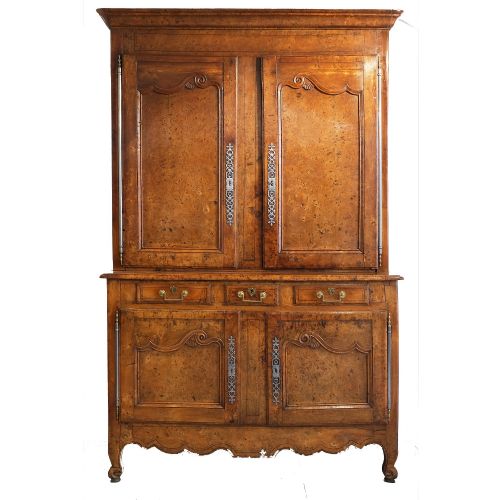
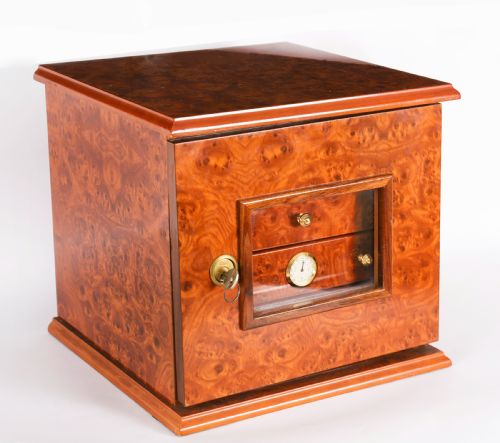
- A growth deformity in the tree that produces intricate, swirling grain patterns highly prized for cabinet veneers. Furniture makers select these figured sections for primary drawer fronts and decorative panels.
- Deux corps
- A tall two-part storage cabinet consisting of an upper cupboard section sitting upon a deeper lower base. This regional form provides substantial capacity for linens or provisions.
- Cellarette
- A dedicated subterranean or freestanding container used for storing wine bottles near the dining table. Regency examples often feature fitted interiors and secure locking mechanisms.
- Tansu
- A traditional Japanese mobile storage chest constructed in sections with iron reinforcement brackets. These pieces were designed for domestic utility and easy transport.
- Patina
- The surface sheen and tactile depth developed on wood through decades of handling, light exposure, and waxing. Collectors value an undisturbed surface over modern refinishing.
Antique Elm Cabinet: Frequently Asked Questions
What rooms suit an antique elm cabinet?
Smaller bedside chests and media cabinets fit easily into domestic bedrooms, while larger corner cupboards and sideboards anchor dining spaces.
The natural tone of the timber coordinates readily with both antique and modern interior schemes.
How do I care for elm furniture?
Maintain the surface by applying a microcrystalline wax sparingly and buffing with a soft cloth to nourish the grain.
Keep the cabinet away from direct heat sources and strong sunlight to prevent timber movement.
Are Chinese elm cabinets heavy?
Solid provincial cabinets constructed from dense elm timber possess substantial weight and require two people for safe relocation.
Larger wardrobe and sideboard forms often feature removable doors or shelves to ease transport.
How do I distinguish burr elm from plain elm?
Burr elm displays dense, swirling knot clusters and irregular eyes created by irregular tree growth.
Plain elm shows a straight, interlocking grain pattern with a coarser texture used for structural strength.