

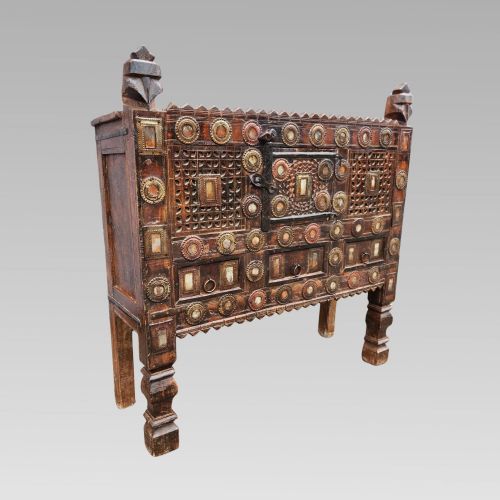


Antique Teak Sideboard
An antique teak sideboard brings dense tropical timber and deep hand-carving into a room, offering robust storage with colonial character.
Antique Teak Sideboard
When you search for an antique teak sideboard, you encounter heavy storage furniture shaped by 19th-century and early 20th-century craftsmanship. The pieces available span Anglo-Indian, Victorian military campaign, and traditional Indian provincial styles.
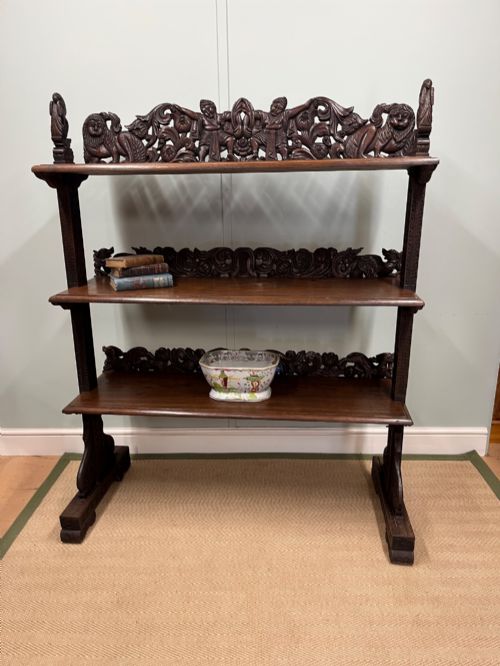
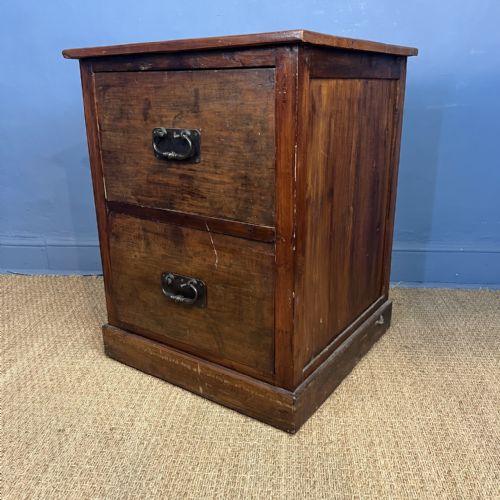
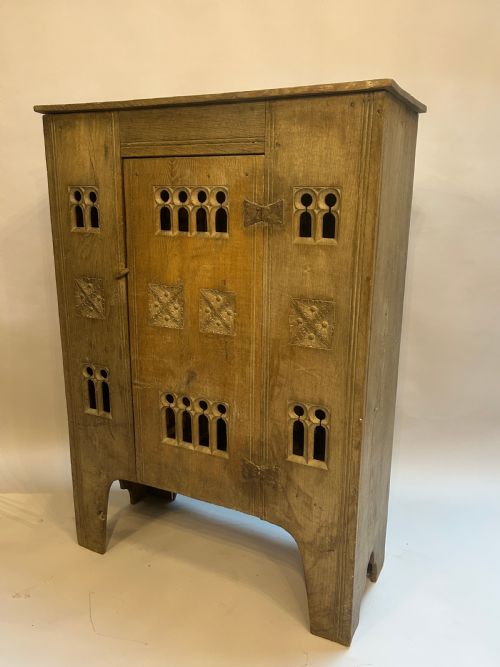
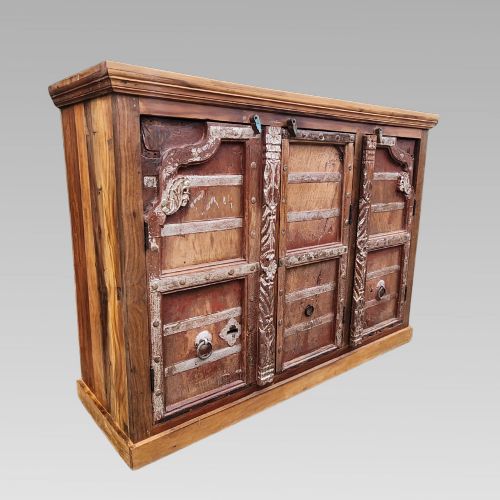
You are most likely to meet heavily carved cabinets, dowry chests, and buffets constructed from durable tropical hardwoods. These forms range from Burmese console tables and specimen chests to multi-tiered buffets and filing cabinets.
The aesthetic bridges British utilitarian design and intricate Asian carving traditions. Makers utilised dense grain and dark patination to create enduring focal points for dining rooms and hallways.
How they were made
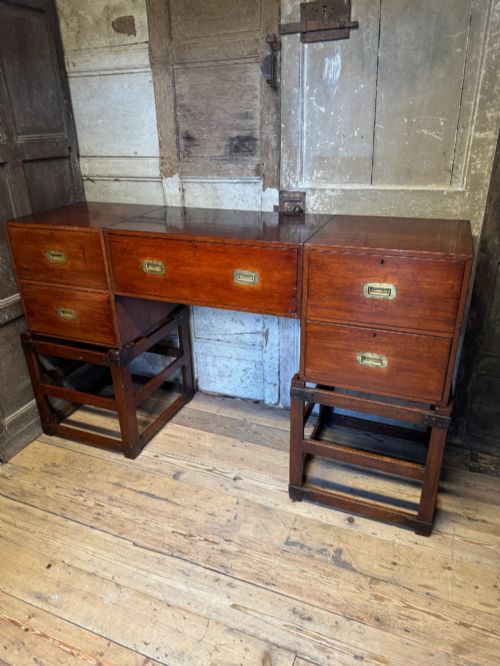
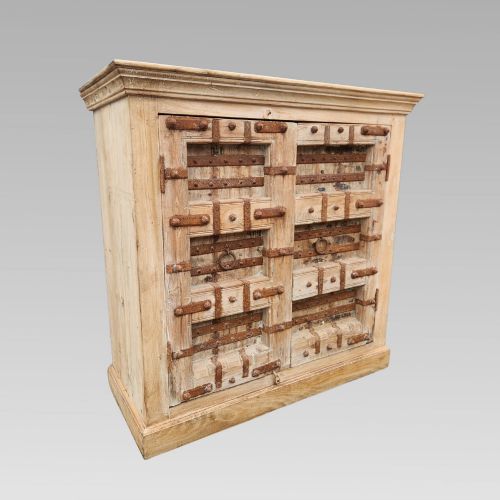
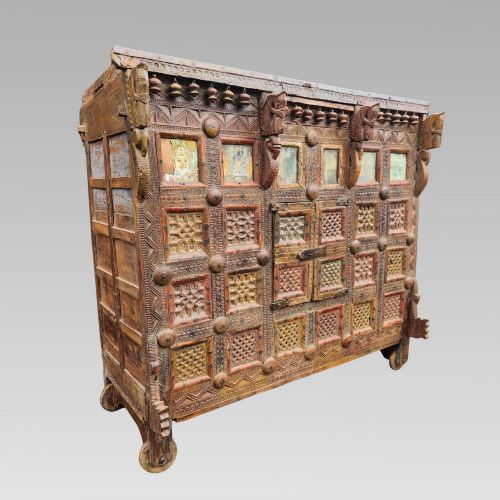
Carpenters built these items using solid teak and mixed hardwoods, often incorporating iron and brass hardware for structural reinforcement and campaign portability. Surfaces frequently display deep relief carving executed by hand across cabinet doors and drawer fronts.
Construction techniques include traditional joinery suited to humid climates, where dense timber resists warping. Secondary materials such as glass, marble, and rosewood appear selectively in tabletops, panel inserts, and decorative trim.
Dowry chests were traditionally packed with embroidered textiles and silver before being carried to the bride's new home.
What varies in quality
Quality rests in the depth and crispness of the hand-carving rather than plain surface area alone. Pieces displaying sharp, undercut relief work and well-integrated secondary timbers represent superior craftsmanship.
Hardware integrity also dictates grade, with original brass campaign mounts or substantial iron fittings holding greater authority than later replacements. The tightness of the joinery and the richness of the natural teak patination separate standard regional pieces from exceptional examples.
The Antique Teak Sideboard Glossary
- Anglo-Indian
- Furniture made in India during the British colonial period, combining British forms with local carving traditions. These pieces often feature dense floral motifs executed in tropical hardwoods.
- Campaign furniture
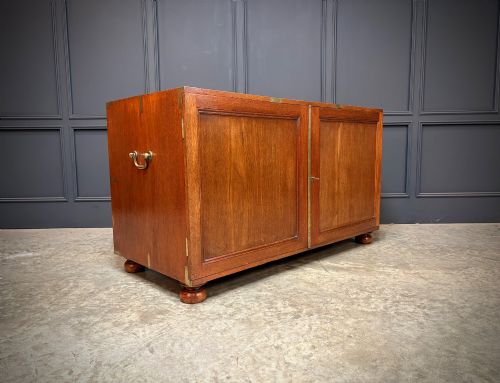
- Portable pieces designed for military officers on active service, featuring flush brass handles, recessed corners, and dismantling sections. This engineering ensures durability during transit.
- Damchiya
- A traditional Indian dowry chest or low storage cabinet, typically fitted with hinged or sliding doors and carved panels. They served central domestic functions in rural households.
- Patina
- The surface sheen and colour acquired by teak through age, handling, and wax application over decades. A deep natural lustre indicates healthy wood care.
- Buffet
- A sideboard or low cabinet utilised for serving food and displaying tableware. Nineteenth-century examples often incorporate tiers or raised upper shelving.
Antique Teak Sideboard: Frequently Asked Questions
How do I clean antique teak?
Dust the surfaces regularly with a dry, soft cloth to prevent grit accumulation in the deep carvings. Avoid silicone-based sprays and excess water, which can damage the aged timber.
Apply a traditional beeswax sparingly once or twice a year to nourish the grain and maintain the natural lustre. Buff the wax thoroughly with a clean brush to reach into recessed carved details.
Were these made for British homes?
Many items originated for colonial administrators, military officers, and merchants operating within the British Empire in India and Burma. They served in colonial outposts before returning to Britain with their owners.
Other pieces reflect indigenous domestic use, such as dowry chests and provincial storage cupboards that later entered the British decorative market.
How do I date an antique teak sideboard?
Examine the construction methods, secondary woods, and hardware to establish a reliable time frame. Nineteenth-century pieces often feature hand-cut joints and heavier iron or brass fittings.
Stylistic cues also help narrow the period, as Victorian campaign items show distinct modular engineering compared to heavier provincial dowry chests from around 1900.
Is teak vulnerable to central heating?
Tropical hardwoods like teak are exceptionally stable, but extreme fluctuations in household humidity can cause minor movement in large panels. Keep cabinets away from direct heat sources such as radiators and fireplaces.
Maintaining a stable indoor climate protects both the solid timber carcase and the intricate hand-carved doors from drying out too quickly.